The Shocking Truth About Living Longer: It’s Not What You Think
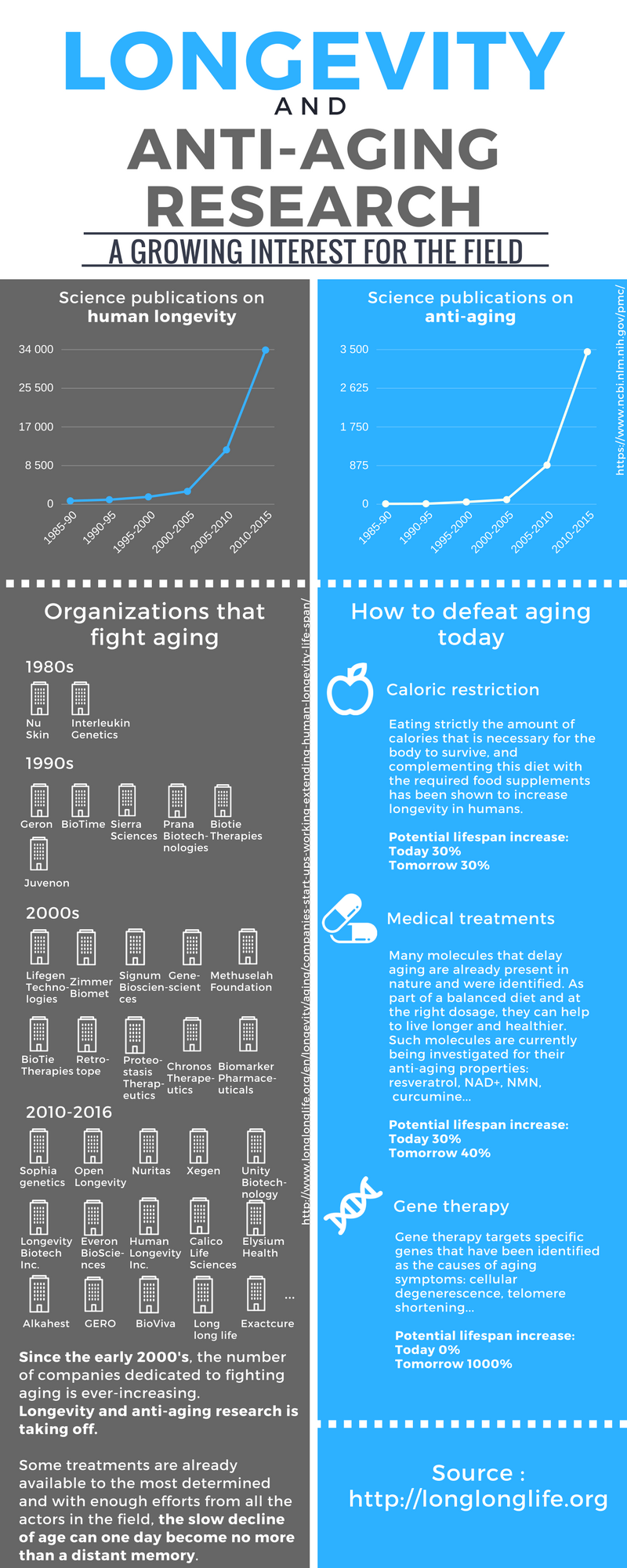
Source : longlonglife.org
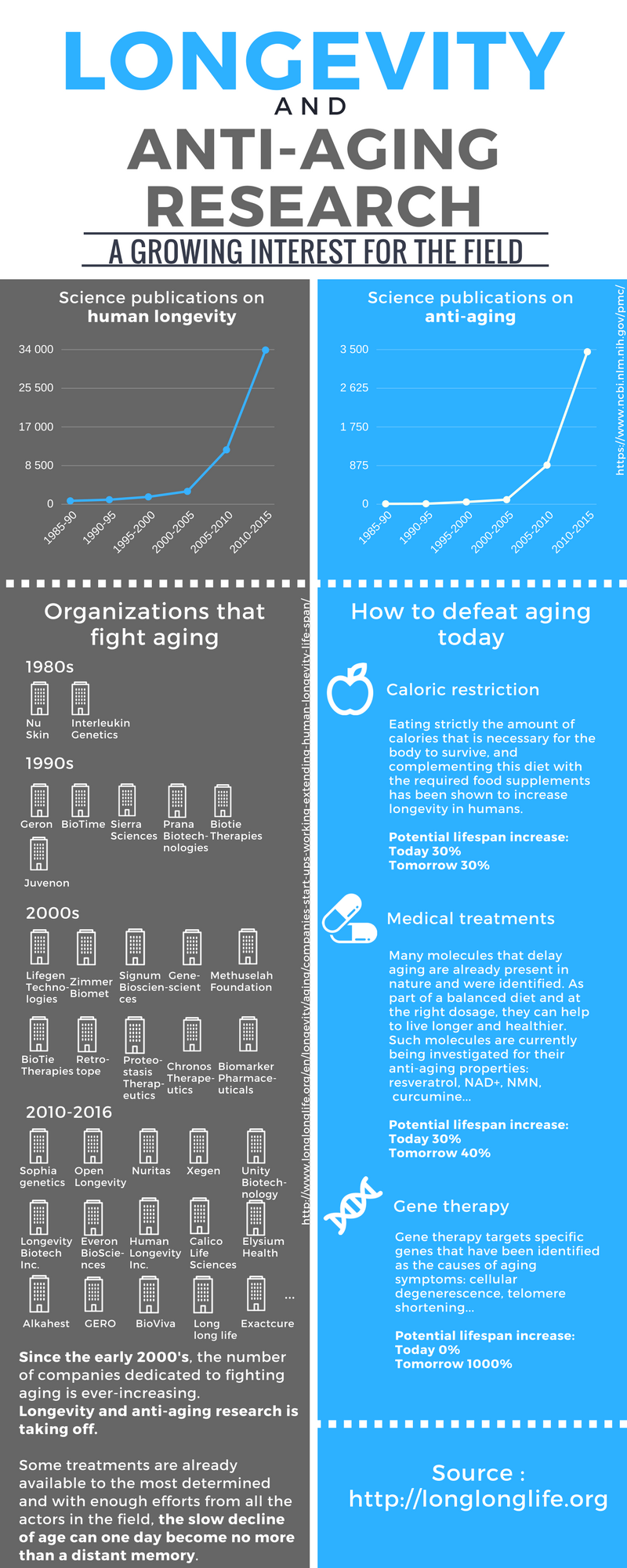
Forget the fountain of youth myths. We’re talking real science here, the kind that’s flipping aging on its head. You’ve probably seen the headlines, the miracle creams, the extreme diets promising you’ll live forever. Most of it’s snake oil. But what if I told you there’s a legitimate, science-backed revolution happening? A wave of research that’s not just about adding years to your life, but adding life to your years. Stick around, because this is where the actual story begins.
The Background: Why Are We Even Talking About This?
For centuries, people have dreamed of immortality. Ancient myths are packed with tales of gods and heroes seeking eternal life. Fast forward to today, and that dream isn’t so far-fetched anymore, at least not in the way you might imagine. We’re not talking about suddenly becoming Casper the Friendly Ghost. We’re talking about understanding the biological processes of aging itself. Why do we get old? Why do diseases like Alzheimer’s and heart disease become more common as we age? These are the big questions scientists are wrestling with.
Think about it: our grandparents’ generation lived significantly shorter lives. Medical advancements, sanitation, and a better understanding of disease have already pushed lifespans dramatically. But now, it’s different. We’re not just patching up problems; we’re trying to get to the root cause. We’re looking at the cellular mechanisms that drive aging. It’s less about curing individual age-related diseases and more about tackling aging itself as the fundamental risk factor. This shift is huge. It’s like instead of fixing leaky pipes one by one, we’re trying to understand why the whole plumbing system is degrading.
Where the Science is Heading: Breaking Down the Big Ideas
So, what exactly are these scientists getting at? It’s a complex field, no doubt. You’ve got researchers looking at everything from your DNA to the tiny powerhouses in your cells (your mitochondria). It’s a bit like being a detective at a massive crime scene, trying to piece together clues from every corner. But the exciting part? They’re actually starting to figure things out. They’re identifying what goes wrong and, more importantly, how we might be able to intervene.
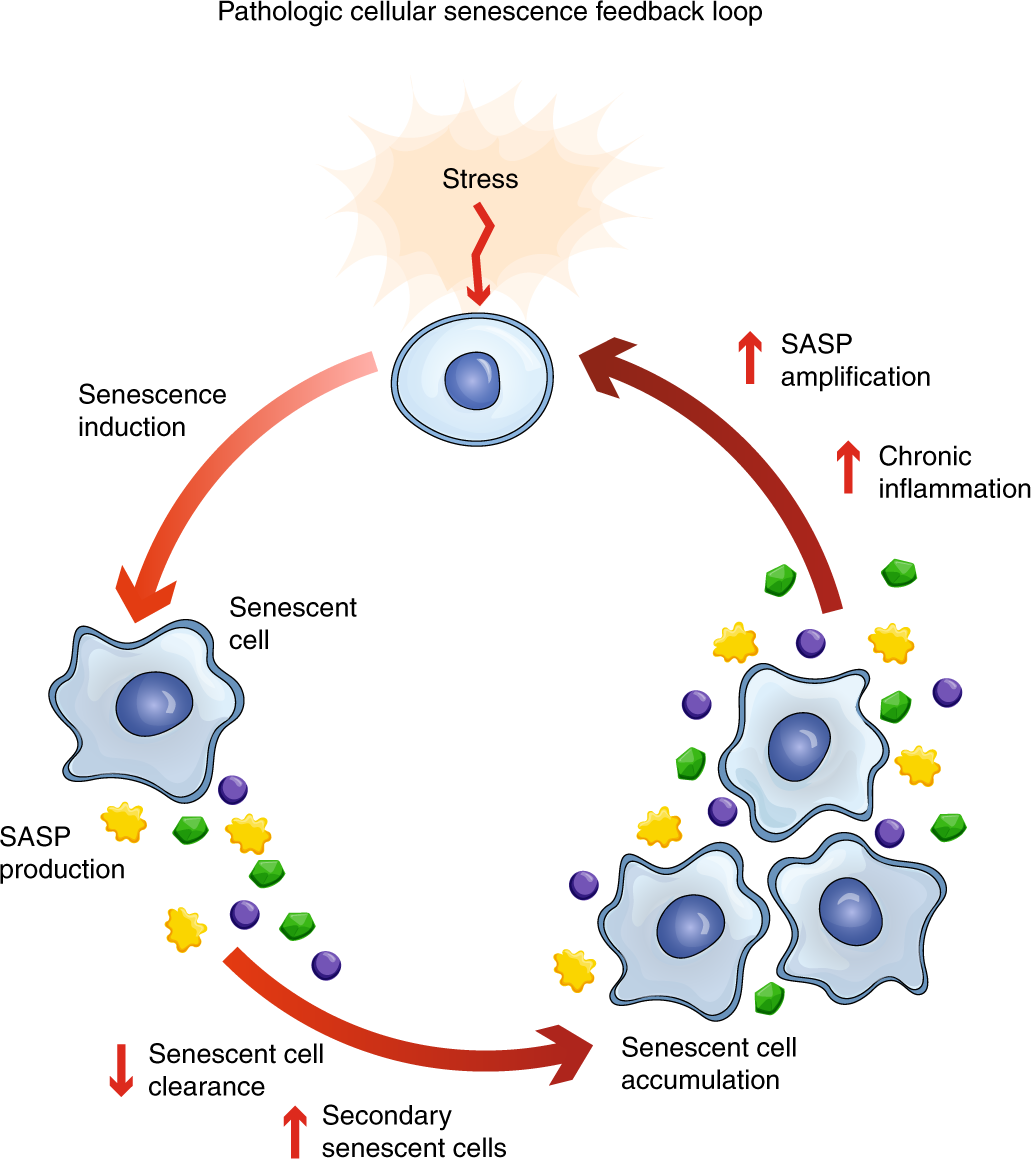
One major area of focus is something called senescent cells. These are basically old, worn-out cells that stop dividing but don’t die off. Instead, they hang around, spewing out inflammatory gunk that damages nearby healthy tissue. Gross, right? Think of them like those junk cars cluttering up a neighborhood. Researchers are developing ways to clear out these cellular troublemakers. Early studies show promising results, suggesting we could potentially reduce age-related inflammation and improve tissue function. It’s a whole new way of thinking about health – not just fighting disease, but actively promoting cellular rejuvenation.
Key Areas Driving Longevity Research
Genetics and Gene Expression
Our genes play a role, sure, but it’s not destiny. Scientists are digging into how gene expression changes with age and how we might be able to reset the clock. Think of your DNA as a cookbook; aging might be like certain recipes getting smudged or misread. Researchers want to clean up that text.
Metabolic Health and Diet
What you eat directly impacts how your cells function and age. Intermittent fasting, calorie restriction – these aren’t just fad diets. They’re tools scientists are using to study how metabolic pathways influence longevity. It’s all about signaling pathways that tell your cells to either repair themselves or break down.
Cellular Repair Mechanisms
Your body has natural repair systems, but they become less efficient as you age. Research is looking into boosting these systems, perhaps through compounds that mimic the effects of exercise or certain nutrients. Imagine giving your body’s own maintenance crew supercharged tools.
The Microbiome
That ecosystem of bacteria in your gut? It’s way more important than you think. A healthy microbiome is linked to better immune function and reduced inflammation. Keeping it happy is key to overall health and, yes, potentially to slowing aging.
Epigenetic Reprogramming
This is cutting-edge stuff. Epigenetics refers to changes that affect gene activity without altering the DNA sequence itself. Think of it like volume controls for your genes. Scientists are exploring if they can ‘reprogram’ cells to a younger state, essentially reversing some aspects of aging. It sounds like science fiction, but significant progress is being made. The National Institutes of Health (NIH) is actively researching the possibilities, with many experts believing we can slow down the aging process.
Senolytics: The Supplements Targeting Aging Cells
Source : nature.com
Alright, let’s dive into the nitty-gritty of senolytics. You know those creepy, zombie-like cells that just hang around, wreaking havoc and basically aging us faster? Senolytics are designed to go in, find these nasty culprits, and kick ’em to the curb. Think of it as a cellular cleanup crew, but way more sophisticated. Companies are throwing serious cash at this, and for good reason. If we can clear out these senescent cells, we might just be able to slow down aging and cut down on age-related diseases. It’s a hot area, and the early results are pretty darn exciting.
What Are Senescent Cells Anyway?
These aren’t just any old cells. They’re cells that have stopped dividing, but they refuse to die. Instead, they stick around, pumping out inflammatory gunk that damages nearby healthy tissue. It’s like having a bad tenant who trashes the place and won’t leave. This inflammation, often called “inflammaging,” is a huge driver of diseases like arthritis, heart disease, and even neurodegeneration. So, getting rid of these cellular squatters is a big deal for overall health.
The Key Senolytic Compounds
So, what are these miracle workers? You’ll hear a lot about quercetin and fisetin. Quercetin is found in tons of fruits and veggies – apples, berries, onions. Fisetin is in strawberries, apples, and persimmons. They’ve shown promise in animal studies, clearing out senescent cells and improving health markers. Other compounds like Dasatinib (a chemo drug, so, you know, needs careful handling) and Navitoclax are also being explored. It’s not just about popping a pill, though. Researchers are figuring out the right doses, combinations, and timing to get the best bang for your buck, minimizing side effects while maximizing the cell-clearing punch. Expect to see more targeted senolytic therapies hitting the market.
Challenges and Future Directions
Now, it’s not all smooth sailing. We need more human trials. A lot more. We’re talking about long-term safety, efficacy across different age groups and health conditions, and understanding potential side effects. The goal isn’t just to live longer, but to live healthier longer. Plus, figuring out how to deliver these compounds effectively to all the right places in the body is a puzzle they’re still solving. It’s complex, but the potential payoff – a significant leap in longevity science – is massive.
The Boom in Hyperbaric Oxygen Therapy

Source : sltrib.com
Ever heard of sticking your head in an oxygen tank? That’s basically hyperbaric oxygen therapy (HBOT). You get inside a pressurized chamber, crank up the oxygen to like 100%, and chill for a bit. Sounds simple, right? But the science behind it is pretty cool, especially for wound healing and now, increasingly, for aging. The extra oxygen helps your body repair itself and can reduce inflammation. It’s blowing up in clinics, from high-end biohacking spots to more traditional medical settings. People are swearing by it for everything from jet lag to improving cognitive function.
How Does HBOT Actually Work?
When you’re in that chamber, the increased pressure dissolves a lot more oxygen into your bloodstream than usual. This oxygen surge floods your tissues, giving your cells the fuel they need to heal and regenerate. It’s like giving your body a super-dose of revitalization. Plus, it can help reduce swelling and fight off certain infections. Think of it as a potent way to supercharge your body’s natural healing processes. It’s especially great for treating conditions where oxygen delivery is compromised, like diabetic foot ulcers or radiation injury. The oxygen-rich environment is key.
HBOT for Longevity: The Latest Buzz
This is where it gets really interesting for the anti-aging crowd. Studies, particularly in Israel, have shown that regular HBOT sessions can actually reverse some aspects of cellular aging. We’re talking about lengthening telomeres (more on that later!) and reducing senescent cells. Some people report feeling more mentally sharp, having more energy, and even improving sleep quality. It’s not just about feeling better; it’s about potentially making your body biologically younger. This whole area of longevity treatments is exploding, and HBOT is right at the forefront.
Finding a Reputable HBOT Clinic
If you’re thinking about trying HBOT, do your homework. Not all chambers are created equal, and you want to ensure you’re getting it done safely and effectively. Look for clinics with experienced staff and proper certifications. It’s important to discuss your specific health goals with a doctor before diving in, as HBOT isn’t for everyone (especially if you have certain lung conditions or ear problems). Finding a trusted HBOT provider is crucial for getting the benefits without the risks.
Peptides and the Future of Tissue Repair

Source : coremedicalwellness.com
Okay, peptides. These things are tiny chains of amino acids, the building blocks of proteins. Think of them as the ultimate cellular messengers. They’re involved in practically everything your body does, from signaling hormones to repairing damage. In the anti-aging world, scientists are getting super creative, designing specific peptides to target particular issues – boosting collagen for younger-looking skin, enhancing muscle growth, improving brain function, and even helping with fat loss. It’s like having a custom-made key for a specific cellular lock. The potential for regenerative medicine is huge here.
What Are the “Hot” Anti-Aging Peptides?
There are tons of peptides being researched, but a few are really grabbing attention. Take BPC-157, a peptide derived from a protein found in stomach acid. It’s famous for its incredible healing properties, especially for injuries like tendon tears or gut issues. Then there’s GHK-Cu (Copper Peptide), which is amazing for skin repair, stimulating collagen and elastin production – hello, smoother, firmer skin! You also hear about peptides like CJC-1295 and Ipamorelin, which can help increase growth hormone levels, aiding in muscle repair and fat metabolism. It’s a real cocktail of cellular rejuvenation compounds.
The Science Behind Peptide Therapy
These peptides work by binding to specific receptors on cells, telling them what to do. For example, GHK-Cu signals your skin cells to produce more collagen, essentially turning back the clock on aging skin. BPC-157 seems to promote the migration of cells to injured areas and stimulate blood vessel formation, speeding up healing. It’s not magic; it’s sophisticated biology. The trick is finding the right peptide for the job and using it correctly. We’re still uncovering the full capabilities of these biological signaling molecules.
Navigating Peptide Use Safely
Because peptides are so potent, responsible use is key. Many are still considered experimental, and sourcing them can be tricky. You’ll often see them administered via injection, and it’s absolutely critical to do this under the guidance of a knowledgeable healthcare professional. They can help you choose the right peptides, determine the correct dosages, and monitor for any potential side effects. Don’t just wing it with peptides; you’re playing with powerful biological tools. Ensure you’re getting quality peptide sources and expert advice.
Fasting Protocols Adopted by Biohackers
Source : brightfocus.org
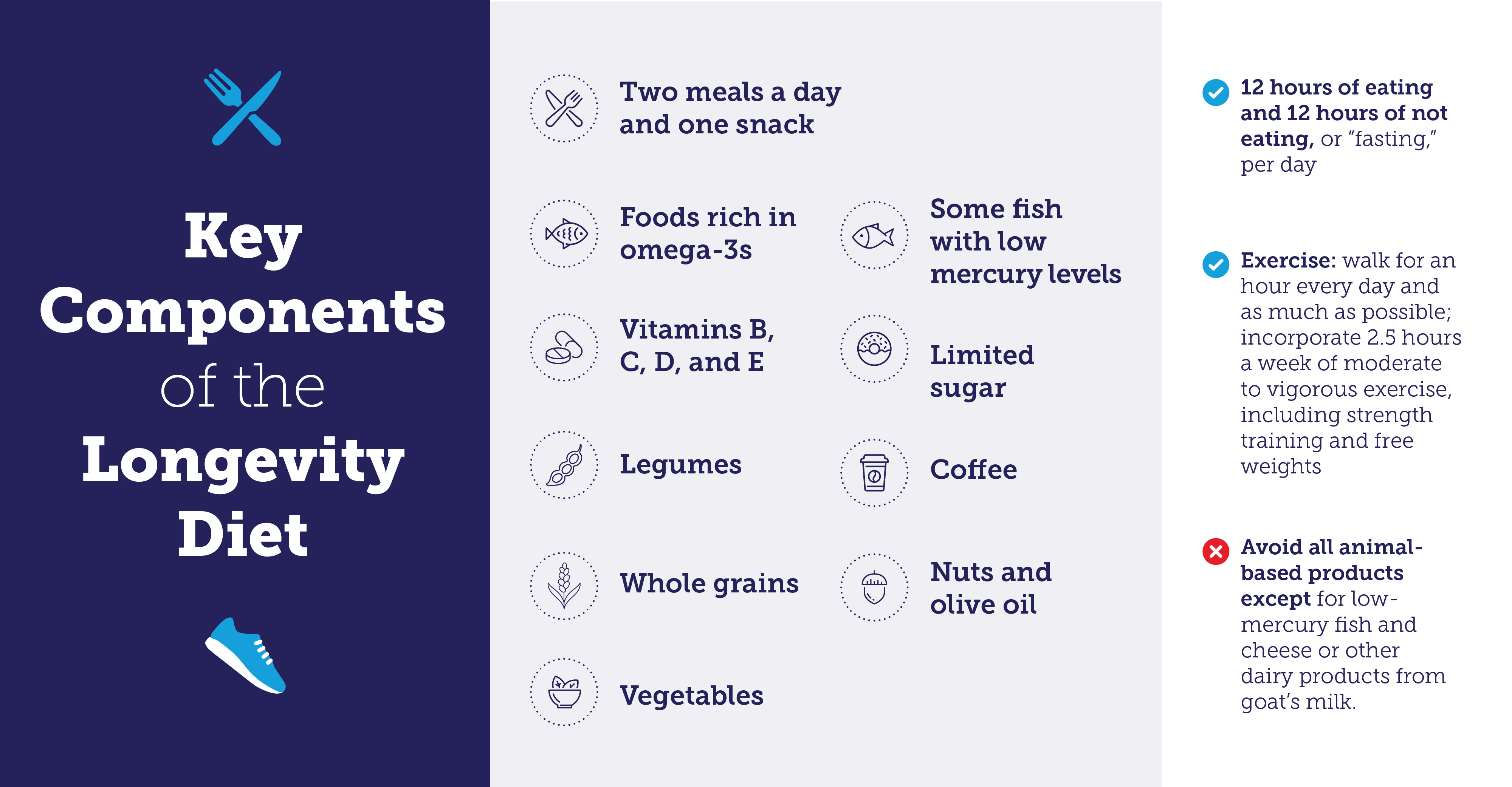
Forget those old-school diets. The cutting edge of health and longevity? It’s all about fasting. Not starving yourself, mind you, but strategically cycling between eating and not eating. Biohackers, the ultimate health optimizers, have embraced fasting protocols like intermittent fasting (IF), time-restricted eating, and even longer fasts. Why? Because when you fast, your body kicks into “repair mode.” It clears out damaged cells (autophagy!), improves insulin sensitivity, and can even boost brain function. It’s one of the most accessible and powerful tools for resetting your metabolism and promoting cellular health.
Intermittent Fasting (IF): The Gateway Drug
This is probably the most popular approach. It’s simple: you eat within a specific window each day and fast for the rest. The most common is the 16/8 method: fast for 16 hours, eat within an 8-hour window. So, maybe you skip breakfast and have your first meal around noon, finishing your last meal by 8 PM. Easy, right? It helps regulate blood sugar, can aid in weight management, and many people report clearer thinking. It’s a fantastic entry point into the world of fasting.
Beyond 16/8: More Advanced Protocols
Once you get comfortable with IF, you might explore other options. Alternate-day fasting involves fasting every other day, either completely or by drastically reducing calories on fasting days. Then there’s the 5:2 diet, where you eat normally for five days a week and restrict calories to about 500-600 on the other two days. Some biohackers even venture into longer, multi-day fasts (24-72 hours or more), often incorporating electrolytes and carefully monitoring their bodies. These longer fasts can trigger more profound autophagy and metabolic shifts, but they require more planning and caution. Always consult a professional before attempting prolonged fasting.
The Science of Autophagy During Fasting
Here’s the magic. When you fast, your cells initiate a clean-up process called autophagy. It’s literally your body eating its own damaged or dysfunctional parts to recycle them for energy. Think of it as cellular housekeeping. This process is crucial for removing old proteins, clearing out damaged mitochondria, and preventing the buildup of gunk that contributes to aging and disease. Fasting is one of the most reliable ways to stimulate this vital cellular recycling process.
| Protocol | Description | Typical Eating Window | Key Benefit |
|---|---|---|---|
| 16/8 Method | Daily 16-hour fast, 8-hour eating window. | e.g., 12 PM – 8 PM | Metabolic flexibility, insulin sensitivity. |
| Alternate-Day Fasting (ADF) | Fasting every other day (can be modified). | Variable on eating days, very low calorie/zero on fast days. | Significant metabolic reset, potential weight loss. |
| 5:2 Diet | Eat normally 5 days, calorie-restrict (500-600) 2 days. | Normal daily windows on 5 days. | Simpler to adhere to than ADF for some. |
| Warrior Diet | Short eating window (approx. 4 hours) daily, often evening. | e.g., 4 PM – 8 PM | Mimics ancestral eating patterns, promotes autophagy. |
Telomere Testing: Tracking Your Biological Age
Source : victorymenshealth.com
Alright, let’s talk about telomeres. Imagine the plastic tips on your shoelaces – those are kinda like telomeres. They’re protective caps at the ends of your chromosomes, shielding your DNA. Every time your cells divide, these telomeres get a little shorter. Eventually, they get so short that the cell can’t divide anymore and enters senescence (remember those zombie cells?). Shorter telomeres are linked to aging and various diseases. So, telomere length is a pretty good marker of your biological age, not just your chronological age. You can actually get tested for this stuff.
What Are Telomeres and Why Do They Matter?
These crucial DNA sequences act like a biological clock. They protect the important genetic information within your chromosomes. When telomeres shorten too much, it signals cellular aging. This shortening contributes to a decline in tissue function and increases your risk for age-related conditions like cardiovascular disease, diabetes, and even certain cancers. Think of it as the ultimate scorecard for how much your cells have been used and divided over time. Cellular aging is a complex process, and telomeres are a key piece of the puzzle.
How Telomere Testing Works
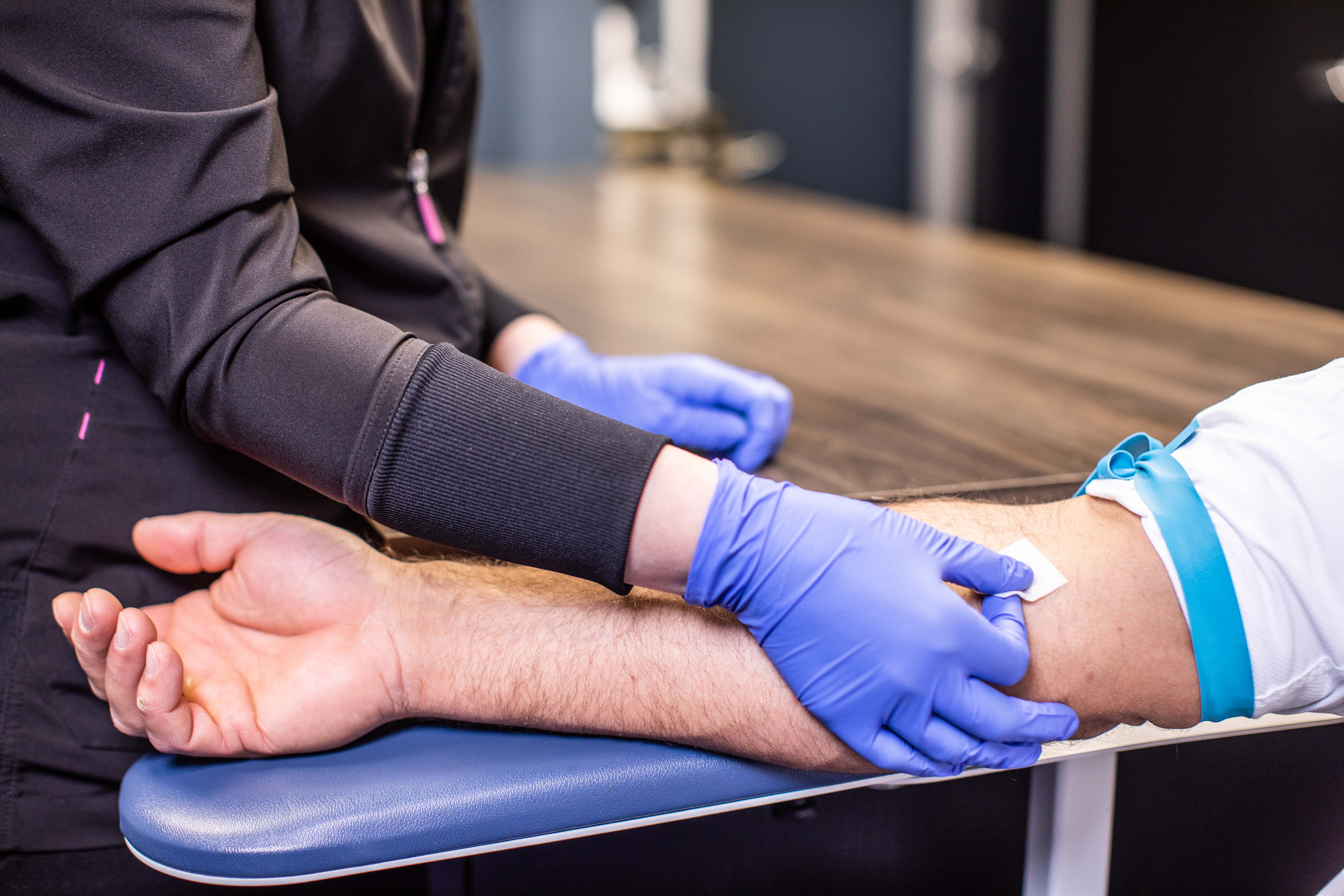
Getting your telomeres measured usually involves a simple blood test or sometimes a saliva sample. A lab analyzes your DNA and determines the average length of your telomeres. Some companies offer this as part of broader longevity testing panels. The results give you a snapshot of your current cellular age. You might be younger or older than your actual years depending on your lifestyle, genetics, and environmental factors. It’s a fascinating way to get personalized feedback on your biological clock.
Can You Lengthen Your Telomeres?
This is the million-dollar question. While telomeres naturally shorten, research suggests that certain lifestyle factors can help slow the process, and in some cases, even lengthen them. Things like a healthy diet, regular exercise, stress management (meditation is big here), and avoiding toxins can all make a difference. There’s also an enzyme called telomerase that can rebuild telomeres, but its activity is complex and tightly regulated. Some experimental therapies aim to activate telomerase, but they’re still very much in the research phase. For now, focusing on a healthy lifestyle is your best bet for maintaining telomere health. You can learn more about the science of longevity at this public health resource.
Frequently Asked Questions
-
Can anti-aging science really make me live longer?
Look, it’s not about living forever like some sci-fi movie. But the science? Yeah, it’s making real headway. We’re talking about extending your ‘healthspan’ – the years you feel good, not just racking up birthdays. Think better energy, fewer diseases. So, it’s not just about adding years to your life, but life to your years. For example, breakthroughs in cellular repair are showing real promise.
-
What are the biggest breakthroughs in anti-aging right now?
It’s a wild field, but a few things stand out. Cellular rejuvenation is huge – basically teaching old cells to act young again. Then there’s gene therapy; we’re getting way better at understanding and tweaking the genes linked to aging. And don’t forget the microbiome – your gut health is way more coected to aging than you’d think. It’s exciting stuff, honestly.
-
Are supplements like NMN and Resveratrol actually effective for longevity?
Ah, the supplement question. It’s tricky. NMN and Resveratrol have shown some cool stuff in lab studies, like boosting NAD+ levels (that’s important for energy) or mimicking calorie restriction. But human trials? We’re still ironing out the long-term effects and the right doses. Some people swear by them, others think it’s hype. I’d say do your homework, talk to a doc, and don’t expect miracles overnight. They’re tools, not magic pills.
-
How much does longevity research cost?
That’s a broad question! If you’re talking about the research itself, it costs billions. But for you, the individual? It varies wildly. Basic healthy habits – eating well, moving your body, getting sleep – are practically free. Then you get into more advanced stuff like diagnostic tests or specialized clinics, which can run into hundreds or even thousands. It’s not cheap to chase cutting-edge treatments, but basic healthy habits are your first, best bet.
-
Is it too late to start focusing on longevity?
Never! Seriously, you can make a difference at any age. Sure, starting young is great, but your body is incredibly resilient. Making healthier choices now, even if you’re older, can have a huge impact on how you feel and age. Think of it like this: Would you rather fix a small leak now or wait until the whole roof caves in? Making healthier choices today pays off, no matter when you start.