Esports Gamers Are Training Like Traditional Athletes: The New Reality
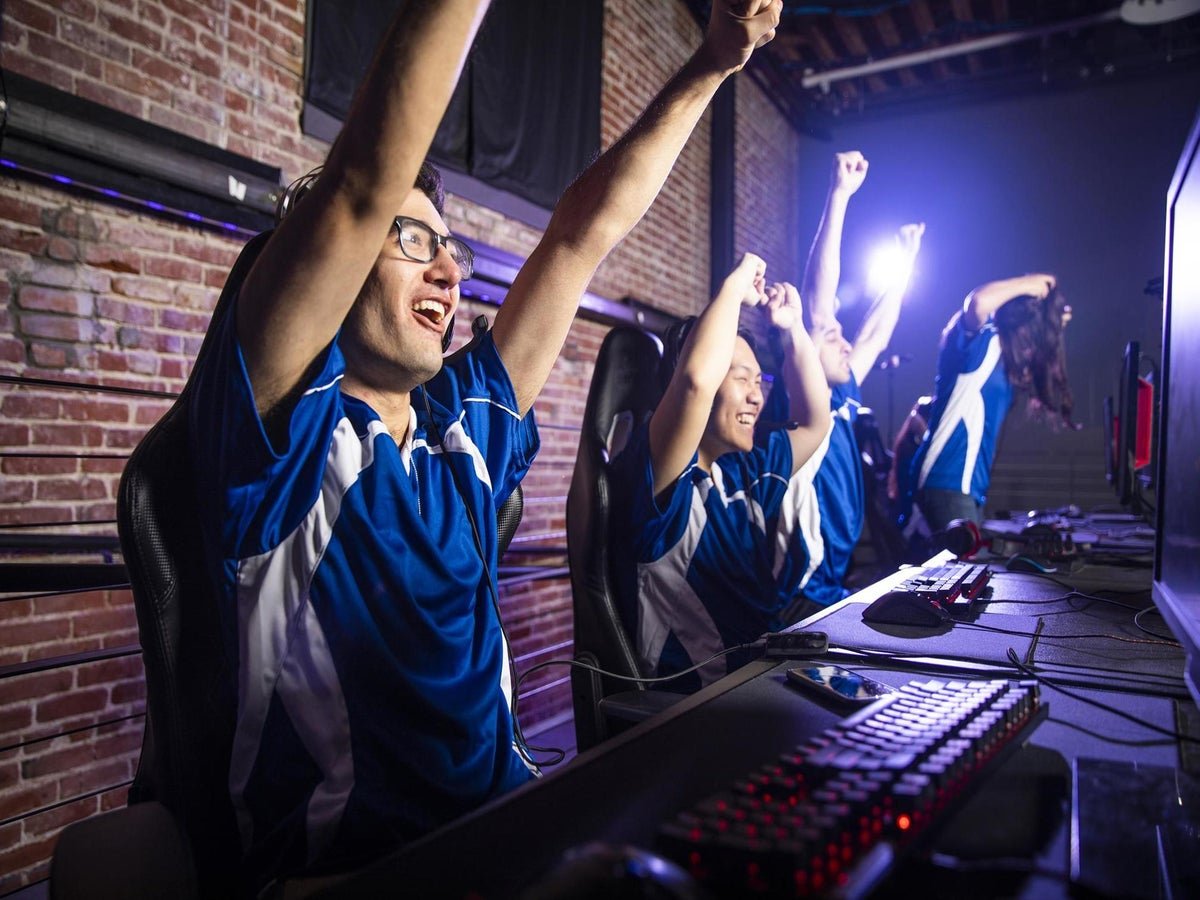
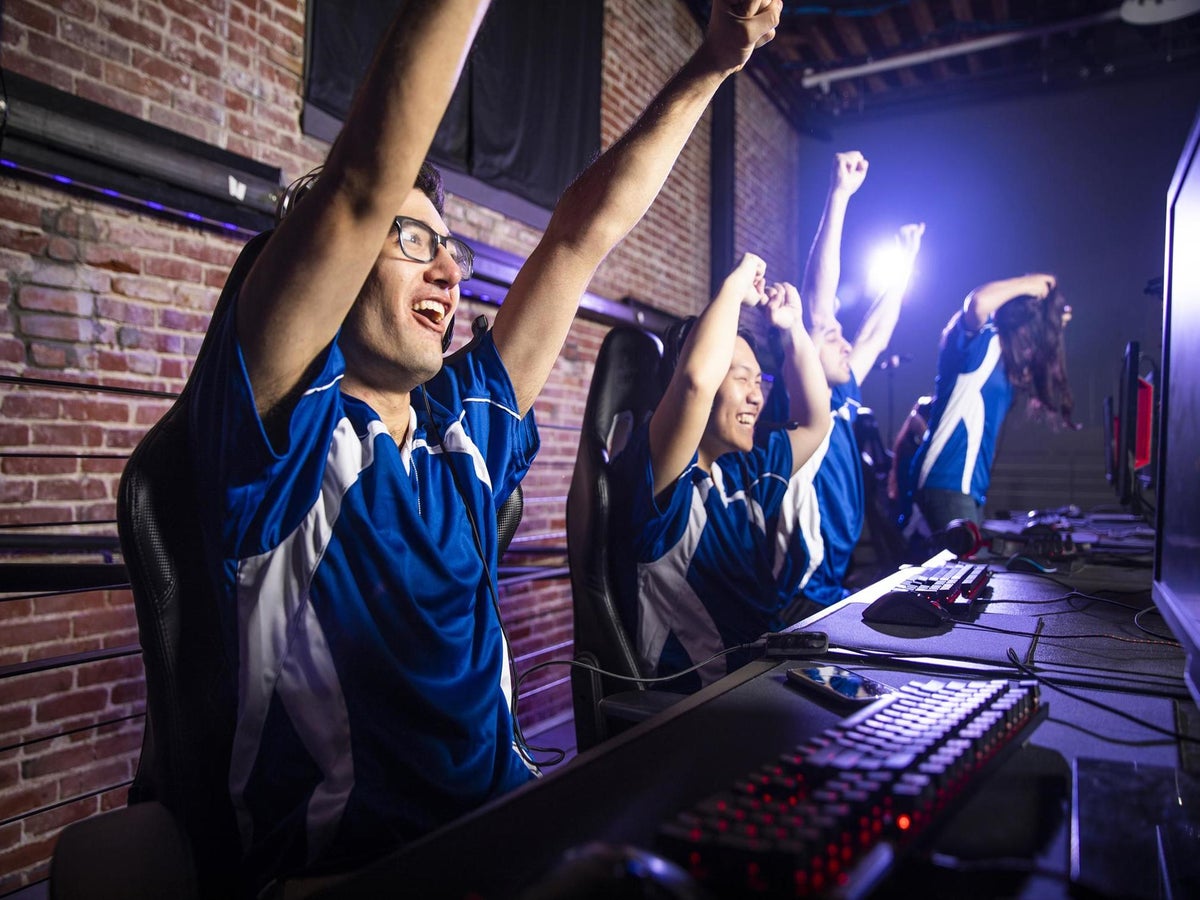
Forget the stereotype of the gamer glued to a chair, fueled by pizza and energy drinks. That’s ancient history. The world of esports is rapidly evolving, and the players at the top aren’t just good; they’re treated like elite athletes. We’re talking rigorous training, dedicated coaches, sports psychologists, and, yes, actual physical workouts. It’s a far cry from just sitting around playing video games all day. This isn’t your little brother’s hobby anymore. Pro gamers are serious competitors, and their training reflects that.
Source : independent.co.uk
The Grind: More Than Just Clicking Buttons
Think about your favorite traditional sports star. Michael Jordan, LeBron James, Serena Williams – they don’t just show up and play. They have insane training regimens. They lift weights, run drills, eat specific diets, and focus on mental fortitude. Guess what? The top esports pros are doing the same. It’s not just about reflexes and strategy anymore, though those are obviously huge. It’s about building a sustainable career that demands peak physical and mental performance, day in and day out.
This transformation is huge. It’s fundamentally changing how teams operate. Instead of just a coach yelling strategies, you’ve got a whole support staff. We’re talking physical trainers, nutritionists, and mental coaches. It’s a holistic approach, recognizing that a gamer’s body and mind are their most crucial tools. They’re realizing that a healthy body fuels a sharp mind, and that’s exactly what you need to dominate in a high-stakes match.
Physical Fitness: The Unsung Hero of Esports
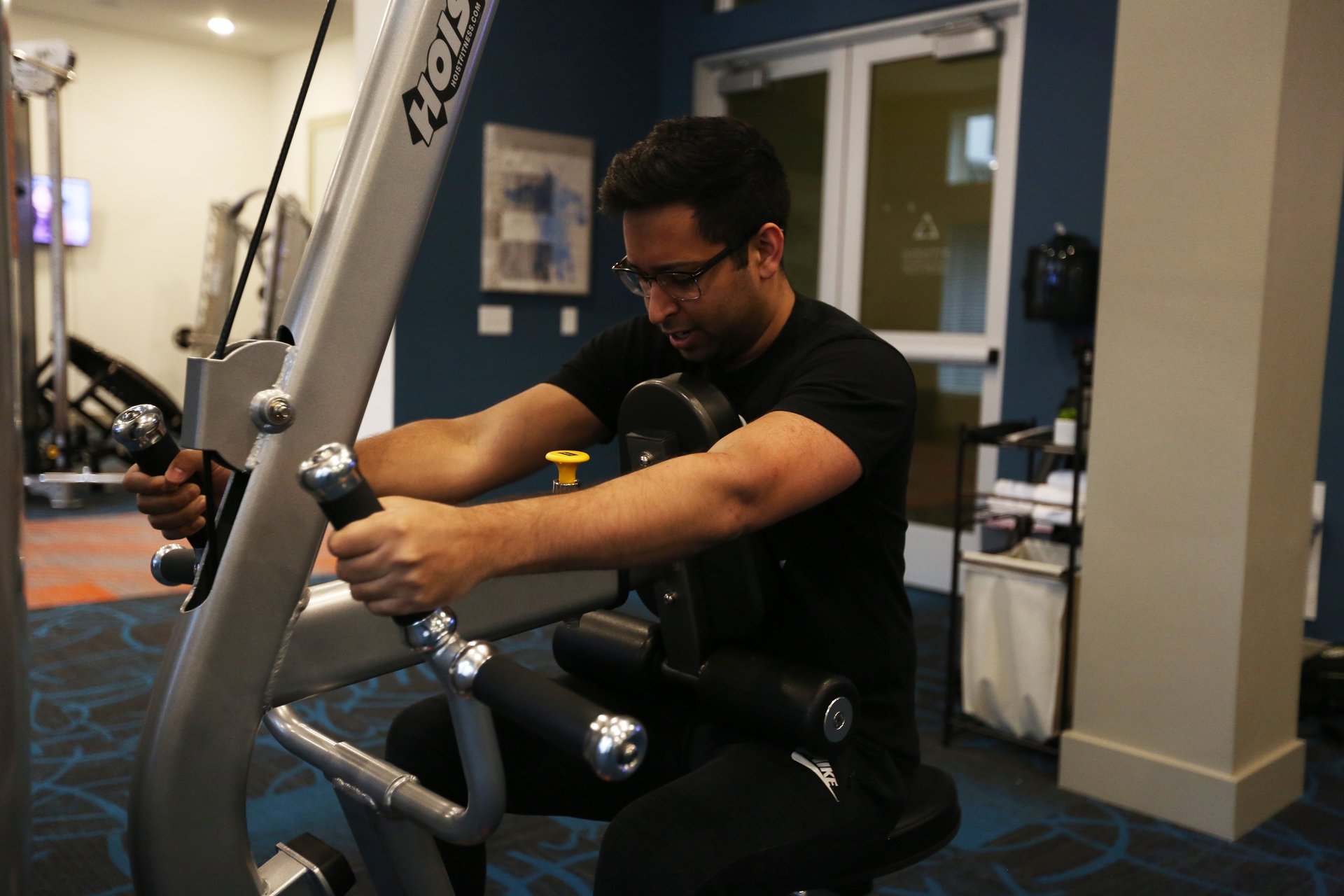
This is where things get really interesting. Many top esports organizations are now bringing in trainers who work with traditional athletes. Why? Because the physical demands are surprisingly high. Holding your wrists and hands in the same position for hours can lead to injuries like carpal tuel. Plus, staying alert and focused during long tournaments requires stamina and endurance that a sedentary lifestyle just can’t provide. Physical conditioning is becoming non-negotiable.
Source : qz.com
Imagine sitting there, eyes glued to a screen for 8 hours straight, making split-second decisions. Your heart rate goes up. Your stress levels spike. You need physical stamina to keep that up. Think of it like a marathon ruer; they need endurance. Esports athletes need a different kind of endurance, but it’s still endurance. They’re doing cardio, strength training, and flexibility exercises. It helps with blood flow, reduces fatigue, and even improves reaction times. It’s all coected.
One of the biggest shifts? Cutting back on the gaming itself. Sounds counterintuitive, right? But coaches are finding that playing 12 hours a day actually leads to burnout and diminishing returns. Instead, they’re focusing on shorter, more intense training sessions, interspersed with physical activity and rest. It’s about quality over quantity. Less gaming, better results. It’s a smarter way to train, ensuring players stay sharp and avoid injuries.
Mental Fortitude: The Psychological Edge
Beyond the physical, the mental game is massive. Esports tournaments are incredibly high-pressure environments. Think about the crowd, the stakes, the cameras. Players need to perform under intense scrutiny. That’s where sports psychologists come in. They work with gamers on focus, stress management, and resilience. It’s about building that mental toughness, that ability to shake off a mistake and go again. Handling pressure is key.
It’s not just about staying calm. It’s about maintaining peak cognitive function. These psychologists help players develop strategies for dealing with tilt (that frustrating feeling when you can’t play well), managing performance anxiety, and improving decision-making under duress. They might use meditation, mindfulness exercises, or even biofeedback techniques. It’s a serious mental workout designed to keep players at the top of their game, round after round.
These teams understand that a player’s mental state is just as important as their mechanical skill. A moment of panic or frustration can cost them a crucial match. So, they invest heavily in ensuring their players have the psychological tools to stay composed and perform at their best, even when everything is on the line. It’s about building a resilient mindset for the win.
Nutrition: Fueling the Competitive Machine
Remember the stereotype of gamers chugging energy drinks and living on junk food? Yeah, that’s not the reality for professionals anymore. Nutritionists are now a standard part of the support staff for top esports teams. They’re creating specialized meal plans designed to optimize brain function, energy levels, and overall health. It’s about providing the right fuel for sustained concentration and quick decision-making.
This means focusing on whole foods, balanced macronutrients, and avoiding the sugar crashes that come from processed junk. Think lean proteins, complex carbs, healthy fats, and plenty of fruits and vegetables. Hydration is also critical. Dehydration, even by a small amount, can significantly impair cognitive performance. So, it’s not just about avoiding bad food; it’s about actively consuming nutrients that boost performance. It’s science, plain and simple.
The goal is simple: keep the players feeling energized and mentally sharp for hours on end. No more mid-game slumps due to poor diet. They’re treating their bodies like finely tuned machines, and the food they eat is the high-octane fuel that keeps those engines ruing at full power. This focus on smart eating is a game-changer for endurance and focus.

Source : theathletesguild.fit
The Rise of Esports Academies and Facilities
To support this new breed of training, esports organizations are building state-of-the-art facilities that rival those of traditional sports teams. These aren’t just places to play games; they’re comprehensive training centers. They often include gyms, recovery rooms, nutrition stations, and dedicated areas for mental training and coaching.
These academies create a structured environment where players can focus entirely on improving. They live and breathe the discipline required to compete at the highest level. Think of it like a college athlete living in the dorms, eating at the training table, and spending all their time on campus honing their craft. It’s an immersive experience designed for maximum performance gains. Everything is geared towards making them better.
Having a dedicated facility also allows for better team cohesion and communication. Players are together, training together, and building that crucial team synergy. It fosters a professional atmosphere and reinforces the idea that this is a serious career, not just a pastime. It’s about creating a professional ecosystem for success.
Coaching Evolution: Beyond Game Strategy
Coaches in esports have also evolved dramatically. They’re no longer just experts in the game itself. Modern esports coaches are leaders, strategists, and mentors. They oversee the entire training program, coordinating with the physical trainers, sports psychologists, and nutritionists to create a cohesive plan for each player and the team as a whole.
They analyze performance data, develop new strategies, and manage player morale. It’s a complex role that requires a deep understanding of both the game and human performance. They’re often responsible for setting the team’s culture and ensuring everyone is working towards the same goals. This strategic oversight is critical.
It’s about building a team that’s not just skilled but also resilient, disciplined, and mentally strong. Coaches are now focusing on developing players’ soft skills, like communication and leadership, alongside their in-game mechanics. They’re essentially building well-rounded athletes capable of handling the rigors of professional competition. It’s a proactive management style.
Why the Change? The Stakes Are Higher Than Ever
So, what’s driving this massive shift? Simple: the money and the legitimacy. Esports is a multi-billion dollar industry with massive prize pools, lucrative sponsorships, and a rapidly growing global audience. Teams are investing millions to find and develop top talent, and they want to ensure their investments pay off. They’re treating esports like any other major professional sport because, frankly, it’s become just as competitive and demanding.

Source : nytimes.com
The growth is staggering. Viewership numbers are climbing, and more mainstream brands are jumping in. This influx of capital means teams can afford to build professional infrastructures. They can hire the best coaches, trainers, and support staff. It’s a positive feedback loop: more investment leads to better training, which leads to better performance, which attracts more fans and sponsors. It’s a professionalization wave.
The players themselves are demanding more, too. They see the careers of traditional athletes and recognize the importance of longevity and well-being. They want to perform at their best for as long as possible and avoid the burnout that has plagued earlier generations of gamers. They understand that treating their bodies and minds right is crucial for a long and successful career in the demanding world of professional gaming.
The Future is Fit(ter)
The trend is clear: esports is no longer just about gaming skill. It’s about cultivating elite athletes in every sense of the word. The integration of physical training, mental conditioning, and proper nutrition is transforming the industry. We’re seeing a new generation of esports professionals who are not only masters of their digital domain but also physically and mentally conditioned athletes.
This evolution is exciting. It legitimizes esports as a true competitive field and opens the door for even greater growth and recognition. As the industry continues to mature, expect to see even more parallels drawn between esports and traditional sports, as the pursuit of peak performance becomes the ultimate goal. It’s about making sure these gamers can perform at their peak, consistently and sustainably. It’s a win-win for everyone involved.
Frequently Asked Questions
How do esports players train compared to traditional athletes?
It’s actually getting pretty similar! Top esports players are now doing what traditional athletes do: they have coaches, trainers, nutritionists, and even sports psychologists. They focus on physical fitness – hitting the gym, stretching, doing cardio – to improve endurance, reaction time, and prevent injuries like carpal tuel. They also spend a lot of time on mental training, like meditation and stress management, to handle the intense pressure of competitions. It’s not just about playing games anymore; it’s about building a healthy body and sharp mind for peak performance, just like you’d see with pros in basketball or soccer.
How are esports similar to traditional sports?
They’re way more alike than you might think! Both require incredible skill, strategy, and teamwork. Intense practice is crucial in both – hours spent honing mechanics and learning tactics. Both have huge fan bases, professional leagues, massive prize pools, and demanding tournament schedules. The biggest similarity lately is the training. Esports orgs are now investing heavily in physical conditioning, mental fortitude training, and nutrition programs, mirroring what traditional athletes have done for decades. It’s all about pushing human performance to its limits, whether that’s on a field or in front of a screen. The goal is the same: achieve peak performance.
Do esports players need to be physically fit?
Absolutely, yes! It might surprise some people, but physical fitness is becoming super important for esports players. Playing games for long hours requires a lot of stamina and can lead to repetitive strain injuries. Being fit helps with endurance, keeps them alert, improves reaction times, and reduces the risk of injuries like wrist and back problems. Think of it as needing the stamina to run a marathon, but for esports, it’s about sustaining focus and quick reflexes for hours. Top teams now hire physical trainers because they know a healthy body is crucial for a sharp gaming mind.
What kind of diets do esports players follow?
Forget the old image of junk food! Professional esports players now follow pretty strict diets, often designed by nutrition specialists. The focus is on foods that boost brain function and provide sustained energy. This means lots of lean proteins, healthy fats, complex carbohydrates, and plenty of fruits and vegetables. They cut back on sugar and processed foods to avoid energy crashes and maintain focus. Hydration is also key! It’s all about fueling their bodies like athletes to keep their minds sharp during long gaming sessions and tournaments. They need optimal fuel.
How important is mental health for esports players?
It’s incredibly important, maybe even more so than in some traditional sports! Esports players face immense pressure. They’re often playing in front of huge live audiences and millions online. Dealing with performance anxiety, stress, and the frustration of losing (or ’tilting’) is a huge part of the game. That’s why teams are hiring sports psychologists to help players build mental resilience, improve focus, and develop coping strategies. It’s crucial for maintaining consistent performance at the highest level. They need a strong mindset.