Your Brain on Bacon (and Broccoli): How Gut Health Actually Impacts Your Mental Clarity
Ever feel like your brain’s ruing on empty? Like you’re wading through mental fog even after a full night’s sleep? Yeah, me too. We blame caffeine, stress, too much screen time – and sure, those are part of it. But what if I told you a big chunk of that brain fog isn’t in your head? It’s actually in your gut.
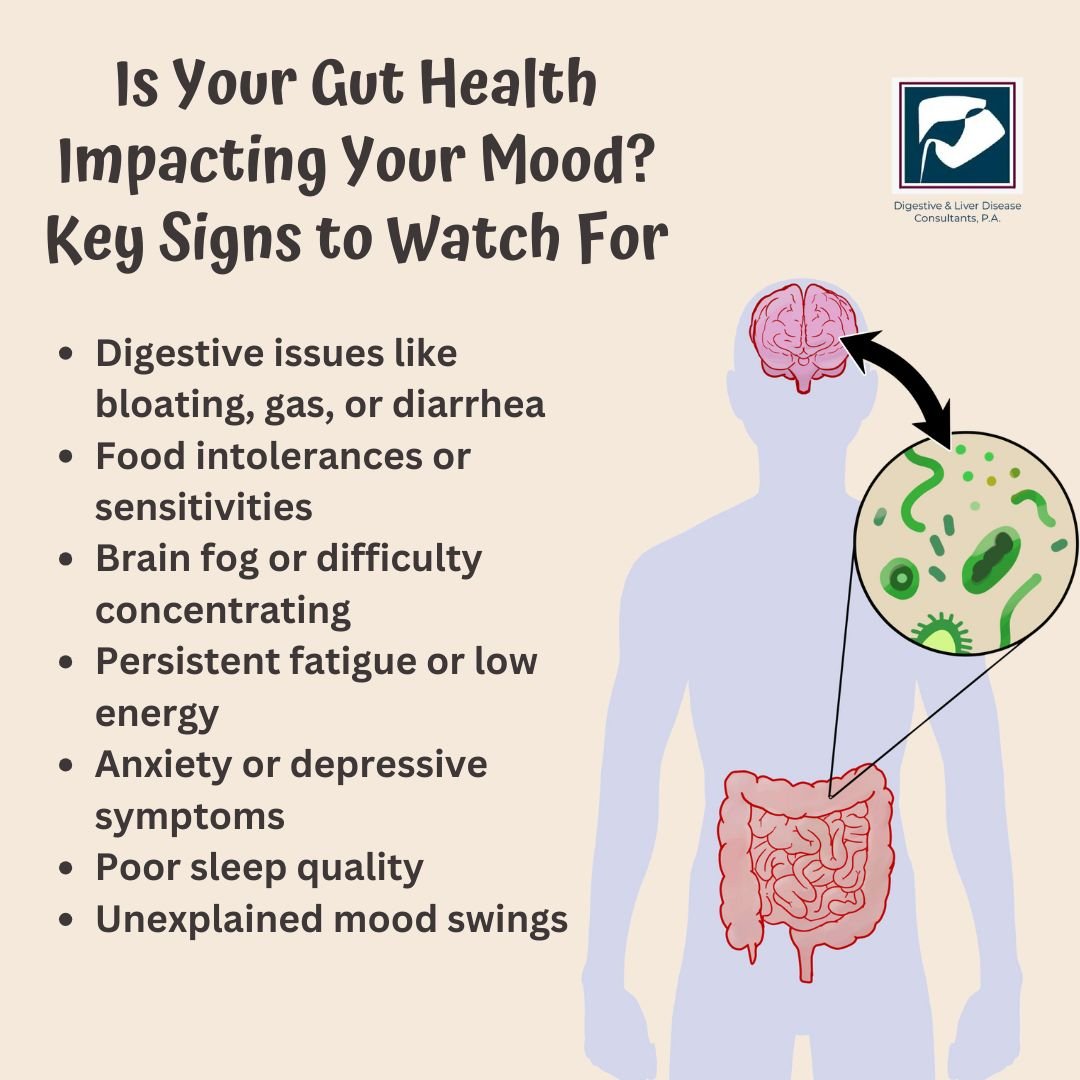
Source : gimed.net
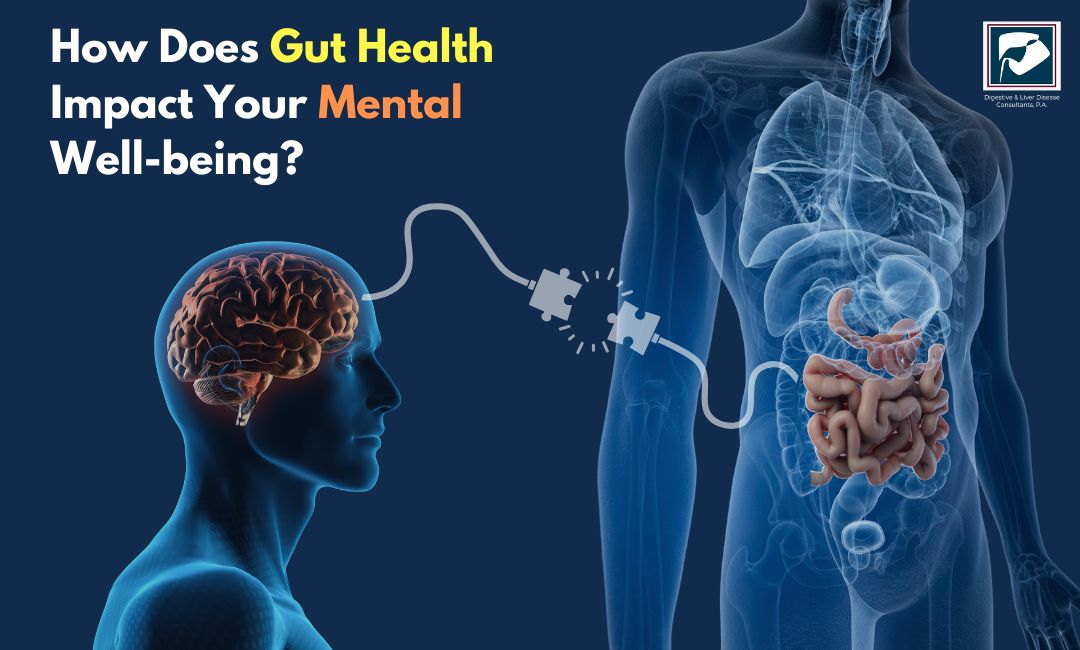
Seriously. That squishy, churning organ down south? It’s got a direct hotline to your brain. And when it’s out of whack, your thinking gets fuzzy, your focus tanks, and your memory feels like it’s on vacation. It’s not magic; it’s science. This isn’t some fringe theory anymore. We’re talking about thegut-brain coection. And it’s way more important than you probably think.
Let’s break down how this whole gut-brain thing works and what you can do to clear the cobwebs. Forget the fancy jargon; we’re going to talk real talk. Because nobody has time for brain fog.
The Gut’s Secret Weapon: Your Microbiome
Think of your gut as a bustling city. It’s not just you in there. It’s packed with trillions of microscopic residents: bacteria, fungi, viruses – the whole gang. This microscopic community is called yourgut microbiome. And it’s not just hanging out; it’s working hard.
These tiny workers do a TON for you. They help break down food, make essential vitamins (like K and some B vitamins), train your immune system, and even protect you from nasty pathogens. They’re basically your internal health squad. But here’s the kicker: they also talk to your brain. A lot.
How? Well, they produceneurotransmitters – the same chemical messengers your brain uses. We’re talking serotonin, dopamine, GABA. Yep, the feel-good chemicals. More serotonin in your gut means a better mood and less anxiety. And guess what? A huge chunk of your body’s serotonin is actually made in your gut, not your brain.
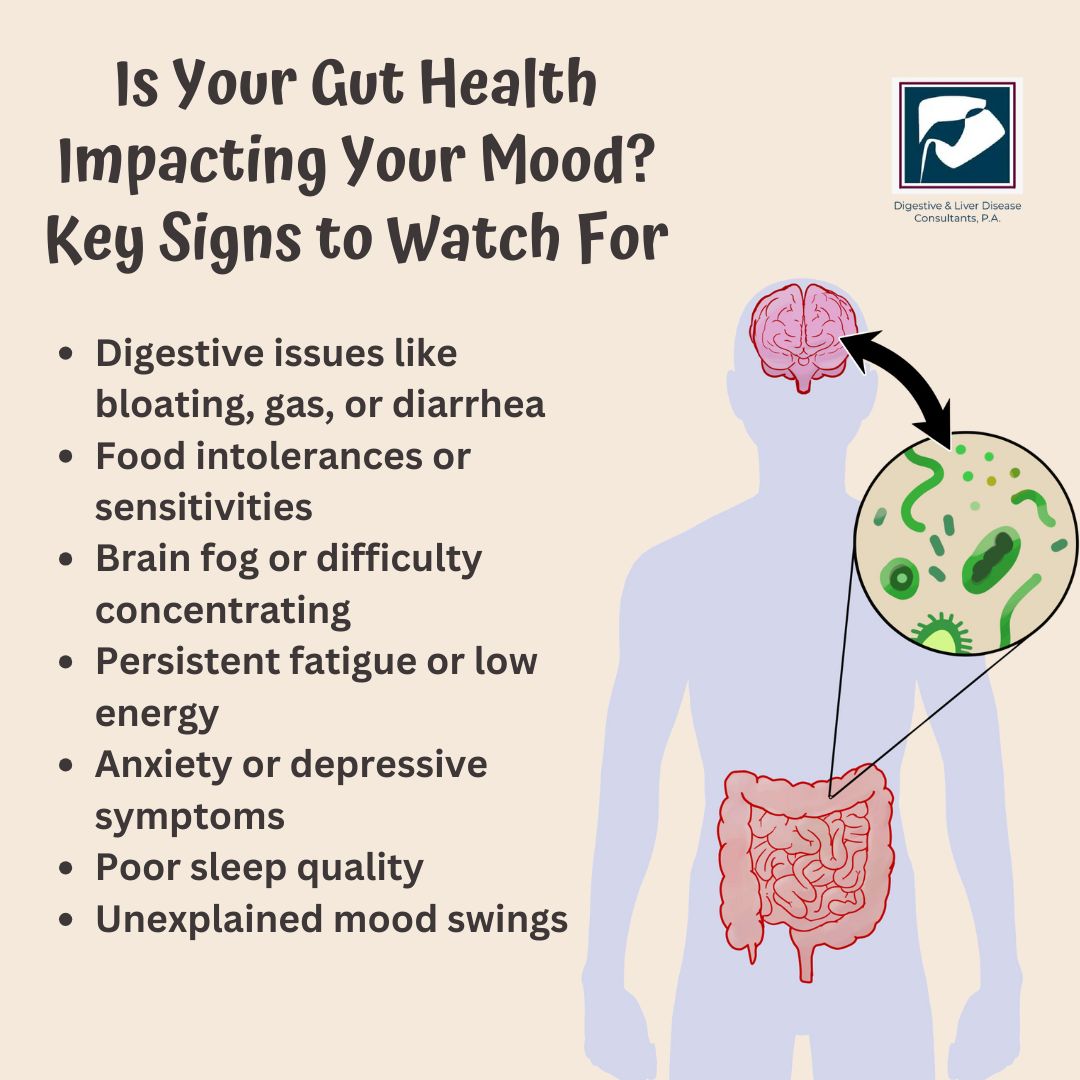
Source : gimed.net
When this gut city is thriving – with a diverse, balanced population of microbes – things run smoothly. Your digestion is good, your mood is stable, and your brain feels sharp. But when the balance is off? When the ‘bad guys’ start outnumbering the ‘good guys’ (this is calleddysbiosis), chaos erupts. And that chaos can absolutely wreck your mental clarity.
When Your Gut Screams, Your Brain Hears Fog
So, how does a grumpy gut translate to a foggy brain? It’s a two-way street, but let’s focus on the gut-to-brain highway for clarity issues. Inflammation is a massive player here.
When your gut lining gets damaged – maybe from a poor diet, stress, or antibiotics – it becomes more permeable. Think of it like a security fence with holes. This lets undigested food particles, toxins, and inflammatory molecules ‘leak’ into your bloodstream. Your body’s immune system freaks out, flags these as invaders, and launches an inflammatory response. It’s like a fire alarm going off constantly.
This systemic inflammation doesn’t just stay in your gut. It travels. And it can reach your brain, crossing the blood-brain barrier. Once there, it can disruptneurotransmitter function, impair communication between brain cells, and even damage neurons over time. That’s a recipe for brain fog, forgetfulness, and feeling generally mentally sluggish.
Also, those helpful microbes we talked about? When they’re imbalanced, they can produce inflammatory compounds or byproducts that directly impact brain function. It’s a cascade effect. Your gut is inflamed, signaling your brain that something’s wrong, and your brain responds by… well, not working at its best. It’s like trying to focus in a room where the smoke alarm is blaring.
The Vagus Nerve: Your Gut’s Direct Phone Line
There’s a major player in this gut-brain conversation: the vagus nerve. This is thelongest cranial nerve, stretching all the way from your brainstem down to your abdomen. It acts like a superhighway, transmitting signals in both directions between your gut and your brain.
Your gut microbes can actually influence the signals sent along the vagus nerve. Studies suggest they can impact mood, stress response, and even cognitive function through this direct line. It’s a pretty wild coection. Imagine your gut microbes sending tiny little text messages directly to your brain via this nerve. Pretty powerful stuff.
When your gut is happy and healthy, the vagus nerve signals can promote relaxation and well-being. But when your gut is inflamed or dysbiotic, the signals can become disruptive, contributing to feelings of anxiety, low mood, and yes, that dreaded mental fog. This direct communication pathway is a huge reason whygut health impacts mental clarity so profoundly.
Diet: The Gut’s Best Friend (or Worst Enemy)
Okay, so we know the gut is crucial. How do we keep it happy? Diet, diet, diet. What you eat literally feeds your gut microbes. Think of it as deciding who gets invited to the party in your gut city.
Source : drnishargpatelgastro.com
Fiber is King. Seriously, load up on fruits, vegetables, whole grains, and legumes. These provide the food (prebiotics) for your beneficial gut bacteria. They ferment fiber, producing short-chain fatty acids (SCFAs) like butyrate. Butyrate is like gold for your gut lining – it helps repair it and reduces inflammation. Plus, SCFAs have anti-inflammatory effects that travel systemically, benefiting your brain too. Aim for25-30 grams of fiber daily.
Diversity Matters. Eat a wide variety of plant-based foods. The more different types of plants you eat, the more diverse your microbiome will be. Aim for 30 different plant types per week if you can! Think different colors of fruits and veggies, nuts, seeds, herbs, and spices. A diverse microbiome is a resilient microbiome.
Fermented Foods are Your Allies. Foods like yogurt (with live cultures), kefir, sauerkraut, kimchi, and kombucha are packed with probiotics – live beneficial bacteria. Regularly consuming these can help introduce good microbes into your gut and support a healthy balance. Just make sure to check labels for added sugars!
What to Limit (or Avoid):
- Processed Foods & Sugars: These tend to feed the ‘bad’ bacteria and yeast, promoting inflammation and dysbiosis. That sugary cereal? Might be contributing to your brain fog more than you realize.
- Artificial Sweeteners: Some research suggests they can negatively alter your gut microbiome.
- Excessive Alcohol: It can disrupt the gut lining and kill off good bacteria.
- Uecessary Antibiotics: While lifesavers when needed, they wipe out both good and bad bacteria. Only use them when prescribed by a doctor.
Focusing on a whole-foods, plant-rich diet is probably the single most effective strategy for improvinggut health and, by extension, mental clarity.
Stress: The Gut’s Arch Nemesis
Ah, stress. We all deal with it. But chronic stress is a gut-wrecker. When you’re stressed, your body releases cortisol. Short-term, this is fine. Long-term, it wreaks havoc.
Cortisol can directly impact gut motility (how food moves through), increase gut permeability (‘leaky gut’), and alter the composition of your microbiome. It essentially primes your gut for inflammation and imbalance. And remember that feedback loop? A stressed gut sends more stress signals back to the brain, creating a vicious cycle.
Managing stress isn’t just about feeling calmer; it’s crucial for maintaining a healthy gut and, therefore, clear thinking. Simple practices likedeep breathing exercises, meditation, yoga, spending time in nature, or even just setting better boundaries can make a huge difference. Find what works for you and make it a non-negotiable part of your routine.
Sleep: The Ultimate Gut Reset
You can’t cheat sleep and expect your brain or your gut to perform optimally. Sleep is when your body repairs itself, and that includes your gut lining and your microbiome.
Source : ihealthlabs.com

Lack of sleep is linked to increased inflammation, impaired gut barrier function, and shifts in microbial diversity. It’s basically a stressor on your gut. If you’re consistently getting less than 7-8 hours of quality sleep, you’re probably sabotaging your gut health and contributing to your brain fog. Prioritizingconsistent, quality sleep is as important as diet for cognitive function.
The Brain-Gut Coection: It’s Real, Folks.
The science is undeniable. Your gut and brain are constantly communicating. And the health of your gut microbiome plays a starring role in how clearly you think, how focused you feel, and how sharp your memory is. This intricate relationship, often called thegut-brain axis, is central to overall well-being.
Ignoring your gut health means you’re likely leaving mental clarity on the table. It’s like trying to drive a race car with flat tires – it’s just not going to perform. The research highlights this coection consistently. As noted by Johns Hopkins Medicine, thegut-brain coection is a dynamic pathway influencing everything from mood to cognition. And Harvard Health points out how this link can contribute to both digestive and mental health issues.
So, what’s the takeaway? If you’re struggling with brain fog, pay attention to your gut. Clean up your diet, manage your stress, prioritize sleep, and consider adding some gut-friendly foods. You might be surprised at how much sharper your thinking becomes. It’s not just about feeling good physically; it’s about feelingmentally sharp and clear.
Your brain will thank you. And frankly, so will your to-do list.
Frequently Asked Questions
-
How exactly does my gut affect my brain?
It’s all about communication! Your gut and brain are constantly talking via the vagus nerve and chemical signals. Your gut microbes produceneurotransmitters like serotonin, which influence mood and focus. Plus, an unhealthy gut can causeinflammation that travels to your brain, leading to fog.
-
What is the gut-brain axis?
Think of thegut-brain axis as a two-way highway coecting your digestive system and your central nervous system. It allows your gut and brain to constantly send signals back and forth, influencing everything from your digestion to your mood and cognitive functions. It’s acritical coection.
-
Can 'bad' gut bacteria cause brain fog?
Absolutely. When you have an imbalance of gut bacteria, known asdysbiosis, the ‘bad’ bacteria can produce toxins and inflammatory compounds. These can enter your bloodstream, reach your brain, and mess with its function, leading directly to that feeling of mental fogginess and poor concentration.
-
What foods help improve gut health and mental clarity?
Focus onfiber-rich foods like fruits, vegetables, and whole grains – they feed your good gut bacteria. Also, incorporate fermented foods like kefir, sauerkraut, and kimchi forprobiotics. Reducing processed foods and sugar is key too!
-
How does stress impact my gut and my thinking?
Stress is a killer for your gut. When you’re stressed, your body pumps out cortisol, which can damage your gut lining, alter your microbiome, and increase inflammation. Thisgut distress sends signals back to your brain, making you feel more stressed and less mentally clear. It’s a nasty cycle.