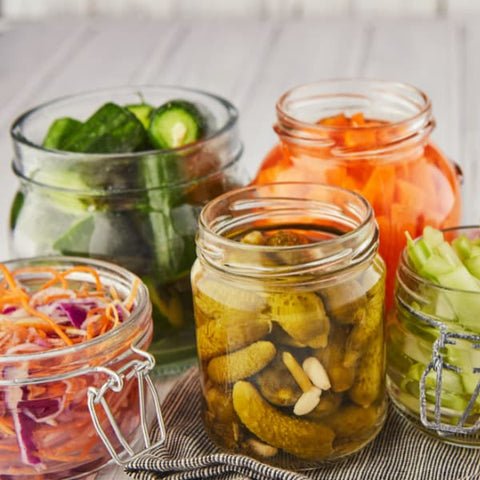
Fermented Foods: They’re Back, Baby!
Remember when your grandma’s kitchen smelled faintly of something… tangy? Like maybe that sauerkraut bubbling away in a crock? Yeah, that whole scene might have seemed a bit old-fashioned, a relic of a bygone era. But guess what? It’s all coming back, and honestly, it’s about damn time. We’re talking about fermented foods, and they’re not just making a comeback; they’re staging a full-blown invasion. Forget fleeting trends; this is a deep-rooted shift, a rediscovery of ancient wisdom for our modern, often-gut-challenged lives.

Source : realalcoholfree.com
Think about it. For centuries, before refrigerators and sterile packaging, fermentation was the way to preserve food. It was ingenious. Bacteria, yeast – nature’s little helpers – transformed simple ingredients into something complex, flavorful, and, crucially, longer-lasting. Pickles, cheese, bread, beer, wine, yogurt… the list is ridiculously long. These weren’t just ‘foods’; they were survival tools, cultural cornerstones.
But then came the industrial food revolution. Everything got pasteurized, homogenized, and shipped around the world. Freshness was prioritized over fermentation’s subtle magic. We traded tangy sourdough for spongy white bread, probiotic-rich kimchi for bland, mass-produced pickles. Our guts, it turns out, have been missing out. Big time.
Why the Sudden Obsession? Gut Health, Duh.
Let’s cut to the chase. The primary driver behind this fermented food renaissance? Gut health. It’s the buzzword of the decade, and for good reason. Our guts are teeming with trillions of microorganisms – the microbiome. It’s a complex ecosystem, and when it’s out of whack, well, everything else can feel out of whack too. We’re talking digestive issues, mood swings, weak immunity, the works.
And what feeds this crucial ecosystem? Probiotics. Live bacteria and yeasts that are good for you. Where do you find them in abundance? Bingo. Fermented foods.
It’s not just about popping a supplement pill, either. Eating whole, fermented foods offers a broader spectrum of beneficial compounds. It’s like the difference between taking a vitamin pill and eating a rainbow of fruits and vegetables. You get the whole package, the full beneficial payload.
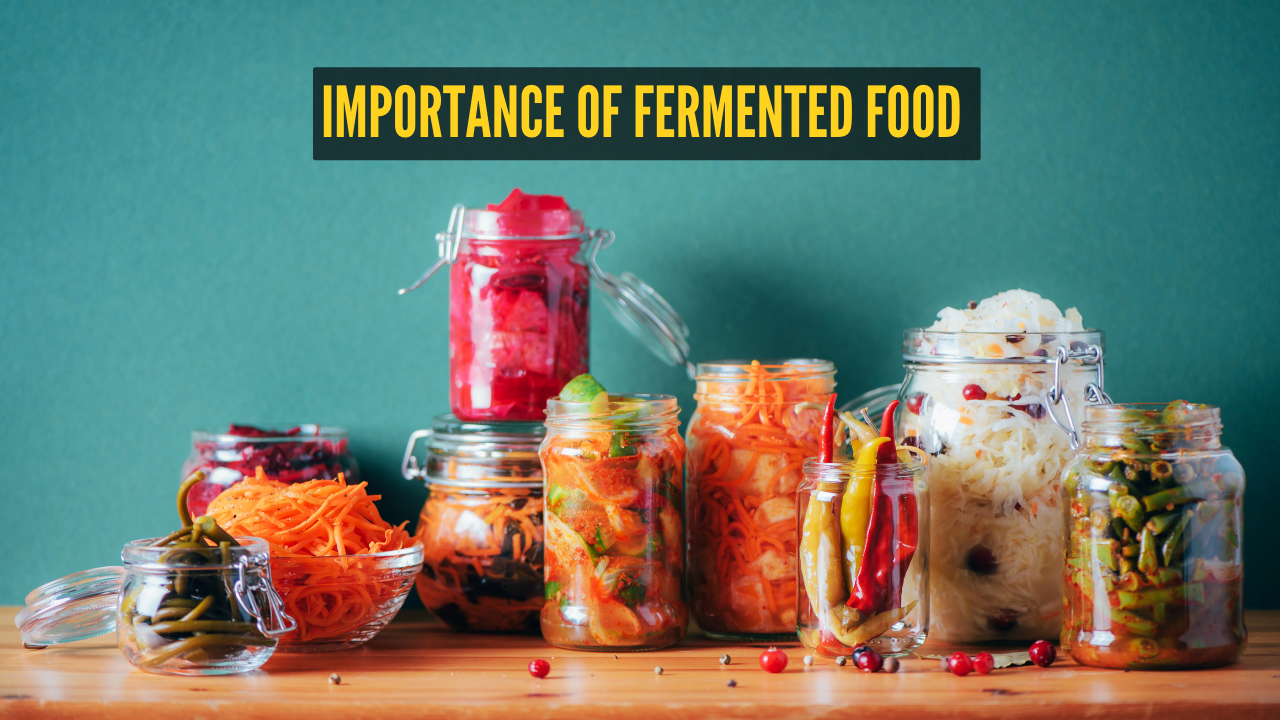
Source : timesofindia.indiatimes.com
A Taste of Tradition: From Ancient Roots to Modern Plates
This isn’t some newfangled invention. Humans have been fermenting stuff since, well, forever. Think about the earliest civilizations. They figured this out naturally. It was a trial-and-error process, sure, but they landed on something incredibly valuable. They were essentially creating ‘superfoods‘ long before the term was even coined.
Historically, fermentation was about preservation, yes, but it was also about enhancing nutritional value. Microbes break down complex compounds, making nutrients more bioavailable. They can even synthesize certain vitamins. It’s a win-win. You preserve food, make it taste better, and make it healthier. Pretty smart, right?
Now, fast forward to today. We’ve got folks rediscovering these age-old techniques. Online communities are buzzing. People are sharing recipes for kimchi, kombucha, kefir, and sourdough starters like they’re sharing lottery numbers. It’s a grassroots movement, fueled by a desire for real, whole foods and a growing distrust of overly processed options.
This movement is happening globally. In India, for instance, there’s a noticeable surge in interest. People are looking back at traditional fermented staples like idli, dosa, and yogurt, recognizing their intrinsic health benefits. It’s a beautiful blend of respecting heritage and embracing modern health science. It really shows how ancient practices are proving their worth once again. You can read more about this resurgence in places like this interesting piece.
The Fermentation Stars: Your Gut’s Best Friends
So, what are the heavy hitters in this comeback tour? Which fermented foods are leading the charge?
Yogurt and Kefir: These dairy darlings are probably the most familiar. Packed with probiotics, they’re great for digestion. Look for plain, unsweetened varieties to avoid added sugars. Full-fat versions are often more satisfying and can be beneficial for gut health too.
Sauerkraut and Kimchi: These fermented cabbage wonders are kimchi’s tangier, less spicy cousins (or vice versa, depending on your perspective!). They’re loaded with probiotics, vitamins C and K, and fiber. Kimchi, in particular, offers a spicy kick and a complex flavor profile that’s incredibly addictive. Just a small serving can make a big difference to your gut.
Kombucha: This fizzy, fermented tea drink has exploded in popularity. It’s got that sweet-and-sour tang and a pleasant effervescence. While the probiotic content can vary, it’s generally considered a gut-friendly beverage. Just watch out for the sugar content in some commercial brands.
Miso and Tempeh: These soy-based powerhouses are staples in many Asian cuisines. Miso, a fermented paste, is fantastic in soups and marinades. Tempeh, a fermented soybean cake, has a firm texture and nutty flavor, making it a great meat substitute. They offer protein and probiotics.
Source : tribuneindia.com
Sourdough Bread: Forget those bland, mass-produced loaves. Real sourdough, made with a starter and a long fermentation process, is easier to digest and contains beneficial bacteria. The fermentation process breaks down gluten and phytic acid, making nutrients more available.
Pickles (the Right Kind): Not all pickles are created equal. We’re talking about naturally fermented pickles, brined in salt and water, not drowned in vinegar. Look for them in the refrigerated section – they’ll be cloudy with live cultures.
DIY Fermentation: Get Your Hands Dirty (Literally)
One of the most exciting parts of this trend? People are getting back to making their own. Home fermentation is booming. Why? It’s cheaper, you control the ingredients (no weird additives!), and there’s a deeply satisfying feeling that comes from creating something delicious and healthy with your own two hands. It’s like a culinary superpower.
You don’t need a fancy lab or ancient secrets. Most home fermentation is surprisingly simple. Need a starter for sourdough? Just flour and water, left to mingle. Want to make sauerkraut? Cabbage and salt. Kefir grains? Find someone who has them (they multiply!) or buy a starter kit. It’s way less intimidating than you might think. This whole idea of home fermentation is really catching on.
Starting small is key. Maybe try a simple brine pickle or a small batch of sauerkraut. There are tons of online resources, books, and supportive communities ready to guide you. Don’t be afraid to experiment. Some batches might be… learning experiences. (Trust me, I’ve made some truly spectacular flops.) But the successes? They’re incredibly rewarding. Plus, you’ll never look at a jar of store-bought pickles the same way again.
Beyond Gut Health: The Ripple Effect
Okay, so gut health is the big headline, but the benefits don’t stop there. Fermented foods have a ripple effect across your entire well-being.
Boosted Immunity: A healthy gut is closely linked to a strong immune system. A significant portion of your immune cells reside in your gut lining. Feeding your microbiome means you’re essentially fortifying your body’s first line of defense.
Improved Nutrient Absorption: As mentioned, fermentation makes nutrients more bioavailable. That means your body can actually use more of the good stuff from your food. Vitamins, minerals – they’re more readily absorbed when delivered via fermented sources.
Mood Enhancement: Ever heard of the gut-brain axis? It’s a real thing. Your gut microbes produce neurotransmitters, like serotonin, that influence your mood. A balanced gut microbiome can contribute to a more stable mood and even reduce feelings of anxiety.
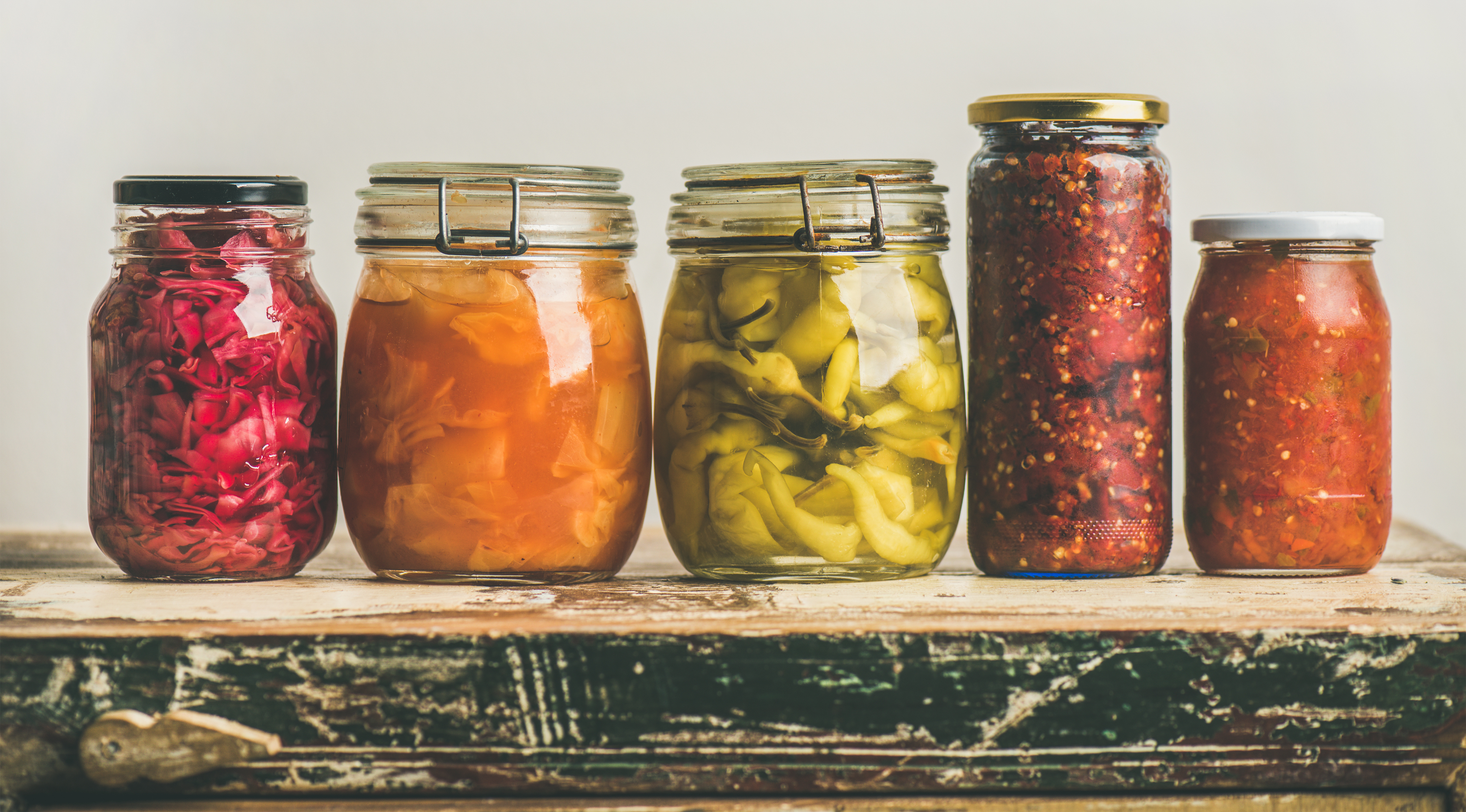
Source : zoe.com
Weight Management: Some studies suggest that a healthy gut microbiome can play a role in regulating appetite and metabolism. Fermented foods, often rich in fiber and protein, can also contribute to feelings of fullness, potentially aiding in weight management efforts.
Enhanced Flavor: Let’s not forget the taste! Fermentation creates complex, umami-rich flavors that processed foods simply can’t replicate. That tangy, savory depth adds a whole new dimension to your cooking. It’s food that tastes alive.
The Future is Fermented
So, are fermented foods just a passing fad? Absolutely not. This is a fundamental shift back towards how humans have eaten for milleia. It’s a recognition that nature, with a little help from microbes, knows best.
We’re more aware of our health than ever. We’re looking for natural solutions. We’re seeking out real, whole foods that nourish us from the inside out. And fermented foods tick all those boxes. They offer a tangible, delicious way to improve our health, coect with our food, and maybe even rediscover a bit of that ancestral wisdom.
Don’t be shy. Dip your toes in. Try a spoonful of kimchi. Add some yogurt to your smoothie. Experiment with making your own sauerkraut. Your gut will thank you. And who knows, you might just get hooked on that tangy, vibrant flavor of food that’s truly alive.
Frequently Asked Questions (And Our Honest Answers)
What are the super six foods for gut health?
Ah, the ‘super six’! While there’s no single official list, if we’re talking about the heavy hitters for gut health, I’d definitely put these at the top: yogurt (look for live cultures!), kefir (even more potent than yogurt), sauerkraut (unpasteurized, of course), kimchi (that spicy Korean cabbage!), kombucha (the fizzy tea), and miso (great for soups and marinades). These all bring serious probiotic power to the table. Eat a variety, though; the more diverse your gut bugs, the better!
Is all fermented food good for you?
Pretty much, yeah. The process itself breaks down compounds, making nutrients easier to digest and absorb. Plus, you get those beneficial microbes. However, be mindful of added sugars, especially in things like kombucha and some yogurts. And for things like sourdough, the fermentation process needs to be done correctly to get the full benefits. But generally, if it’s naturally fermented, it’s a win.
How do I start eating more fermented foods?
Easy does it! Start small. Don’t chug a whole bottle of kombucha on day one – you might get, uh, active. Try a tablespoon of sauerkraut with your dier, a small serving of kimchi, or swap your regular yogurt for kefir. Gradually increase the amount as your body adjusts. Listen to your gut (literally!).
Can I make fermented foods at home?
Absolutely! It’s super rewarding and way cheaper. Think sauerkraut (just cabbage and salt!), kimchi, yogurt, kefir, even kombucha. You just need basic ingredients and a little patience. Plenty of online resources can walk you through it. It’s less complicated than people think, and the results are delicious.
What’s the difference between fermented and pickled foods?
Great question! Pickling often uses vinegar to preserve food, which doesn’t introduce the beneficial bacteria. True fermentation uses salt and water (a brine) or its own juices, allowing lactic acid bacteria to thrive. That’s where the probiotics come from. So, fermented pickles = good bacteria. Vinegar pickles = mostly just tangy flavor.
Will eating fermented foods cure my digestive problems?
Look, fermented foods can definitely help improve digestion and gut health for many people. They introduce beneficial bacteria and enzymes that aid the process. But they’re not a magic bullet for every single digestive issue. If you’ve got serious problems, definitely see a doctor. But incorporating these foods is a fantastic step towards a happier gut.