Gut Health: Unlocking Your Inner Ecosystem
Forget just eating your veggies. We’re talking about a whole universe living inside you. Yeah, your gut. It’s not just about digestion anymore; it’s the command center for pretty much everything. Your mood? Your immune system? Even your weight? It all circles back to the trillions of tiny critters partying in your intestines. Let’s dive into this microbiome frontier and see what’s really going on in there.
Source : frontiersin.org
The Gut Feeling: It’s Science, Not Just Hype

Source : medicaldaily.com
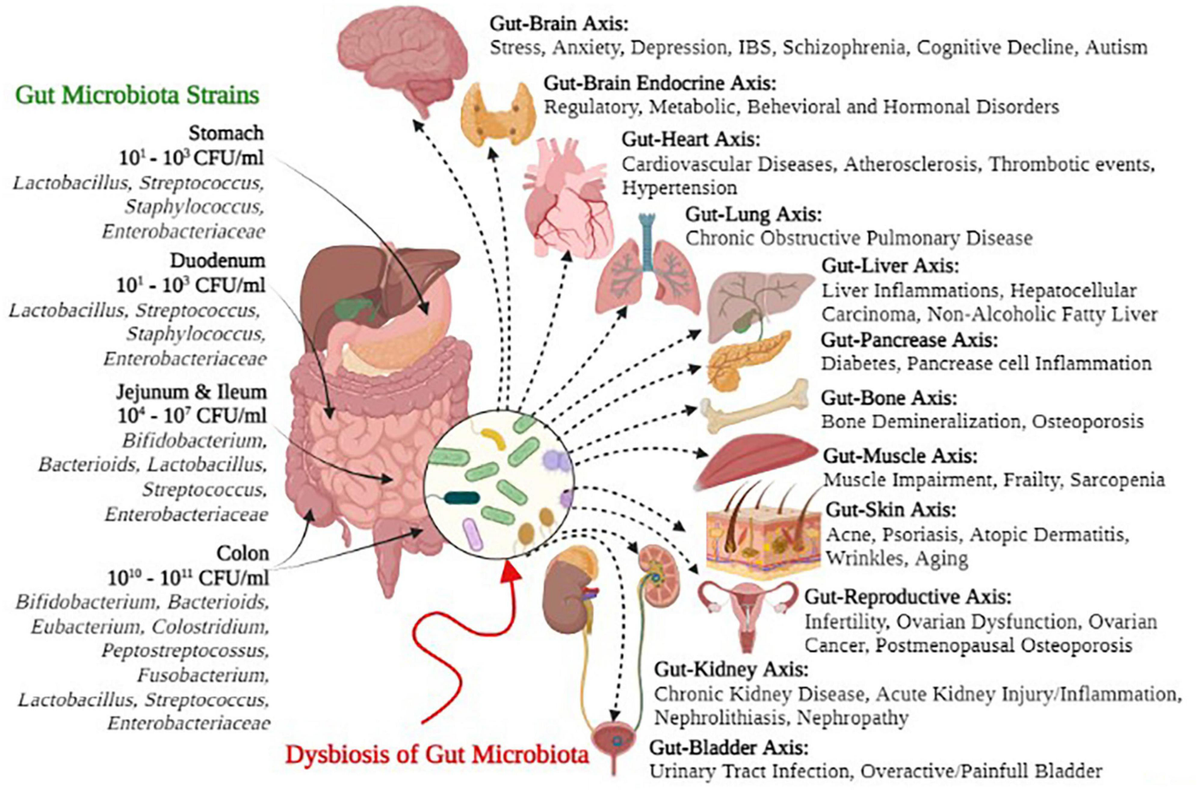
You know that “gut feeling” you get? Turns out, it’s not just some airy-fairy concept. Your gut and brain are literally connected, talking to each other 24/7 through what’s called the gut-brain axis. It’s a two-way street. Stress? It messes with your gut bacteria. Bad gut bacteria? They can send signals that make you feel anxious or down. Crazy, right? This isn’t some fringe theory; scientists are digging deep into this, and the findings are wild.
Think of your gut like a bustling city. You’ve got the good guys (beneficial bacteria) keeping things in order, digesting food, and fighting off the troublemakers. Then you have the bad guys, and if they start to take over, chaos ensues. This imbalance, called dysbiosis, is linked to a shocking number of health issues, from IBS and Crohn’s to even depression and obesity. It’s a complex ecosystem, and keeping it balanced is key.
Meet Your Microbes: The Tiny Tenants

Source : amazon.com
Who are these microscopic residents? Billions of bacteria, viruses, fungi, and other microbes call your digestive tract home. They’re not just freeloaders; they’re essential workers. They help break down food your body can’t digest on its own, like certain fibers. Plus, they crank out vital nutrients, like B vitamins and vitamin K. Seriously, you’d be toast without them. The diversity of these microbes is super important for overall health.
Your unique mix of microbes starts forming right after birth and continues to evolve throughout your life. Diet plays a massive role, obviously. But so do things like antibiotics (which can wipe out the good guys along with the bad), stress levels, and even where you live. It’s a personal microbial fingerprint, unique to you.
Why Everyone’s Talking About Gut Health Now
Source : nafc.org
So, why the sudden explosion of interest? For years, we mostly treated the gut as a simple pipe. But then, technology advanced, and we could finally “see” this hidden world. Researchers started mapping out the microbial communities and, boom, the links to health started showing up everywhere. It’s like discovering a whole new organ system. We’re talking about understanding diseases at their root cause, not just treating symptoms. This is a paradigm shift in how we approach wellness.
The science is still evolving, but the evidence is piling up fast. It’s no longer just about eating yogurt for probiotics. We’re looking at targeted interventions, personalized nutrition, and a whole new understanding of how our internal microbial balance impacts our physical and mental well-being. It’s an exciting, and frankly, pretty overwhelming, new frontier.
Quick Hits: Your Gut Health Cheat Sheet
Source : etsy.com
The Gut-Brain Connection
This is huge. Your gut bacteria influence your mood, stress response, and even cognitive function. Feeling anxious? Your gut might be trying to tell you something. It’s a constant two-way conversation.
Immune System Powerhouse
Did you know a massive chunk of your immune system resides in your gut? A healthy microbiome trains your immune cells to know friend from foe. Poor gut health is often linked to autoimmune issues.
Digesting More Than Food
Your microbes help break down fibers and produce vitamins your body can’t make alone. Think of them as tiny chefs and nutrient factories working around the clock. They’re essential for nutrient absorption.
Metabolism and Weight
Different gut bacteria can affect how your body stores fat and regulates blood sugar. It’s not the only factor in weight, but it’s a surprisingly significant piece of the puzzle.
Mental Clarity
Beyond mood, the gut microbiome impacts focus and memory. Some studies even suggest links between gut health and neurological conditions. It’s all about that microbial signaling.
Skin Health
Yep, even your skin. Conditions like acne and eczema have been linked to gut imbalances. It’s a clear example of how internal health reflects outwardly.
This whole microbiome thing is mind-blowing, right? We’re just scratching the surface, but understanding these tiny organisms living inside us is the key to unlocking a whole new level of health. For a deeper dive into the science, check out the extensive research on gut microbiome research.
Personalized Nutrition Eating for Your Specific DNA
Source : pallaviqslimfitness.com
DNA Diet Myths vs. Reality
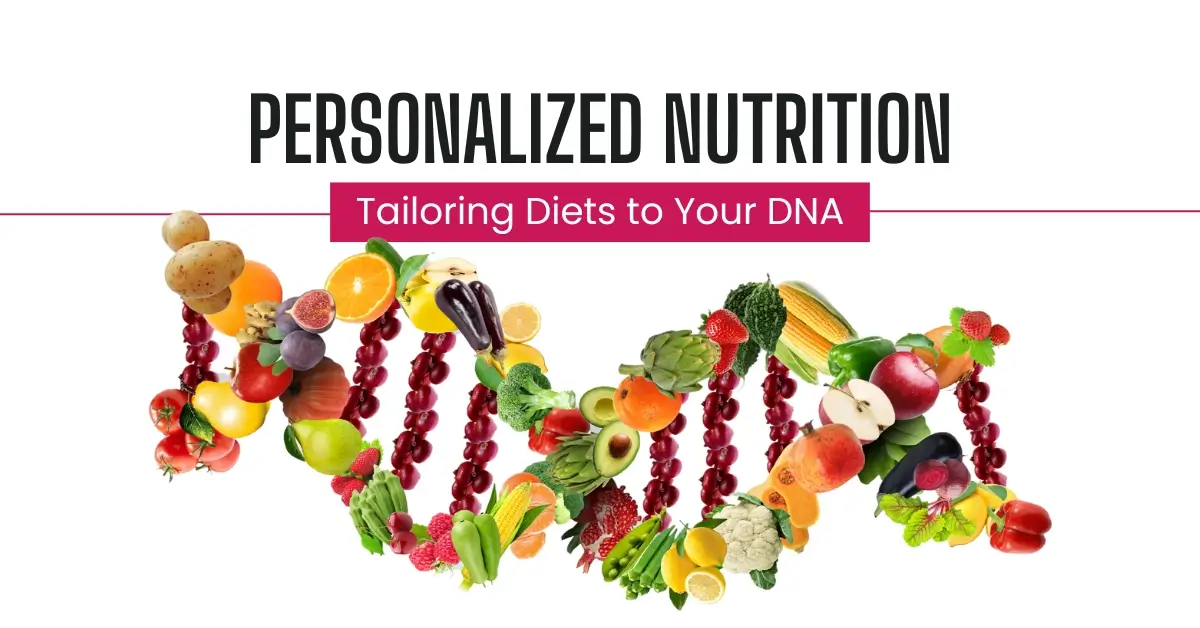
So, you’ve probably heard about eating for your genes, right? It sounds fancy, like something only movie stars do. But let’s be real, the whole DNA diet thing is still a bit of a wild west. While your genes absolutely play a role in how you process certain foods, it’s not like you’re going to get a secret menu handed to you based on your DNA alone. Think of it more like getting a general clue, not a complete roadmap. The science is still catching up, and honestly, focusing on whole, unprocessed foods is usually a safer bet for most people, regardless of their genetic makeup. It’s complicated, and frankly, sometimes the marketing hype outruns the actual science.
Can Your Genes Tell You What to Eat?
Here’s the deal: your genetic predispositions can hint at how you might respond to things like caffeine or how efficiently you might process certain fats. But these are tendencies, not destiny. If your DNA says you’re predisposed to not digest lactose well, but you’ve been drinking milk your whole life with zero issues, what does that tell you? It tells you that your gut microbiome, your lifestyle, and a million other factors are more powerful players than a single gene variation. It’s like knowing it might rain tomorrow versus seeing the storm clouds literally overhead. One is a possibility, the other is happening.
Beyond the Hype: What Science Actually Says
Look, if you’re curious, a gut health test might give you some interesting data points. But don’t go tossing out your entire pantry based on it. The idea that you can get a perfect “eat this, not that” list from your DNA is largely a myth right now. What’s more likely is that you’ll get information that needs to be interpreted alongside your actual health status, your symptoms, and your current diet. It’s a piece of the puzzle, but it’s far from the whole picture. Seriously, it’s more about understanding your individual response than following rigid genetic rules.
The Rise of Postbiotics: What Comes After Probiotics
Source : frontiersin.org
Probiotics, Prebiotics, and Now… Postbiotics
We’ve all heard about probiotics – those live bugs in yogurt and supplements. Then came prebiotics, the food for those bugs. Now, hold onto your hats, because we’re talking postbiotics. These aren’t live organisms at all. They’re the beneficial byproducts that probiotics create when they munch on prebiotics. Think of them as the metabolic waste, but in a good way. They’re like the helpful notes left behind after a productive meeting. And guess what? These postbiotics are showing some serious promise for things like gut barrier function and reducing inflammation.
The Next Frontier in Gut Health
Why are postbiotics getting so much buzz? Because they sidestep some of the issues with probiotics. You don’t have to worry as much about whether the live bacteria will survive the harsh stomach acid or if they’ll even colonize your gut. Postbiotics are already the active compounds. They can be things like short-chain fatty acids (SCFAs) such as butyrate, which is like pure gold for your colon cells. It’s a more direct way to get the benefits without the hassle of keeping live cultures happy. This is a real step forward in microbiome science.
What Can Postbiotics Do For You?
Early research suggests postbiotics could help calm down an overactive immune response, support a healthy gut lining, and even have anti-inflammatory effects throughout the body. Imagine a product that gives you the benefits without needing to keep it refrigerated or worry about expiration dates. That’s the dream with postbiotics. While still a developing field, they represent a fascinating shift in how we think about supporting our internal ecosystem. It’s the next logical step after understanding the importance of the bugs themselves.
Fermented Foods: Making a Major Comeback

Source : realalcoholfree.com
Nostalgia Meets Science: Why Fermented Foods Are Back
Remember your grandma’s kimchi? Or that slightly tangy, effervescent kombucha that’s suddenly everywhere? Fermented foods aren’t just some ancient trend making a comeback; they’re having a serious moment in the spotlight, and for good reason. This isn’t just about flavor anymore. It’s about the incredible benefits these foods bring to your gut microbiome. They’re packed with naturally occurring probiotics and other beneficial compounds that our modern diets often lack. It’s like a direct download of gut-loving goodness.
The Stars of the Fermented Food Show
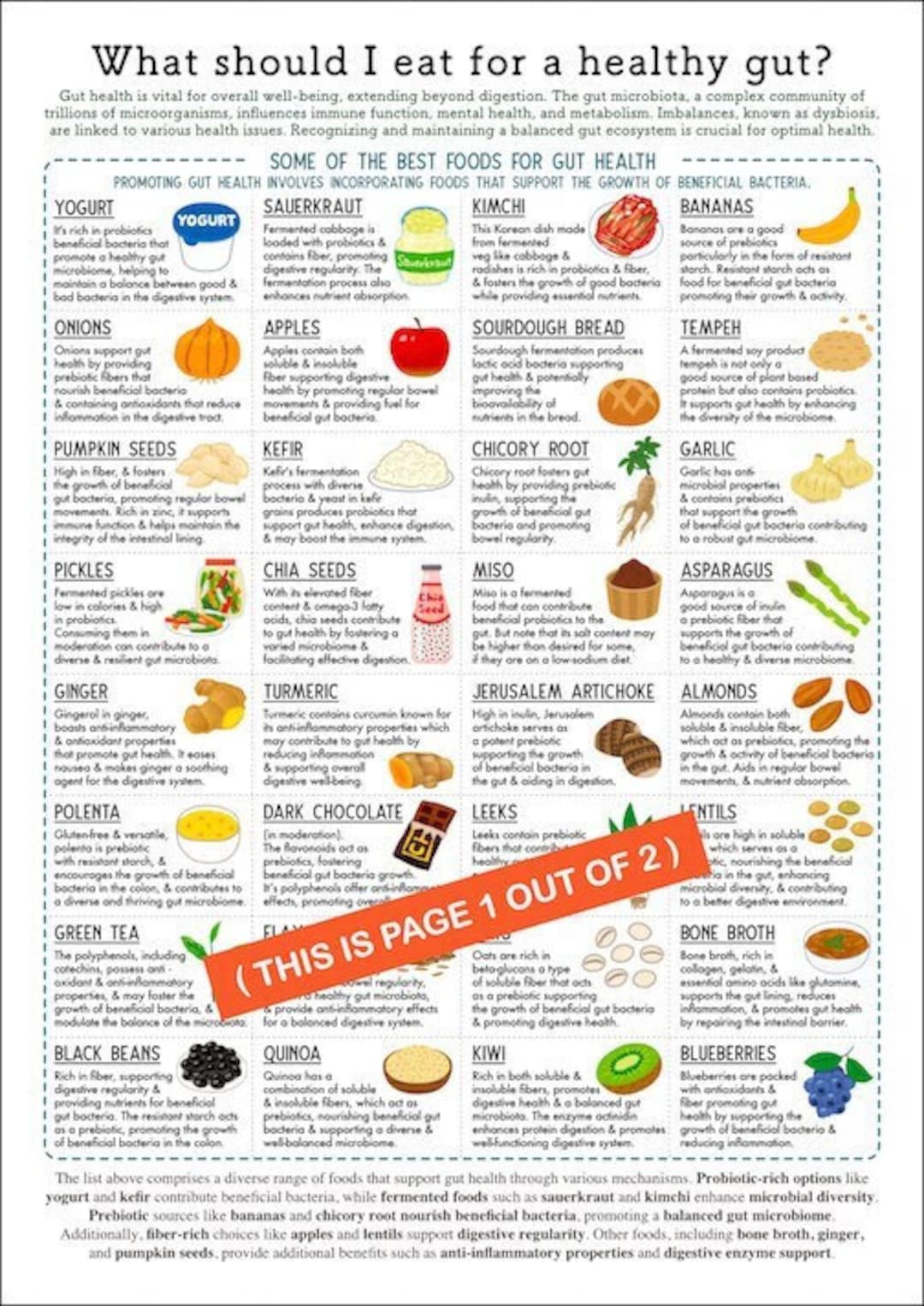
Let’s talk about the heavy hitters. You’ve got your sauerkraut, kimchi, kefir, yogurt (the real kind with live cultures, not the sugary stuff), miso, and tempeh. Each one offers a unique profile of beneficial bacteria. When you eat these, you’re not just feeding yourself; you’re introducing a diverse army of microbes to your gut. Plus, the fermentation process itself can make nutrients more bioavailable and easier to digest. It’s a win-win-win. Forget those expensive supplements; sometimes, the oldest traditions are the most effective.
Getting Started with Fermented Goodness
Dipping your toes into fermented foods is easy. Start small. Maybe add a spoonful of sauerkraut to your salad or try a glass of kefir with your breakfast. Don’t go overboard on day one, or you might have an… unpleasant experience. Your gut needs time to adjust. Gradually increase your intake and pay attention to how your body feels. You might be surprised at how much better you feel with these gut-friendly foods regularly on your plate. It’s an accessible way to boost your health.
How Gut Health Actually Impacts Your Mental Clarity
Source : gimed.net
The Gut-Brain Connection: It’s Real, People!
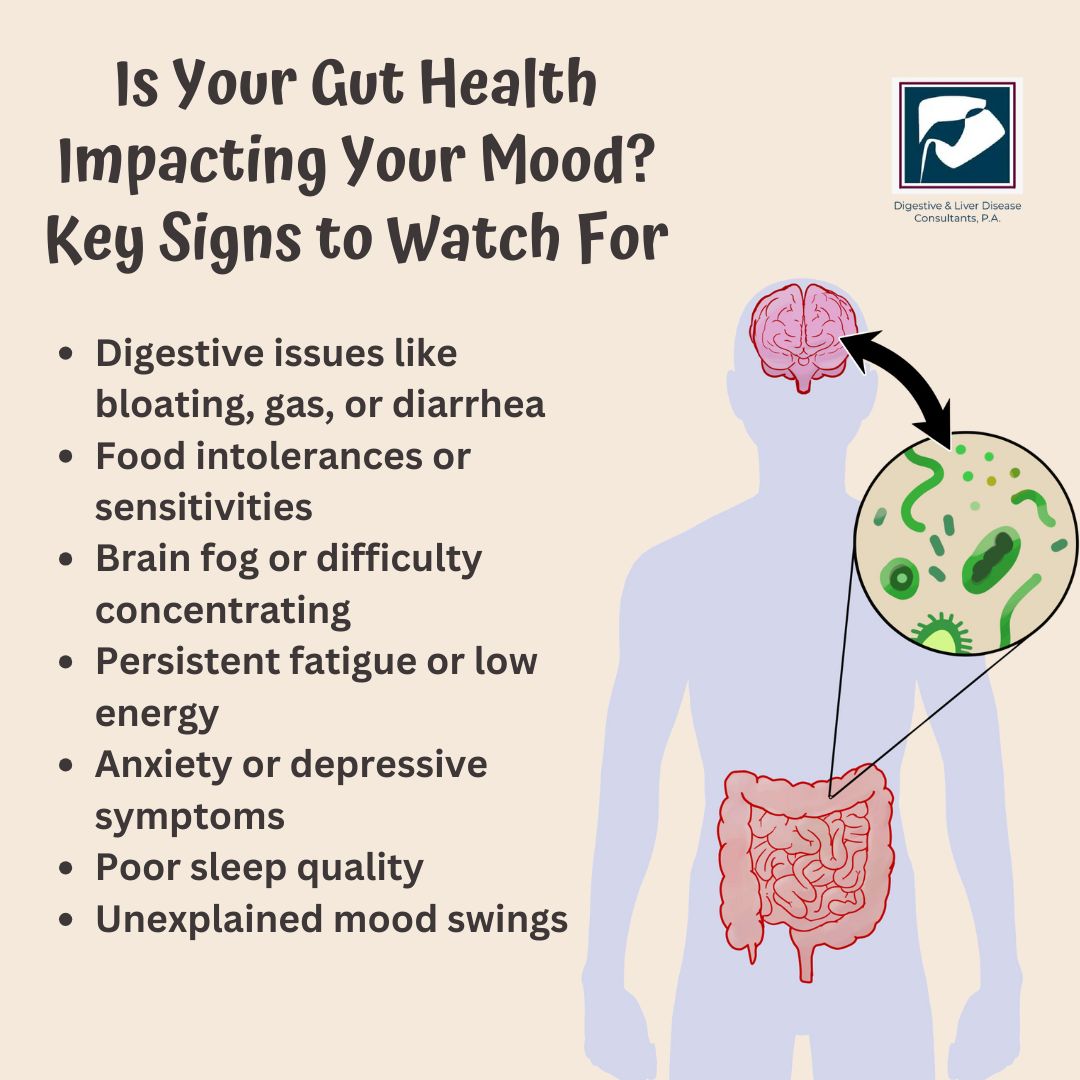
Ever get that “gut feeling”? Turns out, it’s not just a metaphor. The connection between your gut and your brain is incredibly strong – a two-way street often called the gut-brain axis. Billions of nerve cells in your gut communicate constantly with your brain. When your gut is out of whack, it doesn’t just affect your digestion; it can mess with your mood, your stress levels, and yes, your mental clarity. Think of it as your internal wiring getting crossed.
When Your Gut is Unhappy, Your Brain Suffers
An imbalanced gut microbiome can lead to increased inflammation, and inflammation is a known enemy of brain function. This can manifest as that foggy feeling, difficulty concentrating, or even symptoms of anxiety and depression. Neurotransmitters like serotonin, often called the “happy chemical,” are largely produced in the gut. If your gut bugs aren’t happy, they can’t produce enough of these crucial mood regulators. It’s why taking care of your digestive health is so vital for your overall well-being, including your brainpower.
Boosting Your Brainpower Through Your Gut
So, how do you leverage this connection? Focus on what makes your gut happy: a diet rich in fiber, fermented foods, and plenty of water. Reducing processed foods and sugar can also make a huge difference. Sometimes, even stress management techniques can directly impact your gut health, creating a positive feedback loop. It’s amazing how much better you can feel mentally when you finally sort out your digestive issues. Seriously, improving your gut health is one of the most effective ways to sharpen your mental focus.
At-Home Microbiome Testing Kits: Are They Accurate?

Source : innerbody.com
The Promise of Knowing Your Inner World
These at-home microbiome tests promise a window into the trillions of microbes living inside you. You spit or poop into a tube, mail it off, and get a report telling you which bacteria are thriving and which are MIA. Sounds amazing, right? It’s the ultimate personalized health insight. You’re supposed to get data that helps you fine-tune your diet and lifestyle for optimal gut health. Who wouldn’t want that level of detail about their own body?
Accuracy: Where Things Get a Bit Murky
Here’s the hard truth: the accuracy and clinical utility of many of these kits are still seriously debated within the scientific community. While the technology to sequence DNA from a sample is pretty advanced, interpreting that data? That’s the tricky part. Different labs use different methods, and the reference databases they compare your results against are constantly evolving. One study looking into the reliability of these tests found significant variations between kits, even when analyzing the same sample. For a deep dive into the research, you can check out scientific studies on microbiome testing.
What to Do With the Results?
Even if a kit gives you a snapshot, what does it mean? Most reports offer generic recommendations like “eat more fiber” or “reduce sugar.” These are pretty standard health tips that most people already know. The interpretation is often where the real value (or lack thereof) lies. Unless you’re working with a qualified healthcare professional who can integrate the test results with your full health picture, you might be paying a lot for information you can’t really use. For now, approach these gut testing kits with a healthy dose of skepticism.
| Food Type | Example | Potential Gut Benefit | Fermentation Type |
|---|---|---|---|
| Vegetables | Sauerkraut, Kimchi | Probiotics, Fiber, Vitamins K2 | Lactic Acid Fermentation |
| Dairy | Kefir, Yogurt (Live Culture) | Probiotics, Calcium, Protein | Lactic Acid & Yeast Fermentation |
| Legumes/Grains | Tempeh, Miso | Probiotics, Protein, Enzymes | Fungal Fermentation (Tempeh), Lactic Acid & Yeast (Miso) |
| Beverages | Kombucha, Water Kefir | Probiotics, Organic Acids | Bacterial & Yeast Fermentation |
Frequently Asked Questions
-
Is it really true that your gut health impacts your mood?
Yeah, it’s wild but totally true. Your gut and brain are constantly chatting. It’s called the gut-brain axis. If your gut bacteria are out of whack, it can mess with your neurotransmitters, like serotonin, which plays a huge role in how you feel. So, a happy gut often means a happier you. Taking care of your gut microbiome is seriously important for mental well-being.
-
What are the best foods for improving gut health?
Honestly, you want to load up on fiber-rich foods. Think fruits, veggies, whole grains, and legumes. Fermented foods like yogurt, kefir, sauerkraut, and kimchi are also gold because they introduce good bacteria. Also, don’t forget prebiotic foods like garlic, onions, and bananas, which feed those good bugs. Avoid tons of processed junk, sugar, and artificial sweeteners; they tend to wreck the balance.
-
How long does it take to see changes in gut health after changing my diet?
It’s not an overnight fix, but you might start feeling better surprisingly quickly. Some people notice a difference in a few days, especially with digestive issues. But for a real, lasting shift in your microbiome composition? That can take weeks, even months, of consistent healthy eating. Patience is key, and stick with it!
-
Are probiotics really worth the hype?
Probiotics can be super helpful, especially if you’ve recently been on antibiotics or have specific digestive issues. They’re basically live beneficial bacteria you add to your diet. But they aren’t a magic bullet for everyone. Eating a diverse, fiber-rich diet is still the foundation. If you’re considering them, look for specific strains that match your needs. It’s a personalized approach.
-
Can stress really screw up my gut?
Absolutely. Stress is a major gut disruptor. When you’re stressed, your body releases hormones like cortisol, which can slow down digestion and alter the types of bacteria living in your gut. It’s a vicious cycle: a stressed gut can make you feel more anxious, and that anxiety can further stress your gut. Learning to manage stress effectively is crucial for gut health.