The Future of Furniture is Already Here: AR is Changing How We Buy Sofas (and Everything Else)
Forget squinting at grainy photos, trying to picture that new armchair in your living room. We’ve all been there, right? Staring at a tiny screen, measuring tape in hand, hoping for the best.
It’s a gamble, and let’s be honest, it often ends in disappointment. Buyer’s remorse is a real thing, folks. But what if I told you there’s a way to ditch the guesswork entirely?
A way to see that gorgeous mahogany dresser, that plush velvet sectional, or even that quirky geometric coffee table right there in your own space, before you even click ‘buy’? That’s not sci-fi anymore. That’s Augmented Reality in furniture, and it’s not just a cool gimmick – it’s a total game-changer.
Seriously. This tech is kicking the old way of doing things to the curb and paving the way for a smarter, more confident shopping experience. Let’s dive into how this magic is reshaping the online furniture market.
Source : resources.imagine.io
No More Guessing Games: Seeing is Believing
Think about it. Shopping for furniture online used to be a leap of faith. You’d browse endless websites, get lost in a sea of specifications, and hope the color you saw on screen was actually the color it would be when it arrived.
Then came the dreaded moment of unpacking, only to find that the sofa you thought would be perfect is actually way too big, or maybe just… wrong. This whole process was enough to make anyone pull their hair out. But now?
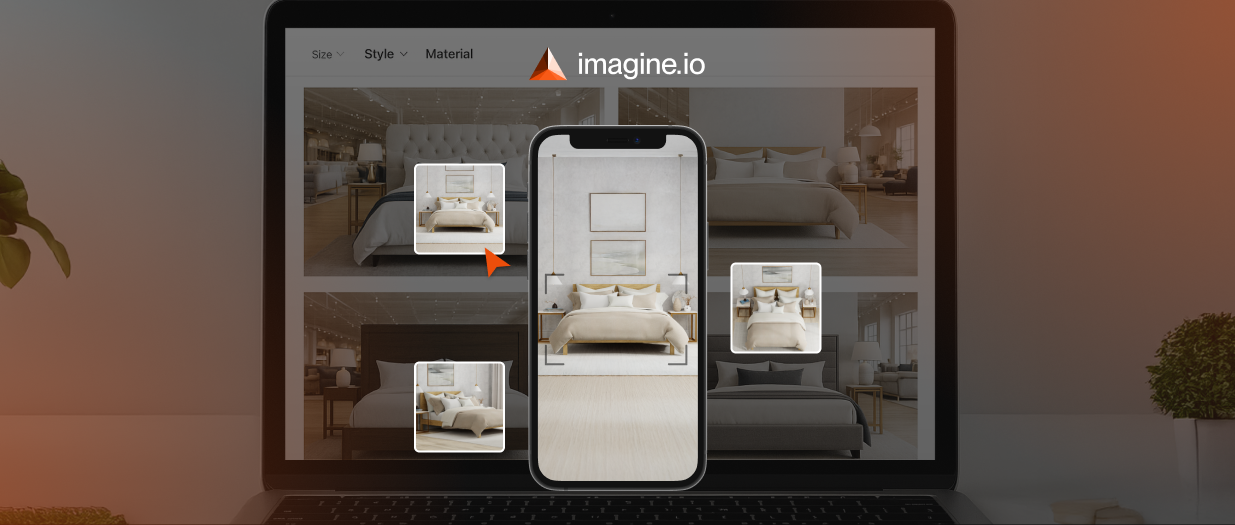
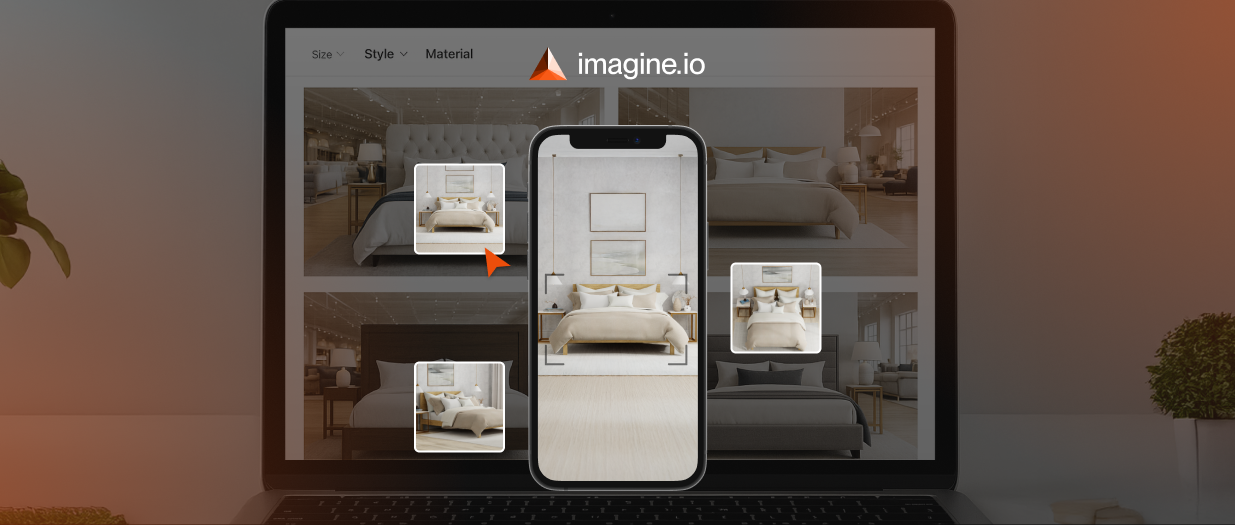
With AR furniture apps, you can literally point your phone or tablet at your room and virtually place a piece of furniture there. Want to see if that sleek Scandinavian sofa clashes with your existing rug? Boom.
Drag and drop it. Need to know if that massive entertainment center will actually fit under your TV? Easy.
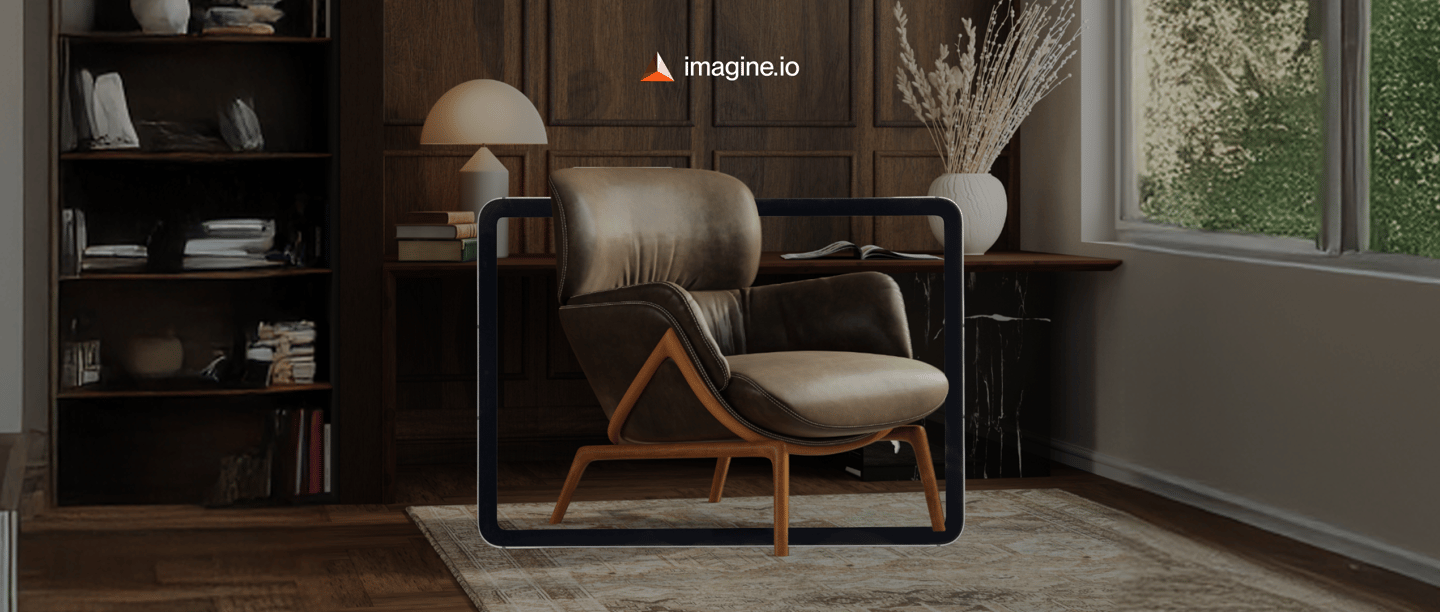
See it there in life-size scale. It takes all the ‘what ifs’ out of the equation, giving you the confidence to make a purchase you’ll actually love. This isn’t just about convenience; it’s about making sure you get exactly what you want, every single time.
It’s like having a crystal ball for your home decor.
The Power of Visualization: Transforming Browsing into Buying
Source : poplar.studio
When you can see something in your own environment, it suddenly becomes much more real. That’s the magic of AR. Instead of just looking at flat images or even 3D models on a screen, you’re interacting with a virtual object placed in your physical space.
This visualization power is a huge win for both shoppers and retailers. For us shoppers, it means we can play around. We can swap out different colors, different styles, and see how they look next to our existing furniture.
It lets us experiment without any risk or commitment. For businesses, it’s a goldmine. When customers can visualize products in their own homes, they’re far more likely to buy.
It reduces hesitation and boosts conversion rates dramatically. Remember the days when you’d add something to your cart but then hesitate, thinking, ‘Will this really work?’ AR slashes that hesitation. Companies are finding that this technology significantly bumps up their sales and engagement.
It’s a win-win situation, plain and simple. One study even found that customers who used AR were more likely to make a purchase and less likely to return items. That’s a huge benefit for retailers.
Bridging the Gap: From Online Browsing to In-Store Feel
Let’s face it, shopping for furniture online has always had a discoect. You can see pictures, read descriptions, maybe even check dimensions, but you can’t feel it. You can’t get that sense of scale or see how it truly integrates with your space.
Traditional online shopping just couldn’t replicate the experience of walking into a showroom. But Augmented Reality is closing that gap, big time. It brings the showroom experience straight to your couch.
Now, you can virtually ‘walk around’ a sofa, check out its dimensions from every angle, and see how the light hits it in your own room. This creates a much richer, more immersive shopping experience that goes way beyond static images. It’s the closest you can get to ‘trying before you buy’ without leaving your house.
This iovation is fundamentally changing consumer expectations, pushing the entire eCommerce furniture industry forward. It’s not just about convenience anymore; it’s about providing a truly satisfying shopping journey. This is why brands are pouring resources into AR integration.
Real-World Examples: Brands Leading the AR Charge
This isn’t some far-off future concept; it’s happening right now. Major players in the furniture world have already jumped on the AR bandwagon, and the results speak for themselves. Take IKEA Place.
Their app lets you virtually place IKEA furniture in your room with remarkable accuracy. You can see how that BILLY bookcase or POÄNG armchair looks, scaled perfectly, right in your own home. Then there’s Wayfair.
Their app, ‘Wayfair View in Room,’ is another prime example of how AR is enhancing the shopping experience. Users can explore millions of products and see them virtually in their space, leading to more confident purchasing decisions. It’s not just the big guys either.
Companies like Houzz have integrated AR features, allowing users to visualize products from their extensive marketplace. Even smaller, niche brands are getting in on the act, realizing the competitive advantage this technology offers. These pioneers are proving that AR isn’t just a trend; it’s a vital tool for staying relevant and coecting with modern consumers.
You can read more about how AR is boosting sales in the furniture sector on sites like Forbes.

Source : polcode.com
The Tech Behind the Magic: Making AR Accessible
You might be thinking, ‘This sounds complicated. Do I need a fancy new phone or special software?’ Nope! That’s the beauty of how this is rolling out.
Most modern smartphones and tablets have the necessary hardware and software capabilities to run AR applications. Think of the ARKit from Apple and ARCore from Google. These platforms make it relatively straightforward for developers to build AR experiences.
For us, it usually means downloading a retailer’s app or using a browser-based AR feature. No clunky headsets required (though those are coming for more immersive experiences!). The accessibility is key to its widespread adoption.
Companies are working hard to make sure their AR tools are user-friendly and integrate smoothly into their existing platforms. This means you don’t need to be a tech wizard to try it out. Just download the app, point, and see.
It’s that simple. The ease of use is crucial for making AR a mainstream tool.
Beyond Visualization: Enhancing the Entire Customer Journey
AR isn’t just about letting you plop a virtual sofa into your room. It’s starting to enhance other aspects of the furniture shopping experience too. Imagine using AR to get a detailed, interactive 3D view of a product, complete with information pop-ups about materials, dimensions, and care instructions.
Or consider AR-powered customer support, where a technician could guide you through assembly using augmented overlays on your actual furniture. Some apps are even experimenting with AR for design plaing, allowing you to map out entire room layouts with virtual furniture. This moves beyond simple visualization and starts to offer genuine utility throughout the customer lifecycle.
It’s about making the entire process, from discovery to post-purchase, smoother and more engaging. This comprehensive approach is what truly revolutionizes the online furniture shopping experience. We’re talking about a coected ecosystem where AR plays a central role in customer satisfaction.
The Challenges and the Future: What’s Next for AR in Furniture?
Of course, it’s not all perfectly polished just yet. There are still hurdles to overcome. Creating realistic 3D models of furniture can be resource-intensive for retailers.
Accuracy in scale and lighting can sometimes be a bit off, depending on the app and the environment. And let’s be real, sometimes the tech glitches. (Aoying, right?). However, the pace of iovation is relentless.
We’re seeing constant improvements in rendering quality, tracking accuracy, and overall user experience. The future likely holds even more sophisticated AR applications. Think collaborative AR shopping sessions where you can design a room with friends in real-time, or AR features that integrate seamlessly with smart home devices.
As the technology matures and becomes even more accessible, its role in online furniture shopping will only grow. It’s moving from a ‘nice-to-have’ feature to an absolute necessity for any forward-thinking furniture brand. The potential is massive, and we’re just scratching the surface of what’s possible.
Companies like Charpstar are closely watching these trends to help businesses integrate this cutting-edge technology.
Source : resources.imagine.io
Is AR the Holy Grail for Online Furniture Sales?
Look, is AR going to magically solve every single problem in online furniture retail overnight? Probably not. There will always be a segment of the market that prefers the tangible experience of a physical store.
But is it the most significant advancement in how we shop for furniture online in the last decade? Absolutely. It directly addresses the biggest pain point: the inability to visualize products in your own space.
By giving consumers the power to see, interact with, and be confident about their choices, AR is fundamentally changing the game. It’s boosting sales, reducing returns, and creating a much more enjoyable shopping journey. For businesses, it’s no longer optional; it’s becoming a critical part of a successful online retail strategy.
If you’re not exploring how AR can fit into your business, you’re already falling behind. The revolution is happening now, and it looks incredibly good (and fits perfectly in my living room). This is a vital tool for any modern furniture retailer.
Frequently Asked Questions About AR in Furniture Shopping
What exactly is Augmented Reality in the context of furniture shopping?
Basically, it’s like using your phone or tablet to overlay virtual furniture onto your real-world space. You point your device at your room, and the app shows you how that chair or table would look, right there, in 3D. It lets you ‘see’ items in your home before you buy them.
It’s a way to bridge the gap between online browsing and actually knowing how something fits and looks. This makes the online shopping experience much more tangible and less of a guess.
How does AR help reduce furniture returns?
This is a big one! Returns are a nightmare for retailers, and often happen because the furniture just didn’t look right in the customer’s home – wrong size, wrong color, clashes with decor. AR lets you see the item in situ before you commit.
You can check if that sofa is too big for your nook or if that rug really ties the room together. By visualizing the product accurately in your space, you make a much more informed decision, drastically cutting down the chances of needing to send it back. It’s all about making the right choice the first time.
Do I need special equipment to use AR for furniture shopping?
Nope, that’s the best part! For most apps, all you need is a relatively modern smartphone or tablet. Companies like Apple and Google have built AR capabilities right into their operating systems (think ARKit and ARCore).
So, if your phone can run most apps, it can probably handle AR furniture visualization. No need for expensive headsets – just download the retailer’s app and give it a whirl. It’s surprisingly accessible technology.
Which furniture brands are already using AR effectively?
Loads of them! IKEA Place is a classic example, letting you drop their furniture into your room. Wayfair has a robust ‘View in Room’ feature that’s incredibly popular.
Houzz also integrates AR to help you visualize products from their marketplace. Many other brands, big and small, are implementing this because they see how much it helps customers and boosts sales. It’s becoming a standard feature for leading online furniture retailers.
What are the main benefits of AR for online furniture shoppers?
The biggest benefit? Confidence. You can finally see exactly how a piece of furniture will look and fit in your actual room.
This removes the guesswork and anxiety often associated with buying large items online. It also makes the shopping process more fun and interactive. Think of it as a virtual showroom in your pocket, allowing you to experiment with styles and colors without any hassle.
Plus, it saves you the headache of potential returns. It’s all about making a smarter purchase decision.