The Boom in Sustainable Urban Plaing Degrees
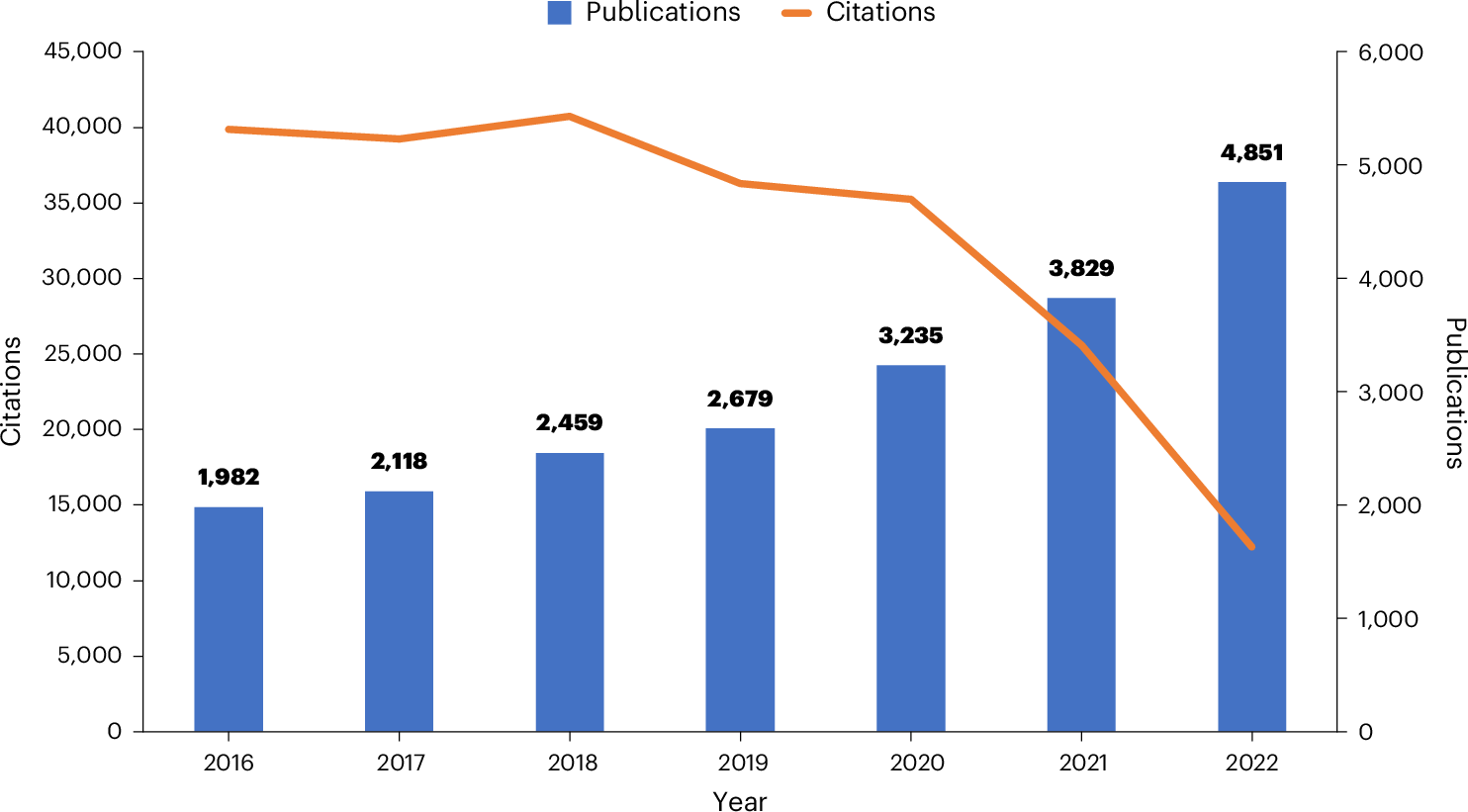
Let’s talk about cities. Not just the shiny skyscrapers or the bustling streets, but the actual brains behind them. You know, the folks figuring out how to make places livable, breathable, and, well, sustainable. Turns out, there’s a massive surge happening in people wanting to learn this stuff. We’re talking a real boom in sustainable urban plaing degrees. It’s not just a niche anymore; it’s becoming a go-to path for a generation that’s seen the cracks in how we build and live.
Source : nature.com
Why the Sudden Urgency?
Look around. Climate change isn’t some far-off threat; it’s here. Extreme weather, rising sea levels, resource scarcity – it’s hitting our cities hard. People are waking up to the fact that our old ways of growing towns and cities, the sprawl, the car dependency, the energy waste, just aren’t cutting it anymore. We need smarter solutions. Faster.
This isn’t about abstract theories anymore. It’s about tangible problems: finding affordable housing that doesn’t trash the planet, creating public transport that people actually want to use, designing green spaces that cool cities down, and making sure everyone, not just the wealthy, has access to a decent environment. That’s where sustainable urban plaing comes in. It’s the practical, hands-on approach to fixing what’s broken and building what’s next. And career-wise? It’s exploding. One report even called urban plaing among top growing careers. That’s not an accident; it’s a direct response to what the world needs.

Source : research.com
What Exactly Are We Talking About?
Sustainable urban plaing isn’t just about planting a few more trees. It’s a deeply integrated approach. Think about it:
- Environmental Focus: This means minimizing pollution, conserving water and energy, protecting biodiversity, and building with green materials. It’s about leaving a lighter footprint.
- Social Equity: It’s crucial that cities are fair and inclusive. This involves ensuring access to services, housing, and opportunities for everyone, regardless of income or background. No one gets left behind in the green makeover.
- Economic Viability: Sustainable projects need to make financial sense in the long run. This can mean boosting local economies, creating green jobs, and reducing long-term costs associated with environmental damage or resource depletion. It’s about smart money, not just tree-hugging.
So, a degree in this field equips you with a toolkit to tackle these complex challenges head-on. You’re not just learning theory; you’re learning how to build resilient, thriving communities for the future. It’s about making places better for people and the planet, period.
The Degrees: What’s on Offer?
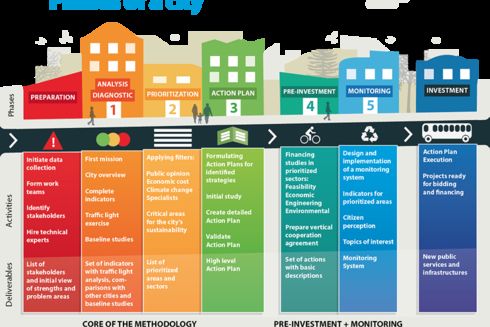
Source : iadb.org
The educational landscape is catching up fast. You’ll find a whole range of programs popping up, from undergraduate certificates to full-blown master’s degrees. Some focus purely on sustainability, while others integrate it into broader urban plaing or environmental design curricula. You can even find programs that blend public administration with these goals, like a Master of Public Administration that prepares you for a sustainable urban plaing career.
For instance, universities are offering specialized tracks. You might find a Master of Professional Studies that’s specifically geared towards sustainable urban plaing. This is great because it’s often designed for people who are already in the field or looking for a very direct career pivot. They focus on practical skills and real-world application. It’s not just an academic exercise; it’s career training.
And it’s not just on-campus, either. The online space is blowing up with these programs. This means you can learn from anywhere, often working professionals picking up skills on the side. That flexibility is key. Many of these online programs are designed to be super practical, giving you the knowledge and credentials needed to make an immediate impact. It’s about accessible education for a pressing need.
Who’s Hiring These New Grads?
Honestly, everywhere. The demand is sky-high and only going to increase. We’re talking about:
Source : linkedin.com
- City and Regional Governments: They are the frontline. Plaers, sustainability officers, environmental managers – cities need people to guide their growth responsibly. They’re looking for experts to develop and implement green initiatives.
- Private Development Firms: Builders and developers are realizing that sustainable design isn’t just a buzzword; it’s a selling point. They need plaers who understand green building, energy efficiency, and community impact to make their projects competitive and compliant.
- Non-Profit Organizations: Environmental groups, community development corporations, urban advocacy groups – they all need skilled professionals to push for change, manage projects, and conduct research.
- Consulting Companies: Specialized firms are springing up to advise governments and businesses on sustainability strategies, environmental impact assessments, and resilient infrastructure. It’s a massive growth area for consultants.
- Large Corporations: Even big companies need help managing their environmental footprint and engaging with urban communities. Think corporate social responsibility departments or facilities management with a green focus.
Basically, any organization that has a stake in how a city functions, grows, or interacts with its environment is a potential employer. It’s a field with serious job security right now because the need is so fundamental.
Skills You’ll Actually Use
Forget just knowing zoning laws. A modern sustainable urban plaing degree is going to pack your bags with a diverse set of skills. You’ll get:
- Data Analysis: You’ll learn to crunch numbers, understand GIS (Geographic Information Systems), and use data to inform decisions about land use, traffic, energy consumption, and more. It’s all about evidence-based plaing.
- Policy Development: Understanding how to create effective regulations and incentives for sustainable practices is crucial. This includes zoning, building codes, and climate action plans.
- Community Engagement: Plaing isn’t done in a vacuum. You’ll learn how to talk to residents, businesses, and stakeholders, build consensus, and ensure projects meet community needs. Real plaing involves people.
- Environmental Science Basics: You don’t need to be a PhD ecologist, but you do need to grasp concepts like watershed management, renewable energy, waste reduction, and climate resilience.
- Project Management: Turning plans into reality requires organization, budgeting, and the ability to coordinate different teams and resources.

Source : research.com
It’s a blend of the technical, the social, and the environmental. You’re becoming a problem-solver for the complex urban puzzle. Think of it as building the blueprint for a better tomorrow, literally.
The Future is Green and It’s Urban
The momentum behind sustainable urban plaing isn’t slowing down. As our cities face increasing environmental and social pressures, the need for skilled professionals will only grow. This isn’t just a trend; it’s a fundamental shift in how we approach development and community building.
If you’re looking for a career that’s challenging, impactful, and in high demand, seriously consider diving into a sustainable urban plaing degree. You’ll be joining a growing field of iovators and problem-solvers dedicated to creating the cities we all want – resilient, equitable, and sustainable. It’s a pathway to making a real, lasting difference. And that’s something pretty darn cool.
Frequently Asked Questions
What is the best degree for urban plaing?
Honestly, there isn’t one single ‘best’ degree. It really depends on what you want to do. However, for a strong foundation, a bachelor’s or master’s degree specifically in Urban and Regional Plaing is usually the way to go. Many programs now heavily integrate sustainability, so look for those. If you’re more interested in the policy and management side of things, a degree like a Master of Public Administration (MPA) with a specialization in areas like economic development or public policy can also prepare you well. Check out programs that focus on practical skills. For example, Murray State offers an MPA that can prepare you for a sustainable urban plaing career. The key is a program that balances theory with hands-on skills and relevant coursework like environmental policy, GIS, and community development.
What can I do with an urban sustainability degree?
A lot! It’s a super versatile degree. You could work for local government as a sustainability coordinator or urban plaer, developing policies and projects to make the city greener and more livable. You might join a private development firm, helping them design eco-friendly buildings and neighborhoods. Non-profits focused on environmental issues or community development are always looking for folks with this background. You could even get into environmental consulting, advising businesses and organizations on how to reduce their impact. Basically, anywhere cities are being built, managed, or improved, there’s a need for your skills. Think of roles in renewable energy plaing, green infrastructure development, or climate action plaing.
Is urban plaing still a professional degree?
Absolutely, it’s a critical professional field. Maybe the term ‘professional degree’ sounds a bit old-school, but the work is more vital than ever. Traditional urban plaing degrees are definitely still relevant, especially at the master’s level, often leading to certifications like the AICP (American Institute of Certified Plaers). But now, you’re seeing specialized degrees and concentrations in sustainable urban plaing becoming the standard. These programs are designed to equip graduates with the cutting-edge knowledge and skills needed to address contemporary challenges like climate change, social equity, and smart growth. It’s evolving, but it’s definitely a career with serious professional standing and demand. Look into the Master of Professional Studies offerings in the field.
What are the biggest challenges facing sustainable urban plaers?
The biggest hurdle is often inertia and resistance to change. People are used to how things are done. Convincing politicians, developers, and even residents to invest in potentially costly, long-term sustainable solutions over short-term gains can be a tough sell. Funding is another huge issue – sustainable infrastructure often requires significant upfront investment. Then there’s the complexity of balancing competing needs: environmental protection versus economic development, affordable housing versus density goals. It’s a constant juggling act, and you need serious negotiation and communication skills.
How important is technology in sustainable urban plaing today?
It’s HUGE. Technology is basically the engine driving modern sustainable plaing. Think about Geographic Information Systems (GIS) – they’re essential for mapping, analyzing land use, and understanding environmental impacts. Smart city technologies, like sensors for monitoring air quality or traffic flow, provide real-time data that plaers can use. Building Information Modeling (BIM) helps design and construct more efficient buildings. Even simple things like data analytics software help plaers model different scenarios and predict outcomes. Without advanced tech, tackling the complexity of sustainable urban development would be nearly impossible.