Personalized Nutrition: Eating for Your Specific DNA
Forget those one-size-fits-all diet plans. Seriously, toss ‘em. They’re about as useful as a screen door on a submarine. Why? Because you’re not like anyone else. Not even a little bit. Your body, your metabolism, your quirks – they’re all uniquely yours. And guess what? Your DNA holds the blueprint. It’s the ultimate cheat sheet for figuring out exactly what foods will make you thrive, not just survive.
Source : pallaviqslimfitness.com
Think about it. You’ve probably tried a dozen diets. Keto, paleo, vegan, intermittent fasting… the list goes on. Some might have worked okay for a while, maybe you dropped a few pounds. But did you feel great? Truly energized? Probably not consistently. That’s because those diets don’t account for the thousands of tiny genetic variations that dictate how your body actually processes the food you eat. It’s like trying to fit a square peg into a round hole. Frustrating, right?
The Genetic Blueprint for Your Plate
So, what are we talking about here? It’s all about nutrigenomics and nutrigenetics. Sounds fancy, but it’s pretty straightforward. Nutrigenomics is the study of how food affects your genes, and nutrigenetics is about how your genes affect your response to food. Basically, your DNA tells a story about your nutritional needs. It reveals predispositions, like how well you might metabolize fats or caffeine, or if you’re more susceptible to deficiencies in certain vitamins.
Imagine your DNA is a recipe book. Nutrigenomics is like understanding how different ingredients (foods) interact with those recipes. Some ingredients might enhance a recipe, others might cause a mess. Your genetic code is the specific recipe. Understanding it means you can finally cook up the perfect meal plan for your body. No more guesswork. Just pure, targeted nutrition.
Decoding Your Genes: How It Works
Getting started is simpler than you might think. It usually involves a simple DNA test. We’re talking about a cheek swab or a saliva sample – nothing invasive. You send it off to a lab, and they analyze specific markers in your genetic code. These aren’t about predicting your future or telling you if you’ll get sick (that’s a whole different ballgame, and much more complex). This is strictly about how your body handles nutrients.
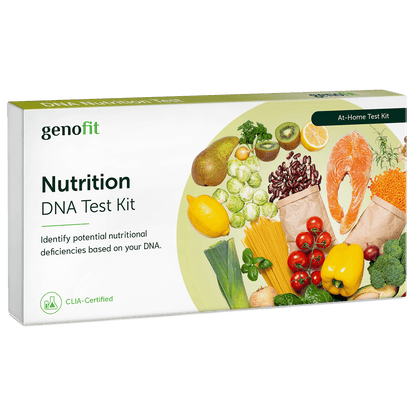
Source : genofit.com
The results? They’re often presented in a detailed report. This report breaks down your genetic predispositions related to things like:
- Macronutrient response: How well your body handles carbs, fats, and proteins.
- Micronutrient needs: Potential for deficiencies in vitamins like D, B12, or iron.
- Food sensitivities: Genetic links to lactose intolerance or gluten sensitivity.
- Metabolic traits: How your body processes caffeine, sugar, or alcohol.
- Fitness predispositions: Your genetic tendency towards endurance versus strength.
It’s pretty eye-opening stuff. You might learn that you actually need more healthy fats because your genes process them efficiently, or that you should limit your coffee intake because you’re a slow metabolizer. This information is gold for creating a truly personalized eating plan.
Nutrigenomics in Action: Real-World Examples
Let’s get real. You’ve heard the hype, but does this actually work? Anecdotally, the results are often dramatic. Take Sarah, for example. She struggled with energy crashes in the afternoon, no matter what she ate. After a DNA test, she discovered she had a genetic marker indicating she was a fast metabolizer of carbohydrates. Her previous diet, which included a lot of whole grains and fruits, was spiking her blood sugar and leading to those dreaded crashes. Her personalized plan recommended shifting to a lower-carb, higher-fat approach. Within weeks, her energy levels stabilized. She felt fantastic.
Or consider Mark. He was always feeling bloated and uncomfortable after meals, especially those containing dairy. His genetic report flagged a strong predisposition for lactose intolerance. Cutting out dairy wasn’t just a preference anymore; it was a genetic imperative for his digestive comfort. He finally found relief. These aren’t just random anecdotes; they’re examples of matching diet to DNA paying off.
It’s not about restricting yourself to boring meals. It’s about making smarter choices. Maybe your genes say you’re prone to inflammation, so focusing on anti-inflammatory foods like fatty fish and colorful veggies becomes a priority. Or perhaps you have a gene variant that affects folate metabolism, meaning you need to focus on consuming more leafy greens or fortified foods. The goal is to work with your genetics, not against them.
The Science Behind the Swab
Now, I know what some of you are thinking. Is this legit science, or just another fad? The field of nutrigenomics is rapidly evolving, and the scientific backing is growing stronger by the day. Researchers are constantly uncovering new gene-nutrient interactions. For instance, studies are exploring how genetic variations influence our response to omega-3 fatty acids, antioxidants, and even the complex interplay of gut bacteria with our DNA. One such area of research involves understanding the genetic basis for individual nutrient metabolism.
While it’s true that not every single gene interaction is fully understood, the core principles are solid. We know genetics plays a role in how we process food. Companies like GenoPalate are using this science to offer personalized recommendations. They aren’t just guessing; they’re using genetic data to inform dietary suggestions. The amount of research published in peer-reviewed journals on this topic is substantial and continues to expand, offering more insights into the genetic underpiings of nutrition. The work published in PubMed Central showcases a growing body of evidence supporting these approaches.

Source : vox.com
It’s important to remember that your genes aren’t your destiny. They represent predispositions, probabilities. Lifestyle factors – your actual eating habits, exercise, stress, sleep – play a massive role. Nutrigenomics is a powerful tool to inform your lifestyle choices, making them more effective. It’s about getting the most bang for your buck nutritionally. It’s a way to truly optimize your health.
Beyond Diet: DNA and Your Overall Wellness
The impact of personalized nutrition extends beyond just weight management or energy levels. It touches on almost every aspect of your well-being. Understanding your genetic tendencies can help you proactively manage potential health risks. For example, if your DNA suggests a higher predisposition to inflammation, you can lean heavily into anti-inflammatory foods and lifestyle choices.
This isn’t about fear-mongering or creating anxiety. It’s about empowerment. Knowledge is power, right? Knowing your genetic landscape allows you to make informed decisions that can support long-term health. Maybe you learn you have a genetic variation that impacts your sleep patterns or your stress response. While diet is a huge piece of the puzzle, these genetic insights can guide you to explore other lifestyle adjustments, like specific sleep hygiene practices or stress-reduction techniques that might be particularly effective for you.
It’s about creating a holistic wellness strategy tailored to you. Think of it as building your health from the ground up, using the most accurate building materials available – your own genetic code. This personalized approach can lead to greater adherence because it feels less like a restrictive diet and more like a natural way of eating that genuinely benefits your body. It’s about sustainable healthy living.
Challenges and Considerations
Okay, let’s be real. It’s not all sunshine and perfectly metabolized macros. There are hurdles. Firstly, the cost. DNA testing kits can range from affordable to quite pricey, and the ongoing support or personalized meal plans might add up. You need to decide if the investment makes sense for you.
Secondly, interpretation. While many companies provide reports, understanding the implications fully can be overwhelming. It’s often beneficial to work with a qualified professional – a registered dietitian or nutritionist who specializes in nutrigenomics. They can help you translate those genetic findings into practical, actionable advice. Don’t just wing it based on a fancy PDF. Get expert guidance for interpreting genetic results.
And then there’s the ever-evolving nature of the science. What we know today might be refined tomorrow. It’s crucial to choose reputable companies that stay current with research and are transparent about their methodologies. Avoid services that make outlandish claims or promise miracle cures. This is about informed choices, not magic wands. It requires a critical eye and a commitment to ongoing learning.
Is Personalized Nutrition Right for You?
So, who should consider diving into personalized nutrition based on their DNA? Honestly, almost anyone who’s felt frustrated with generic health advice. If you’re struggling with weight management, low energy, digestive issues, or just want to optimize your overall health and athletic performance, exploring your genetic predispositions could be a game-changer.
Source : dromicslabs.com
If you’re tired of yo-yo dieting and want a sustainable approach that feels intuitive and works for your body, this is for you. It’s for the biohackers, the health enthusiasts, and anyone who believes that understanding ourselves better is the key to living healthier, happier lives. It’s about finally getting a clear roadmap for your unique dietary needs.
Think of it as upgrading from a paper map to a GPS. You know where you want to go (good health), but now you have the most precise directions possible, accounting for all the unique terrain of your body. It’s a powerful way to take control of your well-being, backed by your own biological data. This is the future of eating, and it’s incredibly personal.
Making the Leap: Next Steps
Ready to explore your genetic code for dietary insights? Start by researching reputable nutrigenomics testing companies. Look for those with strong scientific backing, clear privacy policies, and transparent reporting. Read reviews, compare services, and maybe even consult with a healthcare provider before you commit.
Once you have your results, the real work begins. Don’t just file them away. Use them! Work with a nutritionist or dietitian to create a practical, sustainable meal plan. Experiment with the recommendations and pay attention to how your body responds. This is an ongoing journey, not a one-time fix. Celebrate the small wins and be patient with the process. Your DNA is a guide, not a dictator. You are in the driver’s seat of your health. You’ve got this!
Frequently Asked Questions
-
What exactly is personalized nutrition based on DNA?
Basically, it’s understanding how your unique genetic code influences how your body responds to different foods. Instead of following generic diet advice, you get recommendations tailored specifically to your genetic makeup. Think of it as getting a custom nutrition manual written just for you, based on your DNA. It helps pinpoint what foods will make you feel your best and what might be causing subtle issues.
-
How do I get a DNA test for nutrition?
It’s pretty simple! You usually order a kit online, then collect a saliva or cheek swab sample at home. You mail it back to the lab, and they analyze specific genes related to nutrient metabolism, food sensitivities, and more. Companies like GenoPalate offer these services. The results are then delivered in a report detailing your personalized dietary insights.
-
Can my DNA really tell me what to eat?
It tells you how your body is predisposed to handle certain nutrients and foods. For example, your DNA might suggest you’re a slow metabolizer of caffeine, meaning you should limit your intake, or that you benefit more from omega-3s than the average person. It’s not a rigid dictate, but a powerful guide to help you make smarter, more effective food choices for your body. It’s about optimizing your diet.
-
Is this science proven, or just a fad?
The science behind this, called nutrigenomics, is a rapidly growing field. While we’re still uncovering all the details, the core principles – that our genes affect how we process food – are well-established. There’s a lot of ongoing research, and reputable companies are basing their recommendations on solid scientific findings. It’s definitely more than just a fad; it’s an evolving area of health science.
-
What if my DNA results conflict with what I thought I knew about nutrition?
That’s actually pretty common! Our bodies are complex, and generic advice doesn’t always fit. Your DNA results offer a more personalized perspective. If your results suggest something surprising, like needing more healthy fats or less carbs, try to approach it with an open mind. Working with a registered dietitian who understands nutrigenomics can help you bridge that gap and integrate the findings into your current understanding of healthy eating. They can help you adjust your eating habits effectively.