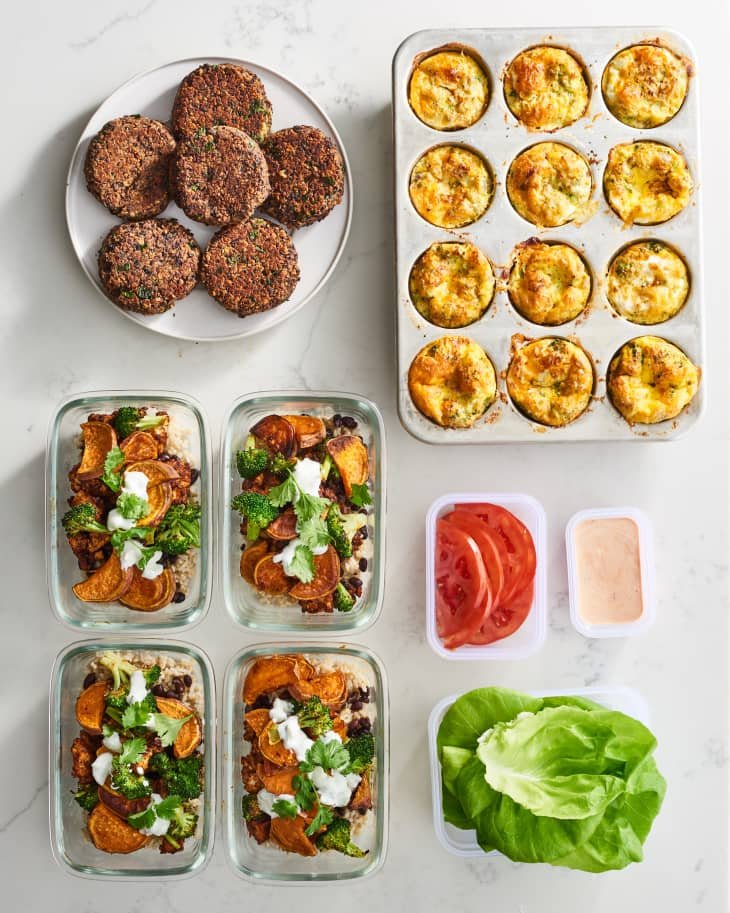
Tired of Scrambling for Dier? High-Protein Vegan Meal Prep is Your New Best Friend
Look, we’ve all been there. It’s 5 PM, you’re starving, and the last thing you want to do is figure out what to cook. Especially when you’re trying to get enough protein on a vegan diet. It feels like a whole other job, right? But what if I told you there’s a way to dodge that daily dier drama? A way to have delicious, satisfying, protein-packed vegan meals ready to go whenever hunger strikes? Enter: high-protein vegan meal prep.
Source : thekitchn.com
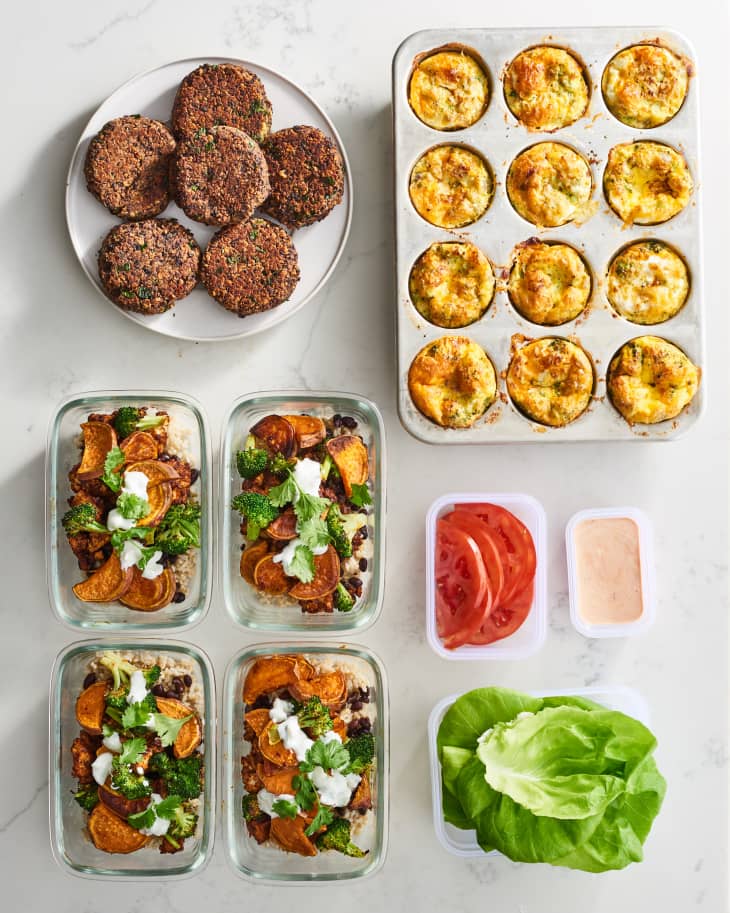
Forget sad desk lunches or last-minute takeout splurges. We’re talking about taking a few hours on a Sunday (or whenever works for you) to set yourself up for a week of easy, healthy, and seriously tasty eats. It’s not about spending hours slaving away; it’s about smart plaing and using ingredients that pack a protein punch. Ready to ditch the stress and fuel your body right?
Why Bother With High-Protein Vegan Meal Prep?
Okay, so why the big push for protein, especially when you’re vegan? It’s simple, really. Protein is the building block of muscle, sure, but it’s also key for feeling full and satisfied. That means fewer cravings and more sustained energy throughout your day. For vegans, getting enough protein can sometimes feel like a puzzle. You’ve got to be a little more mindful about what you’re throwing onto your plate. But honestly? It’s easier than you think.
When you nail your vegan meal prep game, you’re not just saving time; you’re investing in your health. Think consistent energy, better recovery after workouts (if you’re into that), and that awesome feeling of having your diet totally dialed in. Plus, let’s be real, having a fridge full of colorful, ready-to-eat meals is just plain satisfying. It’s a visual reminder that you’re crushing your goals.
The Protein Powerhouses: Your Vegan Go-To’s
So, what are these magical vegan protein sources? You’ve got tons of options, more than you might think! We’re talking about staples like lentils, beans (black, kidney, chickpeas – the whole crew), and tofu. Don’t sleep on tempeh either; it’s fermented and offers a great texture. Then there are nuts and seeds – almonds, walnuts, chia seeds, hemp seeds – sprinkle ’em on everything!

Source : thatveganbabe.com
And let’s not forget about seitan, for those who love a meaty texture. It’s basically wheat gluten and is ridiculously high in protein. Quinoa is another star player, a complete protein that’s super versatile. Even some veggies like broccoli and spinach sneak in a decent amount of protein. The key is to mix and match these throughout your week. Variety is the spice of life, and it’s how you ensure you’re getting a full spectrum of nutrients. You can find tons of inspiration for these powerhouses on sites like Ladies Who Lift, which has some seriously good ideas.
Strategy Session: Plaing Your Prep
Alright, let’s get down to business. The first step? Brainstorm your meals. Don’t just wing it. Think about what you actually like to eat. Do you crave hearty stews? Zesty bowls? Simple salads? Jot it down. Aim for a few core recipes you can rotate. Maybe one breakfast, two lunch/dier options, and a couple of snacks.
Next, hit the grocery store with a list. Seriously, stick to it. Wandering the aisles is how you end up with impulse buys that derail your whole plan. Organize your shopping based on your recipes. Think about what needs to be cooked, what can be eaten raw, and what can be prepped in batches. For example, cooking a big batch of quinoa or roasting a tray of veggies can be used in multiple meals. It’s about efficiency, people!
The Prep Day Playbook: Making it Happen
Prep day doesn’t have to be a drag. Put on some music, grab a podcast, make it enjoyable. Start with the things that take the longest. Roasting vegetables? Get those in the oven first. Cooking grains like quinoa or rice? Start those simmering. While they’re cooking, you can chop veggies, press tofu, or whip up a sauce. Efficiency is key here.
Consider batch cooking protein sources. Cook a big batch of lentils, bake a few blocks of tofu (maybe marinate them first!), or pan-fry some tempeh. Having these ready to go means you can just toss them into whatever you’re making. Don’t forget to think about sauces and dressings! A good dressing can totally transform a simple salad or bowl. Whip up a tahini-lemon sauce or a spicy peanut dressing – simple but game-changing. You can discover some fantastic recipes and strategies over at Bites with Blair.
Smart Storage: Keeping it Fresh and Safe
This is crucial. You’ve put in the work, now you gotta make sure your food stays good. Invest in some decent food storage containers. Glass is great because it doesn’t stain or hold odors, and you can pop it straight into the microwave or oven (just remove the lid!). Airtight containers are your best friend for keeping things fresh.
Portion things out as you go. This makes grabbing a meal super easy during the week. Keep your cooked grains, proteins, and roasted veggies separate until you’re ready to assemble a meal, or portion them into individual containers. For things like salads, keep the dressing separate until just before eating to avoid sogginess. This simple step makes a world of difference. Trust me.
Breakfast: Protein-Packed Mornings
Source : gazoakleychef.com
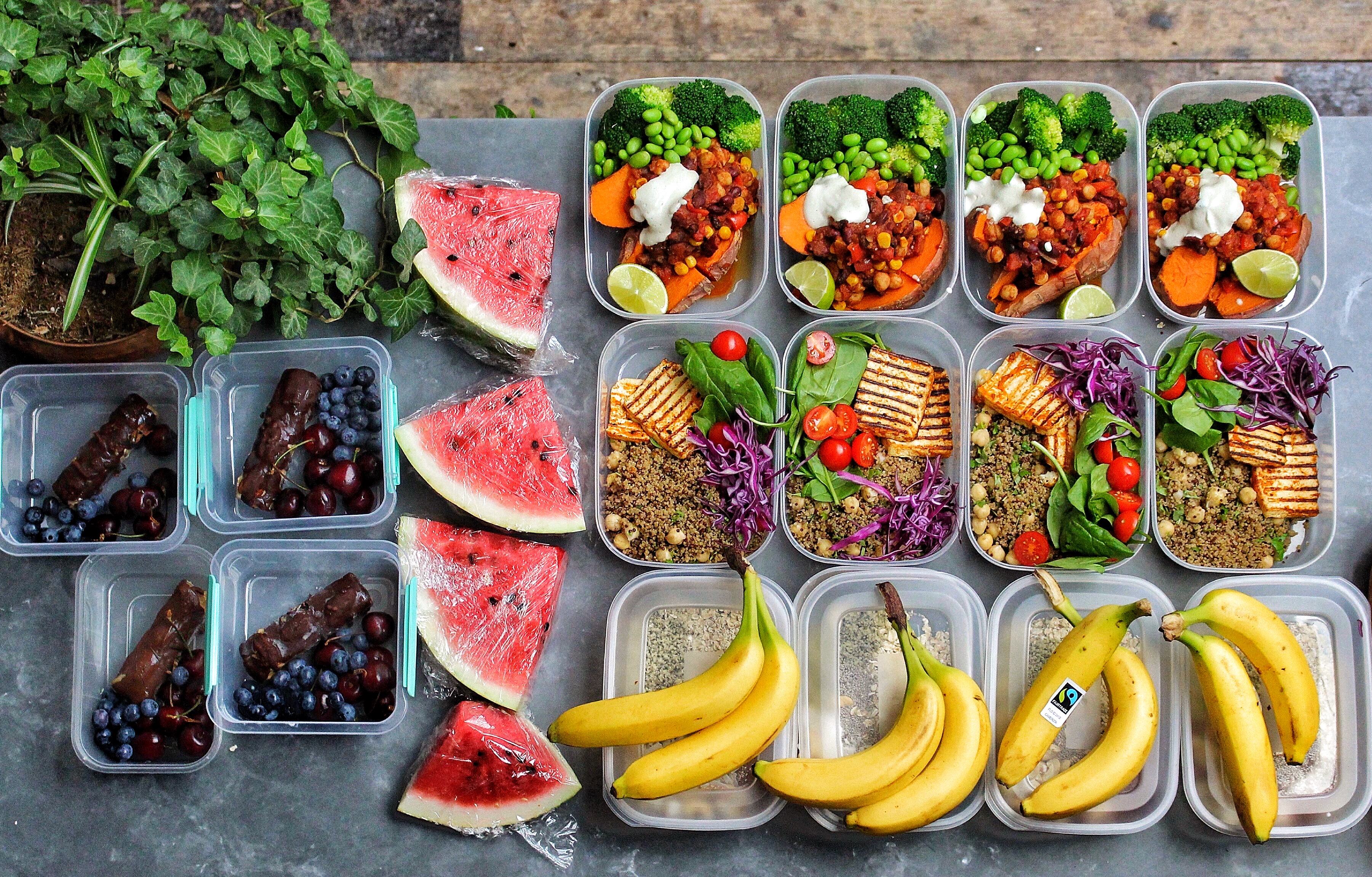
Let’s be honest, breakfast is often an afterthought, especially on busy mornings. But it’s the perfect place to sneak in some serious protein and set yourself up for a great day. Forget sugary cereals. Think bigger. One killer option? Tofu scrambles. You can make a big batch on Sunday, season it up with turmeric, black salt (kala namak for that eggy flavor), nutritional yeast, and your favorite veggies. Then, just reheat and serve in a tortilla or with some toast.
Overnight oats are another wier. Use a plant-based milk, add protein powder (many great vegan options out there!), chia seeds, and your favorite fruits or nuts. They’re grab-and-go perfection. You can also prep a big batch of vegan protein pancakes or waffles and freeze them. Just pop them in the toaster when you need a quick, protein-rich breakfast. Seriously, a little prep here saves you from a week of cereal binges.
Lunch & Dier: Bowls, Salads, and More
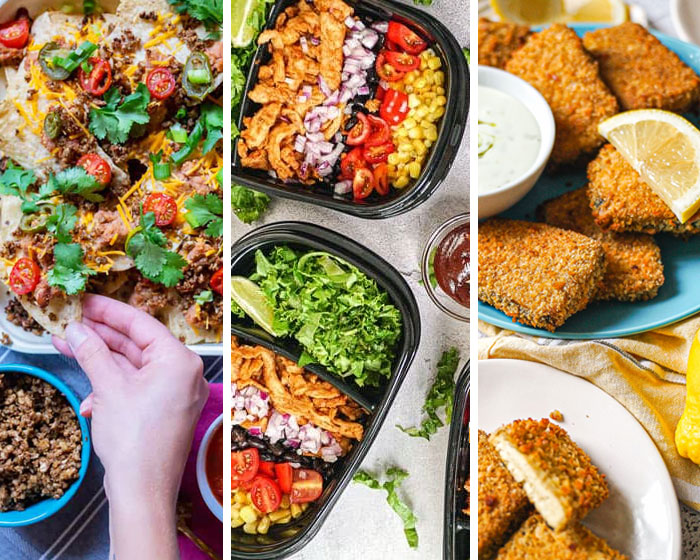
This is where the real magic happens. Think ‘build-your-own’ bowls. Cooked quinoa or brown rice as a base. Add your prepped protein – baked tofu cubes, seasoned lentils, or black beans. Load up with roasted veggies like broccoli, sweet potatoes, or Brussels sprouts. Drizzle with a killer sauce (tahini-lemon, peanut, avocado-lime). Bam! Lunch or dier, sorted. This approach is so flexible.
Don’t underestimate the power of a hearty salad. Start with a bed of greens (kale or romaine hold up well), add your protein source (chickpeas, edamame, baked tempeh), toss in some crunchy veggies, maybe some seeds or nuts, and top with a flavorful dressing. You can prep all the components separately and assemble right before eating. Or, for a more substantial meal, try prepping big batches of vegan chili, lentil soup, or a hearty curry. These just get better as the flavors meld. That’s flavor development, baby!
Snacks: Keeping the Hunger at Bay
Snacking is essential, especially if you’re active or trying to hit specific protein targets. You want snacks that are satisfying and won’t send you reaching for chips an hour later. Think edamame – steamed and lightly salted, it’s a protein powerhouse. Roasted chickpeas are another fantastic option. Toss them with spices like paprika, cumin, or garlic powder and roast until crispy. They’re addictive!
Trail mix is your friend, but make your own to control the ingredients. Combine nuts (almonds, cashews), seeds (pumpkin, sunflower), and maybe some dried fruit. You can also prep energy balls made with oats, nut butter, seeds, and a touch of sweetener. These little bites are packed with energy and protein. And don’t forget protein bars – just be picky about the ingredients and sugar content. Store them in airtight containers for easy grabbing.
Dealing with Leftovers and Variety
Okay, so you’ve prepped meals for five days. What about the weekend? Or what if you get sick of eating the same thing? That’s where strategy comes in. Leftovers are your friend! Don’t be afraid to repurpose. That batch of baked tofu can go in a bowl one day and a stir-fry the next. Lentils used in a salad can be mixed into a soup base later in the week.
To keep things interesting, have a couple of ‘quick fix’ meals in your back pocket. Think pasta with a pre-made sauce and some added beans, or a quick veggie stir-fry with a frozen veggie mix and some tempeh. Also, consider prepping components rather than full meals. Have cooked grains, a protein source, and a variety of chopped veggies ready. Then, you can mix and match daily. This prevents flavor fatigue and keeps your meal prep exciting.
Source : theedgyveg.com
Common Meal Prep Pitfalls (and How to Avoid Them)
Let’s talk about what can go wrong. The number one killer? Boredom. If you prep the same bland meal seven days in a row, you’re goa hate it by Wednesday. Solution: Variety! Use different spices, sauces, and cooking methods. Rotate your core recipes weekly.
Another pitfall? Food spoilage. Not storing things properly. Make sure your containers are airtight. Let food cool completely before sealing it. And if you’re unsure about something, it’s better to toss it than risk getting sick. Generally, prepped meals last 3-4 days in the fridge. For longer storage, look into freezing portions. Also, don’t overcook your veggies; they can get mushy. Aim for tender-crisp. Smart prep prevents waste.
Gear Up: Your Meal Prep Toolkit
You don’t need a fancy kitchen, but a few key tools make life easier. Good quality food storage containers are non-negotiable. Again, glass is a great option. A sharp chef’s knife makes chopping a breeze. Cutting boards are essential, maybe get a couple – one for veggies, one for proteins if you’re concerned about cross-contamination. Measuring cups and spoons are a must for following recipes accurately.
A large baking sheet is perfect for roasting veggies or baking tofu/tempeh. A good pot or Dutch oven is great for soups, stews, and cooking grains. An immersion blender can be handy for making quick sauces or soups. Honestly, though, the most important tool is your plaing. Don’t get bogged down in gadgets. Start with the basics and upgrade as you go. You can do this with minimal gear.
Spice It Up: Flavor is Your Friend
A bland meal is a death sentence for meal prep. How do you avoid it? Spices, herbs, and sauces! Stock your pantry with essentials: cumin, paprika, garlic powder, onion powder, chili powder, Italian herbs, curry powder. Fresh herbs like cilantro and parsley add brightness. Don’t forget lemon and lime juice for acidity.
Sauces are where it’s at. A simple lemon-tahini dressing, a spicy peanut sauce, a vegan pesto, or even a basic vinaigrette can completely change the game. Make a batch of your favorite sauce on prep day and store it in a jar. Drizzle it over bowls, salads, or grain dishes. It’s the easiest way to add a flavor punch and keep things interesting. You can find tons of sauce recipes online – experiment!
Beyond the Basics: Elevating Your Prep Game
Once you’ve got the hang of the basics, how do you level up? Think about texture. Add something crunchy – toasted nuts or seeds, crispy baked tofu. Add something creamy – avocado slices, a dollop of hummus, or a cashew-based sauce. Contrast is key to making meals exciting.
Consider ‘component prep’. Instead of full meals, prep individual ingredients. Cook a batch of grains, roast a medley of vegetables, bake a protein source like tofu or tempeh, and make a couple of different sauces. Then, you can mix and match throughout the week to create entirely different meals. This offers ultimate flexibility and prevents the dreaded meal prep fatigue. It’s the ultimate hack.
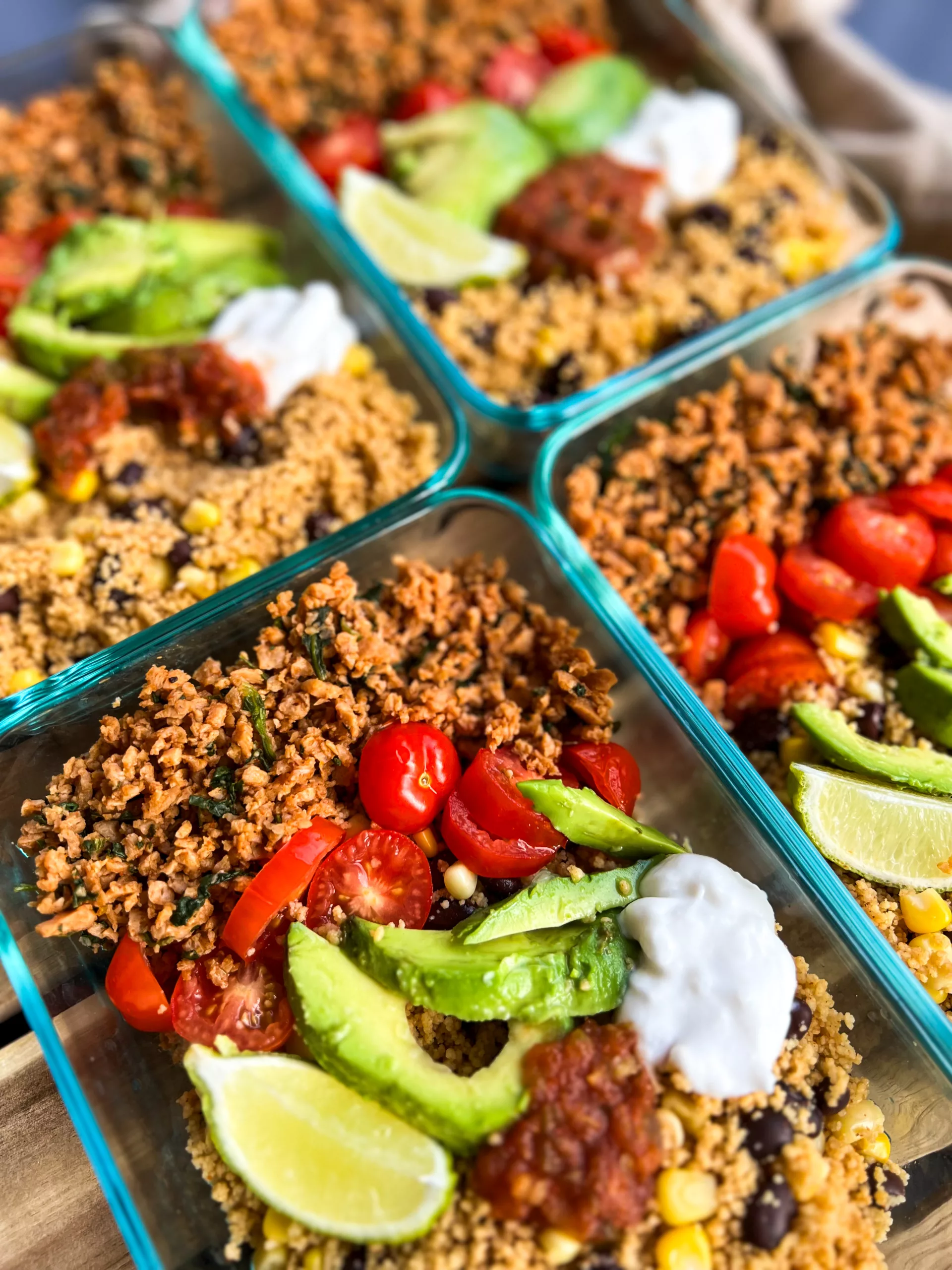
Source : essycooks.com
Vegan Protein FAQs Answered
How much protein do I actually need as a vegan?
It really depends on your activity level and goals, but a good general target is around 0.8 to 1.2 grams of protein per kilogram of body weight. If you’re super active or trying to build muscle, aim for the higher end. Don’t stress too much about hitting an exact number every single day; focus on including protein-rich foods at most meals.
Is it hard to get all essential amino acids on a vegan diet?
Nope! The idea that you need to meticulously combine specific plant foods at every meal to get ‘complete’ proteins is largely outdated. Most plant foods contain all the essential amino acids, just in varying amounts. By eating a varied diet with sources like legumes, grains, nuts, and seeds throughout the day, you’ll easily get everything you need. Think variety, not complex calculations. Your body is smart!
What are the best quick vegan protein sources for busy people?
Honestly, pre-cooked lentils or caed beans (rinsed, of course!) are lifesavers. Edamame (often found frozen and pre-shelled) is another fantastic, quick option. Tofu that’s pre-pressed or pre-marinated can save you loads of time. And don’t forget protein powder – a scoop in a smoothie or some plant milk is lightning fast.
Can meal prepping actually save me money as a vegan?
Absolutely! When you plan your meals and shop with a list, you avoid impulse buys and takeout splurges, which adds up fast. Buying staples like beans, lentils, rice, and oats in bulk is also way cheaper than buying pre-made meals or convenience foods. Plus, you’re less likely to waste food when you know exactly what you’re going to eat. It’s a financial win-win.
What if I don’t like tofu? Are there other good vegan protein options for meal prep?
Oh, definitely! Tofu isn’t the only star. Seitan is incredibly high in protein and has a great ‘meaty’ chew. Tempeh is another fantastic option with a firmer texture. Lentils and beans are versatile staples that can be used in countless dishes – soups, stews, salads, burgers. Even things like edamame, chickpeas, and quinoa pack a serious protein punch. Explore these, and you’ll find plenty of delicious alternatives to tofu!
Frequently Asked Questions
-
How much protein do I actually need as a vegan?
It really depends on your activity level and goals, but a good general target is around 0.8 to 1.2 grams of protein per kilogram of body weight. If you’re super active or trying to build muscle, aim for the higher end. Don’t stress too much about hitting an exact number every single day; focus on including protein-rich foods at most meals.
-
Is it hard to get all essential amino acids on a vegan diet?
Nope! The idea that you need to meticulously combine specific plant foods at every meal to get ‘complete’ proteins is largely outdated. Most plant foods contain all the essential amino acids, just in varying amounts. By eating a varied diet with sources like legumes, grains, nuts, and seeds throughout the day, you’ll easily get everything you need. Think variety, not complex calculations. Your body is smart!
-
What are the best quick vegan protein sources for busy people?
Honestly, pre-cooked lentils or caed beans (rinsed, of course!) are lifesavers. Edamame (often found frozen and pre-shelled) is another fantastic, quick option. Tofu that’s pre-pressed or pre-marinated can save you loads of time. And don’t forget protein powder – a scoop in a smoothie or some plant milk is lightning fast.
-
Can meal prepping actually save me money as a vegan?
Absolutely! When you plan your meals and shop with a list, you avoid impulse buys and takeout splurges, which adds up fast. Buying staples like beans, lentils, rice, and oats in bulk is also way cheaper than buying pre-made meals or convenience foods. Plus, you’re less likely to waste food when you know exactly what you’re going to eat. It’s a financial win-win.
-
What if I don't like tofu? Are there other good vegan protein options for meal prep?
Oh, definitely! Tofu isn’t the only star. Seitan is incredibly high in protein and has a great ‘meaty’ chew. Tempeh is another fantastic option with a firmer texture. Lentils and beans are versatile staples that can be used in countless dishes – soups, stews, salads, burgers. Even things like edamame, chickpeas, and quinoa pack a serious protein punch. Explore these, and you’ll find plenty of delicious alternatives to tofu!