Microalgae and Duckweed: The New Superfoods Taking Over Your Plate
Forget kale, move over quinoa. We’re talking about the next wave of seriously healthy, seriously sustainable food. Picture this: tiny aquatic plants, practically superheroes in disguise. I’m talking about microalgae and duckweed. Yeah, you heard me. These little green powerhouses are about to change the way we eat, and honestly, I’m here for it. They’re packed with nutrients, grown with minimal impact, and they’re way more versatile than you might think. Get ready to dive in, because this is where the future of food is headed.

Source : frontiersin.org
The Tiny Giants of Nutrition
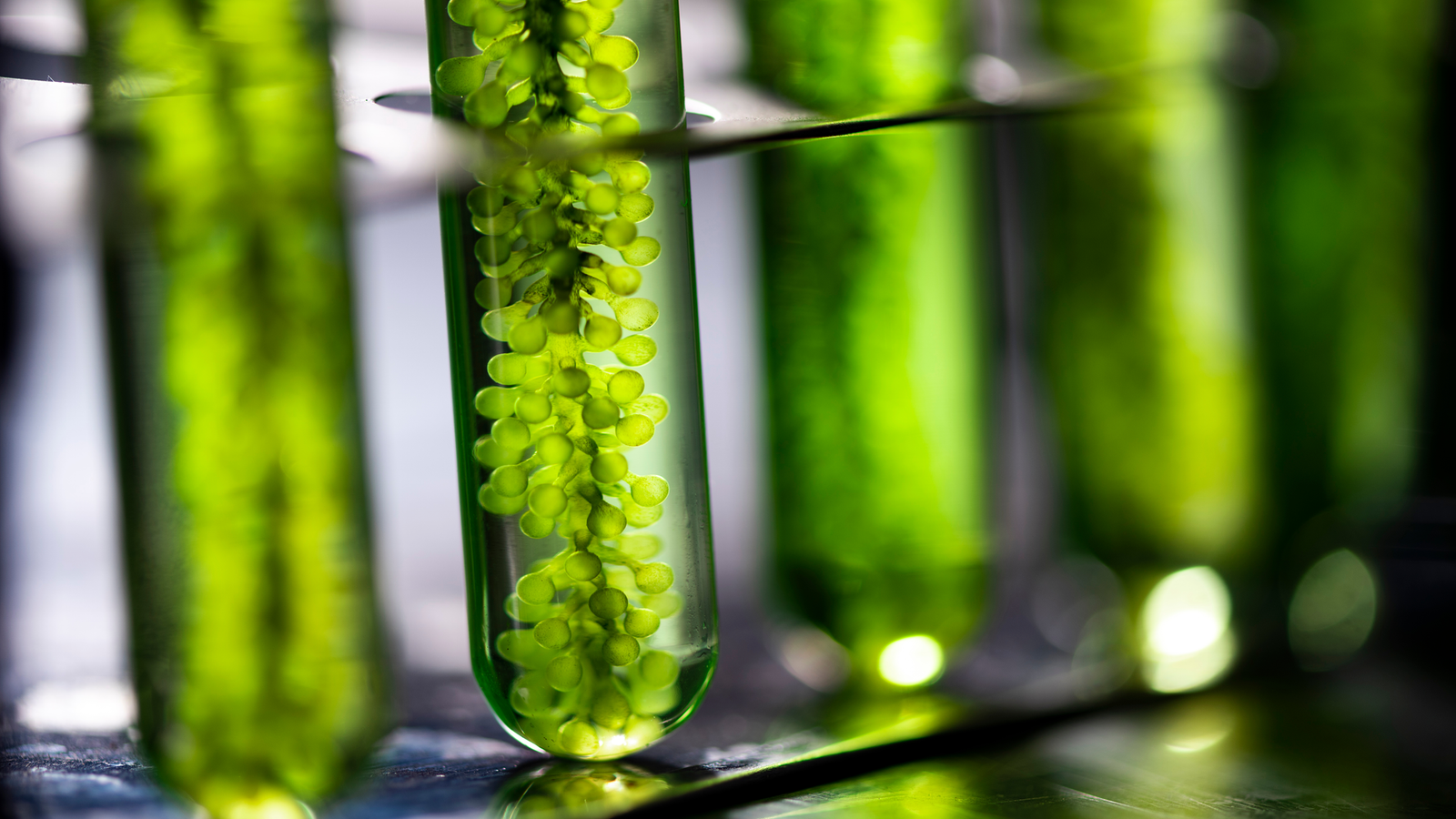
So, why all the fuss about these aquatic wonders? It boils down to pure, unadulterated goodness. Microalgae, like spirulina and chlorella, are microscopic powerhouses. They’ve been around forever, basically since the dawn of life on Earth, and they’ve been quietly churning out oxygen and nutrients. Think of them as nature’s original nutrient factories. And duckweed? That’s the stuff you see floating on ponds. Don’t let its humble appearance fool you; it’s an absolute nutritional beast, especially when it comes to protein. We’re talking about complete protein, a rarity in the plant kingdom, with a full spectrum of essential amino acids. This isn’t just hype; scientific studies are starting to really dig into their potential.

Source : scitechdaily.com
Microalgae: A Nutritional Powerhouse
Let’s break down the star players in the microalgae arena. Spirulina is probably the one you’ve seen most often, that deep blue-green powder. It’s loaded with protein, vitamins (especially B vitamins, which can be tricky for vegans), minerals like iron, and antioxidants that fight off cellular damage. Seriously, it’s like a multivitamin from the sea. Then there’s Chlorella. It’s famous for its detoxifying properties, thanks to its cell wall that can bind to heavy metals and other toxins, helping to flush them out of your system. It’s also bursting with chlorophyll, hence the name, which is fantastic for overall health. And don’t forget about DHA and EPA, those crucial omega-3 fatty acids usually found in fish. Microalgae are a direct, sustainable source. This is huge for environmental impact.
Duckweed: The Unexpected Protein King
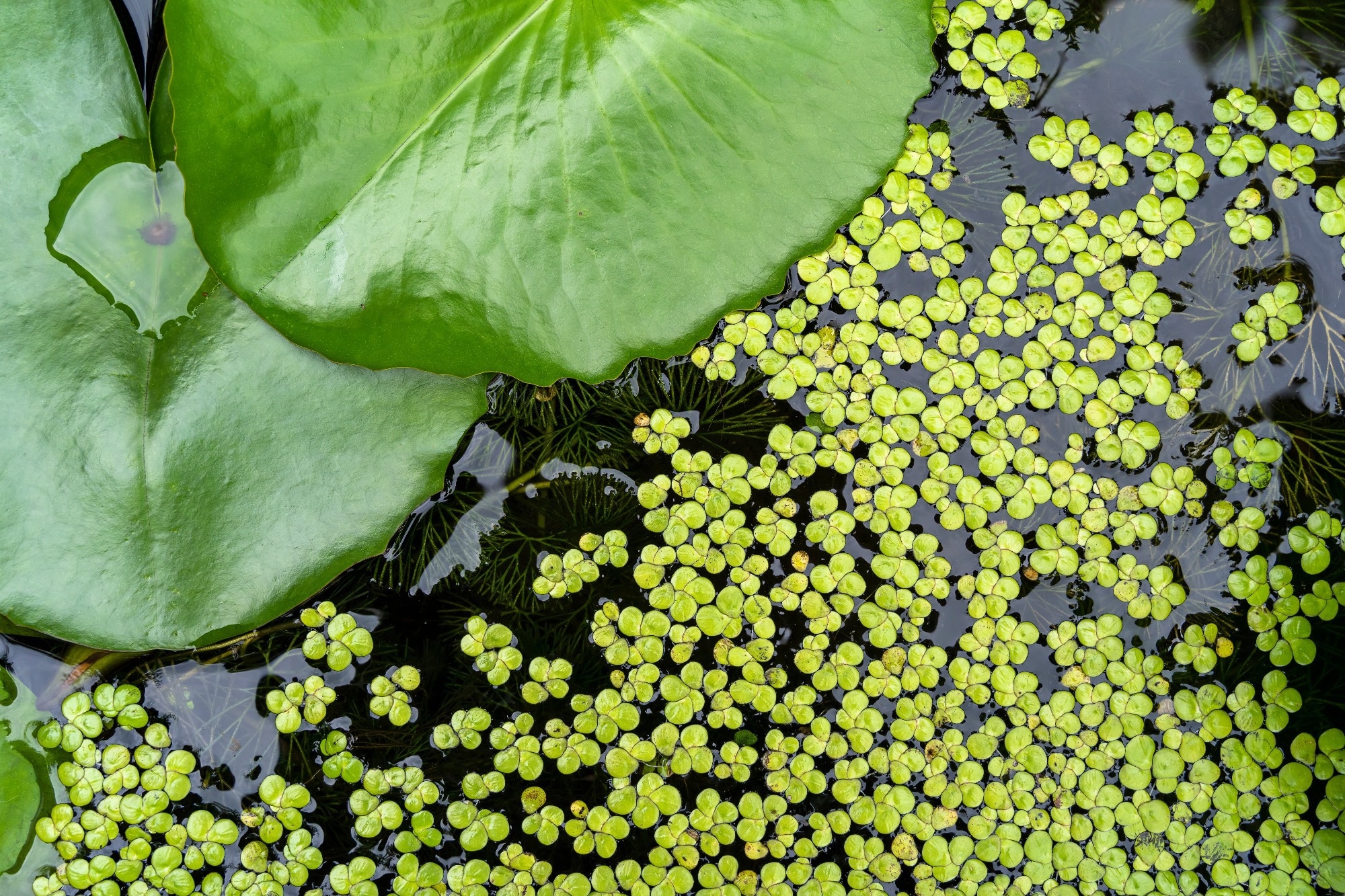
Okay, now for duckweed. It’s probably the underdog here, but don’t underestimate it. It grows incredibly fast, basically doubling its biomass in a matter of days under the right conditions. This makes it a super-efficient protein source. We’re talking protein content that rivals soybeans, but with a much smaller environmental footprint. It requires very little land, can be grown in wastewater (hello, sustainability!), and doesn’t compete with traditional agriculture for resources. Plus, it’s incredibly rich in vitamins and minerals. Early research shows it’s packed with antioxidants and compounds that could have anti-inflammatory effects. The potential here is massive, especially for feeding a growing global population without wrecking the planet. A recent study even highlighted its role in sustainable protein production, calling it out as a key player for the future. You can find out more about their protein potential in this scientific paper.
Taste and Texture: Can You Actually Eat This Stuff?
Source : news-medical.net
This is the million-dollar question, right? Will your taste buds revolt? The good news? Mostly, no. Microalgae, especially spirulina, has a strong, distinct flavor – often described as earthy or even a bit sea-like. It’s not for everyone on its own. But here’s the trick: you don’t eat it straight. You blend it into smoothies (the fruit masks the flavor perfectly), mix it into energy balls, or even add a touch to salad dressings. It adds a vibrant color and a nutrient boost without overwhelming the dish. Duckweed is even milder. It has a subtle, slightly starchy taste, almost like a mild leafy green or a very delicate pea. It can be eaten fresh, cooked like spinach, or dried and ground into a flour. Its versatility is a major selling point for culinary applications. Imagine adding a protein punch to your pancakes or pasta without a weird aftertaste. It’s about incorporating these superfoods strategically.
Sustainability: The Eco-Friendly Edge
This is where microalgae and duckweed truly shine. Traditional agriculture? It’s resource-intensive. It uses massive amounts of land, water, and often relies on chemical fertilizers and pesticides. Microalgae and duckweed, on the other hand, are champions of sustainability. They can be grown in closed-loop systems, often using wastewater, which means they actually help clean water while they grow. They require far less land than conventional crops. And their protein production efficiency is off the charts. For duckweed, its ability to grow rapidly with minimal inputs makes it a standout. This isn’t just about personal health; it’s about the health of the planet. Choosing these foods is a vote for a more sustainable future. It’s a way to eat well and do good, all at once.
How to Incorporate Them Into Your Diet
Ready to give these aquatic wonders a try? It’s easier than you think. Start small. For microalgae like spirulina or chlorella, a teaspoon in your morning smoothie is a great entry point. You’ll get a nutritional boost and a cool green color. If you’re feeling adventurous, try energy balls or protein bars. They blend surprisingly well. Duckweed is even more adaptable. You can find it fresh in some specialty stores or online. Toss a handful into your salads for added greens and protein. Sauté it like spinach with a bit of garlic. Or try duckweed powder – it’s a fantastic way to sneak extra protein and nutrients into baked goods, soups, or even just a glass of water. Don’t be afraid to experiment! Remember, consistency is key for reaping the health benefits, so find ways to make it enjoyable.

Source : amazon.com
The Future is Green (and Blue!)
Microalgae and duckweed aren’t just trendy ingredients; they represent a fundamental shift in how we think about food production and nutrition. They offer a sustainable, nutrient-dense alternative to conventional foods, addressing both personal health goals and global environmental challenges. As research continues and cultivation methods improve, expect to see these aquatic superfoods become increasingly common in supermarkets, restaurants, and our own kitchens. This is more than just a food fad; it’s a glimpse into a future where we can nourish ourselves and the planet more effectively. Get ahead of the curve and start exploring these amazing resources today. It’s time to embrace the power of the pond!
Frequently Asked Questions
What is the best algae superfood?
That’s like asking for the best flavor of ice cream – it really depends on what you’re looking for! But if I had to pick a top contender, spirulina often gets the nod for its sheer nutrient density. It’s packed with protein, vitamins, minerals, and antioxidants. Plus, it’s relatively easy to incorporate into smoothies and other foods without a super overpowering taste. Chlorella is amazing too, especially if you’re focused on detoxification. So, while there’s no single ‘best,’ spirulina is a fantastic starting point for most people wanting a powerful algae boost.
What are the negatives of duckweed?
Honestly, the negatives are pretty minor, especially when you consider its massive benefits. One potential concern is sourcing; you need to make sure you’re getting duckweed that’s grown specifically for human consumption, not just any old pond weed. Contamination is a real risk if it’s harvested from polluted water. Also, like spirulina, it has a distinct flavor that some people might need to get used to, though it’s generally much milder. Finally, it’s still relatively new in mainstream markets, so finding it can be a challenge. But overall? The pros heavily outweigh the cons. It’s a real nutritional gem.
What kind of duckweed can humans eat?
Great question! You can’t just go scooping any old duckweed from your local pond, sadly. The most commonly cultivated and studied species for human consumption is typically from the Lemna genus, often referred to as common duckweed or lesser duckweed. Some specific varieties like Lemna minor are widely recognized for their edibility and nutritional profile. It’s crucial to ensure that any duckweed intended for consumption is grown in controlled, clean environments, free from pesticides and contaminants. Look for products specifically marketed for human use. Don’t experiment with wild-harvested samples!
How do microalgae and duckweed compare in protein content?
This is where things get really interesting! Both are protein powerhouses, but they often shine in slightly different ways. Microalgae, like spirulina, can contain a significant percentage of protein by dry weight, often around 50-70%. It’s a complete protein source, meaning it has all nine essential amino acids. Duckweed is also incredibly protein-rich, with some varieties reaching up to 40% protein content, and it’s also a complete protein. The key difference often lies in scalability and specific amino acid profiles. Duckweed’s rapid growth and ability to be cultivated on a large scale make it particularly exciting for sustainable, high-volume protein production. It’s a fantastic alternative to animal protein.
Are there any potential side effects of consuming microalgae or duckweed?
For most people, consuming microalgae and duckweed in moderation is perfectly safe and beneficial. However, like anything new you introduce into your diet, it’s wise to start slow. Some individuals might experience mild digestive upset initially, like bloating or gas, as their system adjusts. With spirulina, particularly if it’s not sourced carefully, there’s a small risk of contamination with toxins if grown in unsafe conditions. Chlorella’s detoxifying effects can sometimes cause temporary headaches or fatigue as your body clears out impurities. It’s always a good idea to stick to reputable brands and follow recommended serving sizes. If you have specific health conditions or are on medication, it’s best to consult with a healthcare professional before adding these to your diet. Listen to your body!