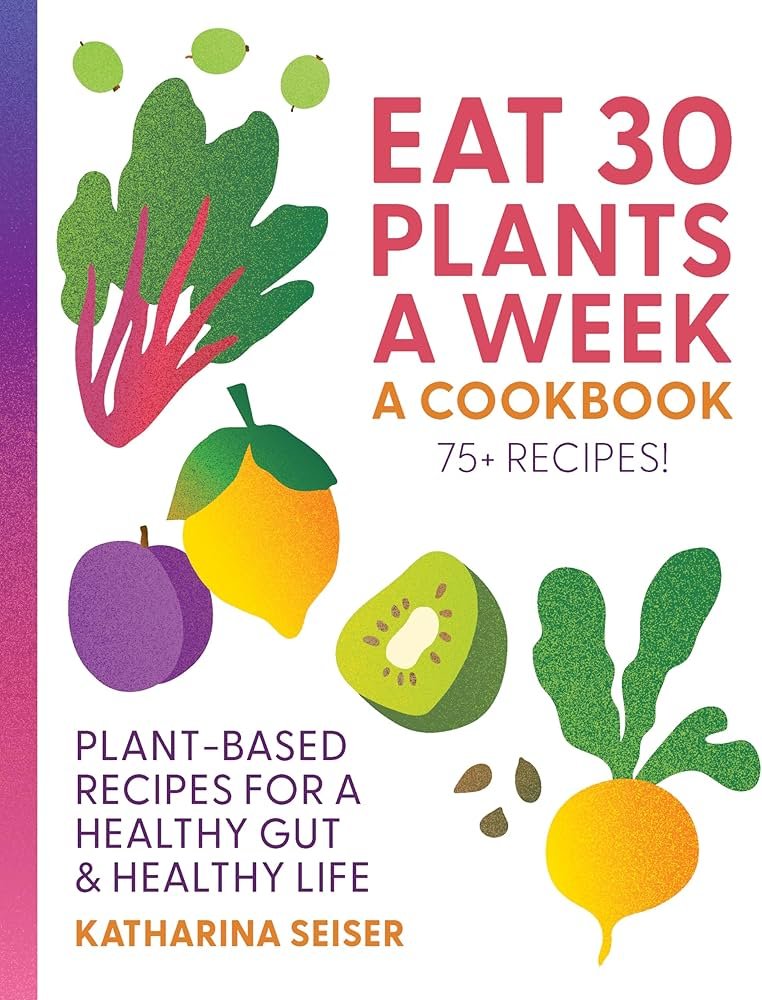
Plant-Based Eating 30: Your Guide to 30 Plants a Week
Why This Isn’t Just Another Diet Fad

Source : amazon.com
Alright, let’s cut to the chase. You’ve probably seen a million “eat this, not that” articles and diets that promise the moon and deliver a limp piece of cheese. But this? This is different. We’re talking about eating 30 plants a week. Yeah, you read that right. Thirty. It sounds like a lot, maybe even a bit much, but stick with me here. This isn’t about deprivation; it’s about abundance. It’s about treating your body to the best fuel nature can offer and, honestly, finally getting those elusive gut health benefits everyone’s raving about.
Forget counting calories or obsessing over macros for a sec. This is simpler, and I think, way more effective. It’s about diversity. Think of it like this: would you only listen to one song on repeat forever? Nah. Your body’s the same way. It craves variety, especially when it comes to the good stuff. This whole “30 plants” thing? It’s not some newfangled fad; it’s a smart, science-backed way to make your microbiome happy and your overall health sing.
The Dirt on ’30 Plants a Week’

Source : sprayfreefarmacy.com
So, what exactly is this whole “30 plants” movement all about? Basically, it’s a challenge, a goal, a lifestyle shift – call it what you want – to intentionally incorporate 30 different types of plants into your diet over the course of a single week. And when I say plants, I mean the good stuff: fruits, vegetables, nuts, seeds, legumes, and whole grains. That’s it. No weird supplements, no magic pills. Just good, honest, whole foods.
Why 30? Because each plant packs its own unique punch of fiber, vitamins, minerals, and those all-important phytonutrients. Eating a wide variety ensures you’re not missing out on crucial nutrients and, more importantly, you’re feeding your gut bacteria a diverse buffet. A diverse gut microbiome is linked to everything from better digestion and a stronger immune system to improved mood and even clearer skin. It’s the foundation of your overall well-being.
You might be thinking, “Thirty? That’s impossible!” But trust me, it’s more doable than you think. It’s about being mindful, a little bit creative, and swapping out some of the usual suspects for something new. Think beyond the standard salad. We’re talking herbs, spices, different kinds of beans, a rainbow of veggies. It’s a whole new world of flavor waiting to be explored. This approach has been gaining serious traction, with experts highlighting its potential for boosting health. You can dig into the specifics and see why it’s gaining traction on sites like Zoe.com, which explains the benefits of diverse eating.
Getting Your Boots Dirty: Practical Plant Power

Source : dpciwholesale.com
Okay, theory is great, but let’s talk brass tacks. How do you actually hit that 30-plant target without turning your kitchen into a botanical garden or spending all day prepping? It’s all about strategy. The key is to think about your meals and snacks across the entire week, not just one day. It’s a marathon, not a sprint. And it’s way less intimidating when you break it down.
The goal isn’t to eat 30 servings of plants daily – that would be insane. It’s 30 different types throughout the week. So, that handful of spinach in your smoothie? One plant. The chickpeas in your lunch salad? Another. The garlic and onion you sautéed for dinner? That’s two more. See? It adds up surprisingly fast when you start paying attention. This isn’t about being perfect; it’s about making progress and building better habits. Emory University even has a great piece discussing the potential of this strategy for improved health outcomes, which you can read about here.
Quick Wins: Easy Plant Additions
Let’s break down some easy wins. These are simple swaps or additions that boost your plant count without a massive overhaul. Think of these as your entry points to a more vibrant diet. No need for fancy techniques, just good food.
Fruits Galore
Don’t underestimate the power of fruit. Berries are superstars here – toss a mix of blueberries, raspberries, and strawberries into your yogurt or oatmeal. One bowl, three plants. Boom. Add a banana to your smoothie, an apple as a snack, maybe some orange slices with lunch. Fruits are an easy way to tick off multiple boxes and satisfy that sweet craving naturally. Plus, they’re packed with antioxidants.
Veggie Variety
Here’s where you can really shine. Instead of just lettuce and tomatoes, why not try a different kind of green? Kale, spinach, arugula, Swiss chard – they’re all different! Add bell peppers of various colors, different types of mushrooms, or even a unique squash. Roasting vegetables brings out their natural sweetness and makes them incredibly appealing. Don’t forget onions and garlic; they’re staples for a reason and count towards your total. Small additions make a big difference.
Nuts & Seeds: Tiny Powerhouses
A sprinkle of seeds on your salad, a handful of nuts for a snack – these are easy plant points. Think chia seeds, flax seeds, sunflower seeds, pumpkin seeds, almonds, walnuts, cashews. They add crunch, healthy fats, and protein. Just a tablespoon of mixed seeds can be two or three new plant types. It’s incredible how these small additions contribute to hitting your weekly plant goal.
Legumes and Grains: The Filling Friends
Beans and lentils are nutritional gold. Add black beans to your tacos, kidney beans to your chili, or lentils in a soup. They’re filling, cheap, and super versatile. Don’t forget whole grains like quinoa, brown rice, or oats. These are essential parts of a plant-rich diet and contribute significantly to your fiber intake. They make meals substantial and keep you satisfied for longer.
Precision Fermentation: Dairy Without the Cow

Source : youtube.com
What is Precision Fermentation?
Okay, let’s talk about something wild. You know how we’ve got these fancy ways to grow meat in labs? Well, precision fermentation is kinda like that, but for dairy. Instead of a cow, you’ve got these tiny microbes – like yeast or bacteria – doing the heavy lifting. We feed them stuff, they churn out proteins and fats that are identical to what you’d find in milk. Mind-blowing, right? It’s a total game-changer for dairy alternatives.
How Does it Work?
So, the scientists take the DNA for, say, whey protein from a cow’s milk. They slip that DNA into a microbe. Then, they chuck that microbe into a big ol’ tank – think of it like a giant, super-controlled brewery. The microbe feasts on sugars and nutrients, and bingo! It starts producing those exact milk proteins. No cows needed. No methane. Just pure, clean protein that’s chemically identical.
The Future of Cheese and Ice Cream
This is where it gets really exciting for foodies. Imagine cheese that tastes exactly like the real deal, made without any animal agriculture. Or ice cream that’s unbelievably creamy, but completely dairy-free. Companies are already doing this. They’re using precision fermentation to make casein and whey proteins, the building blocks of dairy. This means we’re on the cusp of a revolution in vegan cheese and ice cream that actually tastes like… well, like dairy. It’s not just about replacing milk; it’s about recreating the entire dairy experience, minus the cow.
The Best Lab-Grown Meat Alternatives of 2026
Source : scispot.com
What is Cultivated Meat?
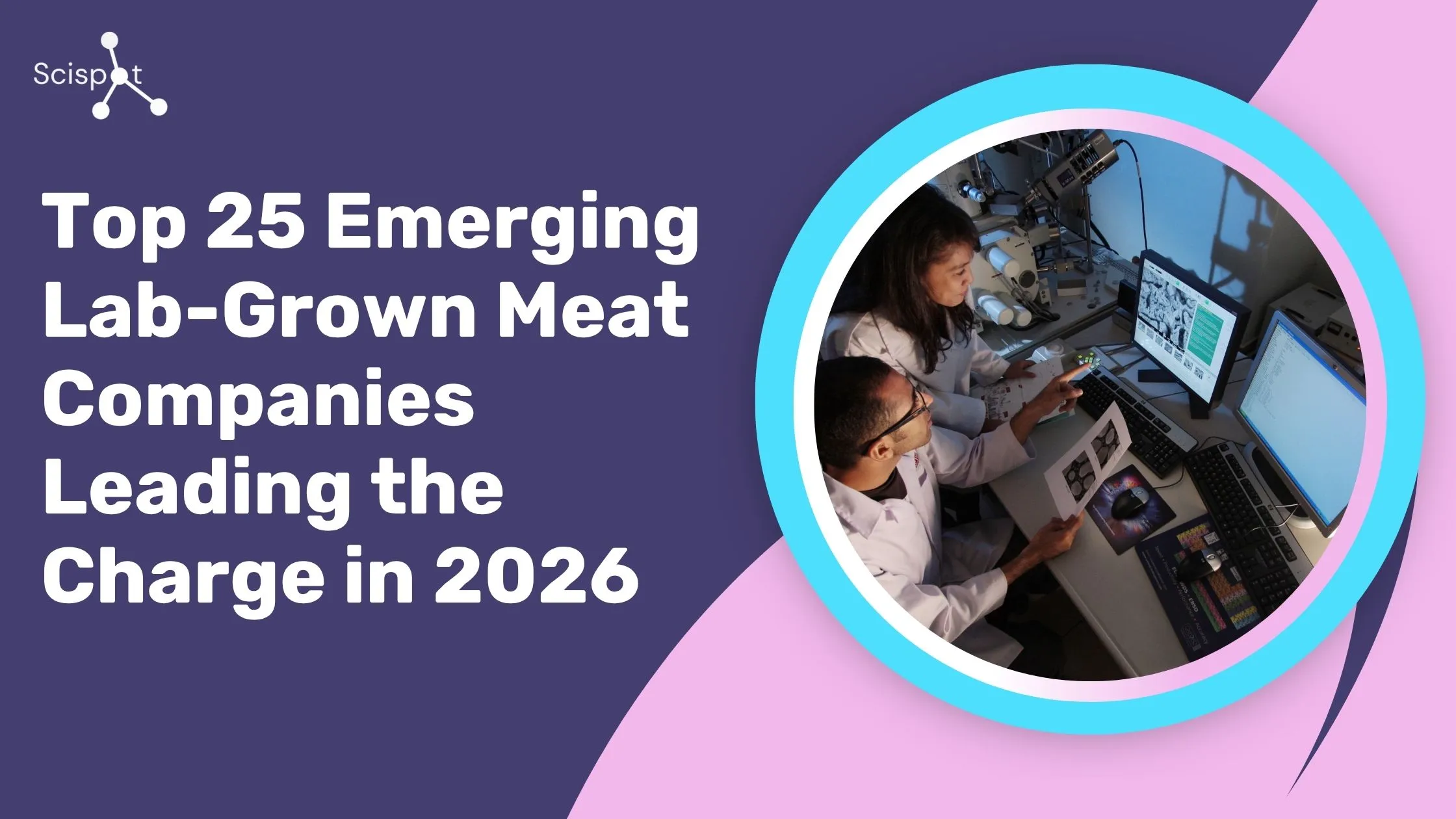
Forget your veggie burgers for a sec. Cultivated meat, sometimes called lab-grown or cell-based meat, is the real deal. We take a few cells from an animal – a quick, painless biopsy, basically – and then we grow those cells into actual meat in a cultivator. It’s not plant-based; it’s animal meat, just without the animal having to live its whole life and then be slaughtered. Think of it like brewing beer – you start with a culture, and you let it grow.
Is it Ready Yet?
Honestly? It’s getting there. In 2026, we’re seeing some serious advancements. We’ve got a few pioneers like UPSIDE Foods and GOOD Meat who’ve gotten regulatory approval in places like the U.S. and Singapore. So yeah, you can actually buy it now, though it’s not exactly in every grocery store freezer aisle yet. Getting the cost down and scaling production are still the big hurdles. But the taste? Reports say it’s getting pretty darn close to the real thing.
Top Contenders to Watch
Who’s leading the charge? UPSIDE Foods is definitely a big name, focusing on chicken. GOOD Meat, a subsidiary of Eat Just, is also huge, already selling cultivated chicken in Singapore. Then you’ve got startups like Mosa Meat (the guys who made the first lab-grown burger way back when) and Aleph Farms, exploring beef and steak. The variety is growing faster than you can imagine. Keep an eye on these companies if you’re curious about the future of sustainable protein.
Microalgae and Duckweed: The New Superfoods
Source : frontiersin.org
Tiny Plants, Massive Benefits
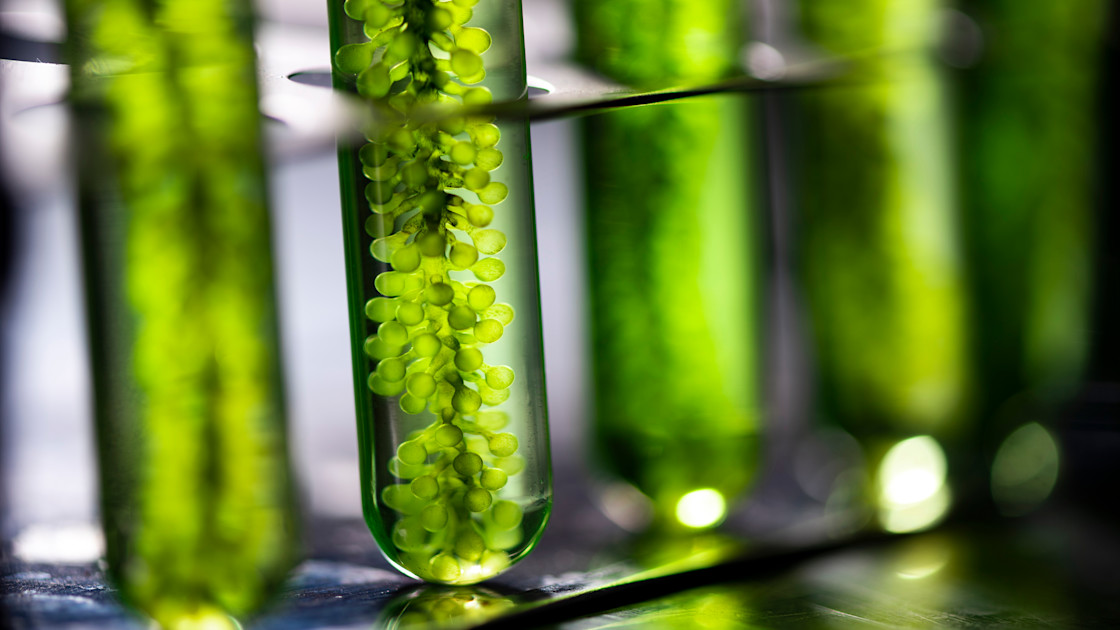
Okay, so you’re trying to eat more plants, but you’re feeling a bit… bored? Maybe you’ve hit your 30 different plants-a-week goal, but you want to add some serious nutritional punch. Enter microalgae and duckweed. These aren’t your garden-variety greens. These aquatic powerhouses are packed with stuff your body craves. We’re talking complete proteins, essential fatty acids like omega-3s, vitamins, and minerals. It’s like a nutrient explosion in a tiny package.
Microalgae: The Ocean’s MVP
Think spirulina and chlorella. These blue-green algae are practically nutritional superstars. Spirulina? It’s loaded with protein (like, 60-70% protein by dry weight!), iron, and antioxidants. Chlorella is a detox champ, full of chlorophyll and other goodies. You can find them as powders, tablets, or even in some health drinks. They taste… well, they taste like algae. But if you can get past that, the health benefits are off the charts. It’s a seriously impressive protein source.
Duckweed: The Surprising Starch
And then there’s duckweed. Yeah, the stuff that floats on ponds. Turns out, it’s incredibly nutritious and grows like crazy. It’s a fantastic source of protein, fiber, and minerals. Plus, it’s naturally low in starch, which is great for blood sugar management. Some companies are even developing duckweed-based flours and protein isolates. Imagine pancakes or pasta made from pond weed! It sounds weird, but it’s a super sustainable and efficient way to get your nutrients. Seriously, give sustainable superfoods a chance.
High-Protein Vegan Meal Prep Strategies

Source : thatveganbabe.com
Ditch the Dengue (and the Hunger Pangs)
Alright, let’s get real. Going vegan doesn’t mean you have to live on sad salads and wonder when your next meal is. Especially if you’re active or just want to feel full and energized. The key? High-protein vegan meal prep. It’s about setting yourself up for success so you’re not scrambling for food and ending up with… well, something less than ideal. Think of it like prepping your toolkit before you start a big job.
The Protein Powerhouses
What are we talking about here? Lentils, beans (black, kidney, chickpeas – the gang’s all here!), tofu, tempeh, edamame, quinoa, seitan. Nuts and seeds are great too, but pack more calories. We’re also looking at protein powders if you need a boost. The trick is to incorporate at least one of these into every meal. A lentil shepherd’s pie for dinner? Awesome. Tofu scramble for breakfast? You bet. Chickpea salad sandwiches for lunch? Easy peasy. Consistency is key to success.
Batch Cooking Basics
So how do you prep? Start simple. Cook a big batch of quinoa or brown rice. Roast a huge tray of vegetables. Bake or pan-fry a few blocks of tofu or tempeh. Make a big pot of lentil soup or chili. Portion these out into containers. Then, throughout the week, you can mix and match. Need lunch? Grab a container of quinoa, some roasted veggies, and a portion of baked tofu. Done. It takes maybe an hour or two on a Sunday, and it saves you SO much time and stress during the week. It’s about working smarter, not harder, to get your daily protein.
| Meal Type | Protein Focus | Prep Example | Easy Add-ins |
|---|---|---|---|
| Breakfast | Tofu, Tempeh, Beans | Tofu Scramble with Black Beans | Nutritional Yeast, Veggies |
| Lunch | Lentils, Chickpeas, Quinoa | Lentil Soup with Quinoa | Leafy Greens, Seeds |
| Dinner | Seitan, Tofu, Beans | Seitan Stir-fry with Edamame | Brown Rice, Broccoli |
| Snacks | Nuts, Seeds, Protein Powder | Trail Mix, Protein Shake | Fruit, Veggie Sticks |
Transitioning to a Flexitarian Diet Effortlessly
Source : gonutriworld.com
No Meat? No Problem.
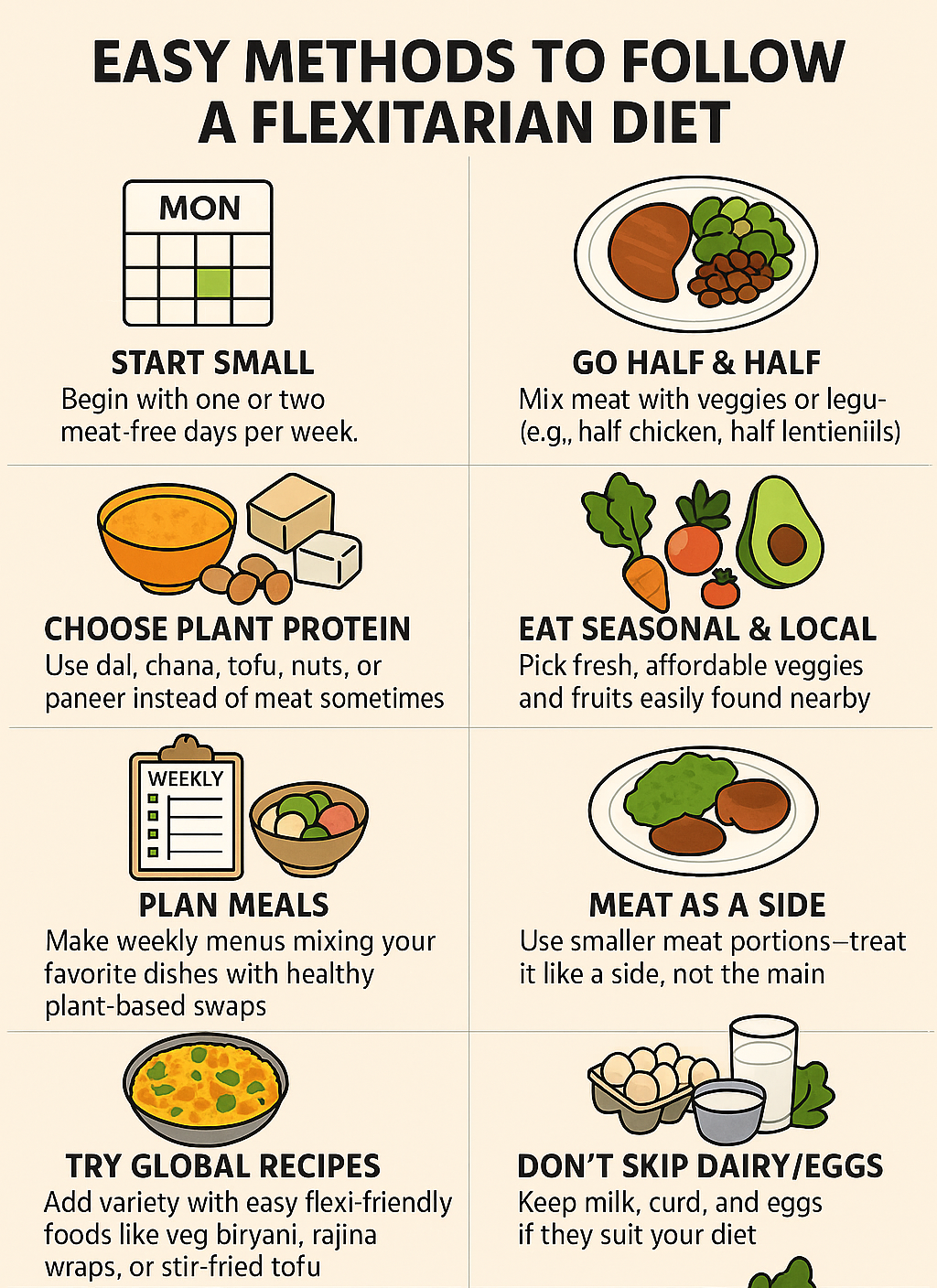
Look, I get it. Going full vegan or vegetarian sounds daunting. Maybe you love the taste of bacon too much, or you’re just not ready to give up your grandma’s roast chicken recipe. That’s totally fine! The flexitarian diet is where it’s at. It’s basically eating plant-based most of the time, but allowing yourself meat and other animal products occasionally. It’s the easiest way to start eating healthier and more sustainably without a total lifestyle overhaul.
Start Small, Win Big
Don’t try to change everything overnight. That’s a recipe for disaster. Instead, pick one or two days a week to go fully meat-free. Meatless Mondays are popular for a reason! Try swapping out beef for lentils in your chili, or use black beans instead of ground beef in tacos. You’ll be surprised at how delicious and satisfying these meals can be. The goal here is progress, not perfection. This isn’t about deprivation; it’s about adding variety.
Focus on Flavor, Not Fear
The biggest mistake people make when cutting back on meat is thinking their meals will be bland. That’s just not true! Load up on herbs, spices, garlic, onions, citrus. Explore global cuisines – Indian, Thai, Mexican food are packed with incredible plant-based flavors. Use ingredients like mushrooms for umami, avocados for creaminess, and roasted vegetables for sweetness. You might find you don’t even miss the meat most of the time. Want to know more? Check out how eating 30 different plants can boost your health. It’s all about discovering new tastes and textures. Being flexitarian means you get the best of both worlds – delicious plant-based meals and the occasional treat.
Frequently Asked Questions
-
Is eating plant-based really healthier?
Yeah, for sure. Most people feel way better. You’re ditching a lot of the saturated fat and cholesterol that are bad news for your heart. Plus, you’re loading up on fiber, vitamins, and antioxidants from all those fruits, veggies, and grains. Think of it like upgrading your car’s fuel – you just run better. It’s a solid move for long-term health.
-
How do I get enough protein on a plant-based diet?
This is the classic question, right? It’s actually easier than you think. You’ve got tons of options: lentils, beans, chickpeas, tofu, tempeh, nuts, seeds, even whole grains like quinoa pack a punch. Mix and match throughout the day, and you’ll hit your protein goals without even trying. No need to stress about it.
-
Will I save money eating plant-based?
You absolutely can, but it depends on how you shop. Buying staples like rice, beans, and oats in bulk is super cheap. Pre-packaged vegan ‘meats’ and fancy substitutes? Those can add up fast. But honestly, focusing on whole foods like veggies, fruits, and legumes is usually way kinder to your wallet than filling your cart with animal products. It’s all about smart choices.
-
Is it hard to transition to a plant-based diet?
It can feel like a big change at first, sure. But you don’t have to go all-in overnight. Start by swapping out a few meals a week. Try a meatless Monday or switch your regular milk for almond milk in your coffee. Most people find it gets easier the more they do it. Plus, there are so many amazing recipes out there now, it’s fun to explore.
-
What are the main challenges of a plant-based diet?
Honestly, the biggest hurdles are usually social and mental. You might deal with questions from friends or family, or just the habit of eating certain foods. Finding convenient options when you’re eating out can sometimes be tricky, though it’s getting much better. And you gotta make sure you’re getting enough B12, usually through supplements or fortified foods. But overall? It’s totally manageable.