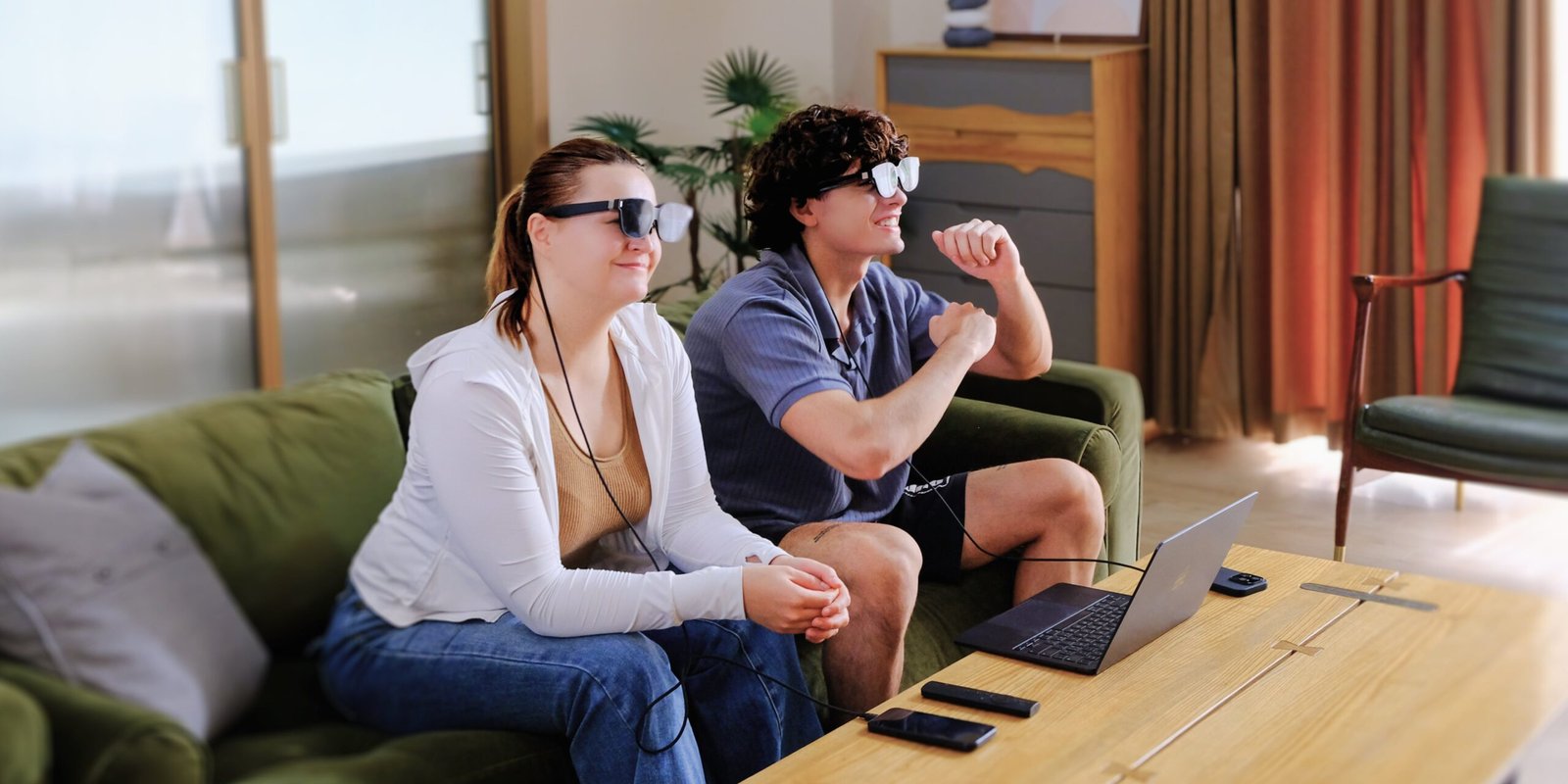
Forget your phone for a second. Seriously. Toss it aside.
Because the way we interact with the digital world? It’s about to get a whole lot more… physical. We’re not just talking about cool goggles anymore.
This is about spatial computing, and it’s creeping into your everyday life faster than you think. It’s the next big leap, a fundamental shift in how we work, play, and just plain live.

Source : inairspace.com
What’s the Big Deal with Spatial Computing Anyway?
Okay, so what exactly is spatial computing? Think of it as the internet, but instead of looking at a flat screen, you’re in it. It’s about blending the digital and physical worlds.
Your apps, your data, your notifications – they aren’t confined to a little rectangle anymore. They can exist in 3D space, all around you. It’s like having a super-powered, interactive layer on top of reality.
This isn’t sci-fi; it’s the next wave of computing, built on augmented reality (AR) and virtual reality (VR) tech.
For ages, we’ve been glued to screens. Laptops, tablets, phones. It’s worked, sure, but it’s also been incredibly isolating.
You’re hunched over, staring into a box. Spatial computing flips that. It’s about making technology disappear into the environment, becoming as natural as talking or walking.
Imagine trying to fix a leaky faucet, and instead of fumbling with a YouTube tutorial, a holographic guide pops up right next to the pipe, showing you exactly where to turn. That’s the promise. That’s the shift.
It’s Not Just for Gamers Anymore
Let’s get one thing straight: this isn’t just about strapping on a headset to blast aliens. That’s a tiny fraction of the picture. The real revolution?
It’s happening in the mundane. The everyday tasks. Accenture talks about how consumer spatial computing is already changing how we shop and connect.
Think about trying on clothes virtually before you buy, or visualizing furniture in your living room before you click “add to cart.” That’s not just convenient; it’s downright smart. It cuts down on returns, saves you time, and frankly, it’s a lot more engaging than scrolling through endless product pages.
And the workplace? Forget clunky monitors. Imagine architects walking through digital blueprints on a construction site, seeing the finished building materialize before their eyes.
Or surgeons practicing complex procedures with hyper-realistic simulations. Even simple meetings can become more immersive. Instead of a grid of faces on Zoom, you could feel like you’re in the same room, interacting with shared 3D models.
It’s about making collaboration more intuitive, more effective. It’s about using 3D data visualization to understand things we couldn’t before.
The Building Blocks: How AR Makes It Happen
So, how does all this digital magic get layered onto our real world? That’s where augmented reality steps in. It’s the key ingredient.
AR takes the digital information – the holograms, the guides, the virtual objects – and overlays them onto your view of the physical environment. It’s not about replacing reality; it’s about enhancing it. Your phone camera already does a basic version of this with filters, right?
Spatial computing takes that concept and runs with it, making it far more sophisticated and interactive.
Think of the tech involved: advanced sensors, cameras, powerful processors packed into increasingly smaller devices. These devices – be it glasses, headsets, or even your existing smartphone – need to understand the space around you. They map surfaces, track your movements, and then place digital content accurately within that space. It’s a constant dance between the real and the virtual, and the better the tech gets at understanding that relationship, the more seamless and useful spatial computing becomes.
Five Ways AR is Already Changing Things (And You Might Not Even Realize It)
You’d be surprised how much AR is already weaving its way into our lives. It’s not always a futuristic headset. Sometimes, it’s right there on your phone.
Navigation Gets Real
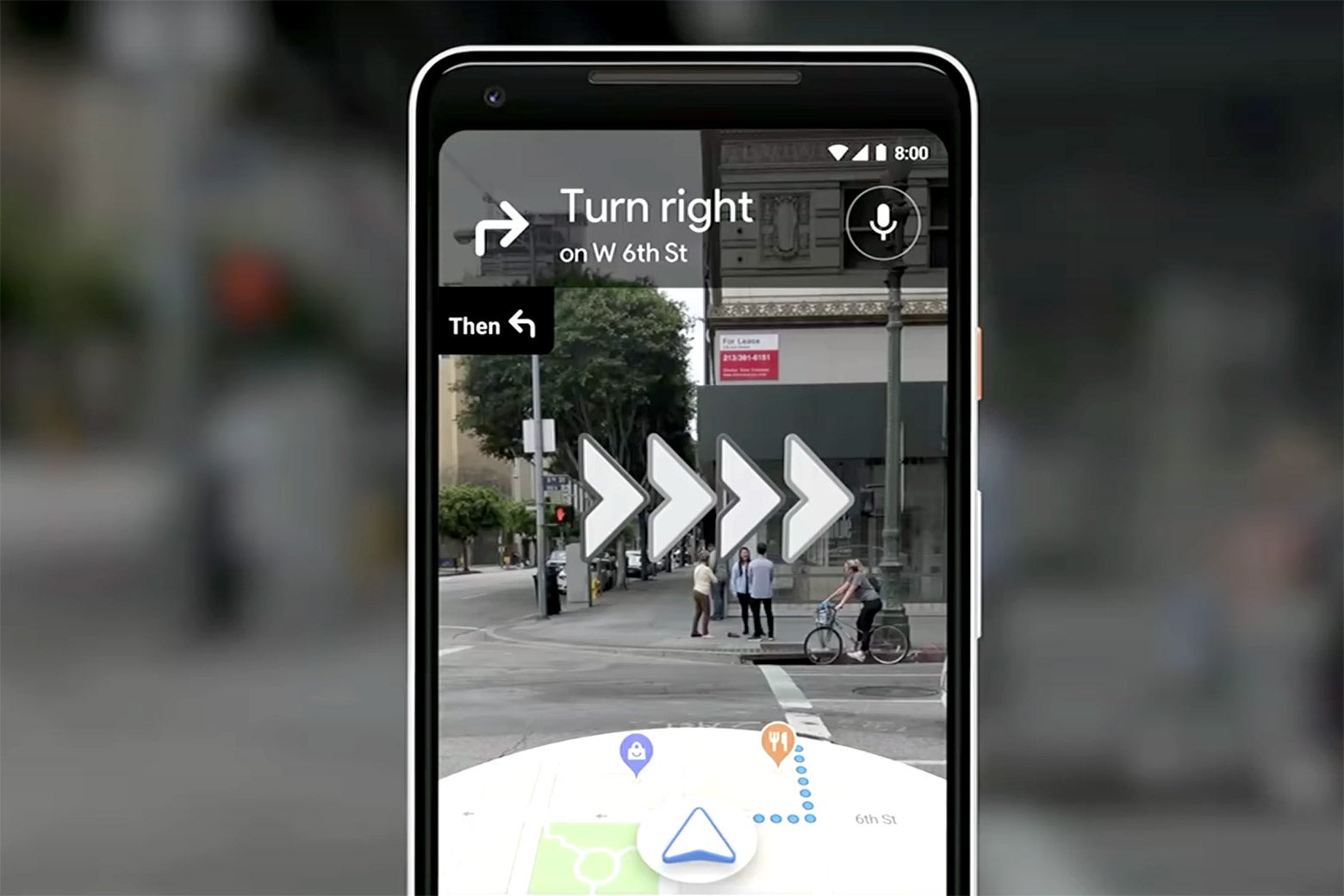
Ever used Google Maps’ Live View? That’s AR. Instead of a confusing arrow on a blue dot, you see arrows and directions overlaid directly onto your camera’s view of the street.
It’s way easier to figure out which way to turn when the directions are literally on the sidewalk in front of you. This is huge for making AR navigation a standard feature.
Shopping Becomes Experiential
Remember trying on furniture? Ikea Place lets you drop virtual couches and tables into your actual living room to see how they fit. Sephora’s Virtual Artist lets you try on makeup using your phone’s camera.
These aren’t just gimmicks; they’re reducing purchase anxiety and making online shopping feel more tangible. It’s about making virtual try-on a common thing.
Learning Comes Alive
Textbooks can be… dry. AR apps can bring diagrams to life. Imagine biology students seeing a 3D heart beating on their desk, or history students exploring ancient ruins right in their classroom.
It’s about making learning interactive and memorable. Think of educational AR apps changing how kids learn.
Entertainment Gets Personal
Pokémon GO, anyone? That was AR’s big mainstream moment. But it goes beyond games.
Imagine watching a sports game where real-time stats and player info pop up next to the athletes on your screen. Or attending a concert where virtual effects fill the stadium, visible through your device. This is interactive entertainment evolving.
Work Tasks Get Guided
For technicians and field workers, AR can be a lifesaver. Imagine a mechanic seeing repair instructions or diagnostic data projected onto the engine they’re working on. Or a warehouse worker getting optimized picking routes displayed in their field of vision. It’s about providing contextual work instructions exactly when and where they’re needed.
These examples show that spatial computing, powered by AR, isn’t some distant future concept. It’s here, it’s practical, and it’s quietly making our lives easier and more interesting. The next step?
Making it even more pervasive, more intuitive, and more integrated into our daily routines. It’s an exciting time, and we’re just scratching the surface.
Apple Vision Pro and Beyond AR in 2026

Source : unboundxr.com
The Vision Pro’s First Impressions: A Glimpse of the Future?
Okay, let’s talk about the Apple Vision Pro. It’s here. It’s real.
And frankly, it’s a beast. Forget those clunky VR headsets from years ago; this thing feels different. It’s sleek, it’s powerful, and it’s definitely made a splash.
But is it going to change your daily life tomorrow? Probably not. Not yet, anyway.
Think of it as the first iPhone – revolutionary, sure, but you weren’t exactly ditching your flip phone for it overnight. The price tag alone is a huge barrier, pushing it firmly into the ‘early adopter’ or ‘professional creative’ category for now. Still, what it shows us about what’s coming next?
That’s the real kicker. It’s a major step forward for spatial computing, proving that advanced AR isn’t just science fiction anymore.
What AR Hardware Will Actually Look Like in 2026
So, what’s realistic for 2026? Apple’s Vision Pro is a high-end halo product. We’ll see more affordable, lighter-weight AR glasses hit the market.
Think less ‘ski goggles’ and more stylish eyewear. Companies are pouring billions into this, and the tech is shrinking fast. Expect devices that blend seamlessly into your wardrobe, not something you feel self-conscious wearing.
These won’t just be for gaming or niche apps; they’ll be for everyday tasks. Imagine getting directions overlaid on the street in front of you, or seeing notifications pop up subtly in your peripheral vision. It’s about augmenting reality, not replacing it entirely.
And the battery life? That’s the big hurdle, but engineers are working overtime. We’ll get there.
The Software Ecosystem: Apps Make or Break AR
Hardware is only half the battle. What are you actually going to do with these things? That’s where the apps come in.
Right now, the AR app landscape feels a bit like the early days of the smartphone – lots of cool tech demos, but not enough killer apps for the average person. But look at how quickly things evolved with mobile. Once developers saw the potential and the user base grew, the creativity exploded.
We’re going to see that happen with AR, too. Think integrated shopping experiences, interactive educational tools, and entirely new forms of entertainment. The AR app revolution is coming, and it’ll be driven by developers finding innovative ways to blend digital information with our physical world.
How AR is Revolutionizing Online Furniture Shopping
Source : resources.imagine.io
Seeing is Believing: Virtual Furniture Placement
Let’s be honest, buying furniture online is a gamble. You stare at photos, measure your living room for the tenth time, and then hope that armchair actually fits and doesn’t look like a giant purple blob in your space. Nightmare fuel, right?
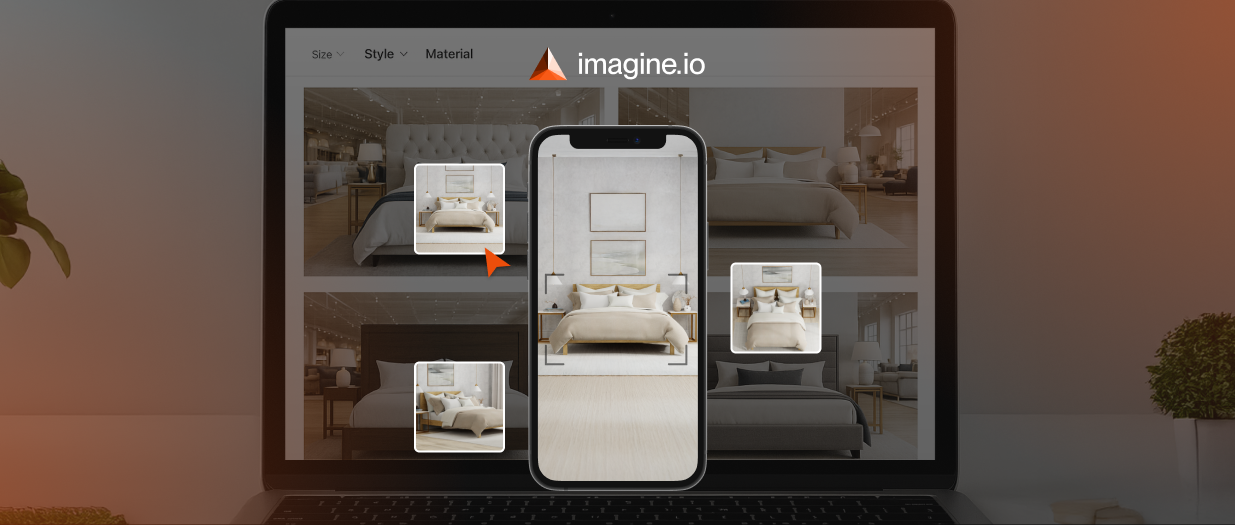
Well, AR furniture apps are changing all that. They let you virtually place pieces directly into your room using your phone or tablet. You can see exactly how that sofa will look against your wall, check if the coffee table clashes with your rug, and even walk around it to get a true sense of scale.
It takes the guesswork out of it. No more returning massive items because they just don’t work. This is a huge win for shoppers and retailers alike.
Bridging the Gap Between Online and In-Store Experience
Retailers get it. They want to give you that ‘in-store’ feel without you having to leave your couch. AR does that.
It’s not just about seeing a product; it’s about experiencing it. Imagine trying out different paint colors on your walls before you buy gallons of the stuff, or seeing how a new kitchen cabinet configuration would actually look in your space. It builds confidence.
When you can visualize the end result perfectly, you’re much more likely to click ‘buy.’ This technology reduces buyer’s remorse and can significantly cut down on costly returns for businesses. It’s a smart way to merge the convenience of e-commerce with the certainty of traditional retail.
The Future of Retail: AR Showrooms and Personalized Design
We’re moving towards a future where online furniture shopping is less about browsing endless catalogs and more about interactive, personalized design. Think of AR as your personal interior designer. You can experiment with different styles, swap out fabrics, and arrange entire room layouts virtually.
Some high-end retailers are already exploring AR-powered showrooms where you can walk through a digital representation of a store. For the consumer, it means more control and creativity. For businesses?
It means deeper customer engagement and a more efficient sales process. It’s a win-win.
AR Navigation Apps Altering How We Walk Cities
Source : slate.com
Beyond the Blue Dot: Contextual Navigation
GPS on your phone is useful, sure. That little blue dot telling you you’re somewhere is helpful. But it’s a bit like navigating with a blindfold on.
You have to constantly look down, match the map to your surroundings, and try to figure out which way is actually ‘north’ right now. AR navigation apps ditch the 2D map. They overlay directions directly onto your view of the real world.
See an arrow pointing you down the correct street? Check. A virtual marker showing exactly which door to enter?
Check. It’s intuitive. It makes navigating unfamiliar places feel incredibly simple, almost like you’ve lived there forever.
This is transforming urban exploration.
Faster, Safer, Smarter City Wandering
Think about it: how much safer are you when you’re not glued to your phone screen while walking? With AR navigation, you can keep your eyes up, scanning your surroundings for traffic, obstacles, or interesting sights. This is a big deal, especially in busy, chaotic cities.
Plus, it’s just plain faster. No more stopping on a busy corner to decipher a map. The directions are right there, integrated into your vision.
Whether you’re a tourist trying to find that hidden gem cafe or a local exploring a new neighborhood, AR makes the journey smoother and more enjoyable. It’s less about the destination and more about the seamless way you get there.
The Evolution of Wayfinding: From Signs to Digital Overlays
For centuries, we’ve relied on physical signs and maps to find our way. AR is essentially the next evolution of that. Instead of looking at a sign, the directions become part of your view.
This has massive implications for public spaces, large venues like stadiums or airports, and even accessibility for people with certain disabilities. Imagine virtual signage that highlights accessible routes or points out points of interest in multiple languages. The potential to enhance public navigation is immense, making cities more accessible and less intimidating for everyone.
It’s a subtle shift, but a profound one.
Virtual Try-Ons: The End of Retail Fitting Rooms?
Source : hqsoftwarelab.com
The Fitting Room Nightmare: A Thing of the Past?
Ugh, fitting rooms. Fluorescent lights that make you look sickly, mirrors that reflect everything, and that awkward shuffle to try and change without flashing the entire store. Who actually enjoys that?
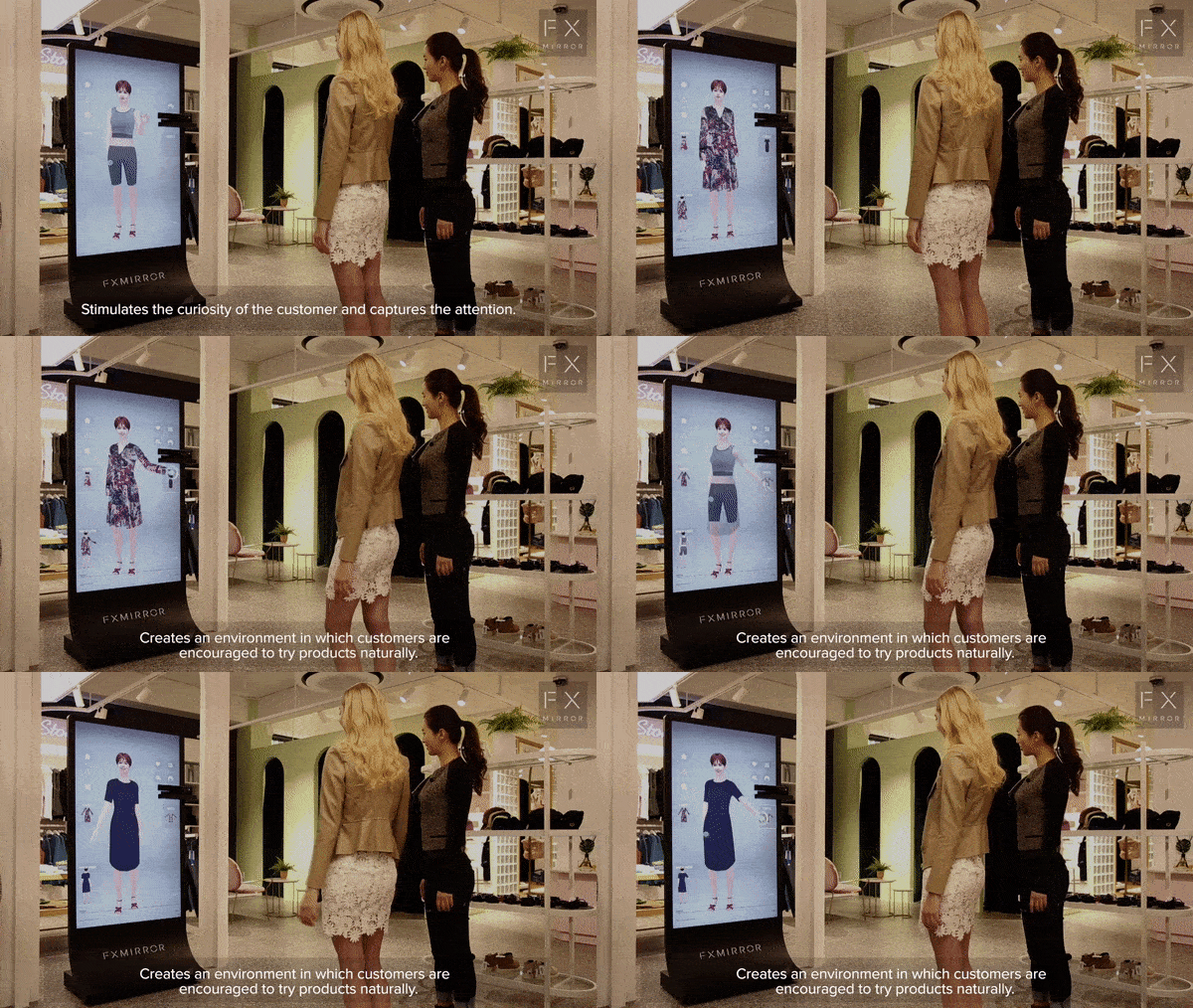
Virtual try-on technology promises to make this whole experience obsolete. Using AR via your phone or smart mirrors in stores, you can see how clothes look on your body without ever stepping into a tiny, cramped booth. You can try on dozens of outfits in minutes, not hours.
It’s faster, more convenient, and frankly, less embarrassing. This is poised to disrupt traditional retail models.
Mirror, Mirror on the Wall: Smart Mirrors in Stores
Retailers are investing heavily in “smart mirrors.” These aren’t your grandma’s looking glasses. They use AR to let you see yourself in different outfits. You can tap the mirror to switch sizes, colors, or even entire outfits.
Some can even suggest matching accessories. It’s a way to blend the digital and physical shopping experiences, offering a cool, interactive element that draws customers in. It also provides valuable data for retailers about what customers are trying on, even if they don’t buy it.
It’s a game-changer for in-store shopping, making it more engaging and efficient.
At-Home Styling: Try Before You Buy, Virtually
This tech isn’t just for brick-and-mortar stores. Many online fashion retailers now offer AR try-on features directly through their apps. You can upload a picture of yourself or use your phone’s camera to see how a dress, a pair of glasses, or even makeup would look on you.
This dramatically reduces the friction of online shopping for apparel. If you can accurately visualize how something will look and fit, you’re far more likely to make a purchase. It combats the ‘will this suit me?’ hesitation and helps build customer confidence online.
It’s a powerful tool for reducing returns and boosting sales.
Blurring Realities: The Ethics of Always-On AR

Source : medium.com
The Digital Overlay Dilemma: Privacy and Surveillance
Okay, so AR sounds pretty cool, right? Directions on your glasses, virtual furniture… but what happens when it’s always on?
When your glasses or contacts are constantly scanning and processing the world around you? That’s where things get ethically murky. Imagine your AR device recognizing everyone you see, pulling up their social media profiles, or recording every interaction.
Who owns that data? Who has access to it? The potential for privacy invasion is staggering.
We need clear rules about data collection and usage before this technology becomes ubiquitous. It’s a slippery slope.
Information Overload and Distraction
Our brains are already bombarded with information from smartphones, social media, and the general chaos of modern life. Now imagine adding another layer of digital information overlaid onto everything you see. Constant notifications, targeted ads popping up in your vision, digital distractions everywhere.
It could become incredibly overwhelming. Will we be able to focus? Will our attention spans shrink even further?
The risk of digital overload and constant distraction is very real. We need to design these systems to be helpful, not intrusive. It’s about augmenting reality, not drowning in it.
The Digital Divide and Social Inequality
Let’s not forget that cutting-edge technology is rarely cheap, especially at first. When AR becomes more advanced and integrated into daily life, who gets left behind? If essential services or social interactions increasingly rely on AR interfaces, those who can’t afford the hardware or data could be severely disadvantaged.
This could create a stark digital divide, deepening existing social and economic inequalities. We need to ensure that as AR evolves, it remains accessible and inclusive, rather than becoming another barrier for those already struggling. It’s a critical consideration for a fairer future.
| AR Application | Current Status | Potential Impact | Ethical Concerns |
|---|---|---|---|
| Furniture Shopping | Widely available via apps (e.g., IKEA Place, Wayfair) | Reduced returns, increased sales, improved customer confidence. | Data privacy on user’s home environment. |
| Navigation | Emerging in apps (e.g., Google Maps Live View, Vuzix) | Safer, more intuitive city exploration, enhanced accessibility. | Distraction while walking, privacy if cameras are always on. |
| Virtual Try-On | Available for fashion, makeup, and accessories online and in select stores. | Decreased return rates, personalized shopping, enhanced engagement. | Body image concerns, data on user’s appearance. |
| Education & Training | Used in specialized fields (e.g., surgery, manufacturing). | Hands-on learning, complex skill acquisition, remote assistance. | Accessibility of high-cost equipment, potential for misuse. |
| Social Interaction (Always-On AR) | Nascent (e.g., Snap Spectacles, early concepts) | Seamless information access, new communication methods. | Massive privacy risks, constant surveillance, digital overload. |
Frequently Asked Questions
-
What's the real difference between spatial computing and AR?
Think of spatial computing as the big umbrella term. It’s about computers understanding and interacting with the 3D world around us. Augmented reality (AR) is one way to do spatial computing, layering digital stuff onto your view of the real world.
So, AR is a key piece of the spatial computing puzzle, but not the whole thing. You could also have spatial computing that doesn’t involve a visual overlay, like robots navigating a warehouse.
-
Will I really use AR glasses every day soon?
Honestly, probably not every day for everything right away. We’re still getting past some clunky hardware and battery life issues. But for specific tasks?
Yeah, I can totally see it. Imagine checking directions overlaid on your walk, or seeing repair instructions pop up as you fix something. It’s coming, but maybe not like smartphones for everyone tomorrow.
It’ll be more gradual, task-by-task first.
-
Isn't spatial computing just for gaming?
Nah, that’s just the flashy start. Sure, games are cool, but think bigger. Businesses are already using it for training – imagine surgeons practicing complex ops without risk.
Architects can walk through buildings before they’re built. Retailers can let you ‘try on’ clothes virtually. It’s way beyond just pixels and headsets for fun; it’s about making work and life way more efficient and intuitive.
-
What are the biggest hurdles to mainstream spatial computing?
Two biggies jump to mind: hardware and cost. The glasses and headsets need to get lighter, smaller, and have way better battery life before we’ll want to wear them all day. Plus, the price point needs to drop significantly.
Right now, it’s a tough sell for the average person when you can get a killer smartphone for much less. Content is another thing – we need more killer apps that show people why they need this tech.
-
How will spatial computing change how we shop?
Oh, massively! Forget just browsing flat websites. Imagine ‘placing’ a couch in your actual living room to see how it fits and looks.
Or ‘trying on’ that new jacket without leaving your house. You could even get real-time product info and reviews overlaid as you walk through a store. It’s going to make online and in-person shopping way more immersive and informed.
Basically, bringing the store to you, wherever you are.