Apple Vision Pro and Beyond AR in 2026
Alright, let’s cut through the noise. Everyone’s buzzing about the Apple Vision Pro. Is it the future? Or just a really, really expensive paperweight? Honestly, in 2026, the answer’s still a bit blurry. But here’s the deal: this isn’t just about one headset. It’s about where augmented reality is actually heading. And trust me, it’s way more interesting than what Apple initially showed us.

Source : unboundxr.com
The Hype vs. The Reality
When the Vision Pro dropped, the internet went wild. Amazing visuals, mind-blowing tech, the ‘spatial computing‘ revolution. Sounds great, right? But remember that initial glow? It faded fast for a lot of people. The price tag alone, a cool $3,500, put it squarely in the ‘toy for the ultra-rich’ category. And let’s be real, who wants to wear a bulky headset for hours on end? I sure don’t. It felt like a product for developers and early adopters, not for the masses. This wasn’t the seamless AR future we were promised. Not yet, anyway.
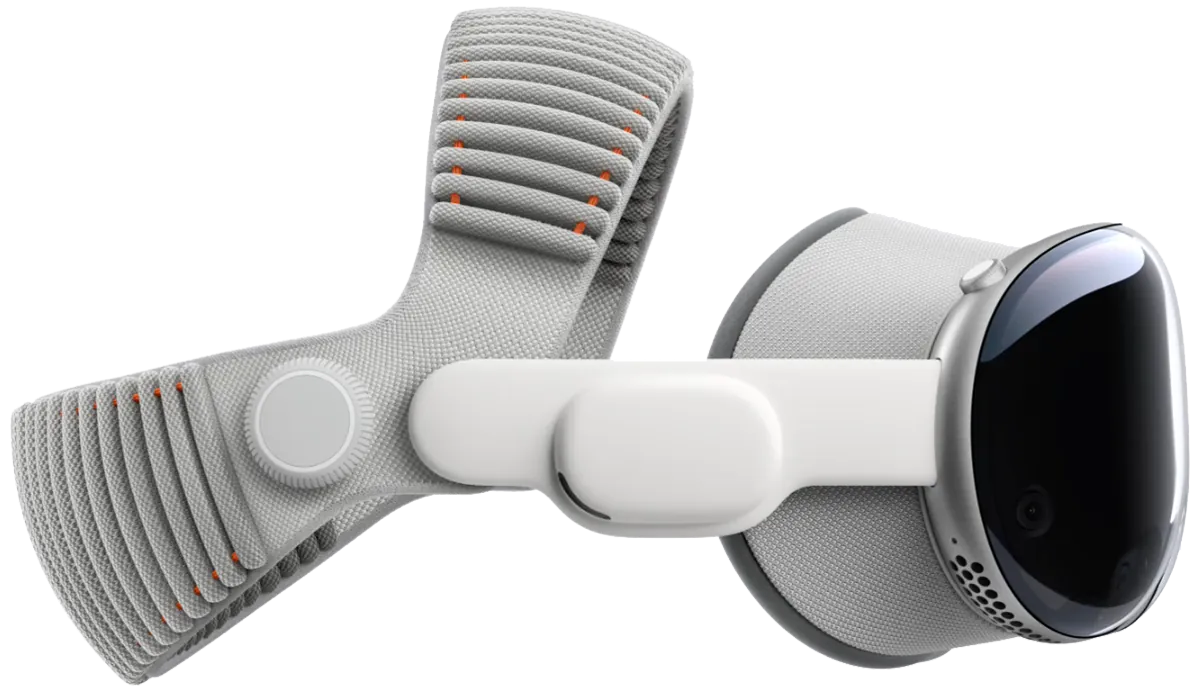
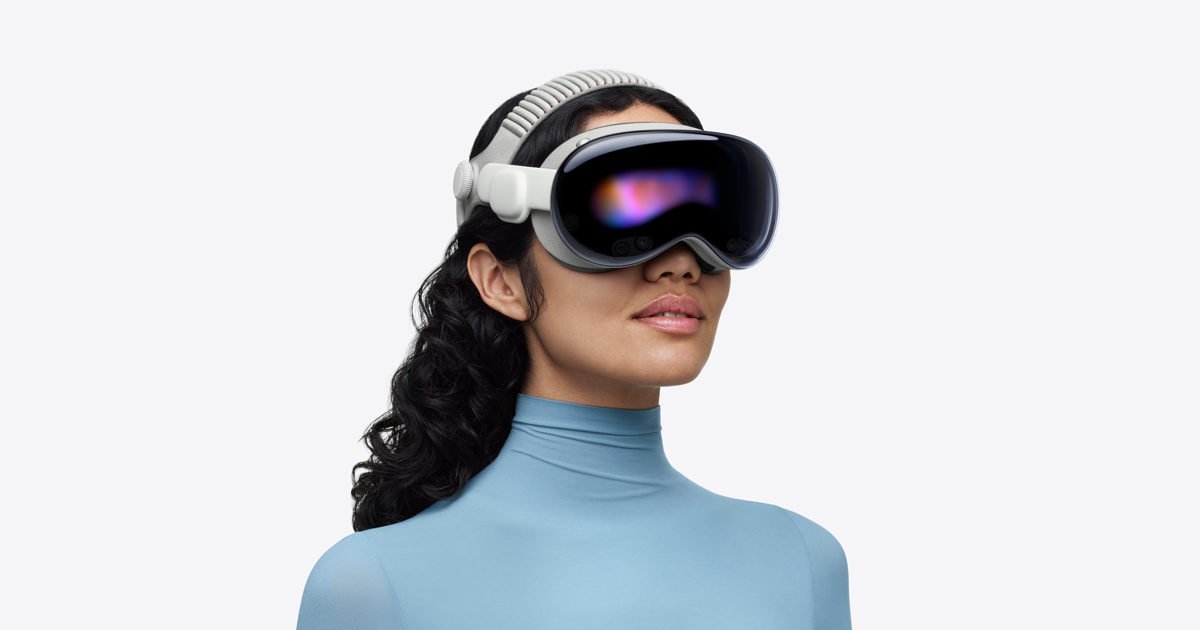
The specs were, and still are, incredible. We’re talking more pixels than a 4K TV for each eye. Crystal clear optics. Eye-tracking that actually works. And that dual-chip performance? Wild. But all that power came at a cost. Not just financially, but in terms of practicality. It’s heavy. The battery pack is separate. It looks… well, it looks like you’re wearing a sci-fi prop. Not exactly something you’d rock at the coffee shop. The visionOS is slick, sure, but is it truly revolutionary for everyday use? That’s the million-dollar question.

Source : bloomberg.com
You’ve probably seen the reviews. Some rave about the potential, others call it a glorified screen you wear. My take? It’s a tech marvel, absolutely. Apple pushed the boundaries. But the ‘beyond’ part, the part where this tech actually integrates into our lives meaningfully and affordably, that’s still a work in progress. We need more compelling use cases than just watching movies in a virtual cinema or scrolling through apps in a simulated room. We need AR that enhances our reality, not replaces it.
What Went Wrong (and Right) with the First Wave
Let’s get blunt. The Vision Pro’s initial rollout was, shall we say, aspirational. It was a statement piece. A glimpse into a possible future. But it wasn’t a practical device for most. Productivity claims? Sure, you can run some apps. But is it better than a multi-monitor setup? For most people, probably not. The hand-tracking, while impressive, can be finicky. And don’t get me started on the social aspect. Walking around with that thing on makes you look pretty isolated, not coected.
The entertainment factor is high, I’ll give them that. Imagine watching a blockbuster film in your own private theater. Or playing games where the environment reacts to you. That’s cool. Really cool. But is that worth the price of a used car? For the vast majority? Absolutely not. It’s a bit like the first iPhone – revolutionary tech, but incredibly expensive and limited in what it could do initially. The difference? The iPhone solved an immediate need: better mobile communication and internet. The Vision Pro, for now, feels more like a solution looking for a problem.
What Apple did get right was the foundation. The hardware, the core software, the integration with the Apple ecosystem. It’s a polished experience, for those who can afford it. They showcased cutting-edge display technology and an intuitive (if sometimes awkward) interface. They proved that high-fidelity AR is possible. They also, crucially, started building an app store. The potential for developers is massive, but they need the user base to justify the investment. And that user base isn’t there yet.

Source : youtube.com
AR Beyond the Headset: 2026 and the Road Ahead
So, what’s next? Forget just headsets for a second. Think about the broader AR landscape. By 2026, I expect to see AR filtering into more everyday devices. We’re already seeing it in smart glasses – less bulky, more focused on discreet information overlay. Think navigation prompts appearing in your vision, or real-time language translation during a conversation. That’s augmenting reality without completely disengaging from it.
Companies are pouring billions into AR research. We’re talking about lighter, more comfortable designs. Better battery life. More sophisticated environmental mapping. And crucially, more practical AR applications. Imagine architects walking through a virtual building on-site, or mechanics seeing repair instructions overlaid directly onto an engine. That’s where the real revolution lies – not in virtual worlds, but in enhancing our real one.
And what about Apple? They’re not going to abandon Vision Pro. It’s their beachhead. Expect iterative updates. Faster chips, lighter designs, maybe a more affordable model down the line. But their real play might be in influencing the entire AR ecosystem. They set a high bar for quality. Now, the challenge is to bring that quality down to earth, both literally and figuratively. We could see AR features baked into iPhones, iPads, and even Macs in ways we haven’t fully imagined yet. Think interactive holographic displays or enhanced camera filters that do more than just beautify.
The Future Isn’t Just Apple
Source : apple.com
It’s easy to get tuel vision when Apple enters a market. But the AR space is crowded with iovation. Meta’s Quest line is already pushing VR and AR boundaries, often at a more accessible price point. Google is investing heavily in AR for its search and Maps divisions. Startups are popping up everywhere, focused on niche AR solutions. The competition is fierce, and that’s good for us consumers.
By 2026, we might not be wearing bulky headsets as the primary AR interface. We could be looking at a mix of devices: smart glasses for quick info, advanced tablets for detailed work, and yes, perhaps more refined, second-generation spatial computing devices for specific tasks. The key is interoperability and usefulness. Does it solve a problem? Does it make life easier, more efficient, or more fun? That’s the real AR test.
The initial Vision Pro launch was a shot across the bow. It showed us what’s technically possible. But the real journey for AR, the one that impacts billions, is just begiing. It’s going to be a messy, exciting, and probably expensive few years. But the potential to fundamentally change how we interact with information, with each other, and with the world around us? That’s undeniable. This isn’t just about Apple; it’s about the next phase of personal computing. And it’s happening sooner than you think.
FAQs About Apple Vision Pro and AR
Will Apple Vision Pro be cheaper in 2026?
Honestly? Probably not significantly. Apple rarely drops prices on its flagship tech. We might see a more affordable model, maybe a ‘Vision SE’ or something similar, but the original Vision Pro will likely remain a premium product. Think more along the lines of iterative improvements and perhaps slightly better manufacturing efficiencies rather than a price slash. The real cost reduction will come from competitors and a maturing market.

Source : unboundxr.com
Is Apple Vision Pro good for gaming in 2026?
It can be, but it’s still a niche experience. The potential is huge with its high-res display and immersive capabilities. Developers are slowly releasing AR-enhanced games. By 2026, expect more titles specifically designed for the platform, offering truly captivating experiences you can’t get on a flat screen. But is it a dedicated gaming device like a PS5 or Xbox? Not quite. It’s more about blending gaming into your environment.
What are the main competitors to Apple Vision Pro by 2026?
The landscape will be way more diverse! You’ve got Meta’s Quest line, which will likely have even more advanced mixed-reality capabilities and a stronger app ecosystem at a lower price. Google is definitely a player, potentially with more refined smart glasses. Then there will be countless smaller companies focusing on specific industrial or professional AR applications. Don’t count out Microsoft with its HoloLens tech either. It’s going to be a crowded AR market.
Will AR glasses replace smartphones by 2026?
Nah, not by 2026. That’s way too soon. Smartphones are too ingrained and too versatile. Think of it as an evolution, not a replacement. AR glasses will become a powerful complementary device, maybe handling quick notifications, navigation, or translation. But for complex tasks, typing long messages, or immersive content consumption, your phone (or a future equivalent) will still be king. It’s about device diversification, not a single wier-take-all.
Is Apple Vision Pro worth buying in 2026?
For most people? Still probably not. Unless you’re a developer, a tech enthusiast with deep pockets, or have a very specific professional need, the value proposition just isn’t there yet for the average consumer. Wait for a second or third-generation device, or consider the cheaper AR alternatives that will surely exist by then. It’s a fascinating piece of tech, but its mainstream ‘must-have’ status is still a few years out.
Frequently Asked Questions
-
Will Apple Vision Pro be cheaper in 2026?
Honestly? Probably not significantly. Apple rarely drops prices on its flagship tech. We might see a more affordable model, maybe a ‘Vision SE’ or something similar, but the original Vision Pro will likely remain a premium product. Think more along the lines of iterative improvements and perhaps slightly better manufacturing efficiencies rather than a price slash. The real cost reduction will come from competitors and a maturing market.
-
Is Apple Vision Pro good for gaming in 2026?
It can be, but it’s still a niche experience. The potential is huge with its high-res display and immersive capabilities. Developers are slowly releasing AR-enhanced games. By 2026, expect more titles specifically designed for the platform, offering truly captivating experiences you can’t get on a flat screen. But is it a dedicated gaming device like a PS5 or Xbox? Not quite. It’s more about blending gaming into your environment.
-
What are the main competitors to Apple Vision Pro by 2026?
The landscape will be way more diverse! You’ve got Meta’s Quest line, which will likely have even more advanced mixed-reality capabilities and a stronger app ecosystem at a lower price. Google is definitely a player, potentially with more refined smart glasses. Then there will be countless smaller companies focusing on specific industrial or professional AR applications. Don’t count out Microsoft with its HoloLens tech either. It’s going to be a crowded AR market.
-
Will AR glasses replace smartphones by 2026?
Nah, not by 2026. That’s way too soon. Smartphones are too ingrained and too versatile. Think of it as an evolution, not a replacement. AR glasses will become a powerful complementary device, maybe handling quick notifications, navigation, or translation. But for complex tasks, typing long messages, or immersive content consumption, your phone (or a future equivalent) will still be king. It’s about device diversification, not a single wier-take-all.
-
Is Apple Vision Pro worth buying in 2026?
For most people? Still probably not. Unless you’re a developer, a tech enthusiast with deep pockets, or have a very specific professional need, the value proposition just isn’t there yet for the average consumer. Wait for a second or third-generation device, or consider the cheaper AR alternatives that will surely exist by then. It’s a fascinating piece of tech, but its mainstream ‘must-have’ status is still a few years out.