Trash to Treasure: The Rise of Upcycled Fashion Brands
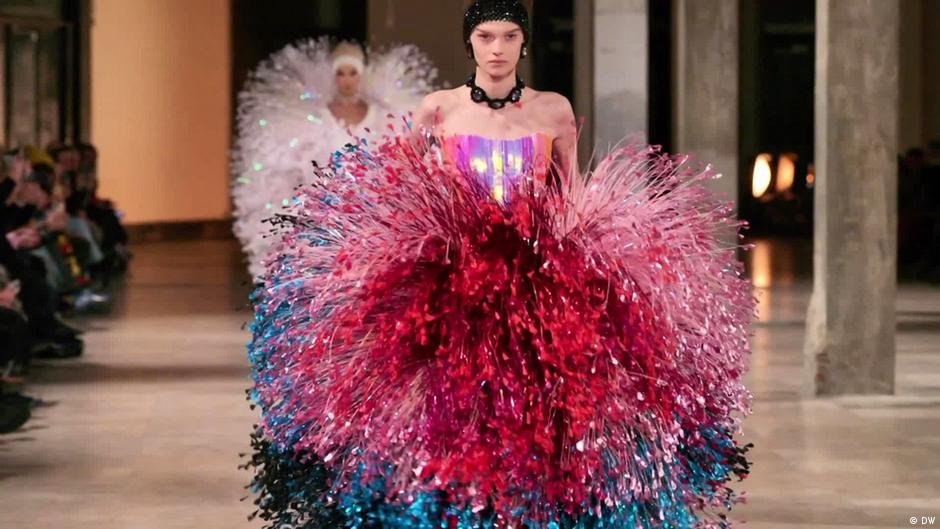
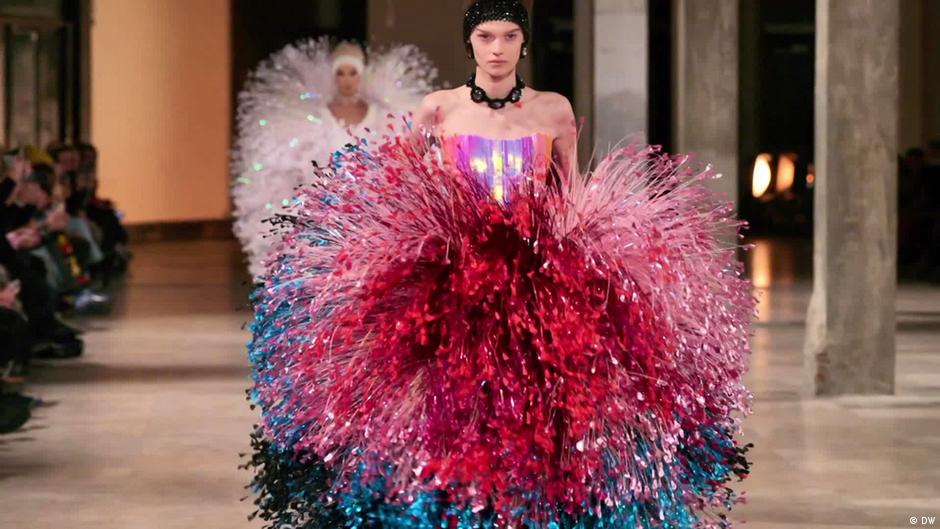
Let’s talk about fashion. Not the fast, disposable kind that floods our closets and landfills. I’m talking about the revolution happening right now, where designers are grabbing old clothes, discarded textiles, even industrial waste, and turning them into something utterly fabulous. We’re diving deep into the world of upcycled fashion brands, the rebels who see couture in cast-offs and haute luxury in heaps of discarded fabric. This isn’t just about being green; it’s about being seriously creative. Think less landfill, more runway. It’s a whole new game, and frankly, it’s about time.
Source : dw.com
Why Upcycling is More Than Just a Trend
Look, the fashion industry? It’s a mess. A beautiful, glittering mess, sure, but a mess nonetheless. It’s one of the biggest polluters on the planet. We’re talking tons of waste, insane water usage, and CO2 emissions that would make a polar bear sweat. But here’s the exciting part: people are fighting back. Upcycling is like the superhero of sustainability in fashion. It takes what’s already there – worn-out jeans, old hotel linens, deadstock fabrics – and gives it a new life. A better life. This is way beyond just recycling. Recycling often breaks things down to their basic components. Upcycling? It uses the existing materials, often with minimal processing, to create something of higher value. It’s smart. It’s stylish. And it’s definitely the future.
The Genius Behind the Seams: How Upcycling Works
So, how does this magic happen? It’s not just about slapping a few patches on an old jacket (though that can be cool too). True upcycling fashion brands are masterminds. They look at a pile of scraps and see potential. It might involve deconstructing garments completely, then skillfully sewing the pieces back together into a totally new design. Sometimes, they’re working with deadstock fabric – rolls of material that a bigger brand decided they didn’t want anymore. Think of designers like designing out waste, turning leftover bits into unique patterns or unexpected textures. It’s an art form. It requires vision, skill, and a serious commitment to ditching the ‘throwaway’ mentality. They’re basically fabric wizards.
Meet the Trailblazers: Brands Making Trash Chic
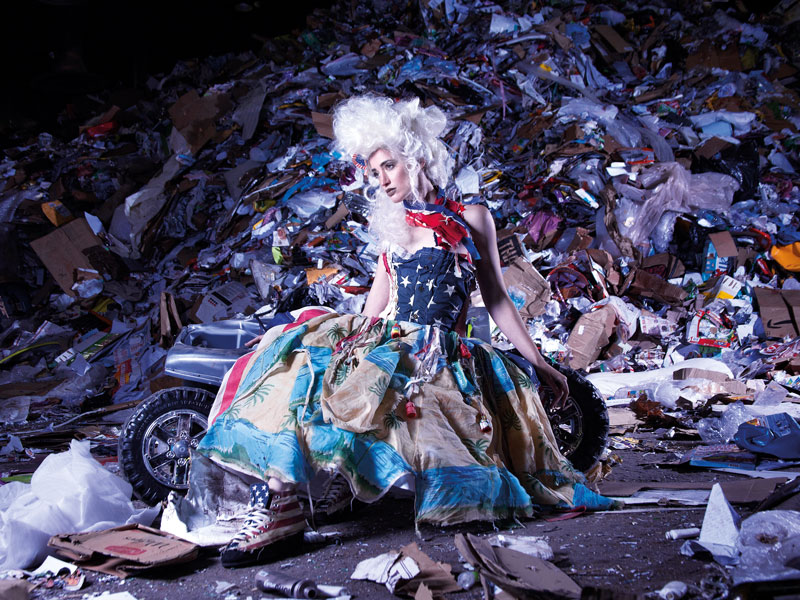
Alright, let’s get to the good stuff. Who are these visionary brands actually doing it? There are tons of them popping up, proving that style and sustainability can totally go hand-in-hand. You’ve got designers taking old denim and transforming it into killer jackets and skirts. Others are working with vintage silk scarves to create elegant blouses. It’s incredible to see how they can take something ordinary, something maybe even considered ‘trash,’ and elevate it into a statement piece. These aren’t just clothes; they’re stories woven into fabric. Each stitch tells a tale of transformation. Keep an eye on these guys; they’re the ones shaping what fashion will look like tomorrow.
Source : europeanceo.com
E.L.V. Denim: Jeans Reborn
Let’s start with a brand that absolutely nails denim. E.L.V. Denim, founded by Aa Vestergaard Jørgensen, is a prime example of masterful denim reconstruction. Instead of just recycling old jeans, they take them apart and meticulously reassemble them into entirely new, unique pairs. You’re not just buying jeans; you’re buying a piece of art. Each pair is different, using salvaged denim panels to create stylish, modern silhouettes. They’re proving that even the most common wardrobe staple can be given a luxurious, sustainable makeover. It’s high-end denim with a conscience. Seriously, check them out. Your legs (and the planet) will thank you.
1/OFF: The Art of Deconstruction
Then there’s 1/OFF. These guys are taking high-end designer pieces – think Chanel, Dior, you name it – and completely deconstructing them. It sounds almost sacrilegious, right? But they’re not destroying them; they’re re-making them. They take elements from multiple luxury garments and stitch them together into completely new, avant-garde creations. It’s bold. It’s edgy. And it’s a stuing way to give these high-fashion items a second, completely unexpected life. Their work is a testament to true iovation in the fashion world. They’re basically giving iconic pieces a radical, sustainable rebirth.
Bethany Williams: Socially Conscious Couture
Bethany Williams is a name you absolutely need to know. This British designer isn’t just making beautiful clothes; she’s using fashion as a force for good. She often works with recycled materials, like old blankets or even broken U.S. postage stamps (yes, really!), and partners with charities or social enterprises. Her collections highlight important social issues, turning waste materials into stuing, thought-provoking pieces. It’s a powerful example of how fashion can be both ethical and aesthetically brilliant. Her designs are more than just garments; they’re wearable statements about community and change. She’s a true original in the sustainable fashion movement.
Re:CODE: Patchwork Perfection
Re:CODE is another brand doing amazing things with fabric waste. They take discarded garments and textiles and transform them into stylish, contemporary clothing. What’s cool about them is their focus on patchwork and modular design. They’re not afraid to mix different textures and patterns, creating really unique looks. It’s a celebration of imperfection and the beauty of reclaimed materials. Think vibrant, eye-catching pieces that you won’t find anywhere else. They’re proving that what was once considered waste can become the foundation for truly original fashion. It’s a bold new approach to design.
GBADEBO: Reimagining Workwear

Source : forbes.com
GBADEBO, founded by Adebayo Oke-Lawal, is taking discarded fabrics and breathing new life into classic silhouettes, particularly workwear. Based in Nigeria, this brand uses deadstock and recycled materials to create pieces that are both stylish and deeply rooted in cultural significance. They’re taking fabrics that might otherwise end up in landfills and crafting them into unique, modern garments that tell a story. It’s a fantastic blend of traditional aesthetics and contemporary design, all while championing sustainability. Their approach shows how global designers are leading the charge.
Grandpa’s Shirts: Nostalgia Meets New
Sometimes, the most brilliant ideas come from the simplest places. Grandpa’s Shirts takes old, often forgotten, shirts – think plaid, flael, those classic button-downs – and transforms them into entirely new garments. It could be a dress, a skirt, or even a more modern take on a shirt. It taps into a sense of nostalgia while creating something completely fresh and modern. It’s a charming way to give beloved, yet perhaps unwearable, vintage pieces a second act. This brand shows that old shirts have potential for stylish reinvention.
Circular Fashion: Building the Infrastructure
Beyond the brands themselves, there’s a whole ecosystem growing around upcycling. Companies are working on the infrastructure needed to make this scale. Think about the tech and systems required to collect, sort, and process massive amounts of textile waste. Businesses are developing platforms and technologies to help designers access these reclaimed materials easily. It’s not just about the final product anymore; it’s about building a truly circular economy for fashion. This behind-the-scenes work is crucial for making upcycling the norm, not the exception. These companies are the unsung heroes of sustainability.
The Future is Reclaimed
So, what does this all mean for the future of fashion? It means ditching the linear ‘take-make-dispose’ model. It means embracing creativity and seeing value where others see waste. Upcycled fashion brands are not just making clothes; they’re making a statement. They’re showing us that style doesn’t have to cost the earth. From haute couture creations born from scraps to everyday wear made from old favorites, this movement is growing. It’s stylish, it’s smart, and it’s absolutely necessary. Get ready, because the most exciting fashion is increasingly coming from what we already have. It’s a brilliant fashion revolution, one reclaimed thread at a time.
FAQ: Your Burning Questions About Upcycled Fashion Answered
What major brands repurpose waste into new products?
Honestly, the landscape is exploding! While many of the biggest names in fashion are still catching up, some major players are definitely stepping up. Think about brands that have started dedicated capsule collections using recycled or upcycled materials. Some use deadstock fabrics from their own past collections. Others are collaborating with smaller, iovative upcycling labels. It’s not always full-scale adoption yet, but you’re seeing it more and more. Keep an eye on brands known for their iovation or those making public commitments to sustainability – they’re often the first to experiment with using waste materials.
Source : harpersbazaar.com
Are there any famous upcyclers?
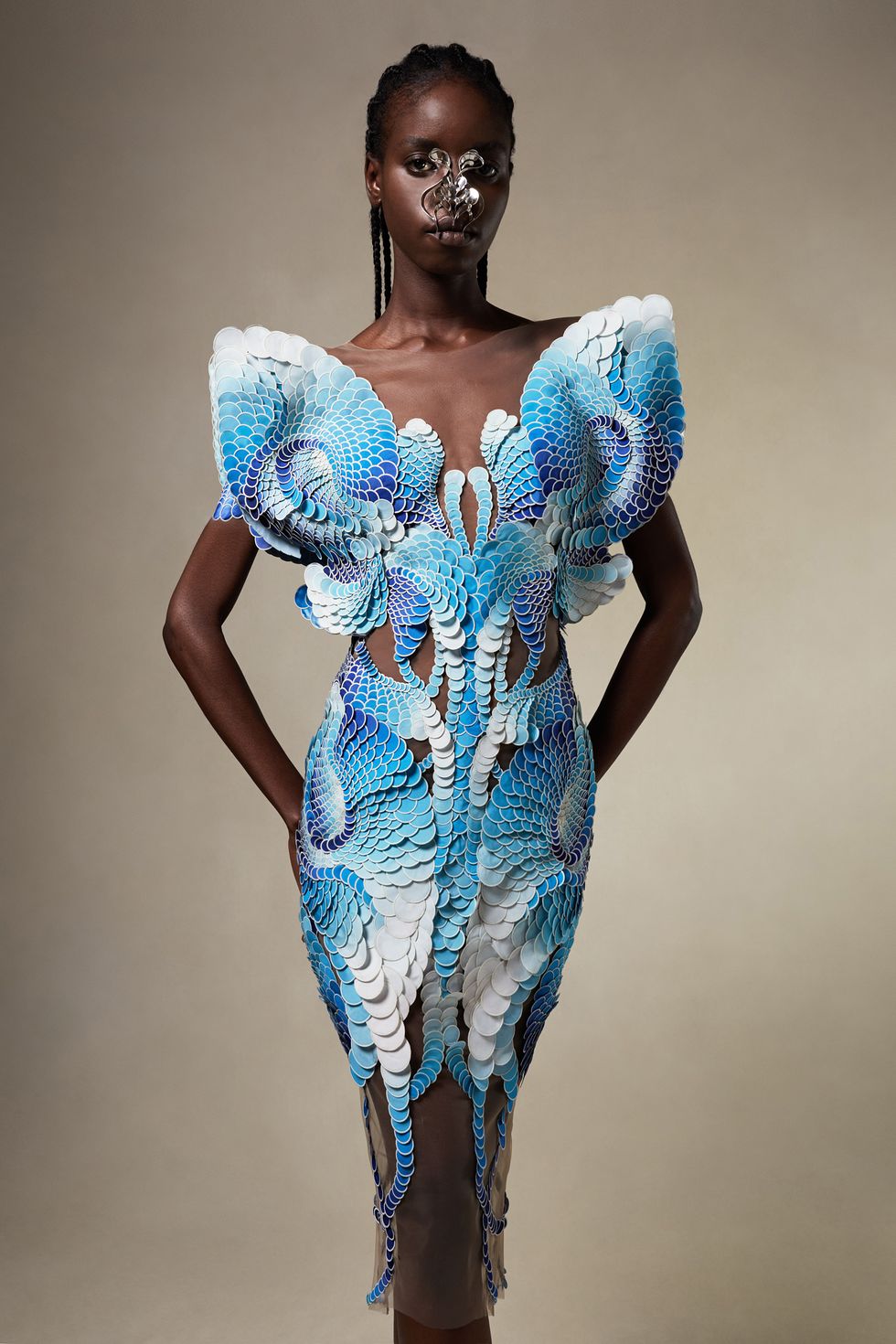
Oh, absolutely! We talked about Bethany Williams earlier, and she’s definitely a big name in the ethical fashion space. Then you have designers like Marine Serre, who’s built a whole brand aesthetic around upcycling, often using old scarves and textiles in her high-fashion collections. It’s really inspiring stuff. These designers are showing the world that sustainable fashion can be incredibly high-end and desirable. They’re not just making clothes; they’re changing perceptions about what fashion can be and where it comes from.
How can I start upcycling my own clothes?
It’s easier than you think! Start small. Got a t-shirt with a stain you can’t get out? Cut off the graphic part and turn it into a patch for a jacket. Jeans with holes in the knees? Turn them into shorts or patch them up creatively. Look up tutorials online – there are tons for making tote bags from old shirts, or transforming sweaters into mittens. The key is to not be afraid to experiment. Don’t worry about perfection; focus on the fun of giving something old a new creative purpose.
Does upcycled fashion cost more?
Sometimes, yes, and here’s why. Upcycling often involves a lot more labor. A designer might spend hours carefully taking apart a garment, cleaning it, and then meticulously sewing it back together into a new design. That intensive work, plus the unique nature of each piece (since you’re often working with one-of-a-kind materials), can drive up the price. However, you’re also investing in a higher quality, more durable, and ethically produced item that’s designed to last. It’s not just fast fashion; it’s art you can wear.
Where can I find authentic upcycled brands?
The best place to start is online! Many upcycled brands have their own websites where you can see their latest collections. Following fashion journalists and bloggers who focus on sustainable style is also a great way to discover new labels. Check out online marketplaces that specialize in ethical or handmade goods. Also, keep an eye out for pop-up shops or sustainable fashion events in your area. Discovering these brands feels like finding a hidden gem, and you’re supporting a truly positive movement with your purchase. Look for those that are transparent about their processes; that’s a good sign of genuine upcycled fashion.
Frequently Asked Questions
-
What major brands repurpose waste into new products?
Honestly, the landscape is exploding! While many of the biggest names in fashion are still catching up, some major players are definitely stepping up. Think about brands that have started dedicated capsule collections using recycled or upcycled materials. Some use deadstock fabrics from their own past collections. Others are collaborating with smaller, iovative upcycling labels. It’s not always full-scale adoption yet, but you’re seeing it more and more. Keep an eye on brands known for their iovation or those making public commitments to sustainability – they’re often the first to experiment with using waste materials.
-
Are there any famous upcyclers?
Oh, absolutely! We talked about Bethany Williams earlier, and she’s definitely a big name in the ethical fashion space. Then you have designers like Marine Serre, who’s built a whole brand aesthetic around upcycling, often using old scarves and textiles in her high-fashion collections. It’s really inspiring stuff. These designers are showing the world that sustainable fashion can be incredibly high-end and desirable. They’re not just making clothes; they’re changing perceptions about what fashion can be and where it comes from.
-
How can I start upcycling my own clothes?
It’s easier than you think! Start small. Got a t-shirt with a stain you can’t get out? Cut off the graphic part and turn it into a patch for a jacket. Jeans with holes in the knees? Turn them into shorts or patch them up creatively. Look up tutorials online – there are tons for making tote bags from old shirts, or transforming sweaters into mittens. The key is to not be afraid to experiment. Don’t worry about perfection; focus on the fun of giving something old a new creative purpose.
-
Does upcycled fashion cost more?
Sometimes, yes, and here’s why. Upcycling often involves a lot more labor. A designer might spend hours carefully taking apart a garment, cleaning it, and then meticulously sewing it back together into a new design. That intensive work, plus the unique nature of each piece (since you’re often working with one-of-a-kind materials), can drive up the price. However, you’re also investing in a higher quality, more durable, and ethically produced item that’s designed to last. It’s not just fast fashion; it’s art you can wear.
-
Where can I find authentic upcycled brands?
The best place to start is online! Many upcycled brands have their own websites where you can see their latest collections. Following fashion journalists and bloggers who focus on sustainable style is also a great way to discover new labels. Check out online marketplaces that specialize in ethical or handmade goods. Also, keep an eye out for pop-up shops or sustainable fashion events in your area. Discovering these brands feels like finding a hidden gem, and you’re supporting a truly positive movement with your purchase. Look for those that are transparent about their processes; that’s a good sign of genuine upcycled fashion.