The Right to Repair Movement in 2026: Taking Back Control
Alright, let’s cut to the chase. You’ve probably got some gadget sitting around – maybe a phone that’s acting up, a tractor that won’t start, or even a fridge on the fritz. And what’s the first thing you think? ‘Great, time to buy a new one.’ That’s exactly what the big companies want you to think. They build stuff that’s tough to fix, locking you out with proprietary parts and secret manuals. But guess what? That’s changing. The right to repair movement isn’t some fringe idea anymore; it’s a full-blown revolution, and in 2026, it’s gaining serious steam.
Source : wired.com
Why You Should Care About Fixing Your Stuff
Look, it’s not just about saving a buck, though that’s a huge part of it. Think about the environmental mess. Every time we chuck a perfectly fixable device, it ends up in a landfill. That’s a ton of e-waste piling up. And for what? So Samsung or John Deere can sell you another expensive unit? Nah. This movement is about consumer freedom. It’s about giving you the power to choose: fix it yourself, take it to your local repair shop, or yes, still go to the manufacturer if you want. It’s about breaking the monopoly these giants have on your own property.
The Movement’s Big Wins (So Far)

Source : pirg.org
It’s been a long haul, man. Years of lobbying, protesting, and shouting from the rooftops. But finally, some states are waking up. We’ve seen laws pop up across the country, tackling everything from electronics to farm equipment. Remember when you couldn’t get your tractor fixed without calling in the expensive dealership guys? Yeah, that’s getting harder for them to get away with. And it’s not just farms. Your smart home devices? Your gaming consoles? They’re all starting to fall under the repair umbrella. It’s a patchwork, sure, but it’s progress. We’re seeing more than one-quarter of Americans covered by these new laws, and that number’s only growing.
What Does ‘Right to Repair’ Actually Mean?
So, what are we talking about when we say ‘right to repair’? It boils down to a few key things, mainly:
- Access to Parts: Companies have to make replacement parts available to consumers and independent repair shops. No more ‘Oh, sorry, that part’s only for our certified technicians.’
- Access to Manuals & Tools: You should be able to get your hands on the repair manuals, schematics, and diagnostic tools needed to actually fix the thing.
- No Software Locks: They can’t just use software to brick your device if you try to fix it yourself or use an aftermarket part. That’s just dirty pool.
It’s about demystifying the technology and putting it back in the hands of the people who own it. Think about it like this: if you buy a car, you expect to be able to get it fixed at any garage, right? You don’t have to go back to the dealership for every oil change. The same logic should apply to your phone, your laptop, your washing machine. It’s about fair competition in the repair market.
The Pushback: Why It’s Not Easy

Source : securityindustry.org
Now, don’t think the big corporations are just rolling over. Oh no. They’ve got lawyers, lobbyists, and deep pockets. They trot out all sorts of arguments. ‘Security risks!’ they cry. ‘Intellectual property theft!’ they wail. ‘It’ll void your warranty!’ they threaten. Honestly? A lot of it is fearmongering. They’re scared of losing their stranglehold on the repair market. The idea that a consumer or a small repair shop can’t be trusted with a device they legally own is frankly insulting. We’ve seen some major legislative battles play out, and they’re not always pretty.
The 2026 Outlook: What’s Next?
So, where are we headed in 2026? Federal action is still the holy grail for many advocates. While state-level wins are fantastic, a nationwide law would really cement this right. Bills have been introduced in Congress, aiming to give consumers and businesses access to the information and parts they need. The push continues, with groups like PIRG working tirelessly to get the word out and lobby lawmakers. More than one-quarter of Americans are now covered by some form of right to repair legislation, a massive jump from just a few years ago. Imagine that – your own government saying you have a right to fix your own stuff. That’s the goal.
Beyond Electronics: Tractors, Medical Gear, and More
This isn’t just about your iPhone. The right to repair concept is spreading like wildfire. Farmers have been fighting for years to fix their own tractors, which often come with software locks that prevent anything but authorized dealers from making repairs. Think about the downtime! Think about the cost! The same goes for medical equipment. Hospitals need to be able to repair life-saving devices quickly and affordably, especially in remote areas or during emergencies. When a manufacturer holds all the keys, it can literally be a matter of life and death. The agricultural right to repair is gaining huge traction, as is the fight for medical devices.
How You Can Get Involved
Source : pagosadailypost.com
Feeling fired up? Good. You don’t have to be a tech wizard to make a difference. Here’s how you can join the fray:
- Contact Your Reps: Call, email, or tweet your local and federal elected officials. Tell them you support right to repair legislation. Your voice matters.
- Support the Organizations: Groups like PIRG, Repair.org, and iFixit are on the front lines. Donate, volunteer, or just share their content.
- Talk About It: Spread the word to your friends, family, and colleagues. The more people understand the issue, the stronger the movement gets.
- Choose Repair-Friendly Brands: When you’re buying new stuff, look for companies that are already doing right by their customers.
This is about reclaiming ownership. It’s about sustainability. It’s about fighting back against plaed obsolescence and corporate control. The right to repair movement is building momentum, and in 2026, we’re closer than ever to making it a universal reality. Let’s fix this.
The Right to Repair FAQs – Answered
What is the right to repair directive 2026?
Okay, so ‘directive’ sounds all official and European, right? In the US context, we’re talking about legislation, not necessarily a formal EU-style directive. For 2026, there isn’t one single, sweeping federal ‘Right to Repair Directive’ that magically passed. Instead, it’s a continued push for various state laws and potential federal bills that would grant consumers and independent repair shops access to the parts, tools, and information needed to fix products. Think of it as an ongoing legislative effort, not a done deal yet, but with significant progress being made year after year.
Did the right to repair bill pass?
This is where it gets a bit complicated because there isn’t just one bill. Several states have passed their own right to repair laws. For example, New York passed a broad electronics repair law, and others have followed suit for specific sectors like agriculture. Federally? No single, comprehensive right to repair bill has passed Congress and become law yet. It’s an ongoing battle, with various proposals debated. So, yes, some bills have passed at the state level, but the big federal one? Not yet. Keep watching!

Source : nbcnews.com
What is the new right to repair law?
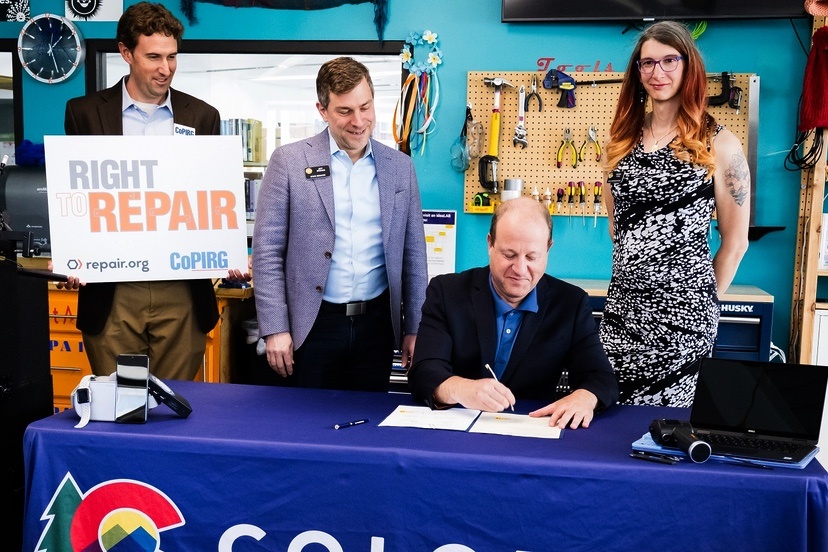
When people talk about a ‘new’ right to repair law, they’re usually referring to the most recent state-level legislation that’s been enacted. For instance, states like California, Miesota, Colorado, and New York have all passed significant laws in recent years. These laws generally mandate that manufacturers make diagnostic tools, parts, and documentation available to consumers and independent repair providers for various products, especially electronics and, in some cases, powered wheelchairs or agricultural equipment. The specifics vary by state, but the core idea is always the same: make repair accessible.
What is the new right to repair bill?
Similar to the ‘law’ question, a ‘new bill’ usually means a recently introduced piece of legislation, either at the state or federal level. There are always new bills popping up! For example, there have been federal proposals like the “Fair Repair Act” that aim to create a national standard. Many states also introduce their own bills each legislative session. These bills propose various requirements for manufacturers, such as providing access to repair information and parts for a set period after a product is sold. So, ‘the new bill’ isn’t one specific thing but represents the continuous legislative action happening across the country to advance repair rights.
What is the impact of right to repair on small businesses?
Honestly? It’s a massive potential win for them. Think about your local phone repair shop or the independent mechanic down the street. Before right to repair laws, they were often shut out, unable to get the parts or the diagnostic software needed to fix newer devices. These laws level the playing field. They mean more customers and more business for these small operations. It allows them to compete with the manufacturers’ own repair services, keeping money circulating within local communities instead of flowing only to giant corporations. It’s about fostering a vibrant, competitive repair economy.
Frequently Asked Questions
-
What is the right to repair directive 2026?
Okay, so ‘directive’ sounds all official and European, right? In the US context, we’re talking about legislation, not necessarily a formal EU-style directive. For 2026, there isn’t one single, sweeping federal ‘Right to Repair Directive’ that magically passed. Instead, it’s a continued push for various state laws and potential federal bills that would grant consumers and independent repair shops access to the parts, tools, and information needed to fix products. Think of it as an ongoing legislative effort, not a done deal yet, but with significant progress being made year after year.
-
Did the right to repair bill pass?
This is where it gets a bit complicated because there isn’t just one bill. Several states have passed their own right to repair laws. For example, New York passed a broad electronics repair law, and others have followed suit for specific sectors like agriculture. Federally? No single, comprehensive right to repair bill has passed Congress and become law yet. It’s an ongoing battle, with various proposals debated. So, yes, some bills have passed at the state level, but the big federal one? Not yet. Keep watching!
-
What is the new right to repair law?
When people talk about a ‘new’ right to repair law, they’re usually referring to the most recent state-level legislation that’s been enacted. For instance, states like California, Miesota, Colorado, and New York have all passed significant laws in recent years. These laws generally mandate that manufacturers make diagnostic tools, parts, and documentation available to consumers and independent repair providers for various products, especially electronics and, in some cases, powered wheelchairs or agricultural equipment. The specifics vary by state, but the core idea is always the same: make repair accessible.
-
What is the new right to repair bill?
Similar to the ‘law’ question, a ‘new bill’ usually means a recently introduced piece of legislation, either at the state or federal level. There are always new bills popping up! For example, there have been federal proposals like the “Fair Repair Act” that aim to create a national standard. Many states also introduce their own bills each legislative session. These bills propose various requirements for manufacturers, such as providing access to repair information and parts for a set period after a product is sold. So, ‘the new bill’ isn’t one specific thing but represents the continuous legislative action happening across the country to advance repair rights.
-
What is the impact of right to repair on small businesses?
Honestly? It’s a massive potential win for them. Think about your local phone repair shop or the independent mechanic down the street. Before right to repair laws, they were often shut out, unable to get the parts or the diagnostic software needed to fix newer devices. These laws level the playing field. They mean more customers and more business for these small operations. It allows them to compete with the manufacturers’ own repair services, keeping money circulating within local communities instead of flowing only to giant corporations. It’s about fostering a vibrant, competitive repair economy.