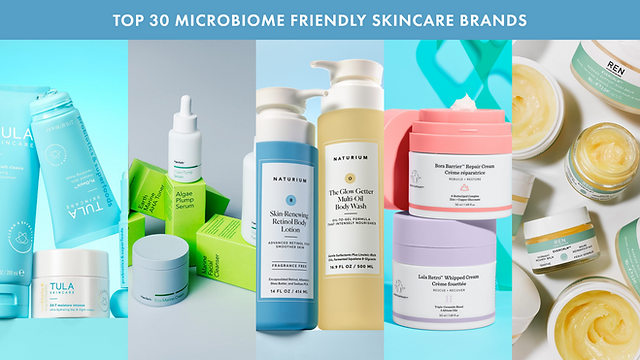
The Microbiome Revolution: Skincare That’s Actually Good For Your Skin
Forget scrubbing your face raw. The real talk in skincare these days? It’s all about the tiny microbes living on your skin. Seriously. These little guys, collectively known as your skin microbiome, are your skin’s first line of defense. Think of them as a bustling city – keep it balanced, and everything runs smoothly. Mess it up, and you get breakouts, redness, the whole nine yards. That’s where microbiome-friendly skincare comes in. It’s not just a buzzword; it’s a whole new way of thinking about how we treat our skin. We’re talking about brands that get it, that work with your skin, not against it. Ready to ditch the harsh stuff and embrace the glow-up? Let’s dive into the brands making serious waves in this space.

Source : mintoiro.com
Why Your Skin Needs Its Own Little Friends
Okay, so what’s the big deal with these microbes? Your skin is basically an ecosystem. A healthy microbiome means a strong skin barrier. This barrier does a ton of heavy lifting: it keeps the good stuff in (like moisture) and the bad stuff out (like pollutants and nasty bacteria). When you use harsh soaps or too many aggressive actives, you’re basically nuking this delicate city. Suddenly, your skin’s defenses are down, leading to all sorts of problems. Think eczema flare-ups, acne that just won’t quit, or that perpetually sensitive, red-looking face. Microbiome-friendly products aim to support this natural balance. They often use prebiotics (food for your good microbes), probiotics (live good microbes), or postbiotics (byproducts of microbial fermentation that are good for skin). It’s like giving your skin’s natural army the reinforcements it needs.
The Big Players: Brands You Already Know (and Love)
Source : marieclaire.co.uk
Some of the biggest names in skincare aren’t just jumping on the bandwagon; they’re genuinely iovating. You’ve probably got a few of these hiding in your bathroom cabinet already. Take CeraVe, for instance. Their formulas are famous for being gentle and packed with ceramides, which are crucial for barrier repair. They don’t strip your skin. Then there’s La Roche-Posay, a brand docs often recommend for sensitive skin. Their focus on thermal spring water and minimal, effective ingredients makes them a natural fit for a microbiome-conscious routine. These brands understand that a healthy skin barrier is foundational. They’re not about aggressive treatments; they’re about building resilience. It’s refreshing, honestly. You can find tons of these staples on lists focusing on trending skincare like the one from MINTOIRO: Top 30 Microbiome Friendly Skincare Brands.
The Indie Darlings: Small Brands, Big Impact
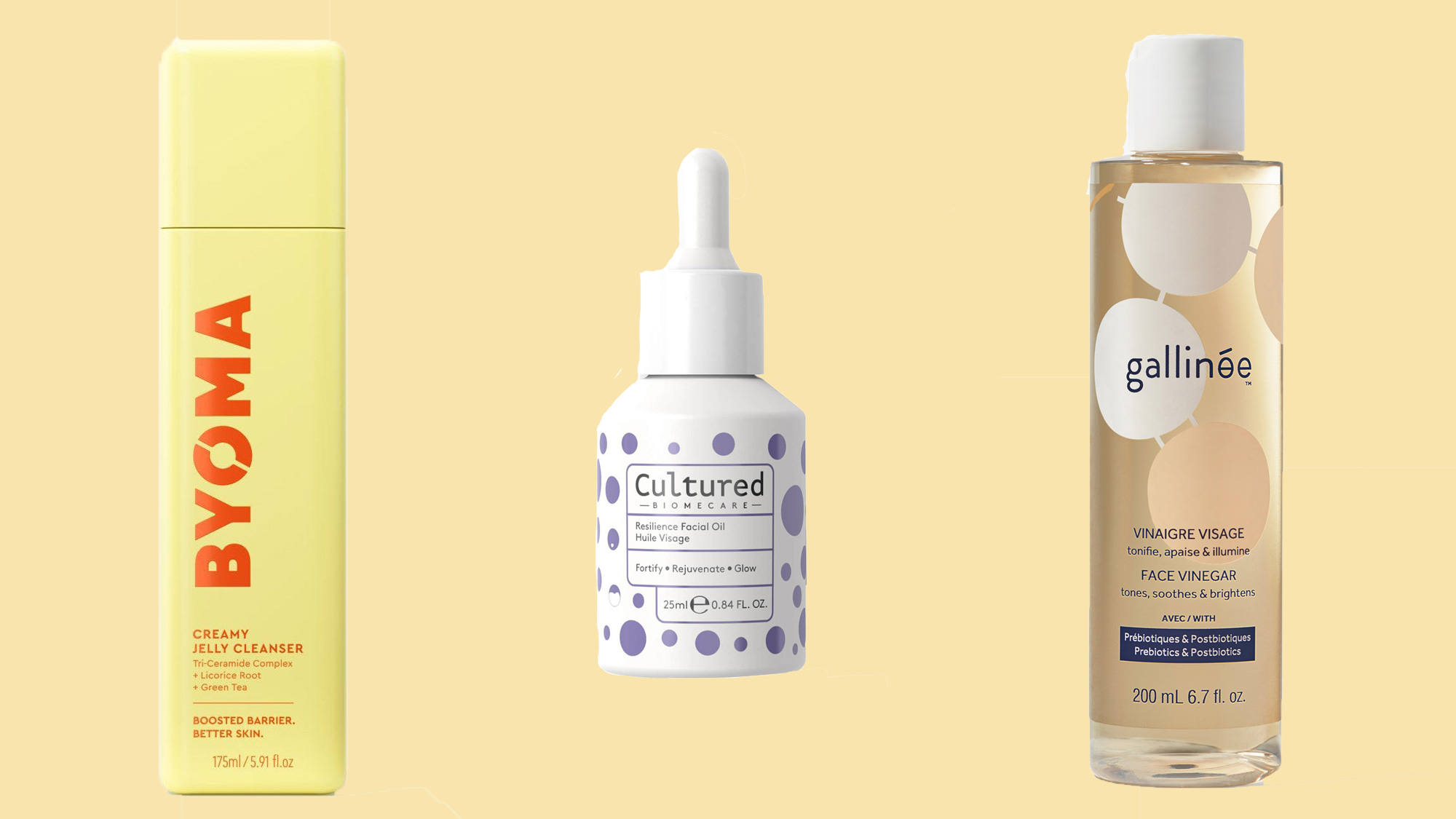
But it’s not just the giants. The indie scene is where some of the most exciting microbiome-focused iovation is happening. These smaller brands are often founded by people with a deep understanding of skin science, or personal experience with difficult skin conditions. They’re not afraid to get a little weird with ingredients, in the best way possible. Think fermented extracts, novel postbiotics, and super-gentle formulations. These guys are seriously pushing the boundaries. They’re the ones you’ll find popping up on blogs talking about new skincare trends, or being lauded for their commitment to skin health. Keep an eye on brands that talk about ‘skinimalism’ or ‘barrier repair’ – they’re usually on the right track. Exploring these startups is key, and resources like GreyB’s analysis of microbiome-friendly skincare startups can point you in the right direction.
What to Look For: Your Microbiome-Friendly Shopping List
So, how do you spot a genuinely good microbiome-friendly product on the shelf? First off, ditch anything with a super long, unpronounceable ingredient list that screams ‘chemical warfare.’ Look for key terms like prebiotics, probiotics, or postbiotics. Ceramides and hyaluronic acid are also your friends, as they support barrier function. Avoid sulfates (like SLS/SLES), artificial fragrances, and excessive alcohol, as these can be really drying and disruptive. Simplicity is often best. Brands that focus on a few hero ingredients and gentle formulations are usually a safe bet. Think about products that promise to soothe, hydrate, and strengthen your skin barrier. They’re the ones that will help your skin thrive. Brit + Co has a great list of microbiome-friendly skincare products if you need more ideas.

Source : mintoiro.com
The Future is Friendly: What’s Next?
This whole microbiome thing? It’s not going anywhere. In fact, it’s only going to get bigger. We’re seeing more research constantly, uncovering new ways these tiny organisms impact our skin health. Expect to see even more sophisticated formulations, more personalized approaches, and brands doubling down on their commitment to skin health over harshness. The ultimate goal is skin that’s resilient, balanced, and glowing from the inside out. It’s about working with your body’s natural systems, not fighting them. So, as you shop for your next serum or moisturizer, ask yourself: is this product going to feed my skin’s good bacteria, or will it send them ruing for the hills? Your skin will thank you for choosing wisely.
FAQ: Your Burning Microbiome Skincare Questions Answered
What exactly IS the skin microbiome?
Think of it as a whole city of tiny living things – bacteria, fungi, viruses – that live on your skin. Most of them are totally harmless, and a lot of them are actually really good for you! They help protect your skin, keep it hydrated, and even influence how it looks and feels. It’s a super complex ecosystem, and keeping it happy and balanced is key for healthy skin.
Can I use my regular skincare products while focusing on microbiome health?
It depends on your ‘regular’ products. If you’re using harsh cleansers with sulfates, strong exfoliants every day, or products packed with alcohol and synthetic fragrances, probably not. Those can really mess with your skin’s natural balance. You might need to swap out some harsh stuff for gentler, more supportive options. Look for products labeled ‘fragrance-free’ and specifically designed to support the skin barrier.

Source : mintoiro.com
How long does it take to see results from microbiome-friendly skincare?
Patience is key here. You’re not going to see overnight miracles. Your skin’s microbiome needs time to rebalance. You might notice your skin feels calmer or less irritated within a few weeks. But for more significant improvements in things like acne, redness, or texture? Give it at least a few months. Consistent use is way more important than a single magic product.
Are all ‘natural’ or ‘organic’ skincare brands microbiome-friendly?
Not necessarily! While natural and organic ingredients are often gentler, a product can still disrupt your microbiome if it contains high levels of certain essential oils, potent plant extracts, or has a very low pH. It’s more about the overall formulation and how it interacts with your skin’s ecosystem, rather than just the source of the ingredients. Always check the ingredient list and look for those microbiome-supportive claims.
Can probiotics in skincare actually survive on my skin?
This is a hot topic! The science is still evolving. Some products use ‘live’ probiotics, while others use ‘lyophilized’ (freeze-dried) ones that activate on the skin, or even just the byproducts (postbiotics). The idea is that they help seed your skin with good bacteria or provide beneficial compounds. Whether they ‘colonize’ your skin long-term is debated, but many people find them incredibly soothing and beneficial for barrier repair, even if it’s temporary. Postbiotics, in particular, are showing a lot of promise.
Frequently Asked Questions
-
What exactly IS the skin microbiome?
Think of it as a whole city of tiny living things – bacteria, fungi, viruses – that live on your skin. Most of them are totally harmless, and a lot of them are actually really good for you! They help protect your skin, keep it hydrated, and even influence how it looks and feels. It’s a super complex ecosystem, and keeping it happy and balanced is key for healthy skin.
-
Can I use my regular skincare products while focusing on microbiome health?
It depends on your ‘regular’ products. If you’re using harsh cleansers with sulfates, strong exfoliants every day, or products packed with alcohol and synthetic fragrances, probably not. Those can really mess with your skin’s natural balance. You might need to swap out some harsh stuff for gentler, more supportive options. Look for products labeled ‘fragrance-free’ and specifically designed to support the skin barrier.
-
How long does it take to see results from microbiome-friendly skincare?
Patience is key here. You’re not going to see overnight miracles. Your skin’s microbiome needs time to rebalance. You might notice your skin feels calmer or less irritated within a few weeks. But for more significant improvements in things like acne, redness, or texture? Give it at least a few months. Consistent use is way more important than a single magic product.
-
Are all 'natural' or 'organic' skincare brands microbiome-friendly?
Not necessarily! While natural and organic ingredients are often gentler, a product can still disrupt your microbiome if it contains high levels of certain essential oils, potent plant extracts, or has a very low pH. It’s more about the overall formulation and how it interacts with your skin’s ecosystem, rather than just the source of the ingredients. Always check the ingredient list and look for those microbiome-supportive claims.
-
Can probiotics in skincare actually survive on my skin?
This is a hot topic! The science is still evolving. Some products use ‘live’ probiotics, while others use ‘lyophilized’ (freeze-dried) ones that activate on the skin, or even just the byproducts (postbiotics). The idea is that they help seed your skin with good bacteria or provide beneficial compounds. Whether they ‘colonize’ your skin long-term is debated, but many people find them incredibly soothing and beneficial for barrier repair, even if it’s temporary. Postbiotics, in particular, are showing a lot of promise.