Smart Clothing: The Future is Woven In
Forget just looking good. Your clothes are about to get way smarter. We’re talking fabrics that can literally feel what you’re feeling, track your vitals, and maybe even tell you when you’re about to have a bad day. It sounds like science fiction, right? But it’s happening now. Biometric fabrics are weaving their way into our lives, and honestly, it’s about time.
Think about it. We’ve got smartwatches, smart rings, even smart toothbrushes. So why are our clothes still stuck in the dark ages? Well, no longer. The future of fashion isn’t just about looking stylish; it’s about performance, health, and a level of coectivity we’re only just begiing to grasp. This isn’t some niche tech gadget for athletes; this is about a fundamental shift in how we interact with our clothing and, by extension, ourselves.
Source : vocal.media
The Fabric of the Future is Already Here
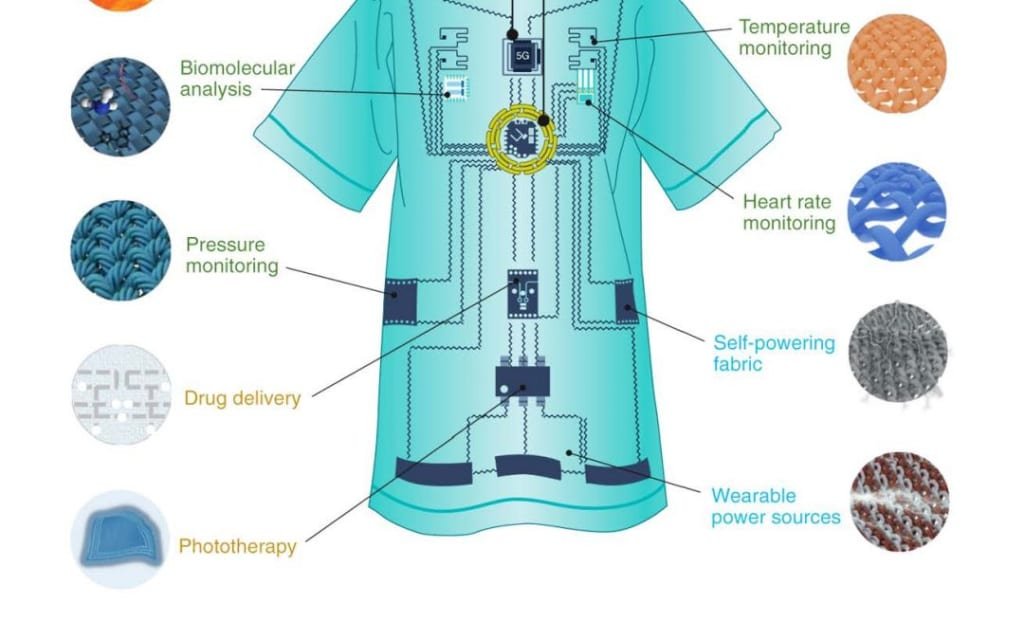
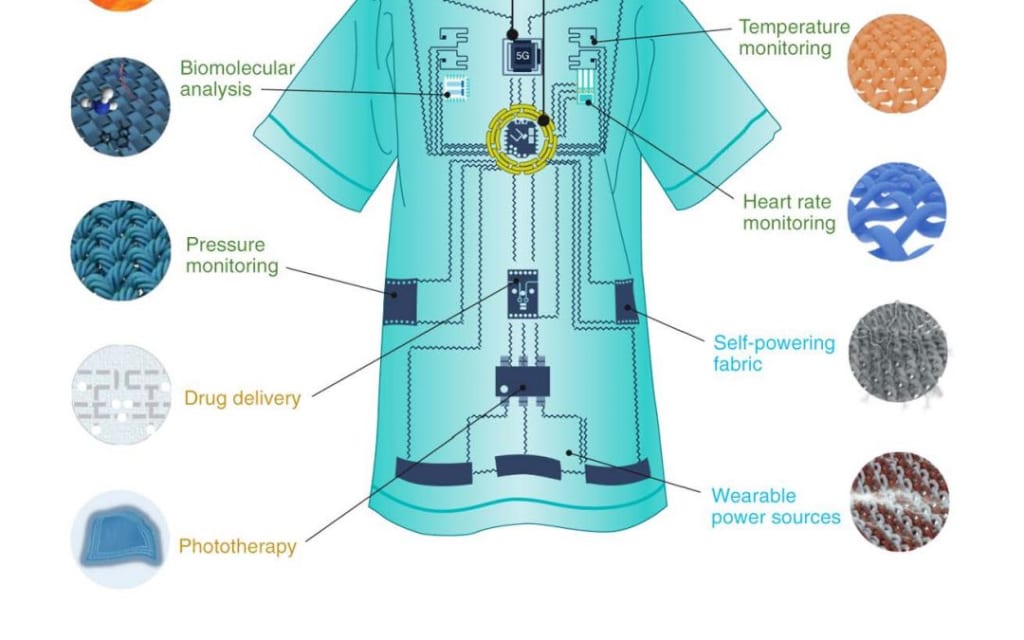
So, what exactly are these magic threads? We’re talking about smart textiles that have built-in sensors. These aren’t just woven in; they’re often an integral part of the fabric itself. They can monitor heart rate, body temperature, respiration, even muscle activity. Imagine a t-shirt that knows you’re stressed before you do, or workout gear that tells you exactly when your form is off.
This isn’t just a pipe dream. Companies are already developing and releasing products that push these boundaries. We’re seeing advancements in areas like conductive yarns, flexible electronics, and nano-materials that allow fabrics to do things they never could before. It’s a revolution happening stitch by stitch.
Why Biometrics in Your Threads?
Okay, so clothes can sense stuff. Big deal, right? Wrong. The implications are massive. For starters, think about health monitoring. Instead of strapping on a clunky chest strap or fiddling with a smartwatch, your everyday clothes could be doing the heavy lifting. This makes continuous, passive health tracking incredibly accessible.

Source : wavewear.cc
Picture this: an elderly person living alone. Their smart pajamas could alert family or emergency services if they fall or if their vital signs become critical. Or consider athletes. They could get real-time feedback on their performance, helping them train smarter, prevent injuries, and recover faster. It’s like having a personal coach and doctor built right into your wardrobe.
And it goes beyond just health. These fabrics can adapt to your environment. Too hot? The fabric could change its properties to help you cool down. Feeling a chill? It might generate a little warmth. It’s about creating clothing that’s truly responsive to you.
The Tech Behind the Threads
How do they actually do it? It’s a mix of fascinating technologies. You’ve got conductive materials, often silver-plated or carbon-based fibers, woven directly into the fabric. These act like tiny wires, transmitting data. Then there are the miniaturized sensors – often flexible and barely noticeable – that pick up on physiological signals.
These sensors feed data to a small, often detachable module, which then communicates wirelessly with your smartphone or another device. It’s a sophisticated system, but the goal is to make it feel as natural as wearing a regular piece of clothing. The less intrusive, the better. As one expert put it, the blend of textiles and technology is transforming the industry.
Types of Smart Fabrics
It’s not a one-size-fits-all situation. There are different categories of smart fabrics emerging:
Source : vocal.media
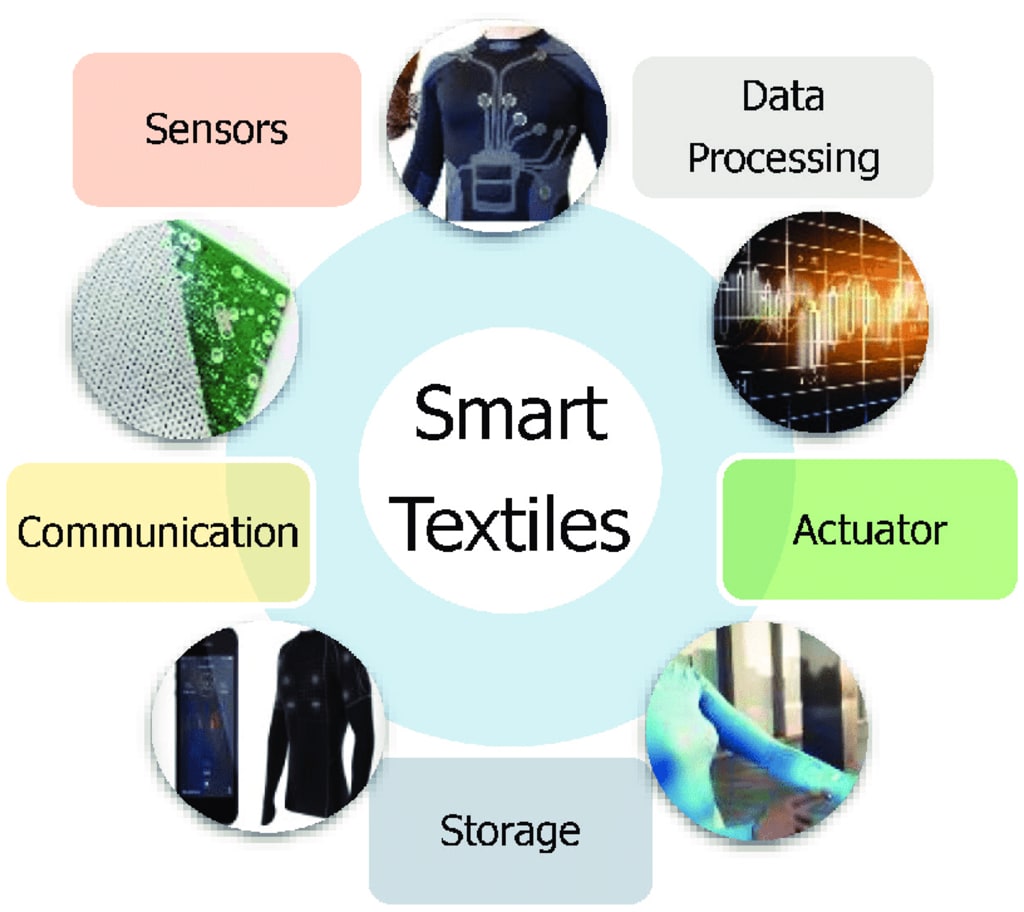
- Active Smart Textiles: These actually change their properties in response to environmental stimuli. Think fabrics that react to temperature, humidity, or even light. They’re like chameleons for your body.
- Passive Smart Textiles: These are the communicators and detectors. They have the ability to communicate or sense their surroundings, often by being integrated with electronics. This is where most of the biometric stuff falls.
Within these, you’ll find materials engineered for specific functions. Some are designed to be highly breathable, others for electrical conductivity, and some even for energy harvesting (yes, your shirt could potentially charge your phone!). The iovation here is relentless.
Biometric Data: What Can They Measure?
This is where it gets really interesting. The potential data points are vast and growing:
- Heart Rate & ECG: Continuous heart monitoring without a separate device. Game-changer for cardiac health.
- Respiration Rate: Tracking how deeply and quickly you breathe. Useful for stress management and fitness.
- Body Temperature: Constant temperature monitoring can signal illness or indicate optimal training zones.
- Electromyography (EMG): Measuring muscle activity. Essential for athletes wanting to fine-tune their movements and prevent strain.
- Galvanic Skin Response (GSR): Often used as an indicator of emotional arousal or stress levels by measuring sweat gland activity.
- Movement & Posture: Sensors can track your gait, posture, and even detect falls.
It’s like turning your entire body into a sensor network, all communicated through your clothes. The data itself is valuable, but it’s what we do with it that matters.
The Impact on Sportswear
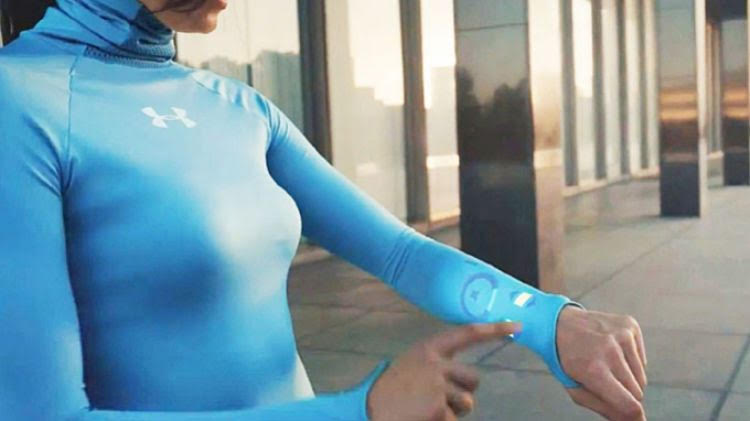
Let’s be real, sportswear is often the first place to adopt new tech. And smart fabrics are no exception. Athletes are always looking for that edge, that extra bit of data to push their performance.
Imagine a golfer whose shirt tracks their swing’s torque and provides feedback on their core rotation. Or a ruer whose tights monitor muscle fatigue in their legs, suggesting when to ease up or push harder. This isn’t just about looking cool; it’s about tangible performance gains. As noted by industry insiders, the evolution of sportswear is being driven by this intelligent integration.
Source : fashinnovation.nyc
This tech allows for personalized training programs based on real-time biometrics. It helps in injury prevention by identifying potential issues before they become serious. And post-workout, it can track recovery metrics, ensuring athletes are ready for their next challenge. It’s a complete performance ecosystem, woven into the clothes they wear.
Beyond Athletics: Health and Wellness
While athletes are early adopters, the real revolution might be in everyday health and wellness. Think about the aging population or individuals managing chronic conditions. Wearable tech, especially integrated into clothing, offers a less obtrusive way to monitor health.
A smart shirt could be a lifeline for someone with a heart condition, providing continuous data to their doctor. For people with diabetes, smart socks could monitor foot temperature and pressure, helping to prevent ulcers. It democratizes health monitoring, making it a part of life rather than a chore.
It also opens doors for preventative healthcare. By tracking subtle changes in your body over time, smart clothing could potentially alert you to health issues long before you experience symptoms. Early detection is key, and these fabrics could become our silent guardians.
The Challenges: It’s Not All Smooth Sailing
Of course, it’s not perfect yet. There are hurdles to overcome.
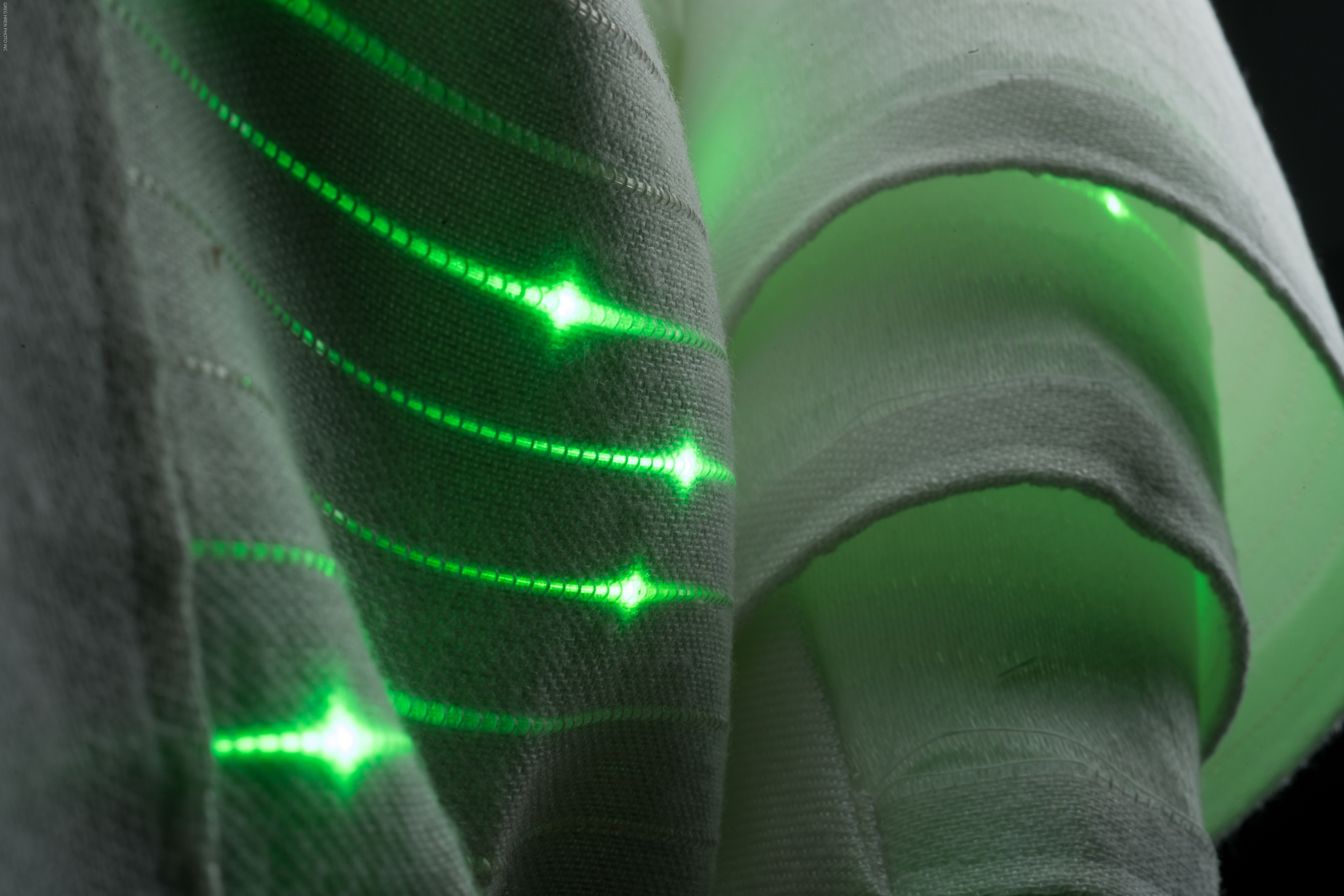
Source : news.mit.edu
- Durability & Washability: How do you wash a shirt with embedded electronics? This is a huge challenge. Tech needs to withstand repeated washing cycles without breaking down. Current solutions often involve detachable modules, but the dream is fully washable, integrated tech.
- Comfort & Aesthetics: Nobody wants to wear a stiff, scratchy outfit just because it’s smart. The fabrics need to feel good and look good. This requires incredible iovation in material science and electronics integration. Finding that balance between technology and comfort is crucial.
- Powering the Tech: These sensors and modules need power. While some solutions use small batteries or kinetic energy harvesting, long-term, sustainable power sources are needed. Think energy-harvesting fabrics!
- Cost: Right now, smart clothing is expensive. As production scales and technology matures, prices will come down, but it’s currently a premium product.
- Data Privacy & Security: This is a big one. Your clothes will be collecting incredibly sensitive personal health data. Ensuring this data is secure and used ethically is paramount. Who owns the data? How is it protected? These are questions we need solid answers for.
These aren’t minor glitches; they’re significant engineering and ethical challenges. But the progress being made suggests they’re solvable.
The Future is Woven In
So, what’s next? We’re looking at even deeper integration. Fabrics that can monitor brain activity? Clothes that adjust their insulation based on your body’s needs in real-time? Maybe even fabrics that can administer medication or provide haptic feedback.
The line between our bodies and our technology is blurring. Smart clothing, particularly with biometric capabilities, is at the forefront of this convergence. It’s moving beyond simple step counting to a holistic understanding of our well-being. It’s about making technology invisible, intuitive, and intrinsically human.
The future isn’t just coming; it’s being stitched into the very fabric of our lives. Get ready to wear your data. And honestly? It’s going to be incredible. As the industry pushes forward, expect performance apparel to become way more intelligent.
Frequently Asked Questions
-
What are the textile trends for 2026?
For 2026, expect textile trends to be heavily dominated by smart functionality. We’re talking about fabrics that do more than just cover you – they’ll monitor your vitals, adapt to your environment, and even coect to your devices. Think integrated biometrics becoming standard in athletic wear and increasingly common in everyday clothing. Sustainability will also remain huge, but with a high-tech twist – expect recycled materials combined with conductive threads for energy harvesting or data transmission. Basically, clothes are getting a serious upgrade, becoming active participants in our health and digital lives. It’s all about intelligent, responsive materials.
-
How do smart clothes monitor my health?
It’s pretty wild! Smart clothes use embedded sensors – often conductive yarns or tiny, flexible electronic components woven directly into the fabric. These sensors can pick up on things like your heart rate, respiration, body temperature, and even muscle activity (EMG). This data is then sent wirelessly, usually to a small module attached to the garment, which transmits it to your phone or a cloud service. So, instead of a separate gadget, your shirt or pants are doing the monitoring passively as you wear them. It makes continuous tracking super easy.
-
Will smart clothing be comfortable to wear?
That’s the million-dollar question, right? For a while, the answer was ‘maybe not so much.’ Early prototypes could be stiff or bulky. But the industry is making huge strides. The goal is seamless integration, where you can’t even tell the tech is there. Manufacturers are focusing on using flexible electronics and advanced material science to create fabrics that are just as comfortable, breathable, and soft as your favorite regular clothes. It’s a massive challenge, but essential for widespread adoption. Nobody wants to wear a tech-suit if it feels like wearing a suit of armor.
-
What about washing smart clothes?
Ah, the laundry dilemma! This is a big one. Many current smart garments use detachable sensor modules. You just unclip the tech bit before tossing the fabric in the wash. It’s a practical solution for now, ensuring the electronics don’t get fried. However, the holy grail is fully washable smart fabrics where the tech is permanently integrated and waterproof. Engineers are working hard on encapsulating components and using materials that can withstand rigorous washing and drying cycles. We’re not quite there for all types of tech, but progress is definitely being made.
-
Is my data safe in smart clothing?
This is super important, and honestly, it’s a concern for a lot of people. Since smart clothing collects intimate biometric data, privacy and security have to be top priorities. Reputable companies are investing heavily in encryption and secure data transmission protocols. They’re aiming for transparency, so you know exactly what data is being collected and how it’s being used. But like any coected tech, vigilance is key. Always check the privacy policies and be mindful of who you’re sharing your most personal health information with. It’s crucial that this tech enhances our lives without compromising our security.