High School E-Sports Leagues: They’re Not Just a Game Anymore
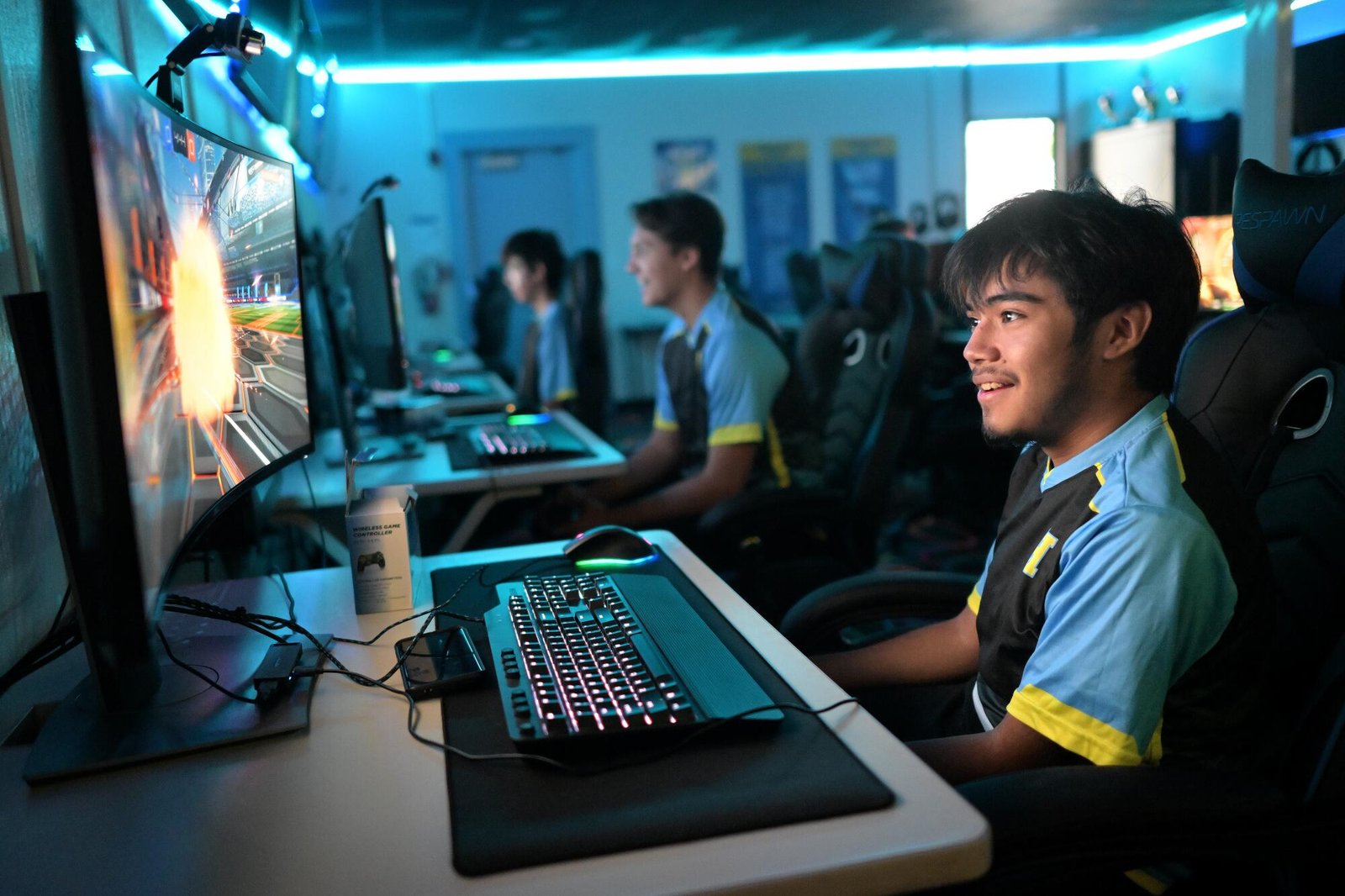
Remember when video games were just for, like, basement dwellers and arcade junkies? Yeah, me neither. Times have changed. Drastically. We’re talking about high school e-sports leagues now, and they’re exploding. Seriously, what started as a niche hobby is now a full-blown phenomenon, packing auditoriums and offering scholarship opportunities that would make any parent’s eyes pop. It’s not just a fad; it’s becoming a legitimate part of the extracurricular scene, right alongside football and debate club. The way students compete, coect, and even plan their futures is getting a serious facelift. So, grab your controller (or, you know, just read along), because we’re diving deep into how competitive gaming is taking over the high school world. This isn’t just about playing games; it’s about building communities, developing skills, and creating pathways to success. It’s a whole new ballgame. Or, well, screen game. You get it.
Source : latimes.com
The Rise of the Digital Athlete
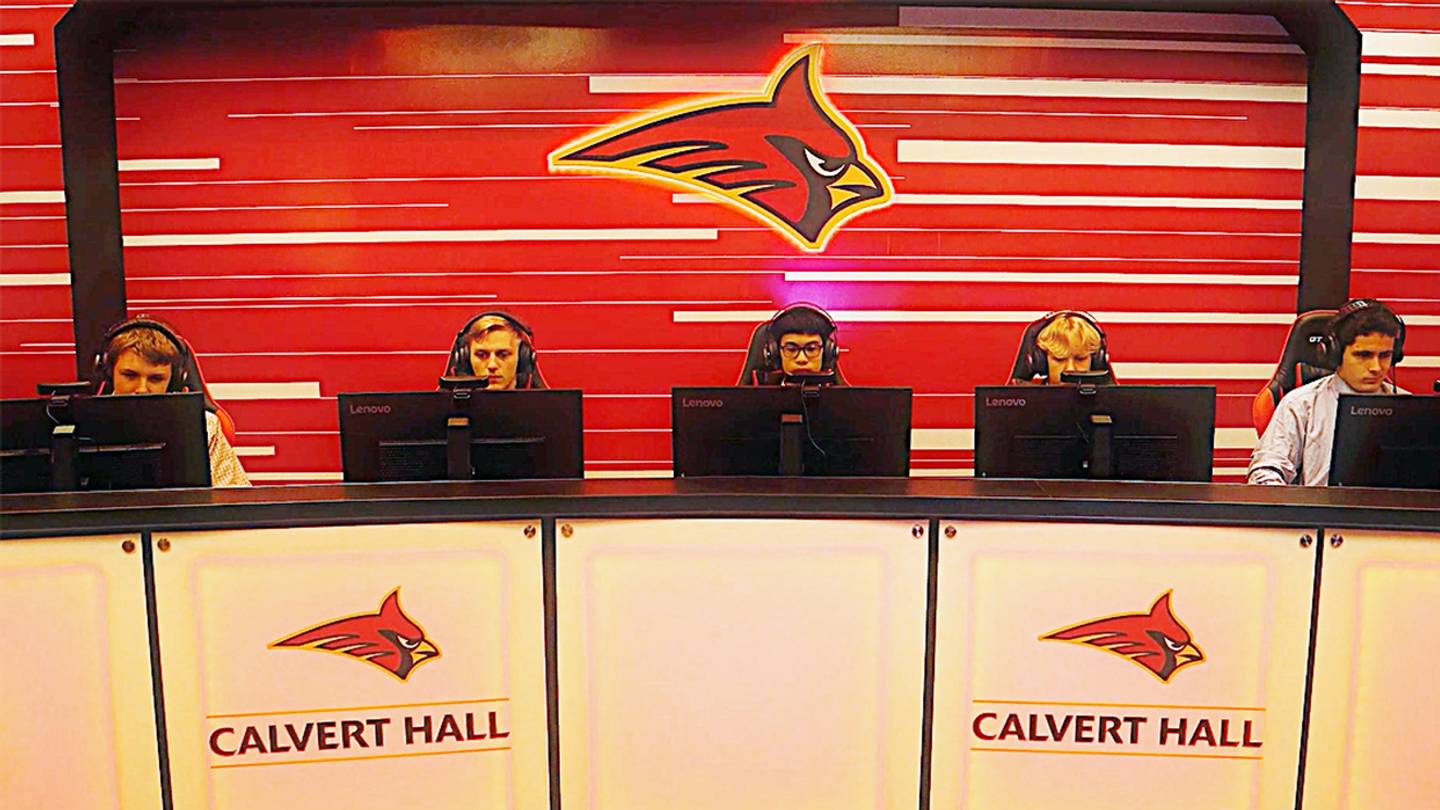
Think about it. Not too long ago, the idea of a school supporting competitive video gaming seemed wild. Teachers were probably worried about kids staring at screens too much. Now? Schools are investing in it. They’re building dedicated e-sports arenas, offering coaching, and even forming official teams. It’s a massive shift. This surge isn’t just happening in one or two schools; it’s a nationwide movement. We’re seeing scholastic e-sports programs popping up everywhere, from small rural districts to massive urban ones. It’s wild how quickly this has become a normalized part of school culture. This isn’t your older sibling’s after-school club; this is organized, competitive, and it comes with all the fanfare of traditional sports. Schools are realizing that these students, these digital athletes, are developing skills that translate way beyond the game. Think critical thinking, strategic plaing, lightning-fast reflexes, and, most importantly, teamwork. It’s the same stuff you hear coaches talk about for basketball or soccer, but applied to a completely different arena. And the student engagement? Off the charts. Kids who might not have found a place in traditional sports are finding their tribe here. It’s a huge win for inclusivity.
Source : si.com
Why Now? The Perfect Storm for E-Sports
So, what’s fueling this explosion? It’s a mix of things, really. For starters, video games themselves have gone mainstream. They’re not just for kids anymore; adults play too. Games like League of Legends, Valorant, and Fortnite have massive global followings. Think millions of players, billions of dollars. It’s a cultural force. Plus, streaming platforms like Twitch and YouTube Gaming mean anyone can watch professional e-sports players – and their high school counterparts – compete live. This visibility is huge. It makes e-sports aspirational. Kids see these players and think, ‘Hey, I can do that!’ And they’re not wrong. The esports infrastructure is growing like crazy. There are leagues, tournaments, and even governing bodies now. It’s not just a free-for-all anymore. It’s organized. Then you’ve got the pandemic. Suddenly, kids were stuck at home. What do you do? You play video games. Many schools even started e-sports programs during lockdowns to keep students engaged and coected. It proved the concept and showed how effective it could be. Finally, and this is a big one, the college scholarship angle is undeniable. Universities are actively recruiting e-sports talent, offering scholarships that can significantly cut down the cost of higher education. For many families, this is a game-changer, literally. It adds a layer of seriousness and tangible benefit that makes the whole endeavor incredibly appealing.
Beyond the Screen: Skills That Matter
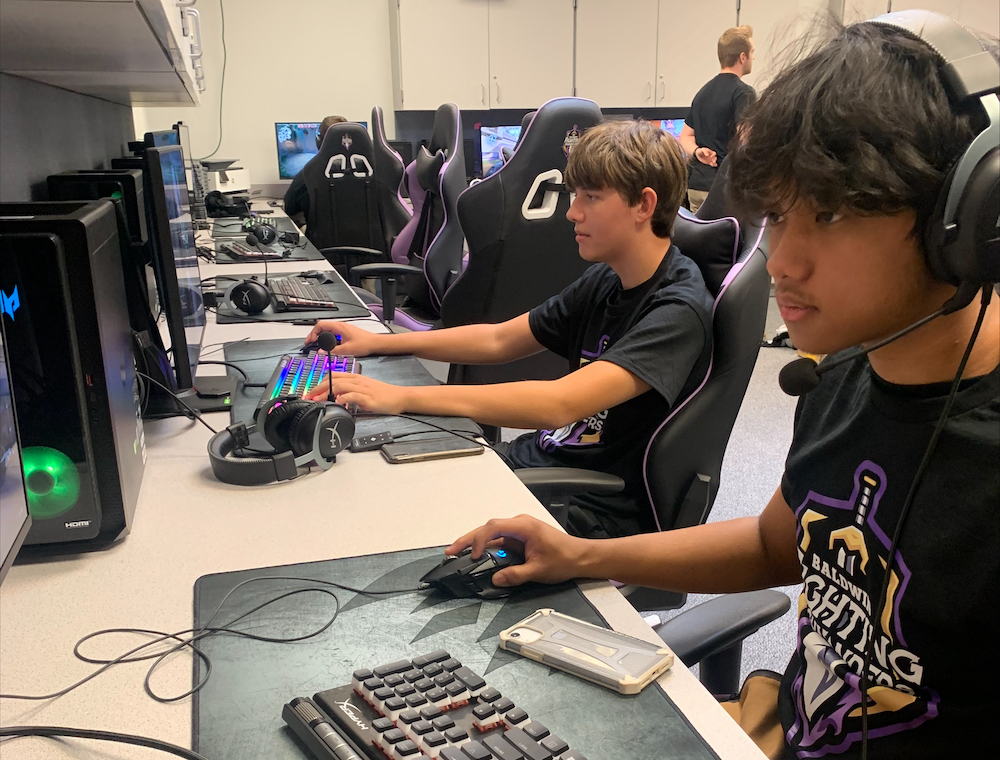
Let’s get real for a second. It’s easy to dismiss e-sports as just kids playing video games. But dig a little deeper, and you’ll see skills being honed that are incredibly valuable in the real world. These aren’t just couch potatoes. High school e-sports athletes are learning to analyze situations under pressure, adapt strategies on the fly, and communicate effectively with their teammates. Think about a team-based strategy game like League of Legends. You’ve got five players, each with a specific role, coordinating complex plays. They need to anticipate enemy movements, manage resources, and make split-second decisions. That’s not just button-mashing; that’s applied logic and teamwork. Then there’s the mental fortitude. Dealing with losses, bouncing back from mistakes, maintaining focus during long matches – these build resilience. And communication? Essential. In many games, clear, concise callouts are the difference between wiing and losing. This translates directly to collaborative environments in college and the workplace. It’s about problem-solving, strategic thinking, and effective communication. These are the 21st-century skills everyone’s always talking about. E-sports provides a fun, engaging platform for students to develop them organically.
Source : kidsburgh.org
The Academic Coection: It’s Not Just About Gaming
One of the coolest aspects of the rise of high school e-sports is how it’s starting to integrate with academics. We’re seeing schools use e-sports not just as an extracurricular activity but as a tool for learning. Some programs incorporate lessons on digital citizenship, media literacy, and even the science behind gaming performance (like hand-eye coordination and reaction times). Think about game design classes that use e-sports as a case study. Or math classes where students calculate K/D ratios and win percentages. It’s about making learning relevant and engaging. Plus, the focus on STEM is huge. Many popular e-sports titles require an understanding of physics, geometry, and even coding concepts. Students interested in these games are often naturally drawn to learning more about the technology behind them. It opens doors to careers in software development, data analysis, cybersecurity, and even broadcast production for e-sports events. The STEM coection is undeniable and incredibly powerful for sparking interest in fields that are crucial for our future economy. It’s a win-win: kids are engaged, and they’re learning valuable skills that can lead to fulfilling careers.

Source : variety.com
Building Community and Fighting Isolation
Let’s be honest, school can be tough. Finding your place, making friends – it’s not always easy. E-sports leagues are doing something pretty incredible: they’re building communities. For a lot of students, especially those who might feel like outsiders in traditional settings, e-sports teams offer a sense of belonging. They create a space where shared interests coect kids from different backgrounds. Imagine a group of students who might never have spoken otherwise, all working together towards a common goal in a game. That’s powerful. It fosters friendships, improves social skills, and combats the isolation that too many young people experience. It’s not just about the kids playing, either. Many schools are seeing parents get involved, learning about the games, attending matches, and coecting with other parents. It creates a broader sense of school spirit and community engagement. This sense of belonging is crucial for student well-being and academic success. It shows that schools are adapting to meet the needs of all students, offering diverse avenues for participation and coection. It’s about creating an inclusive environment where everyone can find their niche and feel supported.
The Scholarship Gold Rush: Making Dreams a Reality
This is where things get really interesting for students and their families. The notion of esports scholarships is no longer a distant dream; it’s a very real pathway to higher education. Colleges and universities across the country are recognizing the talent and dedication of student gamers. They’re offering significant financial aid, sometimes covering full tuition, room, and board. This is huge. It opens up educational opportunities for students who might not have had the financial means otherwise. We’re talking about hundreds of thousands of dollars in scholarships being awarded aually. And it’s not just for the absolute best players in the world. Many schools have programs for various skill levels. So, if you’re a dedicated player with strong academic standing, you likely have options. This is transforming how students approach their extracurricular activities. It adds a layer of legitimacy and opportunity that’s incredibly motivating. It validates the time and effort students put into gaming, showing them that it can lead to tangible, life-changing rewards. It’s a serious investment in student futures.

Source : cpr.org
Navigating the Challenges: It’s Not All Smooth Sailing
Of course, it’s not all sunshine and victories. Bringing e-sports into the mainstream high school scene comes with its own set of hurdles. One of the biggest is funding and resources. While some schools have dedicated budgets, many are struggling to find the necessary equipment, software licenses, and coaching staff. It requires a significant investment. Then there’s the perception issue. Some administrators, parents, and even students still view competitive gaming as frivolous or a distraction from ‘real’ academics and sports. Overcoming this requires education and demonstrating the tangible benefits. We also need to talk about equity and access. Not all students have reliable internet access or a capable computer at home, which can create disparities. Schools need to ensure that their e-sports programs are inclusive and don’t widen existing gaps. And, as with any competitive activity, managing screen time and promoting a healthy lifestyle is crucial. It’s about finding that balance. So, while the trajectory is undeniably upward, addressing these challenges is key to ensuring sustainable growth and true mainstream integration.
The Future is Digital: What’s Next for High School E-Sports?
Looking ahead, the future of high school e-sports leagues is incredibly bright. We’ll likely see even more schools adopting these programs, integrating them more formally into athletic departments. Expect to see more sophisticated training facilities, professional coaching staff, and maybe even dedicated e-sports curriculum. The level of competition will continue to rise, pushing students to new heights. I also anticipate a stronger coection between high school e-sports and professional leagues, creating clearer pathways for aspiring gamers. The scholarship opportunities are only going to grow as more colleges invest in their e-sports programs. We might even see e-sports become a recognized varsity sport in more states, complete with all the associated recognition and support. It’s a constantly evolving space, driven by passionate students and educators who see the immense potential. One thing’s for sure: the days of dismissing video games as just a hobby are long gone. We’re witnessing a fundamental shift in how we define school sports and extracurricular activities. It’s an exciting time to be involved, whether you’re a player, a coach, a parent, or just an interested observer. The game is just getting started, and it’s only going to get bigger.
Frequently Asked Questions
Are high school sports getting more competitive?
Absolutely. And not just the traditional ones. High school e-sports are becoming incredibly competitive. Think about it: kids are practicing for hours, strategizing, and competing at a high level. Colleges are offering scholarships, which drives up the competitive intensity even more. Students are taking this seriously because it offers real opportunities. So yeah, whether it’s on the field or on the screen, the competition is definitely heating up.
What college is #1 in esports?
That’s a tough one because ‘number one’ can mean a lot of things – best teams, most scholarships, biggest programs. Schools like Maryville University in St. Louis have been consistently strong, offering significant scholarships and having top-tier teams in games like League of Legends. Then you have schools like UCI (University of California, Irvine) and Ohio State University, which have well-established programs and facilities. It really depends on the game and what criteria you’re using. But yeah, Maryville is definitely a major player in collegiate e-sports.
Do colleges give scholarships for video games?
Yes! This is a huge part of why high school e-sports are blowing up. Many colleges and universities now offer scholarships specifically for e-sports athletes. These can range from partial tuition waivers to full rides, depending on the school and the student’s skill level. It’s a rapidly growing area, and it’s opening up significant educational opportunities for talented gamers who might not have had them otherwise. It’s a legitimate pathway to higher education.
Are e-sports considered a sport?
That’s the million-dollar question, right? For a long time, the answer was ‘no’ for many. But it’s changing fast. If you define sport by competition, skill, strategy, and teamwork, then yes, e-sports absolutely qualify. Think about the reflexes, the strategic depth, and the communication required. Many traditional sports organizations and even educational institutions are increasingly recognizing e-sports as a legitimate competitive activity. It’s not just about playing games; it’s about dedication, practice, and high-level performance. The competitive aspect is undeniable.
How do I get my high school to start an e-sports team?
Great question! First, see if there’s already interest. Talk to friends, gauge student enthusiasm. Then, you’ll want to research existing models – look at how other schools have done it. You’ll likely need to find a faculty advisor who’s willing to champion the cause. Prepare a proposal that highlights the educational benefits, skill development, and potential for student engagement. You might need to present this to the principal, athletic director, or school board. Fundraising for equipment will probably be a big part of it, so consider that early. It takes initiative, but it’s definitely doable. Building a proposal is key.