AI Personal Trainers: The Future or Just a Fad? Let’s Dig In.
Alright, let’s talk about those AI personal trainers everyone’s buzzing about. You see ’em popping up everywhere, promising ripped abs and peak performance with just an app. But are they actually any good? Or is this just another tech gimmick that’ll fade faster than a New Year’s resolution?
Look, I’ve been in the fitness game for a while, seen trends come and go. This AI stuff? It’s different. It’s not just about tracking your steps anymore. We’re talking about algorithms that analyze your form, create custom workouts, and even try to keep you motivated. Sounds cool, right? But let’s not get ahead of ourselves. There’s a whole lot more to unpack than just a shiny interface.

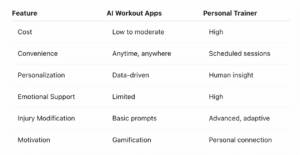
Source : scrippsamg.com
We’re going to dive deep into the pros and cons. We’ll talk about what you actually get for your money, and whether it’s worth ditching your human coach for a bunch of code. Stick around, because this might just change how you think about your workouts forever.
The Lowdown: What Exactly IS an AI Personal Trainer?
Forget the cheesy sci-fi movie image. An AI personal trainer isn’t some robot in your living room (yet). Think more like a super-smart app or software. It uses artificial intelligence – fancy algorithms, basically – to do a few key things:
- Analyze your performance: Some can look at video of you working out and tell you if your form is trash. Others crunch data from your wearable devices.
- Create personalized plans: Based on your goals, fitness level, and even your recovery, it whips up daily or weekly workouts. This is way beyond a generic program.
- Provide feedback: It might give you real-time tips during a workout or detailed breakdowns afterward. Some even try to mimic a coach’s voice.
- Track your progress: Naturally, it keeps tabs on your lifts, reps, and how you’re feeling, adjusting as you go.
It’s like having a digital coach in your pocket, available 24/7. No need to schedule around someone else’s availability. Pretty slick, huh?
The Good Stuff: Why You Might Actually Want an AI Coach
Okay, let’s get to the shiny side of the coin. Why are so many people, and even gym owners, looking at these AI fitness tools? There are some solid reasons.
1. Cost-Effectiveness: Your Wallet Will Thank You
Let’s be real, human personal trainers aren’t cheap. We’re talking hundreds, sometimes thousands, of dollars a month if you’re going multiple times a week. An AI trainer? That’s a different ballgame. You can often get a subscription for $10, $20, maybe $50 a month. Big difference, right? For folks on a tighter budget, this opens up personalized training that was previously out of reach. Think of a student hitting the gym for the first time – this makes guidance accessible.
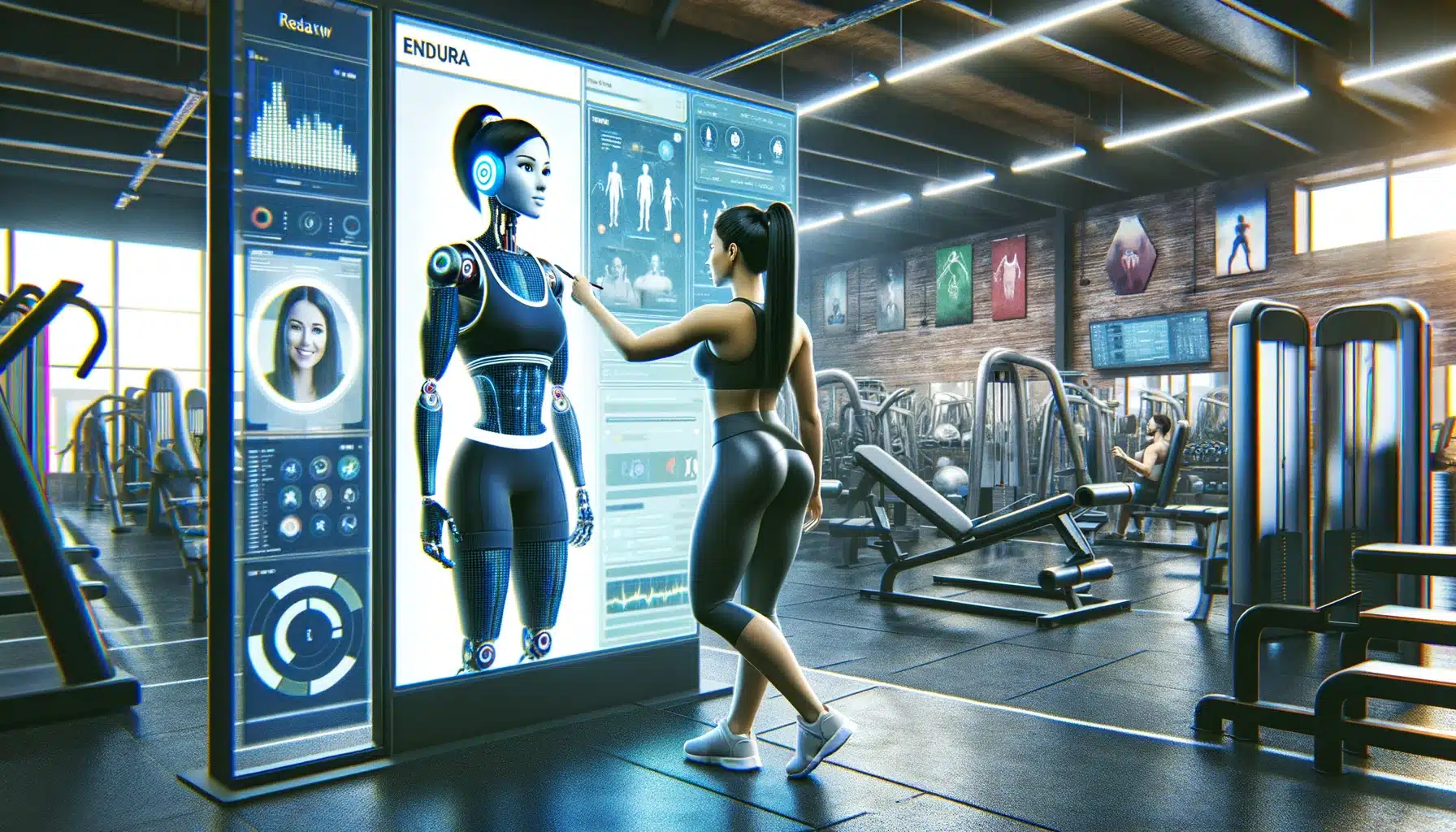
Source : stayfitcentral.com
2. 24/7 Availability: Train When YOU Want
Your human trainer has a life. They sleep, they eat, they take vacations. Your AI trainer? It’s always on. Early morning session before work? No problem. Late-night sweat sesh after the kids are asleep? Done. This constant availability is a huge win for people with unpredictable schedules or those who just like to work out at odd hours. It fits your lifestyle, not the other way around.
3. Next-Level Personalization (Sometimes)
This is where AI really shines. Instead of a trainer guessing based on a quick assessment, AI can analyze tons of data. Your heart rate, your sleep patterns, your past workout performance, even video analysis of your squat form. It then adjusts your plan on the fly. If you had a terrible night’s sleep, it might dial back the intensity. If you’re crushing it, it pushes you harder. It’s data-driven adaptation, which can be incredibly effective. It’s about getting the right workout.
4. Consistent Feedback Loop
Human trainers can get tired, distracted, or just have an off day. An AI doesn’t. It provides consistent feedback, pushing you to maintain good form and hit your targets every single time. Some apps offer real-time form correction using your phone’s camera. Imagine doing a deadlift and getting an instant audio cue: “Lower your hips slightly.” That immediate correction can prevent injuries and make your lifts more effective. This is about improving your technique.
5. Habit Formation and Motivation
Let’s face it, staying motivated is tough. AI trainers can help here too. They use gamification, progress tracking, and personalized reminders to keep you engaged. Seeing your streaks grow, hitting new personal bests tracked by the app, or getting a cheerful “Great job today!” can make a surprising difference. They can also help build consistency. Think of it as a digital cheerleader that’s always there, nudging you towards your fitness goals.
6. Scalability for Businesses
For gyms and fitness businesses, AI offers incredible scalability. They can offer personalized training solutions to hundreds or thousands of members simultaneously, something impossible with human trainers alone. This allows businesses to offer tiered services, maybe combining AI with occasional human check-ins, making premium coaching more accessible. It’s a way to expand reach.
The Flip Side: Where AI Personal Trainers Fall Short
Now, before you toss your gym membership and sign up for a year of AI coaching, let’s talk about the downsides. Because yeah, there are some significant ones.
1. The Missing Human Touch
This is the big one. A good human trainer does more than count reps. They read your body language, understand your emotional state, and offer genuine encouragement. They build a relationship. They might notice you’re stressed about work and adjust your session accordingly, or offer a pep talk when you’re feeling down. An AI can’t replicate that empathy, that intuitive understanding. It’s hard to get true emotional support from an algorithm.

Source : thefitnessgrp.co.uk
2. Potential for Inaccurate Feedback
While AI is getting better, it’s not perfect. Video analysis can be fooled by lighting, camera angles, or minor obstructions. If the AI misinterprets your form, it could give you bad advice, potentially leading to injury. A human trainer can immediately see a subtle fault that an AI might miss. There’s a level of safety and accuracy that still requires a human eye.
3. Data Privacy Concerns
These apps collect a lot of personal data: your biometrics, workout habits, even video footage. How is that data stored? Who has access to it? Concerns about data breaches or how your sensitive health information is being used are very real. You need to trust the company behind the app implicitly. It’s a significant privacy risk.
4. Lack of Real-World Adaptability
What if your workout space is suddenly crowded? What if you don’t have all your usual equipment? A human trainer can adapt on the fly, creatively modifying exercises. An AI might struggle if its pre-programmed routines don’t match the reality of your situation. It’s less flexible when faced with unexpected changes.
5. Over-Reliance and Lack of Intuition
Constantly following an AI’s plan might prevent you from developing your own body awareness and intuition. You might learn to rely solely on the app’s guidance, rather than listening to your body’s signals. This can hinder long-term self-sufficiency in training. It’s about building an understanding of your own body.
6. Quality Varies Wildly
Just like human trainers, the quality of AI trainers can range from brilliant to downright terrible. Some are built on sound exercise science principles, while others might be hastily put together marketing tools. Finding a truly effective and safe AI trainer requires research. You can’t just pick the first one you see. It’s a minefield of varying quality.
AI vs. Human Trainer: The Showdown
So, should you ditch your flesh-and-blood coach for a digital one? It’s not really an either/or situation for most people. Think of it more as a spectrum.
When AI Shines Brighter:
- Budget constraints: AI is way cheaper.
- Convenience is king: Need to train at 3 AM? AI’s got you.
- Data nerds rejoice: If you love tracking every metric.
- Supplementing human coaching: Using AI for daily tracking and workouts between sessions.

Source : pixelbrainy.com
When Humans Still Reign Supreme:
- Complex needs: Injury rehab, specific athletic performance goals, chronic health conditions. A human can assess and adapt with nuance.
- Need for accountability and deep motivation: The personal coection matters to many.
- Form critical for safety: Especially with complex lifts like squats, deadlifts, or Olympic lifts, where an expert eye is invaluable.
- Learning the ‘why’: A good human trainer teaches you about programming, nutrition, and your body in a way an app often can’t.
Many experts suggest a hybrid approach. Maybe you see a human trainer once a week or month for form checks and strategy, and use an AI tool for your daily programming and tracking. As one article put it, AI can be a great tool for trainers, helping them manage clients more effectively and provide data-driven insights, rather than a complete replacement. It’s about finding what works for you.
The Cost of AI Personal Training: What to Expect
This is where things get really interesting, especially compared to traditional training. You’re not paying for someone’s time in the same way. The costs for AI personal trainers are generally much lower and fall into a few categories:
1. Subscription Models (Most Common)
This is the bread and butter. You pay a monthly or aual fee for access to the app and its features. Prices can vary significantly:
- Basic Apps: Might cost anywhere from $10 to $30 per month. These often provide workout generation, basic tracking, and maybe some video examples. Think of apps like Fitbod or Freeletics.
- Mid-Range Apps: Could be $30 to $60 per month. These often include more advanced features, like AI-powered form analysis via video, more detailed analytics, and perhaps integration with wearables.
- Premium / Hybrid Services: Some services blur the lines. You might pay $75 to $150+ per month for an AI platform that includes regular check-ins with a human coach or access to a community. These try to offer the best of both worlds.
Aual subscriptions usually offer a discount, sometimes saving you a couple of months’ worth of fees. It’s always worth checking AI personal trainer tools for the latest pricing.
2. One-Time Purchases (Less Common for Full Training)
Sometimes you might buy a specific training program designed by an AI, or a one-off assessment. However, for ongoing, adaptive training, subscriptions are the norm. A one-time purchase won’t give you that continuous adaptation.
3. Free Tiers and Trials
Many apps offer a limited free version or a free trial period (usually 7-14 days). This is a great way to test the waters and see if an AI approach suits you before committing. Don’t underestimate the value of a free trial.
Bottom line on cost: Compared to a human trainer who might charge $60-$100+ per session, AI training is incredibly affordable. You’re looking at a fraction of the price for consistent guidance. This accessibility is a major driving force behind its popularity.
Who Should Consider an AI Personal Trainer?
So, who is this tech really for? I see a few key groups:
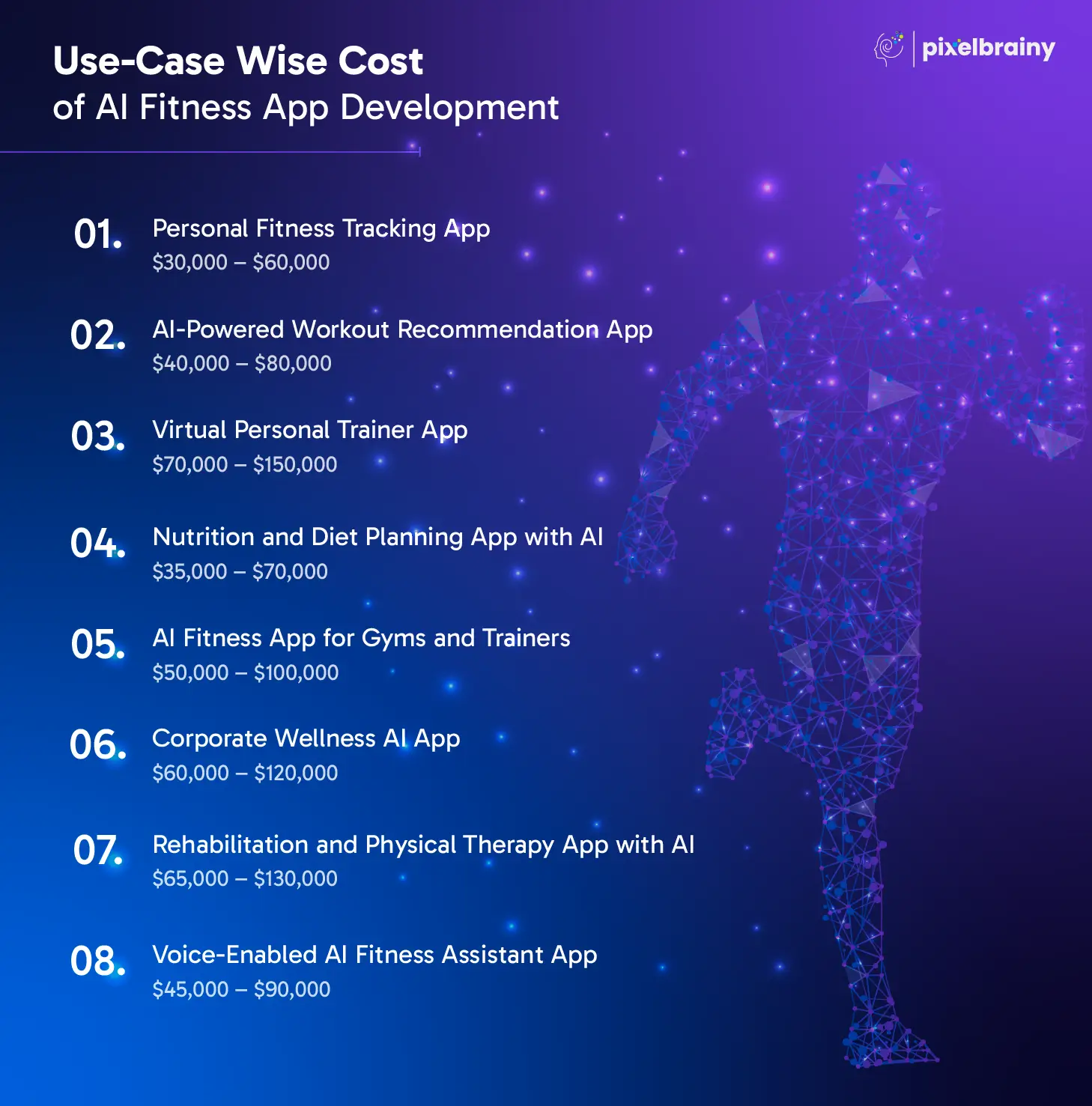
Source : pixelbrainy.com
- The Budget-Conscious Begier: You want guidance but can’t afford a human trainer. AI offers a structured start.
- The Experienced Lifter Needing Structure: You know your lifts, but want a systematic way to progress or break through plateaus. AI can provide challenging, varied programming.
- The Schedule-Challenged Individual: Your life is chaotic. You need workouts that fit your random schedule, not one dictated by a trainer’s availability.
- The Data-Driven Athlete: You love seeing the numbers, tracking every aspect of your performance, and optimizing based on metrics.
- People Seeking Supplementation: You have a human coach but want more workout options or data tracking between sessions.
If you’re looking for someone to hold your hand emotionally through every rep, or you have complex medical needs requiring highly specialized attention, a human might still be the better bet. But for structured, data-informed, and affordable training, AI is a serious contender.
Will AI Replace Human Trainers? My Take.
Honestly? No. Not entirely. And maybe it shouldn’t. Think about it like photography. Digital cameras didn’t kill professional photographers; they changed the industry and created new opportunities. AI is likely to do the same for personal training.
The truly great human trainers will adapt. They’ll use AI tools to enhance their services, automate the boring stuff (like scheduling and basic progress logging), and free up more time for what they do best: providing expert guidance, building rapport, and offering personalized motivation. They might become more like performance coaches or specialized consultants. Check out this take on whether AI trainers are good.
AI is fantastic at processing data and executing algorithms. Humans are brilliant at empathy, creativity, and understanding complex, nuanced situations. The future is probably a blend. AI handles the heavy lifting of data analysis and programming, while humans provide the crucial element of coection and expert oversight. It’s about synergy, not replacement. It’s a powerful combination.
As one source notes, comparing AI and human trainers can highlight the unique strengths of each, suggesting they can coexist and even complement each other. AI workout vs trainer comparisons often point out that technology excels at efficiency and data, while humans excel at emotional intelligence and adaptable problem-solving.
Final Thoughts: Is an AI Personal Trainer Worth It?
Look, AI personal trainers aren’t perfect. They lack the deep personal coection and intuitive understanding of a human coach. But are they good? For many people, absolutely yes. They offer unprecedented affordability, 24/7 access, and highly personalized, data-driven programming.
If you’re on a budget, have a tricky schedule, or just want a structured way to get fitter, an AI trainer is absolutely worth exploring. Just be realistic about its limitations. Understand that it’s a tool – a really powerful one – but still a tool. Don’t expect it to be your therapist and your drill sergeant. It’s a smart fitness tool.
The key is to choose wisely, understand what you’re getting, and perhaps integrate it with human expertise if possible. The cost-benefit analysis often tips heavily in favor of AI for sheer accessibility and volume of training guidance. So, dive in, try a free trial, and see if this digital coach is the right fit for your fitness journey. It might just surprise you.
Frequently Asked Questions
-
Are AI personal trainers any good?
Yeah, they can be pretty darn good, especially for the price. AI trainers excel at delivering personalized workout plans based on your data and goals, and they’re available 24/7, which is awesome for busy folks. They’re great at tracking progress and offering structured routines. However, they totally lack the human touch – that empathy and intuitive understanding a real coach provides. So, good for structure and data? Yes. Good for deep emotional coection and nuanced real-time correction? Not quite yet. It really depends on what you need.
-
How much does an AI personal trainer cost?
You’ll be happy to hear they’re way cheaper than a human trainer! Most AI personal trainers operate on a subscription model. You’re typically looking at anywhere from $10 to $60 per month. Some premium or hybrid services might push $75-$150, especially if they include some human interaction. Compared to paying $60-$100+ per session for a human coach, the savings are massive. Plus, many offer free trials so you can test them out.
-
Can an AI trainer help me with injury recovery?
This is where it gets tricky. While some AI apps might offer modifications for minor aches, they’re generally not ideal for serious injury recovery. Re-habbing an injury requires a deep understanding of biomechanics, pain signals, and individual healing processes that AI just can’t replicate yet. A physical therapist or a specialized human trainer is a much safer and more effective bet for recovery. AI is better suited for general fitness and performance enhancement.
-
What's the biggest downside of using an AI trainer?
For me, the biggest downside is the lack of human coection and empathy. A great human trainer reads your vibe, knows when you need a push or a sympathetic ear, and builds a real relationship. AI just can’t do that. It’s all data and logic. You miss out on that motivational, personal element that can make a huge difference, especially on tough days. Plus, the risk of inaccurate feedback or data privacy issues are major concerns.
-
Should I use an AI trainer if I'm a complete begier?
Absolutely! If you’re new to fitness and the cost of a human trainer feels daunting, an AI personal trainer can be a fantastic starting point. They provide structured workouts, teach basic form (often with video analysis), and help you build consistency without breaking the bank. Just be mindful that while they can guide you, real-world form checks from a human are always a good idea as you progress to prevent bad habits or injuries.