Green Skills: Your Ticket to the Future (Part 1)

Source : emerging.fr
Alright, let’s cut to the chase. The world’s changing, and fast. Forget what you learned in school – or at least, be ready to update it. We’re talking about the skills that actually matter in the next 10, 20, 50 years. This isn’t some fluffy, feel-good trend; this is survival. And guess what? It’s all about going green.
I’ve seen a lot of buzzwords fly around in my time. “Synergy.” “Disruption.” “Paradigm shift.” Most of it sounds like corporate jargon designed to make you feel like something important is happening when, really, nothing is. But green skills? That’s different. That’s the real deal.
Why? Because we’re staring down the barrel of some massive environmental challenges. Climate change isn’t a debate anymore; it’s a Tuesday. Resource scarcity? Yep, that’s becoming our daily bread. And the companies that are going to thrive, the ones that will actually matter, are the ones getting this. They’re the ones building a sustainable future.
The Old Way Isn’t Working Anymore

Source : youtube.com
Remember when getting a degree was like a golden ticket? You’d learn a trade, get a job, and generally be set. Those days? Poof. Gone. The job market is like a slippery eel now. What was cutting-edge yesterday is practically ancient history tomorrow. And trying to navigate it with an outdated skillset is like bringing a butter knife to a gunfight.
We’ve been churning out graduates with skills that are becoming obsolete faster than you can say “AI takeover.” That’s not their fault, mind you. The system’s just slow to catch up. But the planet isn’t waiting. And neither are the smart employers. They’re looking for people who understand environmental responsibility.
Think about it. Who do you want building your next car? Someone who knows how to bolt metal together, or someone who knows how to build an electric vehicle that’s actually efficient and affordable? The answer’s obvious, right? This is why education needs an overhaul.
Why Green Skills Are the New Gold
Source : linkedin.com
So, what exactly are we talking about when we say “green skills”? It’s not just about planting trees, though that’s cool too. It’s a whole spectrum. It’s understanding energy efficiency. It’s designing sustainable products. It’s managing waste like a pro. It’s knowing how to implement renewable energy solutions. It’s about making businesses more environmentally friendly, which, surprise, also makes them more profitable in the long run.
Seriously, take a look at what major players are saying. Forbes dropped a piece outlining exactly how green skills are reshaping global education. It’s not a niche thing anymore. It’s becoming mainstream. Companies are actively seeking folks who get the circular economy, who can figure out carbon capture, or who know their way around sustainable agriculture.
This isn’t just for environmental scientists or engineers, either. This applies everywhere. Marketing? You need to know how to communicate sustainability. Finance? You need to understand green bonds and ESG investing. HR? You need to attract talent that values ethical business practices.
The Hottest Green Skills You Need Now
Energy Efficiency Experts
This is huge. Think of the businesses that are bleeding money on energy costs. Someone who can walk in, audit their systems, and implement changes to slash that bill? That person is worth their weight in gold. We’re talking about audits, retrofitting buildings, and implementing smart grid tech. Every company needs this, plain and simple. It’s about saving money and the planet.
Renewable Energy Technicians
Solar panels aren’t going to install themselves. Wind turbines need maintenance. The infrastructure for clean energy is booming, and it needs people who know how to build, operate, and fix it. This is hands-on work that’s directly contributing to a cleaner future. And the demand? It’s off the charts.
Sustainable Agriculture Specialists
Feeding a growing population without wrecking the planet is a massive challenge. These folks are figuring out how to grow more food using fewer resources, minimizing pesticides, and improving soil health. It’s about food security and sustainability rolled into one. It’s practical, vital work.
Waste Management and Recycling Innovators
We create too much trash. Period. The future belongs to those who can design systems to reduce waste, reuse materials, and turn what’s left into something useful. Think circular economy principles in action. This isn’t just about sorting bins; it’s about resource management on a grand scale.
Green Building Professionals
From design to construction to ongoing management, there’s a massive push for buildings that are energy-efficient, use sustainable materials, and minimize their environmental impact. Architects, contractors, project managers – if you’re in construction, you need to get hip to eco-friendly construction.
So, that’s just a taste. The core message? Get comfortable with the idea that learning never stops. And the skills that are going to keep you relevant, the ones that are going to make you valuable, are increasingly tied to our planet’s health. Stick around, because in Part 2, we’re digging into how you actually get these skills.
5 Green Skills US Colleges Are Prioritizing Now

Source : deepthoughtshed.com
Alright, let’s cut to the chase. Colleges aren’t just teaching theory anymore; they’re actually getting practical about green skills. They know the job market’s shifting, and they’re scrambling to keep up. You’ll see programs popping up that focus on things you can actually do. Forget the fluff, this is about real-world application. This is about getting you hired.
Renewable Energy System Design
This is huge. Think solar panel installations, wind turbine maintenance, and even geothermal systems. Colleges are building labs and offering hands-on training. It’s not just about knowing what solar is, but how to design and implement it effectively. They’re training the people who will literally power our future. And frankly, college programs are the best place to get this foundational knowledge.
Sustainable Agriculture Techniques
Farming’s changing, big time. We’re talking about vertical farming, hydroponics, and reducing water usage. Universities are teaching everything from soil science to pest management with a sustainability lens. It’s a serious departure from the old-school methods, and it’s creating jobs for a new generation of farmers and agricultural scientists. It’s about growing food smarter, not just harder.
Environmental Impact Assessment
Every major project, from building a new highway to opening a factory, needs someone to figure out the environmental consequences. Colleges are pumping out grads who can do these assessments. They learn to analyze data, understand regulations, and predict potential problems. It’s a crucial environmental career path, and it requires a specific skillset that’s in high demand.
Waste Management and Resource Efficiency
Yeah, waste management doesn’t sound glamorous, but somebody’s gotta do it. And more importantly, somebody’s gotta figure out how to reduce it. Universities are offering courses in circular economy principles, recycling technologies, and industrial ecology. They’re teaching how to turn trash into treasure, or at least how to send less of it to the landfill. It’s about resource conservation, plain and simple.
How to Transition Your Career to Renewable Energy
Source : energy.gov
So, you’re stuck in a job you hate, or maybe just one that’s going the way of the dinosaur. The renewable energy sector is booming, and frankly, it’s a much better place to be. It’s not as scary as you think to make the switch. You just need a plan. And maybe a little courage.
Assess Your Transferable Skills
Before you dive headfirst into retraining, take a good, hard look at what you already know. Are you good at managing projects? Have you ever dealt with complex technical systems? Even skills like customer service or sales can be surprisingly valuable. Your project management experience, for instance, is gold in the energy industry. Think about it. What are you already good at that could apply?
Identify Your Target Renewable Field
Renewable energy isn’t just one thing. There’s solar, wind, geothermal, hydro, energy storage… the list goes on. Figure out which area sparks your interest the most. Do you love the idea of working hands-on with equipment? Or maybe you’re more suited to the analytical side of things? Researching clean energy jobs in specific niches is key here.
Upskill with Targeted Training or Certifications
This is where the rubber meets the road. Once you know your target, find the training. This could be a short online course, a community college certificate, or even a full degree if you’re really serious. Many companies offer apprenticeships, too. Look for programs that focus on specific roles, like solar installer or wind turbine technician. Getting a solar installation certification, for example, can open doors immediately.
Network Like Crazy
Seriously, people hire people they know. Go to industry events, join online forums, connect with folks on LinkedIn. Let everyone know you’re looking to transition. You’d be surprised how often a simple conversation can lead to a job opportunity. Don’t be shy about reaching out to people in companies you admire. A little networking goes a long way in the green job market.
The Boom in Sustainable Urban Planning Degrees
Source : nature.com
Cities are getting smarter, and thank goodness for that. We can’t keep building the same old way. That’s where sustainable urban planning comes in. It’s not just about drawing lines on a map anymore; it’s about creating livable, resilient, and environmentally sound places for people. And guess what? Degrees in this field are suddenly hotter than a summer sidewalk.
Integrating Green Infrastructure
This is a big one. Think more parks, better public transit, green roofs, permeable pavements. Planners are now expected to design cities that work with nature, not against it. They’re looking at how to manage stormwater naturally, reduce the urban heat island effect, and improve air quality. It’s about building cities that are both functional and environmentally friendly.
Promoting Walkability and Bikeability
Nobody wants to be stuck in traffic forever. Sustainable urban planners are pushing for cities where you can actually walk or bike to get places. This means designing safer streets, investing in bike lanes, and creating pedestrian-friendly zones. It’s about improving quality of life and reducing our reliance on cars. A walkable city is a healthier city, period.
Designing for Climate Resilience
Let’s face it, climate change is real. Planners have to think about extreme weather events – floods, heatwaves, you name it. They’re developing strategies to protect communities, like building sea walls or creating cooling centers. This involves a deep understanding of climate science and how it impacts urban environments. It’s about future-proofing our cities against climate impacts.
Fostering Mixed-Use Development
Why should you have to drive across town to get groceries and then back again for work? Sustainable planning encourages mixing residential, commercial, and recreational spaces. This makes neighborhoods more vibrant and reduces the need for long commutes. It’s about creating vibrant communities where people can live, work, and play all in one place.
Online Certifications for Circular Economy Jobs
Source : circulareconomyalliance.com
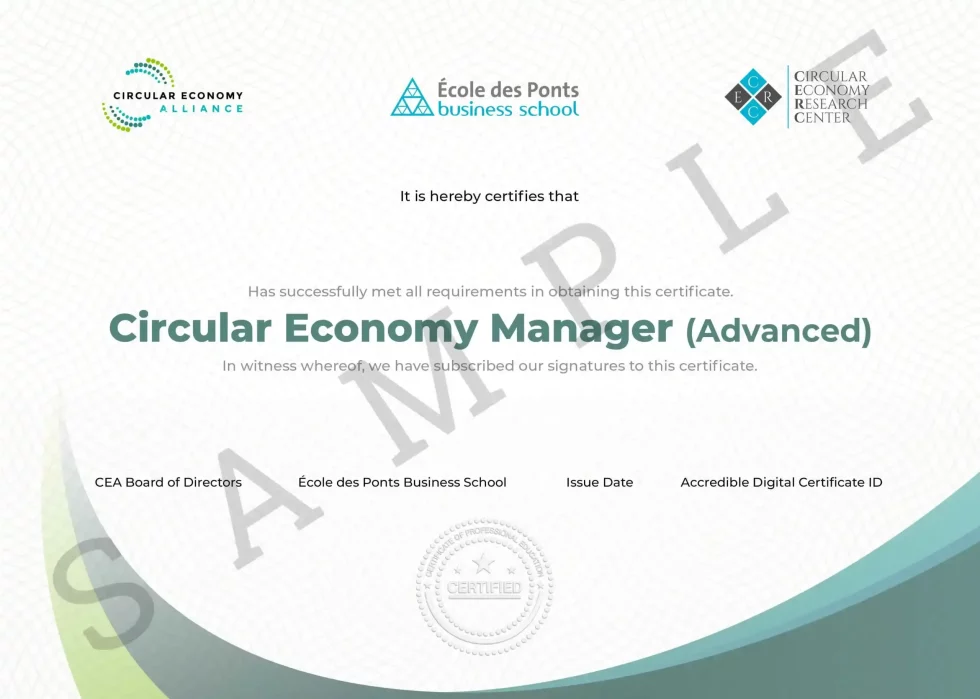
The old “take-make-dispose” model? It’s dead. Long live the circular economy! This is all about keeping resources in use for as long as possible, then recovering and regenerating products and materials at the end of each service life. And yes, there are jobs in this. Lots of them. The best part? You can often get the training you need online. No need to quit your day job just yet.
Materials Management and Recycling Technologies
This is foundational. You’ll learn about sorting, processing, and repurposing different materials. Think plastics, metals, textiles – you name it. Understanding the latest recycling technologies and best practices is key. Many certifications dive deep into the logistics and science behind effective waste diversion.
Product Lifecycle Assessment (LCA)
Ever wondered how much environmental impact a product has from its creation to its disposal? LCA professionals figure that out. Certifications in LCA teach you how to analyze the full environmental footprint of goods and services. It’s a critical skill for companies wanting to make their products more sustainable.
Sustainable Business Strategy
This isn’t just about environmentalism; it’s about smart business. Circular economy certifications often cover how to build business models that are both profitable and planet-friendly. Think about designing products for durability, offering repair services, or implementing take-back programs. It’s about rethinking how businesses operate for long-term success and environmental responsibility.
Upcycling and Repair Skills
Sometimes, the best way to deal with waste is to not create it in the first place. Certifications focused on upcycling teach creative ways to transform old materials into new products. Repair certifications focus on fixing broken items rather than replacing them. These hands-on skills are becoming incredibly valuable in a world that’s finally realizing the cost of disposability.
Why Environmental Data Analytics is the Job of the Future
Source : eco-act.com
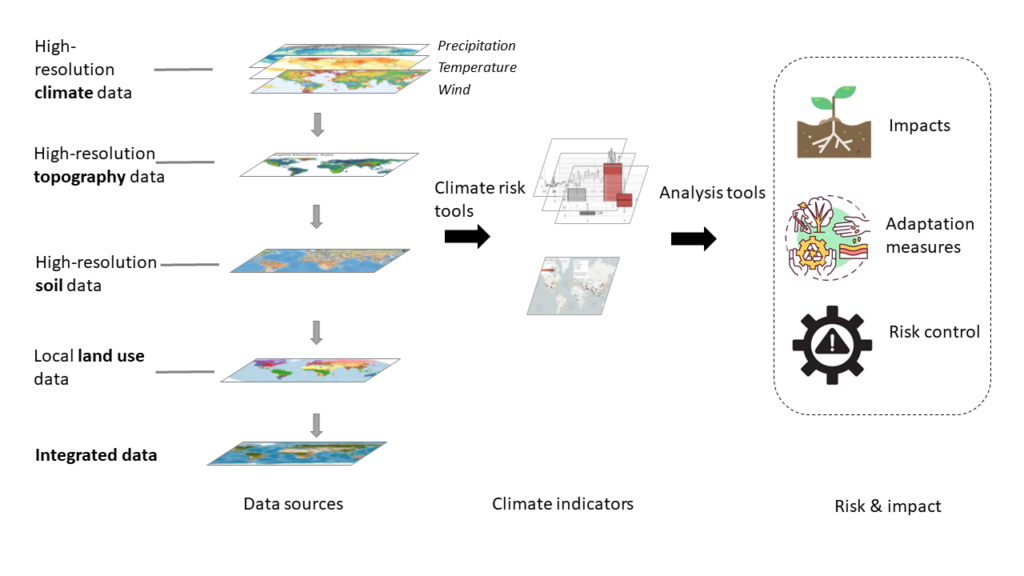
We’re drowning in data. Especially environmental data. Think sensor readings, satellite imagery, emissions reports, climate models. But data’s useless if you can’t understand it. Enter environmental data analytics. This field is exploding because companies and governments desperately need people who can make sense of all this information and turn it into actionable insights. It’s the ultimate future-proof career.
Data Visualization and Communication
You can have all the numbers in the world, but if you can’t show them to people in a way they understand, what’s the point? This skill involves creating compelling charts, graphs, and dashboards that tell a clear story. Think about presenting climate change trends or pollution levels in a way that grabs attention and drives action. Data visualization makes complex information accessible.
Statistical Modeling and Predictive Analysis
This is where the real magic happens. Environmental data analysts use statistical techniques to identify patterns, understand correlations, and predict future trends. They might forecast air quality, model the spread of invasive species, or estimate the impact of policy changes. Strong statistical modeling skills are non-negotiable.
GIS and Spatial Analysis
A lot of environmental data has a “where” associated with it. Geographic Information Systems (GIS) allow analysts to map and analyze this spatial data. You can see pollution hotspots, track deforestation, or plan the best locations for renewable energy projects. It’s like putting all the data on a map, which is incredibly powerful for environmental planning.
Proficiency in Data Analysis Tools
You’ll need to be comfortable with the software. This usually means knowing languages like Python or R, and being proficient with databases and tools like SQL. Certifications often focus on building these technical competencies. Mastering these data analysis tools is your ticket to entry in this high-demand field.
| Green Skill Area | Typical Educational Pathway | Potential Job Titles | Why It Matters |
|---|---|---|---|
| Renewable Energy Systems | College Degrees (Engineering, Environmental Science), Technical Certifications (NABCEP), Apprenticeships | Solar Installer, Wind Turbine Technician, Renewable Energy Engineer, Project Manager | Drives the transition to clean energy and reduces reliance on fossil fuels. Essential for grid modernization. |
| Sustainable Agriculture | Degrees (Agronomy, Horticulture), Certifications in Permaculture, Urban Farming programs | Sustainable Farmer, Urban Ag Specialist, Soil Scientist, Agricultural Consultant | Ensures food security while minimizing environmental impact (water use, pesticides). Crucial for food systems. |
| Environmental Data Analytics | Degrees (Data Science, Statistics, Environmental Science with analytics focus), Online Certifications (Coursera, edX) | Environmental Data Scientist, Climate Analyst, Sustainability Analyst, GIS Specialist | Provides the insights needed to understand and address complex environmental challenges using data-driven decisions. |
| Circular Economy Principles | Business Degrees with Sustainability focus, Online Certifications ( Ellen MacArthur Foundation) | Circular Economy Manager, Sustainability Consultant, Waste Reduction Specialist, Materials Scientist | Reduces waste, conserves resources, and creates new economic opportunities by keeping products and materials in use. Supports resource efficiency. |
| Sustainable Urban Planning | Degrees (Urban Planning, Environmental Design), Certifications in Green Building (LEED) | Urban Planner, Environmental Planner, Community Development Specialist, Sustainability Coordinator | Creates livable, resilient cities that balance economic growth with environmental protection and social equity. |
Frequently Asked Questions
-
What exactly are 'green skills'?
Basically, green skills are the abilities you need to work in jobs that help the planet. Think about everything from managing renewable energy projects to developing sustainable agriculture. It’s about knowing how to do things that are good for the environment and our future. These skills are becoming super important across tons of industries, not just the obvious eco-friendly ones.
-
How do I get these green skills?
You can get them in a bunch of ways. Many universities now offer specific degrees or courses focused on sustainability and environmental science. But it’s not just about degrees! Online courses, workshops, and even on-the-job training are huge. Look for programs that give you practical experience, like internships or projects. Getting hands-on is key to building these essential job skills.
-
Are green skills just for environmental jobs?
Nope, not at all! That’s a common misconception. While they’re obviously crucial for environmental scientists or solar panel installers, you’ll find they’re needed everywhere. Marketing teams need people who understand sustainable branding. Finance folks need to know about ESG investing. Even chefs need to understand sustainable food sourcing. It’s about making any job more eco-conscious.
-
Will learning green skills guarantee me a job?
While nothing’s a 100% guarantee, learning green skills seriously boosts your chances. Companies are increasingly prioritizing sustainability, so they’re actively looking for people who can help them meet their eco-goals. It makes you a more attractive candidate, especially for long-term career growth. Think of it as future-proofing your career, giving you an edge.
-
What's the difference between 'green skills' and 'future-proof education'?
Good question! Future-proof education is the broader concept of preparing yourself for the jobs of tomorrow, whatever they may be. It’s about adaptability, critical thinking, and continuous learning. Green skills are a major part of that future-proof education because so many upcoming jobs will involve sustainability. So, getting green skills is a fantastic way to ensure your education is truly future-proof.