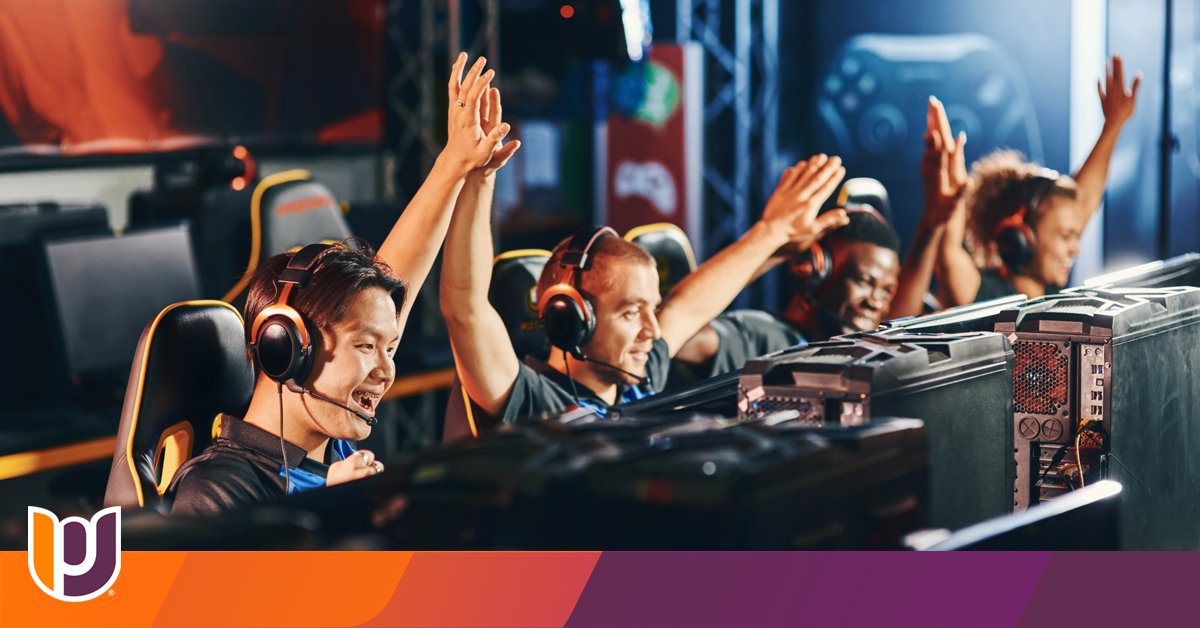
The Psychology Behind Professional E-Sports Teams: It’s Not Just About Clicking Fast
Look, most people think e-sports is just a bunch of kids glued to screens, mashing buttons faster than a hummingbird’s wings. And yeah, that’s part of it. But the real magic, the stuff that separates the pros from the posers? It’s all in their heads. We’re talking serious mind games here. Professional teams aren’t just collections of skilled players; they’re finely tuned machines, and the engine? Pure psychology. Forget fancy hardware for a sec; let’s dive into what makes these teams tick.

Source : post.edu
The Huddle: Why Teamwork is Everything (Even When You’re Miles Apart)
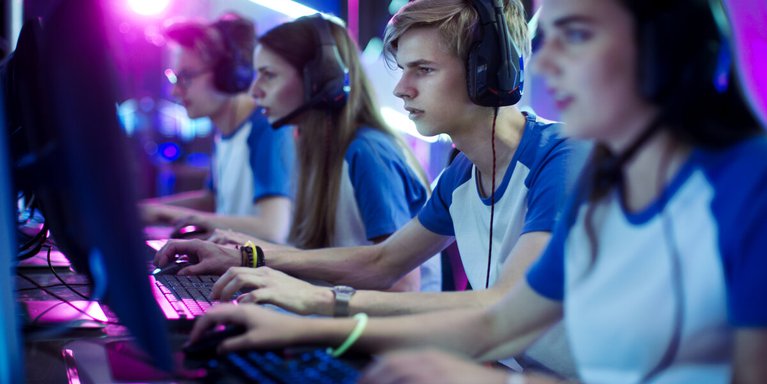
Think about traditional sports. Coaches yell, players high-five, they strategize in huddles. E-sports teams do the same, just usually through headsets. But the pressure cooker environment is identical. You’ve got a fraction of a second to make a call that could win or lose the entire match. That’s where team cohesion comes in. It’s not just about knowing your role; it’s about trusting the guy next to you (or, you know, across the continent) to do theirs. Studies show that clear communication and mutual respect are huge. When players feel supported, they perform better. Simple, right? But incredibly hard to nail down.
It’s this trust that allows for those insane plays you see in tournaments. A player might sacrifice themselves to draw enemy fire, knowing their teammate will capitalize. That’s not random; that’s built on countless hours of practice and a deep understanding of each other’s capabilities. This isn’t just playing a game; it’s a high-stakes collaborative performance. You’re looking for that perfect team synergy.

Source : psychologs.com
Mind Games: Stress, Pressure, and Staying Cool
The pressure in professional e-sports is insane. We’re talking live audiences, massive prize pools, and the weight of expectations from sponsors and fans. How do these athletes handle it? It’s a mix of rigorous training and mental fortitude. Many top teams now employ sports psychologists. Seriously. These pros work on techniques to manage anxiety, stay focused under duress, and bounce back from mistakes. You can’t just expect someone to stay calm when millions are watching.
Think about it like a surgeon operating. Precision is key, and any tremor can be disastrous. In e-sports, that ‘tremor’ might be a stray thought, a moment of doubt. Psychologists help players develop routines and mental frameworks to keep those distractions at bay. It’s about building a resilient mindset. They learn to treat losses not as failures, but as data points for improvement.
The Star Player Problem: Ego, Roles, and Hierarchy
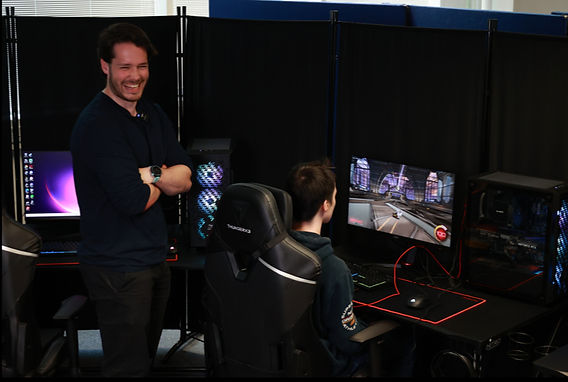
Every team has its star. The player who gets the flashy kills, the highlight reels. But ego can be a killer. In e-sports, like any team sport, managing personalities is critical. A team needs strong leadership, but it also needs players who are willing to play a supportive role, even if it means fewer individual accolades. This is where effective coaching becomes vital.
Source : abbottsportpsy.com
Coaches aren’t just strategists; they’re often quasi-therapists. They have to navigate player dynamics, mediate disputes, and ensure everyone feels valued. A team that can’t handle internal friction is doomed. It’s about establishing a clear hierarchy while fostering an environment where everyone’s voice matters. Getting this player management right is tougher than any boss fight.
Practice Makes Perfect (and Psychology Plays a Part)
We all know pros practice a ton. But it’s not just about grinding hours. It’s about how they practice. Deliberate practice, focused drills, analyzing VODs (video on demand) – it’s all designed to improve specific skills and decision-making. And guess what? Psychology is baked into all of it. Understanding how players learn, how they retain information, and when they’re most receptive is key to effective training.
This is why psychologists are now so deeply involved in shaping the high-pressure world of esports. They help design training regimens that are effective and sustainable, preventing burnout while maximizing skill acquisition. It’s about smart training, not just long training. Think of it as skill development on steroids, but the kind that doesn’t make you crash and burn.
Source : universidadeuropea.com
The Future is Mental: E-sports Psychology is Here to Stay
The days of ignoring the mental game in e-sports are long gone. Teams are realizing that investing in the psychology of their players isn’t a luxury; it’s a necessity for sustained success. From building better communication to managing intense stress, the mental aspects are just as crucial as mechanical skill. The field is rapidly evolving, and understanding these psychological underpiings is vital for anyone looking to succeed in or even just appreciate the world of professional gaming. It’s a fascinating look at human performance under extreme conditions.
So next time you watch a tournament, don’t just marvel at the speed. Appreciate the strategy, the communication, the sheer mental grit. That’s the real game, and it’s arguably the most exciting part. This research into the psychological impacts of eSports gaming really hammers that point home.
Frequently Asked Questions
-
What is the main psychological challenge for pro e-sports players?
Honestly, it’s handling the immense pressure. Think live crowds, massive prize money, and the constant need to perform flawlessly. Players have to develop serious mental resilience to avoid choking. It’s a huge part of what separates the good from the truly great.
-
How important is communication in pro e-sports teams?
It’s everything. Communication isn’t just about calling out enemy positions; it’s about coordinating complex strategies in milliseconds. Teams that communicate clearly and effectively have a massive advantage. You need that seamless coordination to win consistently.
-
Do e-sports teams hire psychologists?
Absolutely. More and more top teams are bringing in sports psychologists. They help players with everything from managing stress and anxiety to improving focus and decision-making. It’s all about optimizing player performance, both mentally and physically.
-
How do e-sports teams deal with player egos?
That’s a tough one, similar to traditional sports. Good coaches act as mediators and leaders, ensuring everyone understands their role and feels valued, even if they aren’t the ‘star’. It’s all about building a strong team culture where ego takes a backseat to wiing.
-
Is e-sports practice just about playing a lot?
Not at all. It’s about deliberate practice. Pros focus on specific skills, analyze their mistakes (and opponents’), and use structured drills. Psychology plays a role here too, helping coaches design sessions that maximize learning and prevent burnout.