The Evolving E-Sports Scene You Need to Know About
Forget what you think you know about video games. This isn’t your basement LAN party anymore. We’re talking stadiums packed with screaming fans, million-dollar prize pools, and careers built on digital battlegrounds. E-sports isn’t just growing; it’s exploded. And frankly, if you’re not paying attention, you’re missing out on one of the wildest rides in entertainment right now.

Source : zenledger.io
Seriously, it’s gotten huge. Like, “my grandma is asking about Twitch” huge. The numbers are insane. Billions in revenue, millions of viewers – bigger than some traditional sports leagues. This isn’t a fad, people. This is the future, and it’s here, now. So, let’s dig into what’s really going on.
A Brief History of Digital Domination
Okay, quick rewind. E-sports didn’t just appear overnight. It’s got roots. Think way back to the early days of arcades. Kids battling it out for high scores? That’s the seed. Then came home consoles, and with them, competitive multiplayer. Remember those epic couch co-op sessions? That competitive spirit was brewing.
The real game-changer, though? The internet. Suddenly, you weren’t just playing against your brother or the kid next door. You could go head-to-head with anyone, anywhere. Dial-up was a nightmare, sure, but it opened the floodgates. Competitions started popping up, small at first, then bigger. Games like StarCraft in Korea? That was huge, a real turning point. It showed this could be a spectator sport, not just a player’s game.
Fast forward through Quake, Unreal Tournament, and the early days of online shooters. Then came the MOBAs – League of Legends, Dota 2. That’s when things really caught fire. Teams, leagues, sponsorships – the whole shebang. Now? We’ve got massive global tournaments for everything from first-person shooters to fighting games. It’s a whole ecosystem.
The Explosive Growth: More Than Just Games
So, why the rocket ship trajectory? It’s a bunch of things, really. First off, accessibility. You don’t need a massive stadium or a team of 30 athletes to get started. A decent PC or console, an internet connection, and the game itself – that’s the entry point. Anyone with the drive and talent can compete.
Then there’s the spectator factor. Watching top players is genuinely thrilling. They’re not just good; they’re artful. The speed, the strategy, the sheer skill – it’s captivating. It’s like watching a chess grandmaster, but with explosions and impossible reflexes. And with platforms like Twitch and YouTube Gaming, you can watch live, interact with the community, and feel like you’re part of something. It’s incredibly engaging.
Plus, the production value has skyrocketed. These aren’t grainy streams anymore. We’re talking professional broadcasts, slick graphics, expert commentators (casters, they call ’em), and even dedicated studios. It looks and feels like a major sporting event. This professionalism draws in bigger audiences and, crucially, bigger sponsors. Think big brands, not just energy drink companies. They see the massive audience and the dedicated fan base, and they want in.
Key Drivers Behind E-Sports’ Rise
- Digital Connectivity: The internet is the absolute backbone. It allows for global competition and streaming. No internet, no e-sports as we know it.
- Player Skill & Strategy: These aren’t just button mashers. We’re talking about elite athletes with incredible reaction times, tactical minds, and thousands of hours of practice.
- Community Engagement: E-sports fans are passionate. They follow teams, players, and streamers. This creates a loyal and active viewership that advertisers love.
- Streaming Platforms: Twitch, YouTube Gaming – these platforms make it easy for anyone to broadcast and watch e-sports, creating a huge, accessible content library. They’ve fundamentally changed how we consume content, as discussed in online viewing habits.
- Investment & Sponsorship: Big money is flowing in. Venture capitalists, traditional sports teams, and major corporations are all investing heavily, legitimizing the industry.
It’s a perfect storm. The technology is there, the talent is there, the audience is there, and the money is pouring in. This isn’t just about playing games anymore; it’s about building an industry. And it’s only getting started.
High School E-Sports Leagues Becoming Mainstream
Source : latimes.com
Building Skills Beyond the Screen
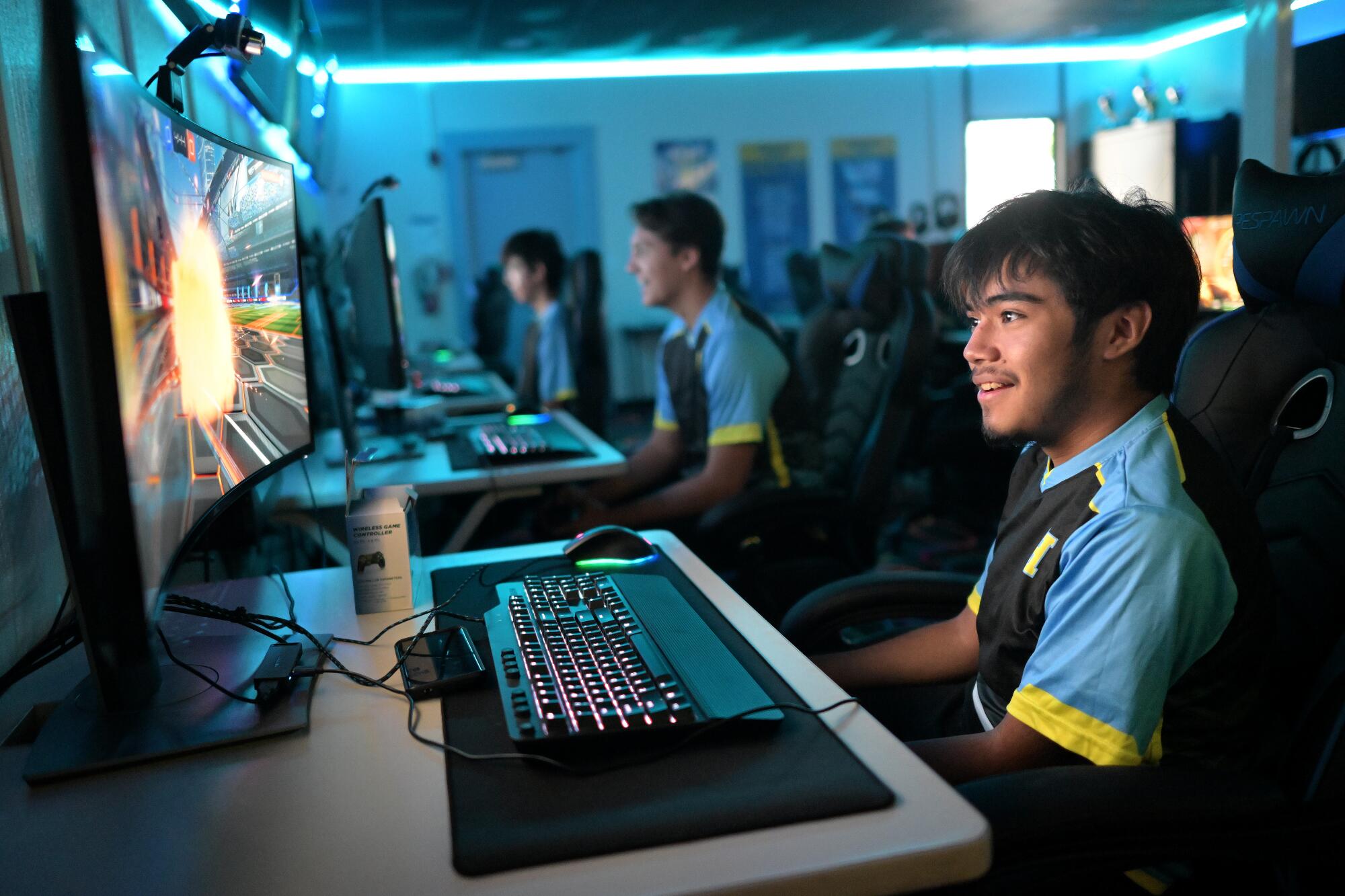
Remember when Friday night lights meant football? Well, things are changing. High school e-sports are no longer just a niche club; they’re becoming a legit part of the school system. We’re talking actual leagues, coaches, and scholarships. It’s not just about playing video games anymore; it’s about teamwork and strategy, skills that translate way beyond the digital arena. Think about it: kids learn to communicate under pressure, solve problems on the fly, and manage their time – all while doing something they actually enjoy. This shift is huge for students who might not excel in traditional sports but have a serious knack for competitive gaming.
Scholarships: The New Athletic Aid
Colleges are jumping on this bandwagon. Big time. Suddenly, a killer League of Legends or Valorant player can snag a scholarship, just like a star quarterback. This opens up educational doors that were previously closed for many aspiring gamers. We’re seeing universities invest in dedicated e-sports facilities, complete with top-tier gear and coaching staff. It’s a massive opportunity, proving that competitive gaming can be a viable path to higher education and a future career. This is serious business, folks.
From Basement Hobby to School Pride
It’s wild to see how far e-sports have come. What started as a basement hobby for a few dedicated players is now generating genuine school spirit. Imagine pep rallies for the e-sports team, rivalries between schools, and the roar of the crowd (even if it’s a virtual one). This level of recognition validates these young athletes and provides them with a sense of belonging and accomplishment that’s just as real as any touchdown or slam dunk. It’s giving gamers a place to shine and be celebrated.
Ergonomics for Gamers: Chairs, Mice, and Desks
Source : newtralchair.com
The Unsung Heroes: Gamer Chairs
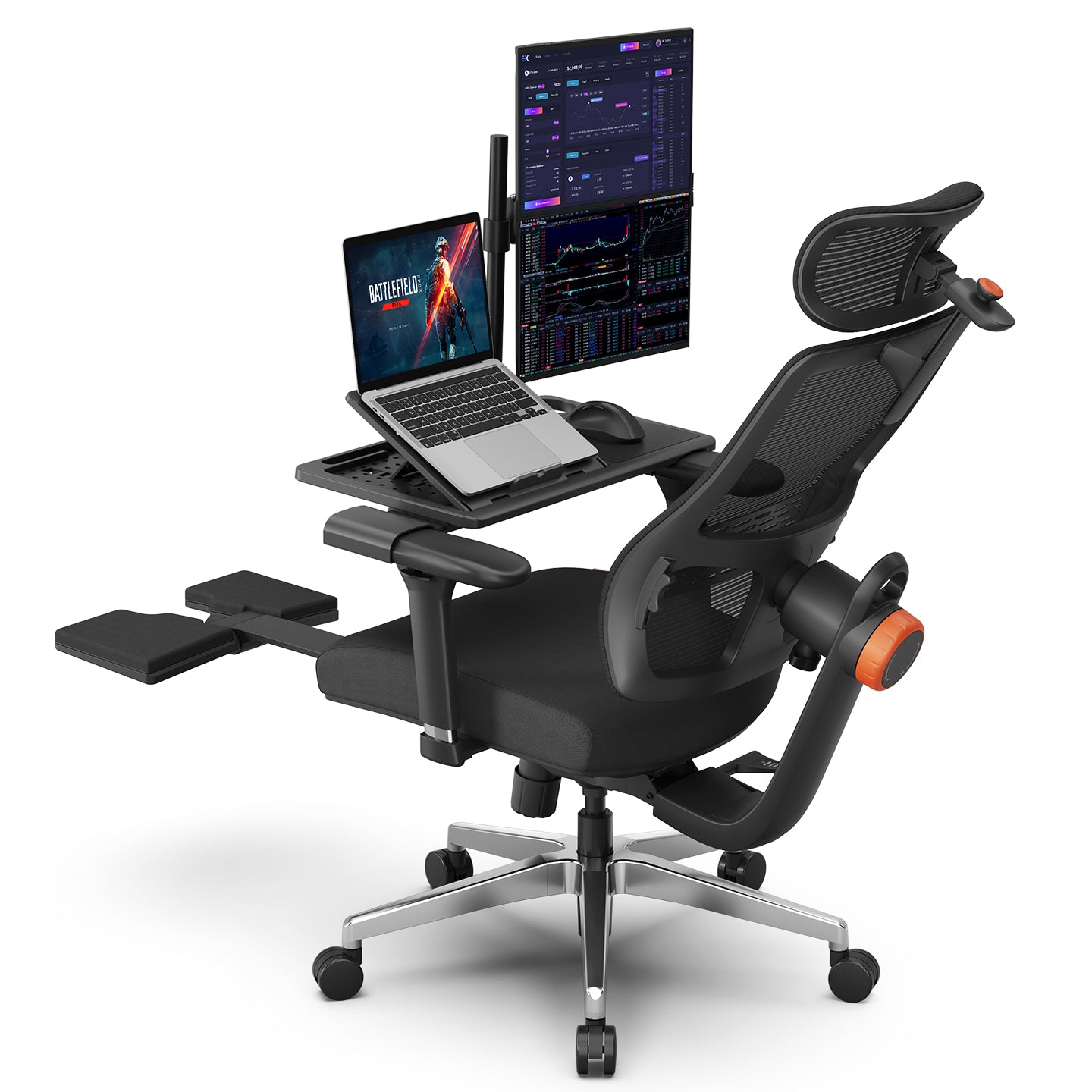
You wouldn’t run a marathon in flip-flops, right? Same applies to gaming. Your gaming chair isn’t just furniture; it’s your command center. A bad chair? That’s a one-way ticket to back pain and missed headshots. We’re talking about chairs that support your posture, keep you cool during intense sessions, and let you focus on the game, not the ache in your spine. Forget those old office chairs. Investing in a solid, ergonomic chair is non-negotiable for any serious player looking to maintain peak performance and avoid long-term injury. It’s about comfort, yes, but it’s also about sustained gaming performance.
Mice and Keyboards: Your Digital Limbs
Your mouse and keyboard are your digital hands. They need to feel right, react instantly, and be built to last through thousands of clicks and frantic key presses. This isn’t about flashy RGB lights (though they look cool). It’s about sensor accuracy, button responsiveness, and the overall feel in your hand. A precision gaming mouse can be the difference between clutching the round and watching the killcam. Likewise, a mechanical keyboard with the right switch type offers tactile feedback and speed that membrane keyboards just can’t touch. Your peripherals are extensions of your will, so make them good ones.
Desk Setup: Beyond Just a Surface
Your desk needs to be more than just a flat surface. It needs to accommodate your monitor at the right height, keep your keyboard and mouse within easy reach, and have enough space for your gear without feeling cluttered. An ergonomic desk setup means everything is positioned to minimize strain. This includes monitor height (top of the screen at eye level), mouse placement (elbow at roughly 90 degrees), and keyboard position (wrists straight). Some desks even offer adjustable height, letting you switch between sitting and standing, which is a game-changer for blood flow and focus. Think about it: a clean, organized, and ergonomic desk means fewer distractions and better focus on the win.
The Psychology Behind Professional E-Sports Teams

Source : post.edu
Mind Games: The Real Competition
Sure, skill matters. But what separates the good from the great in pro e-sports? It’s the mental game. We’re talking about team psychology. How do these players handle pressure? What happens when they’re down a round, or a game? It’s about resilience, communication, and trust. A team that can’t communicate effectively under stress is doomed, no matter how individually skilled its players are. This isn’t just about yelling callouts; it’s about understanding each other’s strengths and weaknesses, building rapport, and maintaining morale when things get tough. It’s a whole different level of competition.
Coaching and Mentorship: More Than Strategy
E-sports coaches aren’t just strategists drawing up plays. They’re often psychologists, mentors, and mediators. They need to understand player burnout, manage egos, and foster a positive team environment. A great coach can build confidence, help players overcome mental blocks, and ensure the team stays focused on their goals. It’s about creating a culture where players feel supported and motivated, not just pushed to perform. Think of the difference a good coach makes in traditional sports – it’s amplified tenfold in the high-stakes, high-pressure world of professional gaming.
Dealing with Tilt and Burnout
The life of a pro gamer can be brutal. Long hours, intense competition, and the constant pressure to perform lead to what gamers call “tilt” – that frustrating state where you can’t seem to play right and everything feels impossible. And then there’s burnout, where the passion just evaporates. Understanding these psychological pitfalls is crucial. Teams that actively work on mental well-being, incorporating rest, mindfulness, and support systems, are the ones that tend to have longer, more successful careers. It’s about building sustainable success, not just chasing short-term wins. The mental fortitude is everything.
Mobile Gaming Tournaments Overtaking PC Gaming

Source : kevurugames.com
The Accessibility Factor: Everyone’s Invited
Let’s be honest, not everyone has a thousand-dollar gaming PC lying around. But most people? They’ve got a smartphone. This is why mobile gaming tournaments are exploding. It’s the ultimate equalizer. From casual players to aspiring pros, anyone with a decent phone can jump into the competitive scene. Think about the sheer number of people on their phones daily – that’s a massive potential player base, ready to be tapped. Games like PUBG Mobile and Clash Royale have built entire ecosystems around this accessibility, proving there’s a huge market beyond the traditional PC setup.
The Rise of Dedicated Mobile E-Sports
We’re not talking about little side-events anymore. We’re seeing massive prize pools, dedicated leagues, and even professional mobile gaming organizations. These tournaments often attract viewership that rivals, and sometimes surpasses, their PC counterparts. The production value is going up, the talent is getting serious, and the sponsorships are rolling in. It’s a clear sign that the industry is shifting, and the mobile e-sports scene is here to stay. It’s accessible, it’s growing, and it’s seriously competitive.
Cross-Platform Play: Blurring the Lines
As technology advances, we’re seeing more games designed for cross-platform play. This blurs the lines even further. A game that’s popular on PC might also have a strong mobile component, allowing players on different devices to compete together. This integration is only going to accelerate the growth of mobile gaming as a dominant force in the e-sports landscape. It means bigger player pools, more diverse gameplay experiences, and an even wider audience for tournaments. It’s a win-win, or perhaps I should say, a mobile win.
Nutrition Supplements Tailored for Gamer Focus

Source : amazon.com
Fueling the Brain: Beyond Caffeine
Look, we all know about the late-night energy drinks. But what if you want sustained focus without the jitters and subsequent crash? This is where gamer nutrition comes in. We’re talking about supplements designed to enhance cognitive function, improve reaction times, and boost concentration. Think ingredients like L-Theanine for calm focus, Alpha-GPC for memory, and Omega-3 fatty acids for brain health. It’s not about chugging Red Bull; it’s about smart, targeted fuel for your brain. Your brain is your most important gaming peripheral, after all.
The Science of Gamer Supplements
It’s not all guesswork. There’s real science behind certain supplements that can genuinely benefit gamers. Ingredients that improve blood flow can enhance alertness, while certain vitamins and minerals play crucial roles in neurotransmitter function. For example, B vitamins are essential for energy production and cognitive performance. And let’s not forget about eye health – supplements rich in antioxidants like lutein and zeaxanthin can help combat eye strain from prolonged screen time. It’s about giving your body and brain the tools they need to perform optimally during those marathon gaming sessions. This is performance enhancement, the healthy way.
Creating a Tailored Regimen
Just like you wouldn’t use the same strategy for every game, your nutrition plan should be personalized. What works for one gamer might not work for another. Factors like sleep patterns, diet, and individual tolerance play a huge role. It’s smart to consult with a nutritionist or a doctor before diving into supplements. They can help you identify specific needs and create a supplement regimen that complements your training and gaming habits, ensuring you’re not just playing the game, but playing it at your absolute best, mentally and physically. No more guessing games.
| Category | Current Trend | Projected Impact | Key Games/Platforms |
|---|---|---|---|
| High School E-Sports | Rapid expansion, school integration | Increased scholarships, structured competition | Valorant, League of Legends, Overwatch |
| Ergonomics | Growing awareness of health impact | Demand for specialized gaming furniture | N/A (Hardware focused) |
| Team Psychology | Focus on mental health and coaching | More integrated support systems | N/A (Team dynamics focused) |
| Mobile E-Sports | Explosive growth, high viewership | Dominance in certain regions, new prize records | PUBG Mobile, Garena Free Fire, Mobile Legends |
| Gamer Nutrition | Emerging market for cognitive enhancers | Development of tailored supplements | N/A (Supplement focused) |
Frequently Asked Questions
-
How big is the esports industry really?
Honestly, it’s massive and only getting bigger. We’re talking billions of dollars here, folks. The esports market size is projected to keep climbing, with more viewers tuning in than traditional sports sometimes. Think packed arenas and huge online viewership numbers for major tournaments. It’s not just a niche hobby anymore; it’s a global phenomenon.
-
What are the biggest esports games right now?
That changes, but the big players are usually constants. You’ve got your MOBAs like League of Legends and Dota 2, which are always huge. Then there are the tactical shooters like CS:GO (soon CS2!) and Valorant. Don’t forget the battle royales like Fortnite and Apex Legends. They all have massive, dedicated fan bases and huge prize pools.
-
Can you actually make a living playing video games?
Absolutely, but it’s not easy. Only the top 1% or so are making bank from just playing. Most pros supplement their income with streaming, sponsorships, and coaching. It takes insane dedication, skill, and a bit of luck. But yeah, for the elite, esports careers are definitely a reality. Just don’t expect to quit your day job overnight.
-
What's the difference between esports and regular gaming?
Good question. Regular gaming is for fun, playing whatever you want, whenever you want. Esports? That’s competitive gaming. It’s organized, has rules, teams, leagues, and big tournaments with actual stakes – cash prizes, glory, the whole deal. Think of it like playing pickup basketball versus playing in the NBA. Both are basketball, but only one is professional esports.
-
What are the biggest challenges facing esports today?
A few things keep people up at night. For starters, esports growth needs stable funding beyond just tournament prize pools. There are issues with player burnout, maintaining competitive integrity (think cheating scandals), and making sure the infrastructure keeps up with the demand. Plus, getting mainstream recognition and dealing with potential regulations are big hurdles.