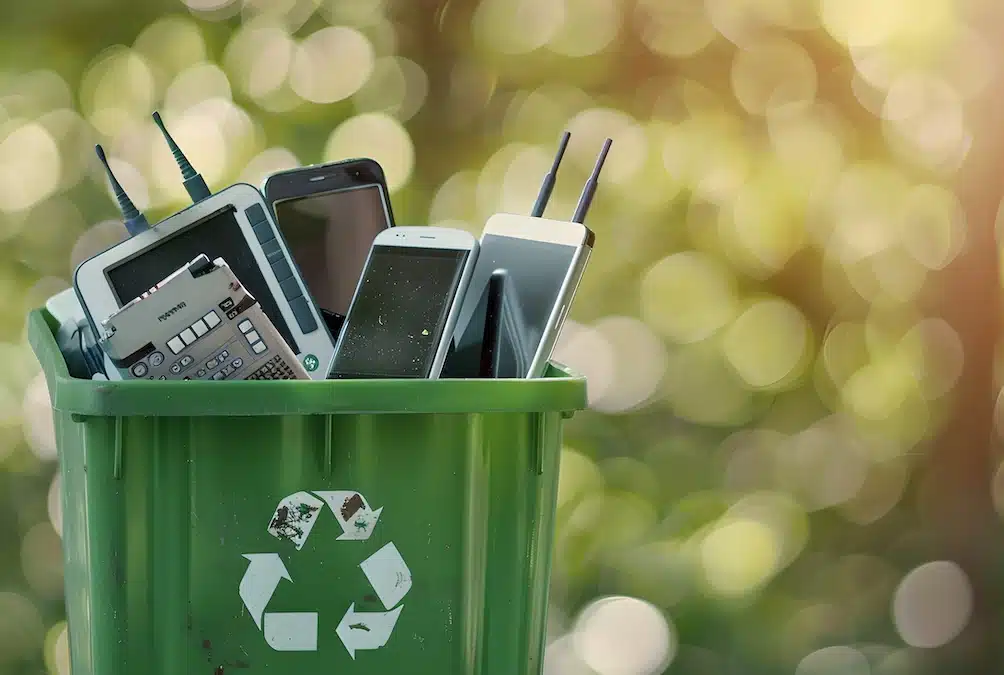
Look, we all love our gadgets. That shiny new smartphone? The ridiculously powerful laptop? Even that smart toaster that probably knows more about our breakfast habits than our spouse. But let’s be real for a second. What happens when the upgrade itch hits? Or worse, when something just… breaks?
Source : alltopstartups.com
Most of us? We shove it in a drawer. Out of sight, out of mind. Maybe it’ll magically fix itself. Maybe the kids will find a use for it someday. Or maybe it just gathers dust until we move house for the tenth time. Sound familiar? Yeah, I thought so. This isn’t just a personal hoarding problem; it’s a massive environmental issue.
The Truth About Your Old Tech

Source : youtube.com
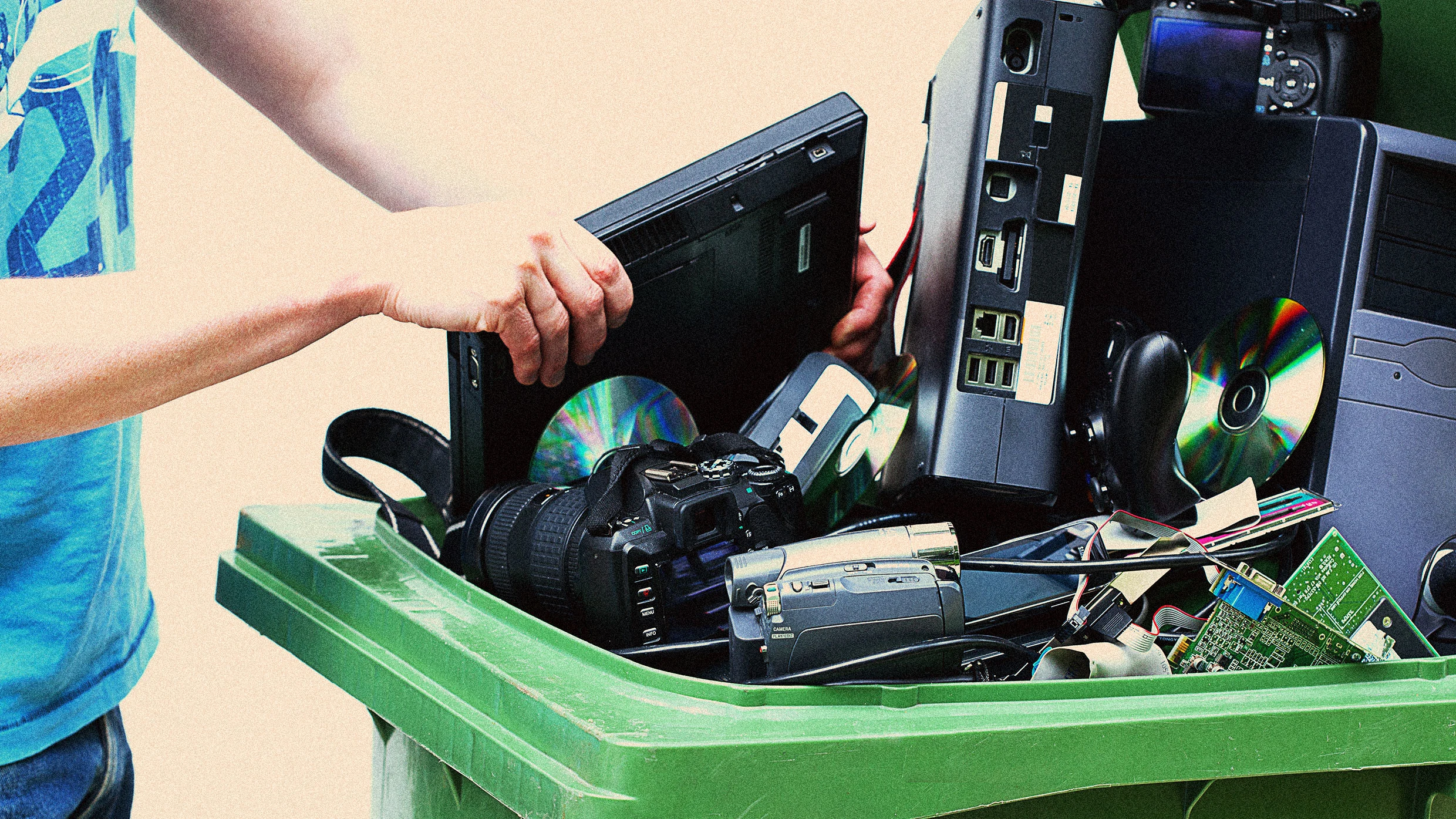
We’re drowning in electronic waste, or e-waste as the cool kids call it. Think about it. Every single piece of tech you’ve ever owned – phones, computers, TVs, chargers, even those weird little USB-powered desk fans – they all have a lifespan. And most of them are ending up in landfills. This isn’t some abstract problem happening on the other side of the world. This is happening in our homes, and it’s got serious consequences.
Why should you care? Well, for starters, these devices are packed with stuff. Precious metals like gold, silver, and copper. But also, things that are decidedly less precious and way more toxic. Lead, mercury, cadmium – you name it. When this junk just sits there, festering in a pile, those nasty chemicals can leach into the soil and groundwater. Ever had well water? Yeah, you really don’t want that stuff in it.
And it’s not just about what’s in the tech. It’s about what goes into making it in the first place. Extracting all those raw materials? It’s a dirty business. It uses tons of energy, pollutes air and water, and often involves some pretty questionable labor practices. So, every time we toss a perfectly salvageable gadget, we’re essentially saying, “Yeah, let’s go through that whole mess again.” Madness, right?
Gadgets Aren’t Forever: What’s the Big Deal?
The sheer volume of discarded electronics is staggering. We’re talking millions of tons globally, every single year. And the rate? It’s only going up. We’re more connected than ever, and that means more devices. More frequent upgrades. More… e-waste.
Think of it like this: your old smartphone isn‘t just a brick. It’s a potential source of valuable recycled materials. It’s also a ticking time bomb if handled improperly. Landfilling these items is like throwing away treasure and burying toxic sludge at the same time. We’re essentially trashing our planet while ignoring a goldmine of resources.
This whole mess is why the push for sustainable tech is so critical. It’s not just a buzzword; it’s a necessity. We need to rethink how we produce, consume, and, most importantly, dispose of our electronics. The industry itself is starting to wake up – you can see some initiatives discussed by groups like the Consumer Technology Association. But the real change? That starts with us.
Where Does Your Old Tech Go?
Source : fastcompany.com
So, what’s the alternative to that dusty drawer of doom? Proper recycling. But even that can be a minefield. Not all recycling is created equal, mind you. You can’t just drop your ancient CRT monitor at the local scrap yard and expect them to handle it safely.
Certified e-waste recyclers are the real deal. They have the specialized equipment and processes to safely dismantle devices, recover valuable components, and dispose of hazardous materials responsibly. This ensures that the good stuff gets back into the manufacturing loop, and the bad stuff doesn’t poison the planet.
Think about the embedded energy and resources in just one laptop. Then multiply that by the millions tossed annually. It’s colossal. Taking the time to find a reputable recycler isn’t just good karma; it’s smart resource management. We’re talking about conserving finite natural resources and reducing the carbon footprint associated with manufacturing new products from scratch. It’s a win-win, if you’re paying attention.
What Exactly Can Be Recycled?
Pretty much anything with a plug or a battery, honestly. But let’s break it down:
Smartphones and Tablets
These little powerhouses are packed with valuable metals like gold and silver. Plus, their batteries can be recycled too. Don’t just chuck ’em!
Computers and Laptops
Your trusty old desktop or laptop is a treasure trove of recyclable components – plastics, metals, and glass. Plus, sensitive data needs secure destruction, which good recyclers handle.
Televisions
Older CRT TVs are trickier due to the leaded glass, but newer flat screens are much more manageable. Recycling centers know how to deal with both.
Printers and Peripherals
Don’t forget the printer, scanner, keyboard, and mouse. These often contain plastics and metals that can be reused.
Cables and Chargers
Those tangled nests of wires? They’re mostly copper and plastic, both highly recyclable.
The key takeaway here? Don’t let your old tech become a toxic burden. Find a responsible way to give it a second life, or at least ensure it’s disposed of safely. Your future self, and the planet, will thank you.
Sure, let’s dive into the nitty-gritty of sustainable tech and what happens to your old gear. This isn’t your average fluffy article; we’re getting real about e-waste problems and how people are actually tackling them.
How to Ethically Dispose of Old Lithium-Ion Batteries
Source : northcentralpa.com
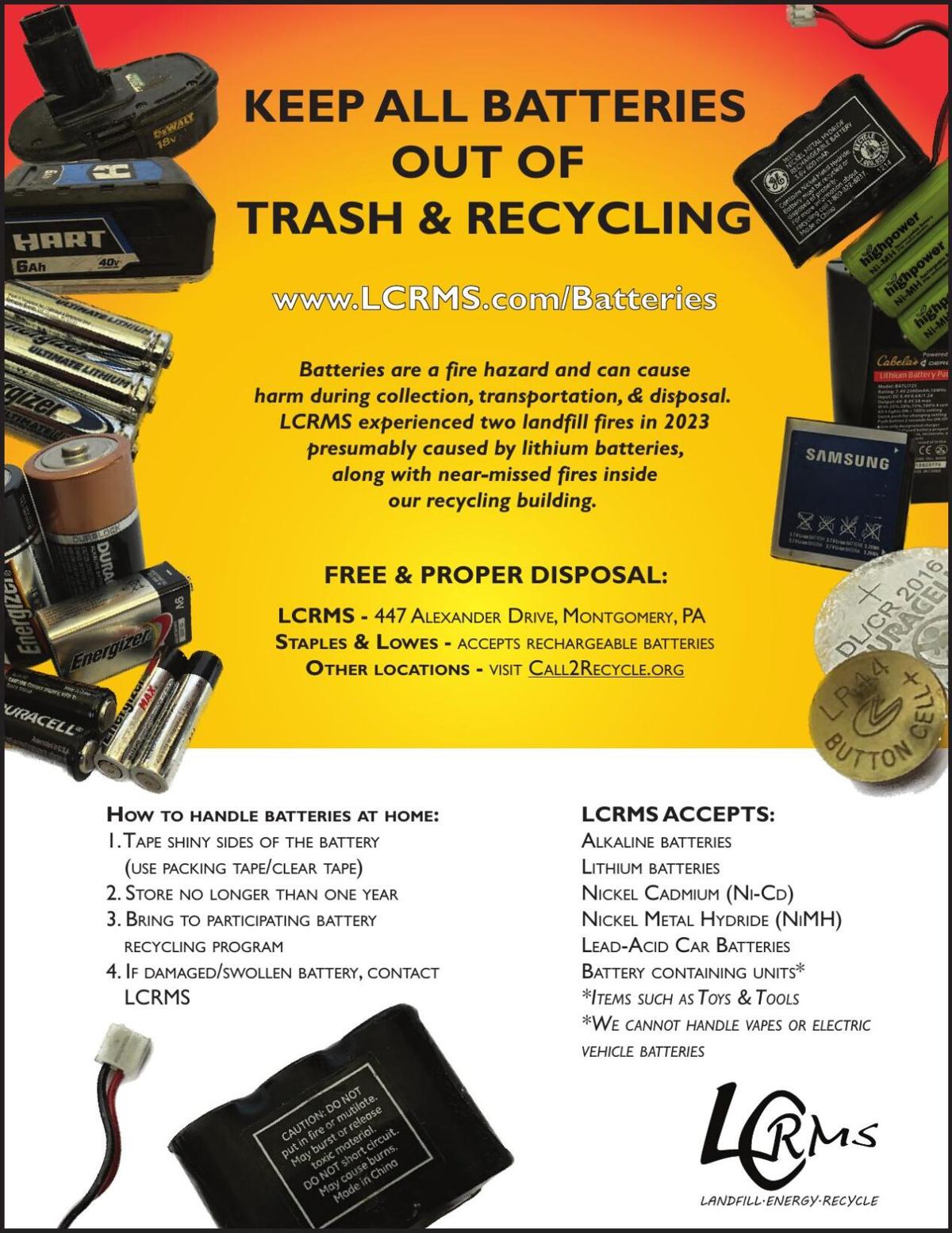
Look, throwing these things in the trash is a huge no-no. Seriously. These lithium-ion batteries are packed with stuff that can leach into the ground or, worse, catch fire in garbage trucks. It’s a ticking time bomb, and we’ve all seen the news stories. You gotta find a proper drop-off spot. Most big electronics stores have collection bins these days. Think Best Buy, Home Depot, even some grocery stores are getting hip to it. If you can’t find a local spot, search for dedicated battery recycling programs online. Some mail-in options exist, though they can be a bit pricier. The main thing is to not just chuck ’em. It’s bad for the environment and frankly, it’s dangerous. Keep those rechargeable batteries out of landfills.
Lithium-Ion Battery Hazards Explained
These batteries aren’t like your grandpa’s AA. They pack a punch. Damage them, and they can short-circuit, overheat, and yes, explode. That thermal runaway thing? It’s real, and it’s messy. That’s why you’ll often see warnings about not puncturing them. They’re packed tight with flammable electrolytes and reactive metals. Just tossing them in your kitchen bin is asking for trouble. It’s like playing Russian roulette with your garbage collection service. So, for battery safety, always treat them with respect.
Finding Local Battery Recycling Centers
So, where do you actually take them? A quick Google search for “battery recycling near me” usually does the trick. Many municipalities have household hazardous waste drop-off days too. Check your city’s website! Big retailers often have bins right up front. It’s a simple step that makes a massive difference. Don’t make excuses; make the effort. You’d be surprised how many places are set up for this now.
The Dangers of Landfilling Batteries
When those batteries hit a landfill, they don’t just chill. They break down, and heavy metals like lithium, cobalt, and nickel can seep into the soil and groundwater. This is seriously bad news for local ecosystems and potentially for our drinking water. Plus, the fire risk we talked about? That’s a major hazard for waste management workers. It’s a lose-lose situation. Proper disposal isn’t just a suggestion; it’s a responsibility for anyone using rechargeable devices.
E-Waste Art Turning Old Tech into Decor
Source : cleanchaps.com
Who knew your dusty old motherboard could become a conversation piece? Seriously, some artists are doing incredible things with junked electronics. They’re taking circuit boards, wires, keyboards – you name it – and transforming them into stunning pieces of art. Think intricate sculptures, unique wall hangings, even jewelry. It’s a brilliant way to divert e-waste from landfills and simultaneously create something beautiful. It’s not just about aesthetics; it’s a statement about consumption and the lifecycle of the gadgets we so readily discard. This tech art trend is growing fast.
Meet the Makers: E-Waste Artists
These aren’t your typical gallery types. They’re often tinkerers, former engineers, or just folks who see potential where others see trash. Artists like Gabriel Dishaw, for instance, sculpt iconic figures from old Apple products. Or what about Claire Webb, who crafts delicate insect sculptures from computer components? It’s amazing how they can take disparate pieces of discarded tech and weave them into a cohesive, often breathtaking, whole. They prove that recycled electronics can have a second life, and a very glamorous one at that.
DIY E-Waste Decor Ideas
Feeling inspired? You don’t need to be a master sculptor. Start small! Clean up some old RAM sticks and arrange them in a shadow box. Glue colorful wires onto a canvas to create abstract patterns. Even old CDs can make a funky mosaic. Just be careful with sharp edges and make sure everything is clean. It’s a fun weekend project and a great way to declutter your drawers while making something cool. Plus, it gives you a chance to really appreciate the intricate design of the tech we usually ignore. Perfect for adding a touch of geek-chic to your place.
The Statement Behind Tech Sculpture
More than just pretty objects, this art carries a powerful message. It forces us to confront our throwaway culture. When you see a beautiful sculpture made from shattered phone screens and tangled cables, it hits differently. It makes you think twice about upgrading to the latest gadget. It’s a visual protest against planned obsolescence and the relentless cycle of consumption. These artists are using their creativity to highlight the environmental cost of our digital lives. It’s a form of upcycled art with real impact.
The Right to Repair Movement in 2026

Source : wired.com
Okay, let’s talk about something that grinds my gears: planned obsolescence and the stranglehold manufacturers have on fixing our stuff. The Right to Repair movement is gaining serious traction, and frankly, it’s about time. Why should you have to buy a whole new phone because the battery is shot, or a new laptop because one tiny part failed? It’s ridiculous. This movement demands that companies make parts, tools, and diagnostic information available to independent repair shops and consumers. It’s about ownership, plain and simple. You bought it, you should be able to fix it. It’s a huge battle, but momentum is building. We’re seeing more states pass legislation, and that’s a big deal for consumer electronics.
Why the Current System Fails You
Think about it: If your car breaks down, you can take it to any mechanic. They have access to parts and service manuals. But with your phone? Your tablet? Often, you’re locked into the manufacturer’s authorized service centers, who charge an arm and a leg. Or worse, they tell you it’s unrepairable and push you towards a new purchase. It’s a business model built on making you dependent. This creates mountains of unnecessary e-waste and costs you a fortune. It’s not sustainable, and it’s certainly not fair. It’s time we got back control.
Key Legislation and Victories
Good news! Things are actually starting to move. States like New York have passed landmark Right to Repair laws, requiring manufacturers of electronics and appliances to provide access to parts and manuals. Other states are following suit. The European Union has also been proactive. While there’s still a long way to go, and big tech companies are fighting tooth and nail, these legislative wins are crucial. They signal a shift in consumer awareness and political will. It means more options for affordable repairs and less electronic junk.
How to Support the Movement
So, what can you do? Simple. Speak up! Contact your local representatives and tell them you support Right to Repair legislation. When you buy new gadgets, look for brands that are more transparent about repairs. Support independent repair shops in your community. Don’t be afraid to ask questions about repairability. Every little bit helps push back against the manufacturers’ tight grip and champions sustainable technology.
Top Eco-Friendly Smartphone Brands You Should Know
Source : yankodesign.com
Okay, let’s face it, we’re all glued to our smartphones. But do you ever think about the environmental footprint of that sleek little device in your pocket? Thankfully, some companies are actually trying to do better. We’re talking about brands that focus on sustainable materials, ethical manufacturing, and longer product lifecycles. It’s not just about using recycled plastic; it’s a whole philosophy. These companies are making it easier for us to make greener choices without completely sacrificing performance. It’s about demanding better from the brands we support, especially when it comes to eco-conscious tech.
Fairphone: The Modular Pioneer
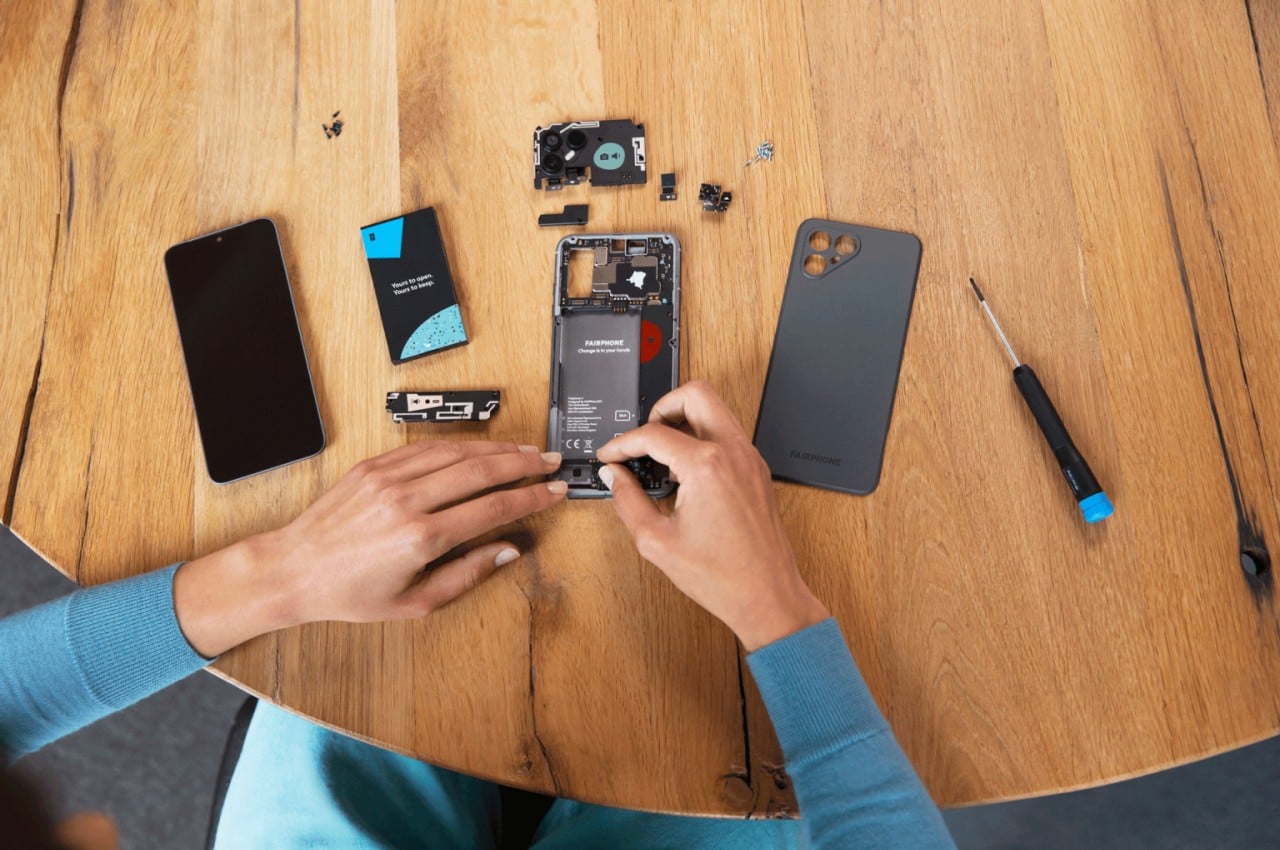
If you haven’t heard of Fairphone, get familiar. These guys are the gold standard for ethical smartphones. Their devices are designed to be modular. That means if your screen cracks or your camera fails, you can easily pop in a replacement part yourself. No special tools, no sending it off for weeks. They also prioritize fair labor practices and use recycled and responsibly sourced materials. It’s a phone built for longevity and repairability, directly challenging the industry norm.
Teracube: Durability and Sustainability
Another solid contender is Teracube. They offer smartphones built for durability and come with a generous warranty – often including accidental damage. Their focus is on creating devices that last, reducing the need for frequent upgrades. They also use recycled materials in their packaging and are transparent about their supply chain. For those who want a phone that can handle a bit of rough and tumble and won’t need replacing every year, Teracube is a great option.
Google Pixel & Apple’s Efforts (with Caveats)
Even the big players are making some moves. Google Pixel phones often get good marks for their energy efficiency and use of recycled materials in construction. Apple, while still facing criticism for repairability, has made strides in using recycled aluminum, rare earth elements, and tin in their devices. They’re also investing heavily in renewable energy for their manufacturing. However, it’s important to note that neither is as radically committed to repairability as Fairphone or Teracube. It’s progress, but there’s still a long way to go for green gadgets.
| Brand | Modularity/Repairability | Recycled Materials | Ethical Sourcing | Overall Eco-Focus |
|---|---|---|---|---|
| Fairphone | Excellent (User-Replaceable Parts) | High (Recycled Metals, Plastics) | Excellent (Fair Labor Focus) | Leading |
| Teracube | Good (Designed for Durability) | Good (Recycled Packaging, Materials) | Good (Supply Chain Transparency) | Strong |
| Google Pixel | Fair (Some Repair Efforts) | Good (Recycled Aluminum, Components) | Improving | Moderate |
| Apple | Fair (Limited Independent Repair) | High (Recycled Metals, Tin) | Improving (Focus on Supply Chain) | Moderate |
Refurbished Tech Saving Money and the Planet

Source : alleghenyfront.org
Let’s be real: new tech is expensive. Like, jaw-droppingly expensive. Buying brand new electronics, especially laptops and phones, is a huge drain on your wallet. But what if I told you there’s a way to get high-quality gear without breaking the bank and help the environment? Yep, I’m talking about refurbished electronics. These aren’t just used gadgets; they’re devices that have been professionally inspected, repaired if necessary, cleaned, and certified to work like new. It’s a win-win. You save cash, and you keep perfectly good tech out of the landfill. It’s a smart move for both your budget and planet-friendly tech.
What “Refurbished” Actually Means
So, what’s the deal? Typically, refurbished items are those returned to the manufacturer or seller for various reasons. Maybe it was an open-box return, a minor cosmetic blemish, or a small technical issue that was fixed. The key is that reputable sellers put these devices through rigorous testing. They replace any faulty components, sanitize them thoroughly, and often offer a warranty. So, you’re getting a device that’s been given a second chance, works perfectly, and comes with some peace of mind. It’s definitely not the same as buying a used item from a stranger on Craigslist.
Where to Find Quality Refurbished Gear
Your best bet is always to buy directly from the manufacturer or authorized resellers. Apple’s refurbished store, for example, is fantastic. You get a device that’s basically indistinguishable from new, often with a new battery and outer shell, plus a full year’s warranty. Other major brands like Dell, HP, and Samsung also have their own refurbished programs. Third-party sites like Back Market or Gazelle are also popular, but do your homework on their reputation and return policies. Always check for warranties and customer reviews before you buy used electronics.
The Environmental Impact of Buying Refurbished
The environmental benefits are massive. Every time you choose a refurbished device, you’re essentially preventing another product from being manufactured. Think about the resources – the rare earth minerals, the water, the energy – that go into making a new phone or laptop. By extending the life of existing devices, we drastically reduce the demand for new production and cut down on the mountains of e-waste. It’s one of the most direct ways an individual can contribute to a more circular economy and support sustainable consumerism.
Frequently Asked Questions
-
Will Best Buy wipe my computer before recycling?
Yep, they do. Best Buy’s recycling program includes a data destruction service. It’s pretty thorough, so you don’t have to stress about your personal info getting out there. They’ll wipe it clean before it heads off to be recycled. Still, if you’re super paranoid, it never hurts to wipe it yourself first, just in case. Use their in-store drop-off for hassle-free recycling.
-
What electronics should never be thrown away?
Basically, anything with a plug or a battery that’s not a simple appliance. Think old computers, monitors, TVs, smartphones, tablets, printers, and even old ink cartridges. These often contain hazardous materials like lead, mercury, and cadmium that are super toxic for the environment. Plus, they’ve got valuable materials that can be recovered. Don’t just toss them in the trash; find a proper recycling service.
-
How do I get rid of my TV for free?
Getting rid of a TV for free can be tricky, but it’s doable. Some local municipalities offer free e-waste drop-off days. Check your city or county’s waste management website. Also, many electronics retailers, like Best Buy, take TVs for recycling, though sometimes there’s a small fee depending on size. You can also try selling it if it still works – even a broken TV might be taken for parts by someone online. Look for local recycling events.
-
What is the #1 thing in landfills?
It’s not just one thing, but plastic and paper products make up a huge chunk of what ends up in landfills. However, when we talk about toxic waste, electronics are a massive problem. Things like old phones, computers, and TVs leach harmful chemicals. So, while paper and plastic are high volume, the environmental damage from dumped electronics is arguably worse. Focus on recycling your gadgets.
-
Can I just mail my old gadgets for recycling?
You sure can, but you’ve gotta do it right. Many manufacturers and some retailers have mail-back programs. You often need to get a special box or label from them. Just boxing up an old phone and slapping a stamp on it probably won’t work and might even end up costing you more in postage than it’s worth. Always check the company’s website first for their specific mail-in recycling instructions. Don’t just guess!