Environmental Data Analytics: The Job That’s Actually Going to Save Us
Let’s cut the fluff. You’re wondering if there’s a career out there that’s not just about making bank, but actually matters. Something that feels… important. Well, buckle up, because I’m here to tell you why environmental data analytics isn’t just a job, it’s probably the most critical career path you could possibly choose right now. Forget your trendy tech jobs; this is where the real action is. This is where you can make a tangible difference. Seriously. It’s not some pie-in-the-sky corporate buzzword. It’s about using hard data to tackle the biggest damn problem humanity has ever faced: climate change. And guess what? The world is desperate for people who can do it. Like, yesterday.
Source : eco-act.com
The Planet’s Screaming, And Data Can Hear It
Think about it. Our planet is sending out distress signals faster than ever. Record heatwaves, insane floods, weird weather patterns that make zero sense. It’s a mess. And for years, we’ve been sort of… guessing. Making educated guesses, sure, but still guessing. We’ve collected mountains of information about our atmosphere, our oceans, our forests, our energy use, but it’s all been a bit chaotic. Like a hoarder’s attic, full of potential but impossible to navigate. That’s where environmental data analytics swoops in.
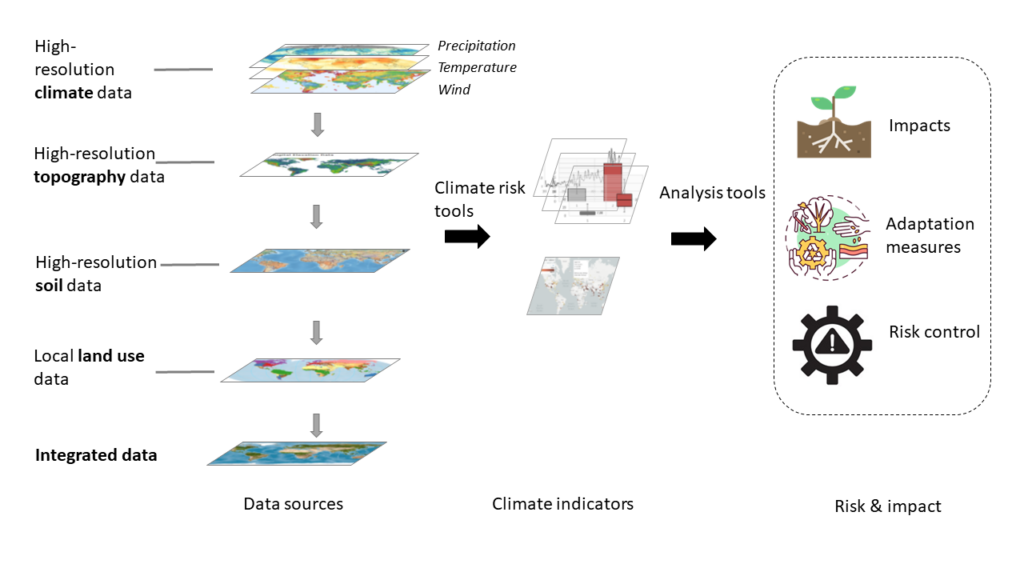
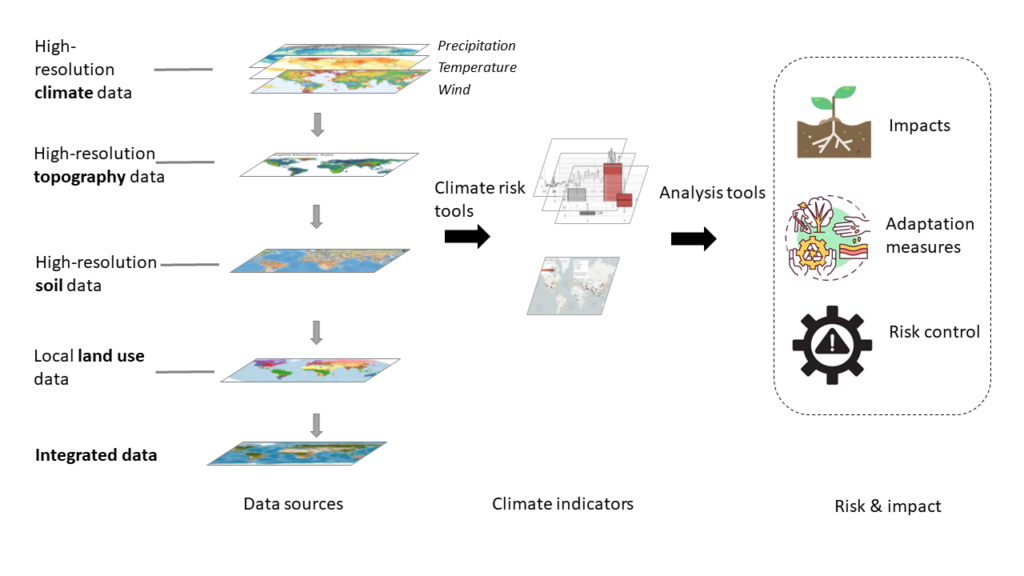
This isn’t your grandpa’s environmental science. This is about wrangling massive datasets, finding patterns nobody else can see, and turning that raw information into actionable insights. It’s about using sophisticated tools and algorithms to understand exactly what’s happening, why it’s happening, and, crucially, what we can do about it. We’re talking about predicting the path of a hurricane with pinpoint accuracy, or figuring out which renewable energy sources will work best in a specific region, or even tracking the effectiveness of conservation efforts in real-time. It’s detective work, but for the Earth.
Why It’s the Hot New Gig (And Not Just for Tree Huggers)
So, why is this suddenly the job of the future? Simple. Every government, every major corporation, every non-profit worth its salt is scrambling to get a handle on its environmental impact and navigate the complexities of climate change. They need people who can make sense of the chaos. They need data analysts who understand the environmental context. Think about the sheer volume of data being generated daily from satellites, sensors, IoT devices, climate models… it’s astronomical. Raw. Untamed. Someone has to tame it. Someone has to turn that noise into a clear signal.
Source : linkedin.com
And who is that someone? It’s the environmental data analyst. They’re the interpreters, the strategists, the problem-solvers. They’re building models, ruing simulations, and visualizing complex trends in ways that policymakers and business leaders can actually understand. This isn’t just about crunching numbers; it’s about telling a compelling story with data. A story that leads to real change. That’s why companies are practically throwing money at anyone with the right skills. The demand is exploding. It’s no longer a niche field; it’s becoming central to almost every industry.
The Skills You Actually Need (It’s Not All Rocket Science)
Okay, so you’re thinking, “This sounds cool, but do I need a PhD in atmospheric physics?” Nah. Not necessarily. Sure, a background in environmental science, sustainability, or a related field is a huge plus. But the core skills? They’re transferable. You need a solid understanding of statistics and math. You need to be comfortable with programming languages like Python or R – they’re the workhorses here. SQL is a must for managing databases. And you absolutely need to know your way around data visualization tools like Tableau or Power BI. Making data look good and make sense is half the battle.
But beyond the technical chops, you need critical thinking. You need to be able to look at a dataset and ask the right questions. Why are these numbers going up? What factors are influencing this trend? You need to be curious. And you need to be able to communicate your findings clearly. Imagine explaining a complex climate model to a room full of skeptical executives. That’s a skill in itself. It’s about bridging the gap between the technical jargon and the real-world implications. It’s about being a translator for the planet.
Where the Magic Happens: Industries Craving Your Expertise
This isn’t confined to dusty university labs anymore. Environmental data analytics is showing up everywhere. Take the energy sector, for instance. Companies are using data to optimize renewable energy production (wind, solar), predict energy demand, and manage grid stability. They’re trying to figure out the most efficient ways to transition away from fossil fuels, and data is their guide. Without it, they’re flying blind.
Then there’s agriculture. Precision farming relies heavily on data to optimize water usage, fertilizer application, and crop yields, all while minimizing environmental impact. Think sensors in the soil, weather data feeds, satellite imagery – all analyzed to make farming more sustainable. And urban plaing? Cities are using data to manage waste, improve public transport efficiency, monitor air quality, and design greener infrastructure. They’re trying to build smarter, more livable cities, and data analytics is the blueprint.
Even the finance world is jumping in. Investors are increasingly looking at Environmental, Social, and Governance (ESG) factors. They want to know if a company is a good long-term bet, and that includes its environmental performance. Data analysts are needed to assess these risks and opportunities. It’s a whole new layer of financial decision-making, driven by environmental data. And let’s not forget about the obvious ones: conservation organizations, government agencies, and research institutions are all beefing up their data teams.

Source : research.com
The Real Deal: Money and Impact
Let’s talk brass tacks. Is this a well-paying gig? Absolutely. As demand skyrockets and the specialized skill set remains relatively scarce, salaries for environmental data analysts are incredibly competitive. Depending on your experience, location, and the specific industry, you can expect a very healthy income. We’re talking six figures are definitely achievable, especially as you gain experience and take on more senior roles. But it’s not just about the money, is it? This is where you get to align your career with your values.
You’re not just pushing paper or optimizing ad clicks. You’re contributing to solutions for global warming. You’re helping to conserve precious ecosystems. You’re making businesses more sustainable. You’re helping build a future where humans and the planet can actually coexist. That kind of fulfillment? It’s priceless. It’s the kind of impact that makes getting up in the morning feel meaningful. This is the future of work, and it’s a good one.
Common Questions People Ask About This Career Path
Is data analytics a good career for the future?
Yeah, absolutely. Data analytics in general is a fantastic career choice. The world runs on data now, so anyone who can make sense of it is going to be in demand. But when you add the environmental angle? It’s even hotter. Companies are legally and ethically obligated to clean up their act, and they need people to show them how. So, yes, it’s a safe bet and a smart bet for the long haul.
What is the job outlook for an environmental data analyst?
The outlook is seriously bright. Think explosive growth. We’re talking way above average for most other jobs. Every sector, from energy to agriculture to tech, needs to understand its environmental footprint and find sustainable solutions. This means a massive need for professionals who can analyze that data. You won’t be out of a job anytime soon, trust me. This is one of the most secure and high-demand roles you can find.
Is a data analyst dead in 10 years?
Dead? No way. Evolving? Definitely. The role of a data analyst is constantly changing as technology advances. You won’t be doing the same basic Excel sheet work in ten years, that’s for sure. AI is taking over a lot of the grunt work. But that frees up analysts to do the more complex, strategic thinking. Especially in environmental data, where the stakes are so high, human insight and interpretation will always be crucial. So, a data analyst isn’t dead; they’re just getting smarter and more strategic.
Source : ecomatcher.com
How much does an environmental data analyst make?
Okay, let’s get real. The money can be really good. Entry-level positions might start around $60k-$80k, but with a few years under your belt, especially if you have specialized skills in areas like climate modeling or GIS, you’re easily looking at $100k+, and senior roles can go much higher. It really depends on the company, the industry, and your specific expertise. But overall, it’s a very well-compensated field.
What skills are most important for an environmental data analyst?
You’ll need a solid mix of technical and soft skills. Technically, think Python or R for analysis, SQL for databases, and proficiency with data visualization tools like Tableau. A good grasp of statistics is key. On the softer side? Critical thinking is HUGE. You need to be able to ask the right questions. Communication skills are vital too – you’ve got to explain complex findings to people who aren’t data wizards. And a genuine passion for environmental issues doesn’t hurt!
What kind of companies hire environmental data analysts?
Pretty much anyone with an environmental conscience or a regulatory requirement! Big tech companies with sustainability goals, renewable energy firms (solar, wind, hydro), agricultural giants looking at sustainable farming practices, consulting firms advising businesses on ESG compliance, government agencies monitoring climate change, environmental NGOs focused on conservation… the list is extensive. If an organization has an environmental impact or strategy, they need this role.
Frequently Asked Questions
-
Is data analytics a good career for the future?
Yeah, absolutely. Data analytics in general is a fantastic career choice. The world runs on data now, so anyone who can make sense of it is going to be in demand. But when you add the environmental angle? It’s even hotter. Companies are legally and ethically obligated to clean up their act, and they need people to show them how. So, yes, it’s a safe bet and a smart bet for the long haul.
-
What is the job outlook for an environmental data analyst?
The outlook is seriously bright. Think explosive growth. We’re talking way above average for most other jobs. Every sector, from energy to agriculture to tech, needs to understand its environmental footprint and find sustainable solutions. This means a massive need for professionals who can analyze that data. You won’t be out of a job anytime soon, trust me. This is one of the most secure and high-demand roles you can find.
-
Is a data analyst dead in 10 years?
Dead? No way. Evolving? Definitely. The role of a data analyst is constantly changing as technology advances. You won’t be doing the same basic Excel sheet work in ten years, that’s for sure. AI is taking over a lot of the grunt work. But that frees up analysts to do the more complex, strategic thinking. Especially in environmental data, where the stakes are so high, human insight and interpretation will always be crucial. So, a data analyst isn’t dead; they’re just getting smarter and more strategic.
-
How much does an environmental data analyst make?
Okay, let’s get real. The money can be really good. Entry-level positions might start around $60k-$80k, but with a few years under your belt, especially if you have specialized skills in areas like climate modeling or GIS, you’re easily looking at $100k+, and senior roles can go much higher. It really depends on the company, the industry, and your specific expertise. But overall, it’s a very well-compensated field.
-
What skills are most important for an environmental data analyst?
You’ll need a solid mix of technical and soft skills. Technically, think Python or R for analysis, SQL for databases, and proficiency with data visualization tools like Tableau. A good grasp of statistics is key. On the softer side? Critical thinking is HUGE. You need to be able to ask the right questions. Communication skills are vital too – you’ve got to explain complex findings to people who aren’t data wizards. And a genuine passion for environmental issues doesn’t hurt!
-
What kind of companies hire environmental data analysts?
Pretty much anyone with an environmental conscience or a regulatory requirement! Big tech companies with sustainability goals, renewable energy firms (solar, wind, hydro), agricultural giants looking at sustainable farming practices, consulting firms advising businesses on ESG compliance, government agencies monitoring climate change, environmental NGOs focused on conservation… the list is extensive. If an organization has an environmental impact or strategy, they need this role.