The Wearable Revolution: Keeping Tabs on Cancer Patients’ Vitals
Let’s be real. Dealing with cancer is a nightmare. The treatments, the side effects, the constant worry – it’s enough to make anyone’s head spin. Now, imagine adding the stress of constantly needing to be in a clinic or hospital just to make sure your vital signs are okay. Exhausting, right? Well, we’ve got some seriously good news. Technology is stepping up, big time.
Source : zeamhealth.com
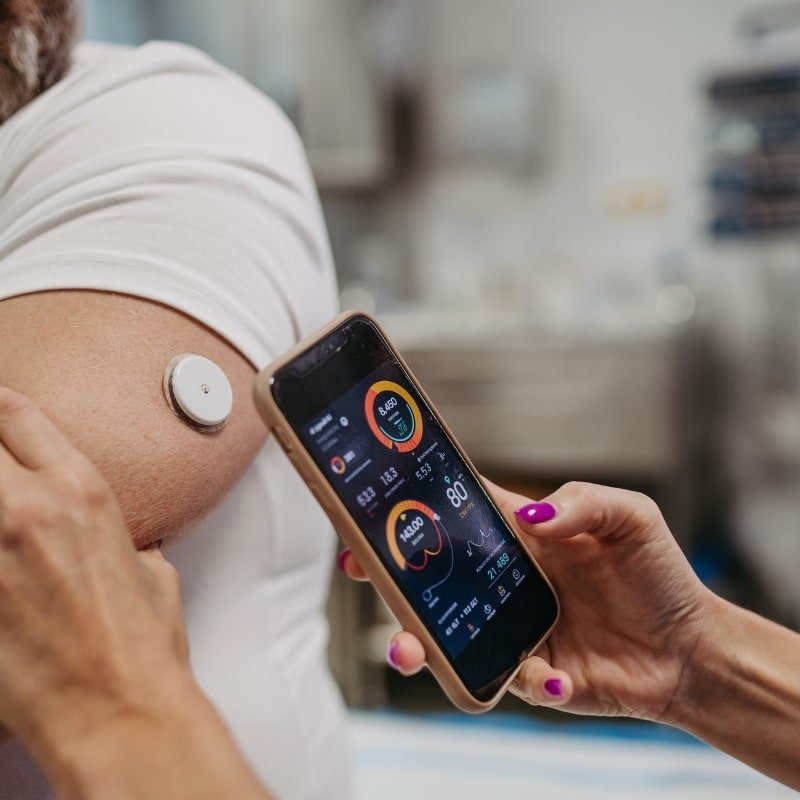
We’re talking about wearable tech. These aren’t just fancy smartwatches anymore. We’re seeing devices that can actually keep a close eye on crucial health markers for cancer patients, right from their wrist, chest, or even a small patch. It’s like having a tiny, vigilant guardian angel constantly monitoring your body’s signals. This isn’t science fiction; it’s happening now, and it’s changing the game for how we manage cancer care.
Why Bother with Wearables in Cancer Care? It’s About Staying Ahead.
Think about it. Cancer treatments, especially chemotherapy and radiation, can throw your body into chaos. Things like heart rate, blood oxygen levels, body temperature, and even breathing patterns can go haywire. Sometimes these changes are subtle. Sometimes they’re screaming for attention. The problem? You might not feel them until it’s a major issue. Waiting until you feel sick enough to go to the doctor could mean waiting too long.
This is where wearable devices shine. They offer continuous, real-time data. It’s a constant stream of information that can catch problems before they become emergencies. Doctors can get a heads-up about potential issues like heart arrhythmias or dangerous drops in oxygen levels, allowing them to intervene faster. This proactive approach can mean fewer hospitalizations, better treatment adherence, and ultimately, a better quality of life for patients navigating this tough journey.
Source : soteradigitalhealth.com

What Exactly Are We Monitoring? The Nitty-Gritty Vitals.
So, what are these gizmos actually measuring? It varies, but here’s the lowdown on the key vital signs these devices can track:
- Heart Rate & Variability (HRV): Your ticker’s rhythm is crucial. Changes can signal stress, dehydration, or even cardiac issues, which are sometimes side effects of cancer treatments. HRV gives even more insight into your nervous system’s response.
- Blood Oxygen Saturation (SpO2): This tells you how much oxygen your blood is carrying. Low levels can be a serious warning sign, especially for lung cancer patients or those undergoing certain chemotherapies that can affect lung function.
- Body Temperature: A slight fever can indicate an infection, which cancer patients, with their often-compromised immune systems, are particularly vulnerable to. Early detection is key.
- Respiratory Rate: How fast you’re breathing. Significant changes can signal distress or underlying issues with your lungs or heart.
- Activity Levels: While not strictly a vital sign, tracking movement helps understand a patient’s energy levels and recovery progress. A sudden drop might indicate something’s wrong.
- Electrocardiogram (ECG/EKG): Some advanced wearables can take an ECG reading, providing a more detailed look at the heart’s electrical activity to detect irregular rhythms.
- Blood Pressure: While still a bit trickier to get consistently accurate readings from wearables, some are making strides. Fluctuations can be significant.
The Tech on the Ground: What Kinds of Wearables Are We Talking About?
It’s not just one-size-fits-all. The world of wearables for health monitoring is exploding with options. We’ve got everything from the consumer-grade smartwatches most of us know, to more specialized medical-grade devices designed for clinical accuracy.
Smartwatches and Fitness Trackers: Think Apple Watch, Fitbit, Garmin. Many now boast features like heart rate monitoring, SpO2 tracking, and even ECG capabilities. While convenient for everyday use, their data might be more for general awareness than critical medical decisions, though this is rapidly changing.
Smart Patches and Biosensors: These are often smaller, discreet devices that stick to the skin, typically for a few days. They can offer continuous monitoring of vitals like temperature, heart rate, and respiration. Brands like BioIntelliSense (with their BioButton®) are prominent here, offering medical-grade data collection. It’s a great option for patients who find it hard to wear a watch or need a higher level of accuracy without the bulk.
Source : frontiersin.org
Chest Straps and Heart Monitors: Often used by athletes, these can provide very accurate heart rate and ECG data. Some cancer patients might use these for specific cardiac monitoring needs during treatment.
Smart Clothing: This is still a bit more niche, but clothing woven with biosensors is emerging. Imagine a t-shirt that monitors your heart rate and breathing patterns. Futuristic, right? But it’s on the horizon.
The Big Wins: How Wearables Are Making a Real Difference.
Okay, so the tech is cool. But what are the actual benefits for cancer patients and their care teams? The advantages are pretty compelling:
- Early Detection of Complications: This is the heavyweight champion benefit. Catching things like sepsis, cardiac events, or pulmonary embolism early can literally save lives. A sudden spike in temperature or a drop in oxygen? The wearable flags it, the doctor gets an alert, and BAM – intervention before it gets serious.
- Reduced Hospital Readmissions: By monitoring patients closely after discharge, clinicians can identify potential issues before they require a full-blown hospital stay. Fewer readmissions mean lower healthcare costs and less disruption for the patient.
- Improved Treatment Monitoring: Some cancer treatments can have harsh effects on the heart or lungs. Continuous monitoring allows doctors to see how a patient is tolerating the therapy in real-time. If a patient is struggling, adjustments can be made to the treatment plan to minimize harm.
- Enhanced Patient Engagement and Empowerment: When patients have access to their own health data, they often feel more involved in their care. Seeing their own progress (or lack thereof) can be a powerful motivator to stick to treatment plans and lifestyle recommendations. It puts them in the driver’s seat, to an extent.
- Remote Patient Monitoring (RPM): This is huge, especially post-pandemic. Wearables are the backbone of RPM programs. They allow doctors to keep tabs on patients from afar, reducing the need for frequent clinic visits. This is a massive win for patients living in rural areas or those with mobility issues. The ability to get timely care without the travel hassle is invaluable.
- Better Data for Research: Aggregated, anonymized data from wearables can provide researchers with unprecedented insights into disease progression, treatment efficacy, and the long-term effects of cancer and its therapies. This helps us build a better future for cancer care. For instance, studies are looking at how these devices can help collect data on treatment toxicity. You can dig into some of this research, like a paper on the use of wearable devices in oncology patients, published by the NIH. See this study here.
The Hurdles: It’s Not All Smooth Sailing.
Now, before we get too starry-eyed, let’s talk about the challenges. Implementing wearable tech in cancer care isn’t without its bumps in the road. We’ve got to be realistic.
- Data Accuracy and Reliability: Consumer-grade devices, while improving, can still be less accurate than hospital-grade equipment. Ensuring the data is reliable enough for clinical decision-making is paramount. False alarms can cause uecessary anxiety, and missed alarms can be dangerous.
- Data Overload for Clinicians: Imagine getting a constant stream of data from hundreds of patients. Doctors and nurses are already swamped. We need smart systems that can filter the noise and flag only the truly critical alerts. AI is starting to help here, but it’s a work in progress.
- Cost and Accessibility: Not everyone can afford the latest gadgets. Ensuring equitable access to this technology is crucial so that it doesn’t widen existing healthcare disparities. Who pays for it? Insurance? The hospital? The patient? These are big questions.
- Data Privacy and Security: Health data is incredibly sensitive. Protecting patient information from breaches and misuse is non-negotiable. Strong security protocols are a must.
- Patient Adherence and Tech Savviness: Some patients might struggle with using the technology, remembering to charge devices, or understanding the data. Digital literacy varies widely, and some older patients or those with cognitive challenges might find it overwhelming. Training and support are key.
- Integration with Existing Systems: Getting these new devices to talk seamlessly with Electronic Health Records (EHRs) and other hospital IT systems can be a technical headache.
Source : emjreviews.com
The Future Looks Bright (and Data-Driven).
Despite the hurdles, the trajectory is clear: wearables are becoming an indispensable part of cancer care. We’re moving towards a future where continuous, remote monitoring is the norm, not the exception.
Imagine a world where your smartwatch not only tells you it’s time for your next chemo infusion but also alerts your doctor if your heart rate dips unexpectedly during the treatment. Or where a small patch continuously monitors your vitals, allowing you to live more freely at home while your care team stays virtually coected. That’s the future we’re building.
The integration of AI will play a massive role, helping to analyze the torrent of data and predict potential problems. We’ll likely see more sophisticated sensors capable of measuring even more complex biomarkers non-invasively. It’s about creating a more personalized, proactive, and patient-centric approach to fighting cancer. The wearable health revolution is here, and it’s a powerful ally in the battle against cancer.
Frequently Asked Questions
-
Can smartwatches really help cancer patients?
Absolutely! Beyond just steps and heart rate, many smartwatches now offer advanced features like SpO2 monitoring and ECGs. For cancer patients, this means catching potential issues like a drop in blood oxygen or heart irregularities early. It’s a way to keep a closer eye on your body’s signals from your wrist, giving both you and your doctor more information to stay ahead of problems. Think of it as an extra layer of security during a tough time.
-
Are wearable vital sign monitors accurate enough for medical use?
It’s a mixed bag, but the accuracy is rapidly improving, especially with medical-grade devices. Consumer smartwatches are getting better, but for critical decisions, doctors often rely on specialized biosensors or patches designed for clinical accuracy. The key is that these devices provide continuous data, which can highlight trends and subtle changes that a spot check in a clinic might miss. It’s about the whole picture, not just a single number.
-
What are the biggest benefits of using wearables for cancer patients?
The biggest win? Early detection of complications. Catching things like infections or heart problems before they become emergencies can be life-saving. Plus, it cuts down on scary hospital readmissions, helps doctors fine-tune treatments based on real-time feedback, and actually makes patients feel more in control of their health journey. It’s all about proactive care.
-
Are there any downsides or risks to using wearable tech for cancer patients?
Yeah, there are definitely challenges. We worry about data accuracy – is it reliable enough? Then there’s the sheer volume of data that can overwhelm doctors. Cost is another big one; not everyone can afford these gadgets. And we absolutely have to talk about data privacy and security – keeping sensitive health info safe is crucial. Plus, some folks might find the tech hard to use.
-
What does the future hold for wearable tech in cancer care?
The future is seriously exciting. Expect more sophisticated sensors that can measure even more things non-invasively. AI will get way better at analyzing all this data to predict problems before they happen. We’re heading towards a model where continuous, remote monitoring is standard, making cancer care more personalized and proactive. It’s about keeping patients healthier and more comfortable, both in and out of the clinic.