Apartment Composting Odorless Systems: The No-Stink Guide
So, you want to compost. Awesome. But the thought of a stinky mess in your tiny apartment? Yeah, that’s a hard pass for most people. I get it. Nobody wants their living space smelling like a dumpster fire. But here’s the deal: you absolutely can compost in an apartment without turning your home into a biohazard zone. Forget everything you think you know about compost piles and overflowing bins. We’re talking odorless systems here. Let’s dive in.
:max_bytes(150000):strip_icc()/how-to-compost-in-an-apartment-5216891-hero-e4835a7820a547448f351ee386ac60cd.jpg)
Source : thespruce.com
Why Bother Composting in an Apartment?
Look, I’m not going to lie. It takes a little effort. But throwing away your food scraps feels… wrong, doesn’t it? Especially when you know it’s just going to rot in a landfill, pumping out methane. Composting turns that ‘waste’ into something useful. We’re talking rich soil for your houseplants, maybe even a small balcony garden if you’re lucky. Plus, it’s a seriously satisfying way to reduce your environmental footprint. Think of it as your own little act of rebellion against waste culture. Every little bit helps, right?
The Big Fear: Smells and Pests
This is where most apartment dwellers throw in the towel. The fear is real: rotting food, fruit flies galore, maybe even bigger critters. Ugh. But honestly? Most of the time, those problems come from using the wrong composting method or just doing it incorrectly. If you’re just chucking random food scraps into an open bin, you’re asking for trouble. The key is choosing a system designed for small spaces and, crucially, controlling the environment. It’s totally doable. We’ll get into the specifics soon.
Odorless Composting Systems: Your Options

Source : urbanwormcompany.com
Alright, let’s get down to business. What are the actual ways you can compost in your apartment without making it smell? There are a few solid options, each with its own pros and cons. Forget those giant, messy piles you see in the suburbs. We’re talking compact, efficient, and, most importantly, stink-free solutions.
1. Bokashi: The Fermenting Powerhouse
Okay, Bokashi. This one sounds a bit fancy, but it’s actually pretty straightforward. Instead of letting your food rot, you’re fermenting it. Think of it like pickling your scraps. You chuck your food waste – yes, even meat and dairy, which is huge! – into a special airtight bucket. Then, you sprinkle in an inoculant, which is basically a mix of beneficial microbes. These little guys get to work, fermenting everything. The result? It doesn’t smell bad at all. In fact, it often smells pleasantly sour, like pickles or wine.
The Bokashi ‘pre-compost’ then needs to be buried. What? Bury it? Yeah, you can’t just dump it straight onto your houseplants. But don’t freak out. You can mix it into a larger planter, bury it in a friend’s garden, or even add it to a traditional compost bin if you have access to one. Some people even have dedicated Bokashi composting bins that speed up the final stage. The key takeaway is the fermentation process itself is virtually odorless. It’s a game-changer for apartment dwellers who want to compost everything.
2. Vermicomposting (Worm Bins): The Little Recyclers
This is probably what most people picture when they think of indoor composting. Worm bins. You get a special bin, some bedding (like shredded newspaper or coconut coir), and a bunch of red wiggler worms. These little dudes munch on your food scraps and turn them into nutrient-rich worm castings – basically, super-powered compost.
Now, the smell factor. A well-maintained worm bin should not smell. Seriously. If it smells bad, it means something’s off. Usually, it’s too much food, not enough air, or the wrong kind of food. You have to be a bit careful about what you feed the worms (no citrus bombs or spicy stuff). But when you get it right, it’s incredibly efficient and produces arguably the best quality compost. Plus, the worms are kinda cool pets, in a weird way. You can find compact worm bins designed specifically for apartments. Check out apartment composting resources for setup guides.
3. Electric Composters (Food Cyclers): The High-Tech Solution
These are the flashy gadgets. Think of them like a high-speed blender and dehydrator for your food scraps. You toss your waste in, close the lid, and hit a button. Within a few hours, it transforms your scraps into a dry, soil-like amendment. The best part? Minimal smell. They usually have filters that trap any odors. It’s incredibly fast and incredibly easy.

Source : onecleardrop.com
The downside? They use electricity, and they’re not cheap. You’re basically dehydrating and grinding your food waste, not true composting in the biological sense. But if your priority is speed and odor control above all else, and you don’t mind the upfront cost, these are worth looking into. They take up about as much counter space as a bread maker and are super simple to operate. It’s a solid option if you want compost without the fuss.
4. Countertop Compost Bins (with Filters): The Temporary Hold
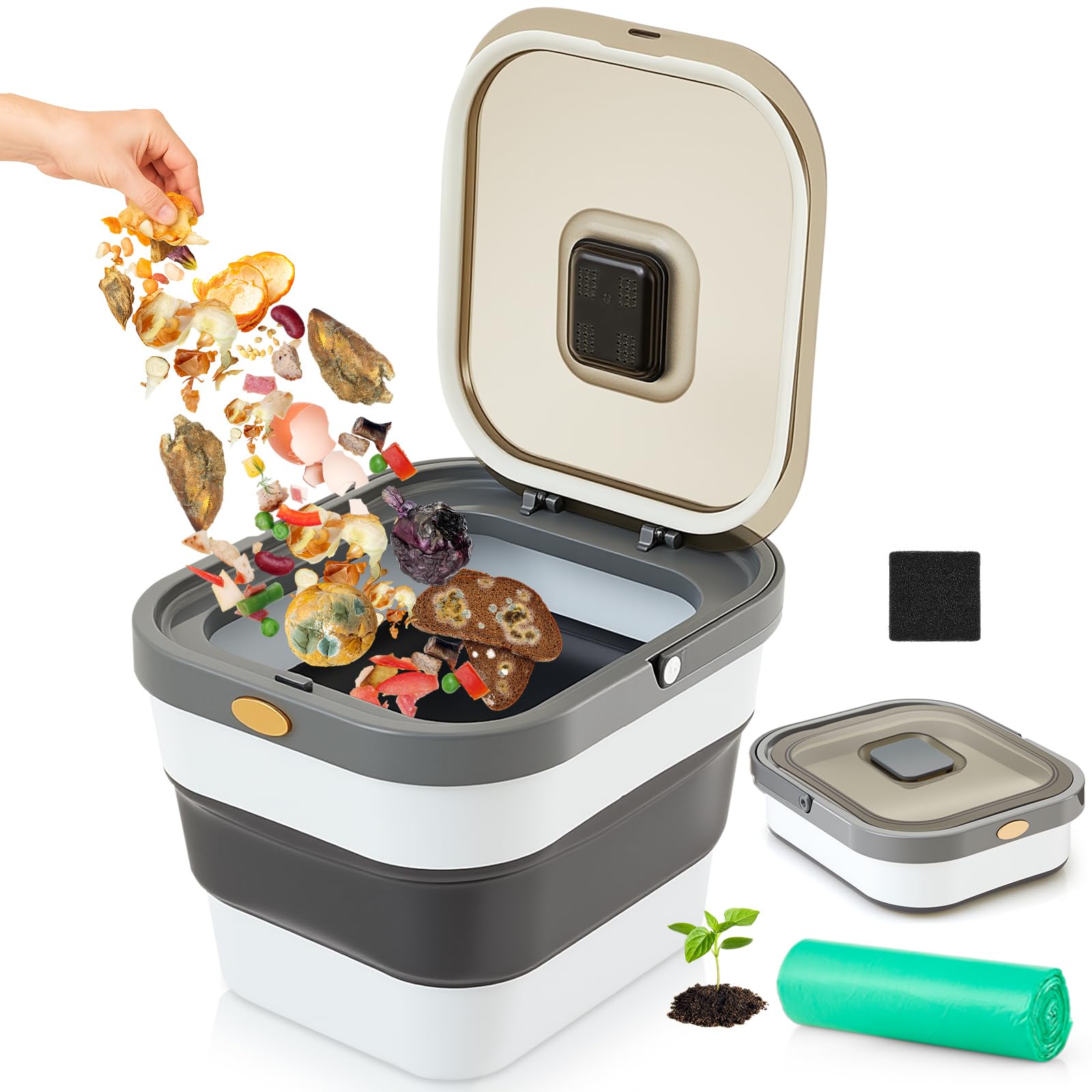
These aren’t technically composting systems, but they’re a crucial part of the odorless apartment setup. Think of these as stylish bins designed to hold your food scraps temporarily before you take them out. They often have charcoal filters to trap smells. You fill it up over a few days, then empty it into your main composting system (like Bokashi or a worm bin) or take it to a community drop-off.
The key here is the charcoal filter. It makes a massive difference. Without it, even a simple countertop bin can start to smell. These are great for collecting scraps easily and keeping your kitchen smelling fresh. They’re a good stepping stone if you’re not ready for a full-time worm bin or Bokashi system yet. Just remember, you still need to do something with the scraps eventually!
How to Actually Keep it Odorless: The Golden Rules
No matter which method you choose, there are a few universal truths to keeping things stink-free. These are the non-negotiables if you want to avoid the dreaded apartment compost funk.
Rule #1: Don’t Overload It. Seriously. Overloading any system means it can’t breathe. Trapped moisture and lack of air are the perfect recipe for anaerobic decomposition, which smells awful. Give your system space.
Rule #2: Balance Your Inputs. With worm bins especially, you need a good mix of ‘greens’ (food scraps) and ‘browns’ (carbon-rich materials like paper or cardboard). Too many greens can lead to a slimy, smelly mess. Bokashi is more forgiving, but even it benefits from a mix.

Source : lomi.com
Rule #3: Maintain Moisture Levels. Compost needs to be damp, like a wrung-out sponge, not soaking wet. Too dry and it won’t break down; too wet and it’ll get stinky. Keep an eye on it.
Rule #4: Ensure Airflow. This is critical for worm bins and even Bokashi systems need some air circulation. Worm bins often have holes or vents. Don’t block them up! For electric composters, just follow the instructions – they’re designed to manage airflow.
Rule #5: Choose the Right Scraps. While Bokashi handles almost everything, worm bins are pickier. Avoid super acidic things (like tons of citrus) or greasy foods. Electric composters can handle a lot, but check the manual. Sticking to the guidelines prevents foul odors.
FAQs About Apartment Composting Odorless Systems
How to compost at home with no smell?
The trick to composting at home with no smell is choosing the right system and maintaining it properly. Methods like Bokashi fermentation or electric food cyclers are inherently low-odor because they control the decomposition process. For worm bins (vermicomposting), a well-balanced and aerated bin run by healthy worms won’t smell bad. The key is to avoid anaerobic conditions (lack of air) and overloading the system with too much of certain types of food scraps. Proper moisture control and using filtered countertop bins for collection also help significantly.
How to compost in an apartment without worms?
You’ve got options! Bokashi composting is a fantastic alternative. It uses a fermentation process in an airtight container, handling everything from meat and dairy to veggie scraps without the typical composting smells. You just need a special Bokashi bin and the bran inoculant. Another popular choice is using an electric composter or food cycler. These appliances quickly dehydrate and grind your food waste into a soil-like material in a matter of hours, usually with effective odor filters. Both methods allow you to compost effectively without needing worms.
Source : amazon.com
Which method is best for composting in small apartments?
For the absolute smallest apartments, I’d lean towards either Bokashi or an electric composter. Bokashi bins are typically stackable or relatively compact, and the fermentation process is contained. Electric composters are usually similar in size to a large kitchen appliance, fitting nicely on a countertop. While worm bins are also compact, they require a bit more active management and space for the worms to thrive comfortably. If you have a tiny bit more space and are okay with a learning curve, a worm bin is great, but for pure space efficiency and ease, Bokashi or electric often win.
Can I compost fruit flies and other pests away?
Yep, absolutely. The main reason you get fruit flies or other pests is usually an open bin with exposed, rotting food. Systems like Bokashi, with its airtight lid, completely prevent pests from getting in. Electric composters are also sealed units. Even with worm bins, if you bury the food scraps properly under the bedding material and maintain the right conditions, pests generally stay away. A good filtered countertop collection bin also seals in odors and potential attractants. It’s all about containment and proper process!
What do I do with the compost once it’s made?
This is a great question! With Bokashi, the fermented material (called ‘leachate’ and ‘solids’) isn’t finished compost. You need to bury the solids in soil to let them break down further. This could be in a large planter pot, a community garden, or even a friend’s backyard. If you have an electric composter, the end product is a dry, nutrient-dense amendment that you can mix directly into potting soil for your houseplants or garden. Worm castings from a vermicomposting bin are pure gold for your plants – just mix a little into the soil. Don’t just throw it away!
Frequently Asked Questions
-
How to compost at home with no smell?
The trick to composting at home with no smell is choosing the right system and maintaining it properly. Methods like Bokashi fermentation or electric food cyclers are inherently low-odor because they control the decomposition process. For worm bins (vermicomposting), a well-balanced and aerated bin run by healthy worms won’t smell bad. The key is to avoid anaerobic conditions (lack of air) and overloading the system with too much of certain types of food scraps. Proper moisture control and using filtered countertop bins for collection also help significantly.
-
How to compost in an apartment without worms?
You’ve got options! Bokashi composting is a fantastic alternative. It uses a fermentation process in an airtight container, handling everything from meat and dairy to veggie scraps without the typical composting smells. You just need a special Bokashi bin and the bran inoculant. Another popular choice is using an electric composter or food cycler. These appliances quickly dehydrate and grind your food waste into a soil-like material in a matter of hours, usually with effective odor filters. Both methods allow you to compost effectively without needing worms.
-
Which method is best for composting in small apartments?
For the absolute smallest apartments, I’d lean towards either Bokashi or an electric composter. Bokashi bins are typically stackable or relatively compact, and the fermentation process is contained. Electric composters are usually similar in size to a large kitchen appliance, fitting nicely on a countertop. While worm bins are also compact, they require a bit more active management and space for the worms to thrive comfortably. If you have a tiny bit more space and are okay with a learning curve, a worm bin is great, but for pure space efficiency and ease, Bokashi or electric often win.
-
Can I compost fruit flies and other pests away?
Yep, absolutely. The main reason you get fruit flies or other pests is usually an open bin with exposed, rotting food. Systems like Bokashi, with its airtight lid, completely prevent pests from getting in. Electric composters are also sealed units. Even with worm bins, if you bury the food scraps properly under the bedding material and maintain the right conditions, pests generally stay away. A good filtered countertop collection bin also seals in odors and potential attractants. It’s all about containment and proper process!
-
What do I do with the compost once it's made?
This is a great question! With Bokashi, the fermented material (called ‘leachate’ and ‘solids’) isn’t finished compost. You need to bury the solids in soil to let them break down further. This could be in a large planter pot, a community garden, or even a friend’s backyard. If you have an electric composter, the end product is a dry, nutrient-dense amendment that you can mix directly into potting soil for your houseplants or garden. Worm castings from a vermicomposting bin are pure gold for your plants – just mix a little into the soil. Don’t just throw it away!