Fighting the Sleepless Beast: How Supplements and Tech Are Your New Allies
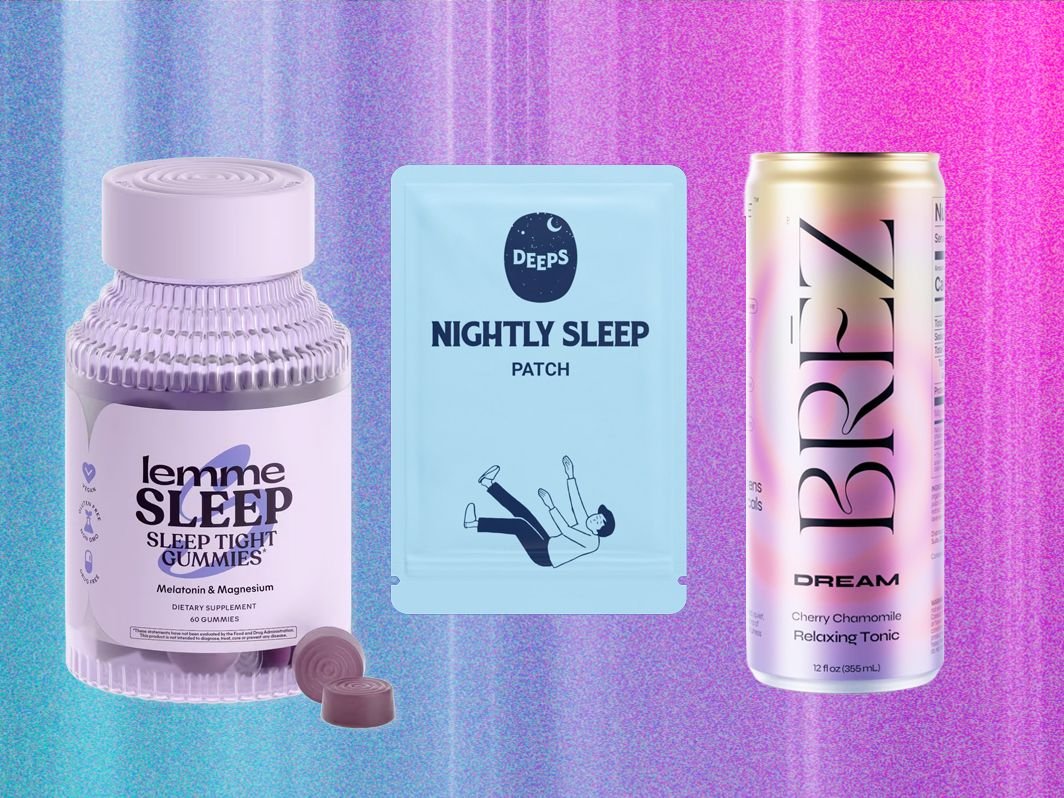
Alright, let’s cut to the chase. You’re tired. Not just ‘missed my morning coffee’ tired, but bone-deep, soul-crushing exhausted. Chronic insomnia, right? It’s like living in a perpetual fog, where your brain just refuses to switch off. We’ve all been there, staring at the ceiling, counting sheep (or more likely, replaying embarrassing moments from 2003). But here’s the kicker: you don’t have to just grin and bear it. The game is changing. We’re talking about a killer combo – the right supplements and smart tech solutions – that can actually help you reclaim your nights. Forget the endless scrolling for a magic bullet; this is about a strategic attack on sleeplessness. Let’s dive in.

Source : wired.com
The Supplement Arsenal: What Actually Works?
So, you’ve probably scrolled through Dr. Google, right? Melatonin, magnesium, valerian root… the list is endless. But let’s get real. Not all these sleepy-time helpers are created equal. Some are backed by solid science, while others… well, they’re more like a warm hug than a sleep trigger. The trick is knowing which ones have the chops to make a real difference when you’re battling chronic insomnia.
Melatonin: The Sleep Hormone, But Smarter
Ah, melatonin. The body’s natural sleep signal. When your internal clock is all out of whack, this little hormone can be a lifesaver. It’s not a sedative, mind you. It just nudges your body, saying, ‘Hey, it’s bedtime.’ For shift workers, frequent flyers, or anyone whose circadian rhythm is a mess, a low dose of melatonin can reset the clock. But here’s the catch: too much? You might wake up groggy. Finding the sweet spot is key. Think of it like tuning a guitar – you want that perfect pitch, not a jarring twang.
Magnesium: More Than Just Muscle Relaxation
You know magnesium for its role in muscle function, right? But did you know it plays a huge part in your brain’s GABAA receptors? These guys are critical for calming the nervous system. When magnesium levels are low, your brain can get a bit too revved up, making it tough to wind down. Taking a good magnesium supplement, especially forms like magnesium glycinate (which is super gentle on the stomach), can help quiet that mental chatter. Seriously, it’s like a chill pill for your brain. Many people find it helps ease that racing mind that keeps them staring at the ceiling.
L-Theanine: The Zen Master of Amino Acids
Ever wondered how green tea can be both energizing and calming? Blame L-theanine. This amino acid is a total boss at promoting relaxation without making you drowsy. It increases alpha brain waves, the kind you get when you’re in that super-relaxed, mindful state. If your insomnia is fueled by anxiety or stress, L-theanine can be a game-changer. It helps dial down the stress hormones and ease you into a peaceful state, making it easier to drift off. It’s like a vacation for your nervous system, in pill form.

Source : wired.com
Valerian Root: The Old-School Sleep Herb
Valerian root has been used for centuries as a sleep aid. It’s thought to interact with GABA receptors, similar to some prescription sleep meds, but in a much gentler way. Now, the science here is a bit mixed, and it doesn’t work for everyone. Plus, it’s got a… distinct smell. Let’s just say it’s not exactly perfume. But for some, valerian root is the natural sleep aid that finally lets them get some shut-eye. Give it a try, but maybe don’t open the bottle next to your date.
Other Potential Players: Glycine and CBD
We’re seeing more and more research on other supplements too. Glycine, another amino acid, has shown promise in improving sleep quality and reducing body temperature, which helps initiate sleep. Then there’s CBD. While not technically a supplement in the same vein, it’s everywhere. Some studies suggest CBD oil can help with anxiety and pain, which often wreck sleep. However, the quality of CBD products varies wildly, and you need to be careful. Always look for third-party tested products if you go this route.
The Tech Takeover: Gadgets That Actually Help You Sleep
Okay, supplements are great, but what about the high-tech side of things? It turns out, your phone and some fancy gadgets might be your new best friends in the fight against sleeplessness. We’re not talking about doom-scrolling before bed (please, stop that). We’re talking about tools designed to actively improve your sleep environment and your sleep habits. It’s about using technology to your advantage, not letting it keep you awake.
Smart Sleep Trackers: Know Your Enemy (Sleep)
Wearables like Oura Rings, Whoop straps, and even Apple Watches have become incredibly sophisticated at tracking sleep. They don’t just tell you how long you slept; they break down your sleep stages (light, deep, REM) and give you a sleep score. Why is this useful? Because knowledge is power! By understanding your sleep patterns, you can identify what’s disrupting your rest. Are you tossing and turning all night? Is your deep sleep non-existent? This data gives you concrete information to discuss with your doctor or to guide your lifestyle changes. It’s about moving from guessing to knowing. These sleep trackers can be incredibly insightful.
Light Therapy: Resetting Your Internal Clock
Light is everything when it comes to regulating your sleep-wake cycle. Our bodies are programmed to wake with the sun and wind down as it sets. But in our modern, screen-filled lives, we often get this all backward. Light therapy boxes, especially those designed for the morning, can help. Using a light therapy lamp for 15-30 minutes shortly after waking can signal to your brain that it’s time to be alert, helping to solidify your circadian rhythm. This can be a massive help for people with delayed sleep phase syndrome or those struggling with morning grogginess. It’s a simple, non-drug way to give your body clock a much-needed nudge.
Smart Sound Machines & White Noise Apps
For some, the silence of the night is the loudest thing. Tiitus, a creaky house, a partner who snores – any little noise can jolt you awake. That’s where smart sound machines and apps come in. They emit consistent, soothing sounds – think white noise, pink noise, or nature sounds – that can mask disruptive noises and create a calming auditory environment. Some advanced apps even adapt the sound based on your environment. Creating a consistent soundscape can make a huge difference in staying asleep through the night.

Source : wired.com
Mindfulness and Meditation Apps: Calm the Chaos
This one bridges the gap between tech and mental well-being. Apps like Calm, Headspace, and Insight Timer offer guided meditations, sleep stories, and calming soundscapes specifically designed to help you relax and drift off. If your insomnia is driven by a racing mind, these apps are gold. They teach you techniques to quiet the mental chatter and bring your focus to the present moment. Even just 10 minutes before bed can train your brain to wind down more effectively. It’s about training your mind to find peace, even when the world feels chaotic.
Smart Beds and Mattresses: The Foundation of Good Sleep
Okay, this is the high-end stuff, but hear me out. Smart beds can adjust temperature, firmness, and even gently vibrate to lull you to sleep. Some can even track your sleep without a wearable. While a full smart bed might be out of reach for most, investing in a high-quality mattress designed for comfort and support is fundamental. Look for materials that help regulate temperature, like breathable foams or natural fibers. Your bed is where you spend a third of your life; making it a sanctuary for sleep is non-negotiable.
The Synergistic Approach: Why Combo is King
Here’s the secret sauce: supplements and tech aren’t mutually exclusive. In fact, they work best when they work together. Imagine this: you take your magnesium and L-theanine (supplements) an hour before bed. You use your favorite meditation app to calm your mind (tech). You slip into bed with a perfectly regulated temperature (smart bed/tech) and drift off to the soothing sounds of a white noise machine (tech). Your Oura ring tracks your amazing sleep (tech). This isn’t science fiction; it’s a strategic sleep plan.
Tailoring Your Plan: It’s Personal
What works for your buddy Dave might not work for you. That’s the beauty of this combo approach. You can mix and match. Maybe supplements are your main focus, and you use tech to fine-tune. Or perhaps you’re a tech guru who just needs a little boost from melatonin. The key is to experiment and pay attention to your body. Keep a simple sleep diary. Note what you take, what tech you use, and how you sleep. This data is invaluable for refining your personal insomnia solution.
When to Call in the Pros
Look, this is all great advice, but it’s not a substitute for professional medical help. If you’ve tried everything and you’re still struggling, it’s time to talk to a doctor. They can rule out underlying medical conditions, assess your sleep patterns properly, and discuss prescription options if necessary. Stanford Health Care offers a comprehensive look at treatments for insomnia, which can include Cognitive Behavioral Therapy for Insomnia (CBT-I) – often considered the gold standard. Remember, there’s no shame in seeking expert help for chronic sleep issues.
The Bottom Line: Reclaim Your Nights
Chronic insomnia is a beast, no doubt. But it’s not unbeatable. By understanding the power of targeted supplements and smart technology, you’re armed with a powerful arsenal. It’s about making informed choices, experimenting to find what works for you, and staying consistent. So, try that magnesium. Download that meditation app. Track your sleep. Take control. Your pillow is waiting. Sweet dreams!
FAQs: Your Burning Sleep Questions Answered
Source : nature.com
What is the best supplement for chronic insomnia?
Honestly, there’s no single ‘best’ for everyone because people react differently. But if I had to pick a few top contenders that have strong scientific backing and are generally well-tolerated, I’d point to magnesium glycinate and L-theanine. Magnesium helps calm your nervous system, and L-theanine chills out that anxious, racing mind without making you drowsy. Melatonin is great for resetting your body clock, especially if you’re dealing with jet lag or shift work. Start with one, see how you feel, and remember to chat with your doctor before adding anything new, especially if you’re on other meds. It’s all about finding your personal sweet spot for better sleep.
What is the 30/30 rule for insomnia?
The 30/30 rule isn’t really a standard term I hear often in sleep medicine, so it might be something less common or perhaps a misunderstanding. However, there are rules that work similarly. One common principle is the ‘stimulus control’ aspect of CBT-I, which basically says if you’re lying in bed awake for more than 20-30 minutes, you should get out of bed, do something quiet and relaxing in dim light (like reading a boring book), and only return to bed when you feel sleepy. The goal is to break the association between your bed and wakefulness, or frustration. Maybe the ’30/30′ refers to 30 minutes awake, 30 minutes out of bed? It’s about re-associating your bed with sleep, not wakefulness or worry. Always best to confirm the exact rule with a healthcare provider if you heard it somewhere specific!
What is the fastest way to cure chronic insomnia?
If only there was a magic wand, right? Unfortunately, there’s rarely a ‘fastest’ way to cure chronic insomnia because it’s often complex, tied to lifestyle, stress, and sometimes underlying health issues. The most effective, and often quickest acting treatment, is usually Cognitive Behavioral Therapy for Insomnia (CBT-I). It directly addresses the thoughts and behaviors that keep you awake. While it takes commitment (it’s therapy, not a pill), many people see significant improvements within a few weeks. For a more immediate, temporary fix? Sometimes specific supplements or short-term, doctor-prescribed sleep aids can help you catch a break, but they aren’t a long-term cure. Focus on sustainable changes for lasting sleep relief.
Can smartwatches really help with sleep?
Absolutely. While they aren’t perfect medical devices, smartwatches like the Apple Watch, Fitbit, or Garmin offer incredibly valuable insights into your sleep patterns. They track duration, sleep stages (light, deep, REM), and can even detect restlessness or disturbances. This data is crucial for identifying trends and potential issues you might not be aware of. Seeing your sleep score dip after a late-night meal or noticing consistently low deep sleep can prompt you to make targeted lifestyle adjustments. Think of it as your personal sleep detective, helping you understand what’s going on during those sleepless nights.
Are there any tech gadgets that actively improve sleep quality, not just track it?
Yes, definitely! Beyond tracking, there’s a growing market for devices that actively enhance sleep. Light therapy lamps are fantastic for regulating your circadian rhythm by simulating natural sunlight, helping you wake up more alert and wind down properly. Smart sound machines or apps provide consistent white noise or calming sounds to mask disruptive noises and create a soothing environment. Some advanced mattresses even offer temperature control or gentle sleep-inducing vibrations. These gadgets aim to create an optimal sleep environment, going beyond just data collection to actively promote better rest.
Frequently Asked Questions
-
What is the best supplement for chronic insomnia?
Honestly, there’s no single ‘best’ for everyone because people react differently. But if I had to pick a few top contenders that have strong scientific backing and are generally well-tolerated, I’d point to magnesium glycinate and L-theanine. Magnesium helps calm your nervous system, and L-theanine chills out that anxious, racing mind without making you drowsy. Melatonin is great for resetting your body clock, especially if you’re dealing with jet lag or shift work. Start with one, see how you feel, and remember to chat with your doctor before adding anything new, especially if you’re on other meds. It’s all about finding your personal sweet spot for better sleep.
-
What is the 30/30 rule for insomnia?
The 30/30 rule isn’t really a standard term I hear often in sleep medicine, so it might be something less common or perhaps a misunderstanding. However, there are rules that work similarly. One common principle is the ‘stimulus control’ aspect of CBT-I, which basically says if you’re lying in bed awake for more than 20-30 minutes, you should get out of bed, do something quiet and relaxing in dim light (like reading a boring book), and only return to bed when you feel sleepy. The goal is to break the association between your bed and wakefulness, or frustration. Maybe the ’30/30′ refers to 30 minutes awake, 30 minutes out of bed? It’s about re-associating your bed with sleep, not wakefulness or worry. Always best to confirm the exact rule with a healthcare provider if you heard it somewhere specific!
-
What is the fastest way to cure chronic insomnia?
If only there was a magic wand, right? Unfortunately, there’s rarely a ‘fastest’ way to cure chronic insomnia because it’s often complex, tied to lifestyle, stress, and sometimes underlying health issues. The most effective, and often quickest acting treatment, is usually Cognitive Behavioral Therapy for Insomnia (CBT-I). It directly addresses the thoughts and behaviors that keep you awake. While it takes commitment (it’s therapy, not a pill), many people see significant improvements within a few weeks. For a more immediate, temporary fix? Sometimes specific supplements or short-term, doctor-prescribed sleep aids can help you catch a break, but they aren’t a long-term cure. Focus on sustainable changes for lasting sleep relief.
-
Can smartwatches really help with sleep?
Absolutely. While they aren’t perfect medical devices, smartwatches like the Apple Watch, Fitbit, or Garmin offer incredibly valuable insights into your sleep patterns. They track duration, sleep stages (light, deep, REM), and can even detect restlessness or disturbances. This data is crucial for identifying trends and potential issues you might not be aware of. Seeing your sleep score dip after a late-night meal or noticing consistently low deep sleep can prompt you to make targeted lifestyle adjustments. Think of it as your personal sleep detective, helping you understand what’s going on during those sleepless nights.
-
Are there any tech gadgets that actively improve sleep quality, not just track it?
Yes, definitely! Beyond tracking, there’s a growing market for devices that actively enhance sleep. Light therapy lamps are fantastic for regulating your circadian rhythm by simulating natural sunlight, helping you wake up more alert and wind down properly. Smart sound machines or apps provide consistent white noise or calming sounds to mask disruptive noises and create a soothing environment. Some advanced mattresses even offer temperature control or gentle sleep-inducing vibrations. These gadgets aim to create an optimal sleep environment, going beyond just data collection to actively promote better rest.