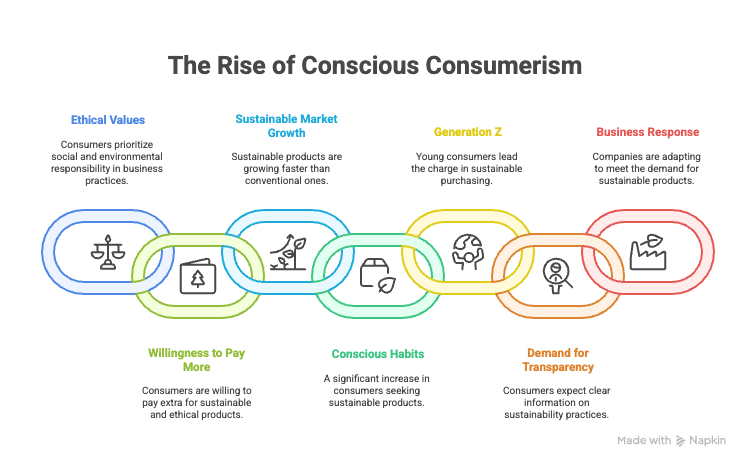
The Real Deal About Conscious Consumerism
Okay, let’s cut through the noise. You’ve heard the buzzwords: ethical spending, conscious consumerism. Sounds fancy, right? Like something only yoga instructors and people who knit their own kombucha really get into. But here’s the thing: it’s not just some niche trend. It’s a massive shift, and honestly, it’s probably way more important to your wallet and your values than you think. Forget the guilt trips; this is about smart choices that actually feel good.
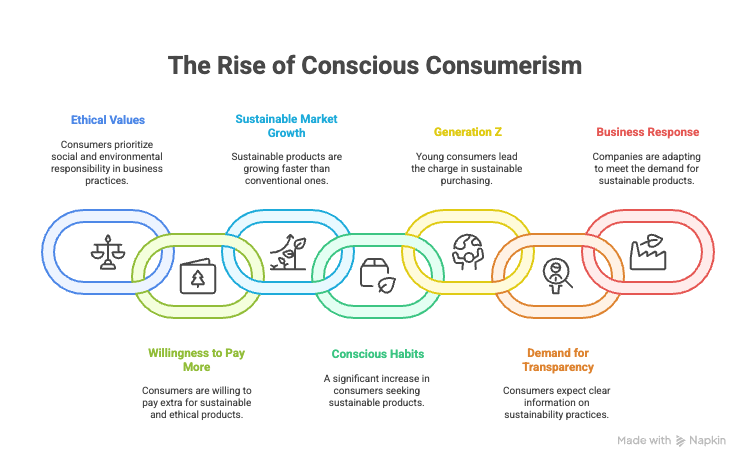
Source : orbasics.com
I’ve seen this space evolve for years, and what started as a whisper is now a roar. People are waking up. They’re tired of blindly buying stuff that trashes the planet or exploits workers. They want to know where their money is going, and frankly, they’re demanding better. And guess what? Companies are starting to listen. Or at least, they’re pretending to. That’s where understanding ethical spending comes in.
What Exactly Is Conscious Consumerism Anyway?
So, what are we even talking about here? At its core, conscious consumerism is just being more aware of the impact your purchasing decisions have. It’s about asking questions. Like, who made this shirt? What chemicals went into it? Does this company actually give a damn about the environment, or are they just greenwashing their ads?
It’s moving beyond just “Does it look good?” or “Is it on sale?” to include a whole new set of criteria. Think about it. You wouldn’t drop cash on a dodgy used car without checking the engine, right? This is the same idea, but for everything you buy. It’s about looking past the shiny packaging and digging into the real story behind the product.
This whole movement is gaining serious traction. You can see it everywhere, from how people shop for groceries to the cars they drive. It’s a fundamental change in how we view our role as buyers. According to the International Electrotechnical Commission, the rise of conscious consumerism isn’t just a fad; it’s a fundamental reshaping of the marketplace. People are actively seeking out brands that align with their personal ethics, and that’s a powerful force.
Why Should You Even Care?
Look, I get it. Life’s expensive. You’ve got bills, maybe kids, and a nagging desire for that new gadget. Adding “research every purchase” to your to-do list sounds exhausting. But here’s the flip side: your choices actually matter. A lot. By choosing to support companies doing good, you’re casting a vote for the kind of world you want to live in.
It’s not about perfection. Nobody expects you to live off-grid and only wear hemp sacks (unless that’s your jam, no judgment). It’s about making small, consistent changes. Maybe you swap out your fast-fashion haul for one well-made piece. Perhaps you start buying local produce when you can. These aren’t massive sacrifices; they’re just smarter decisions.
And let’s be real, supporting ethical brands can actually save you money in the long run. Think about those cheaply made items that fall apart after a few washes. That’s not saving money; that’s just buying trash. Investing in quality, ethically produced goods often means they last longer, perform better, and you feel better about owning them. It’s a win-win. As explained by Built In, conscious consumerism is about making informed choices that benefit both the consumer and the planet.
The Building Blocks: How to Be a More Conscious Shopper
Alright, so you’re intrigued. You want to dip your toes into this ethical spending pool. Where do you even start? It’s less daunting than it sounds. Think of it as a journey, not an overnight transformation. Here’s a breakdown of where to focus your attention:
Know Your Brands
Do a quick Google search before you buy. What’s their stance on sustainability? Do they have fair labor practices? A quick look at their ‘About Us’ page or a search for reviews can tell you a lot. Don’t just trust the marketing copy; dig a little deeper.
The ‘Where Did It Come From?’ Question
Pay attention to product origins. Is it locally sourced? Made with sustainable materials? Understanding the supply chain is key. You might be surprised where your stuff is actually coming from.
Look for Certifications
Third-party certifications can be a helpful shortcut. Think Fair Trade, Organic, B Corp. These labels mean a company has met certain standards. It takes the guesswork out of it for you.
Reduce, Reuse, Refill
Conscious consumerism isn’t just about what you buy, but how much. Embracing a minimalist mindset, repairing items instead of replacing them, and opting for refillable products drastically cuts down your impact. It’s about consuming less overall.
Support Small and Local
Often, smaller businesses and local artisans have a more direct connection to their products and communities. They might have more transparent practices and a stronger focus on quality over mass production. Plus, you’re supporting your neighbors!
How to Spot Greenwashing in 2026 Marketing
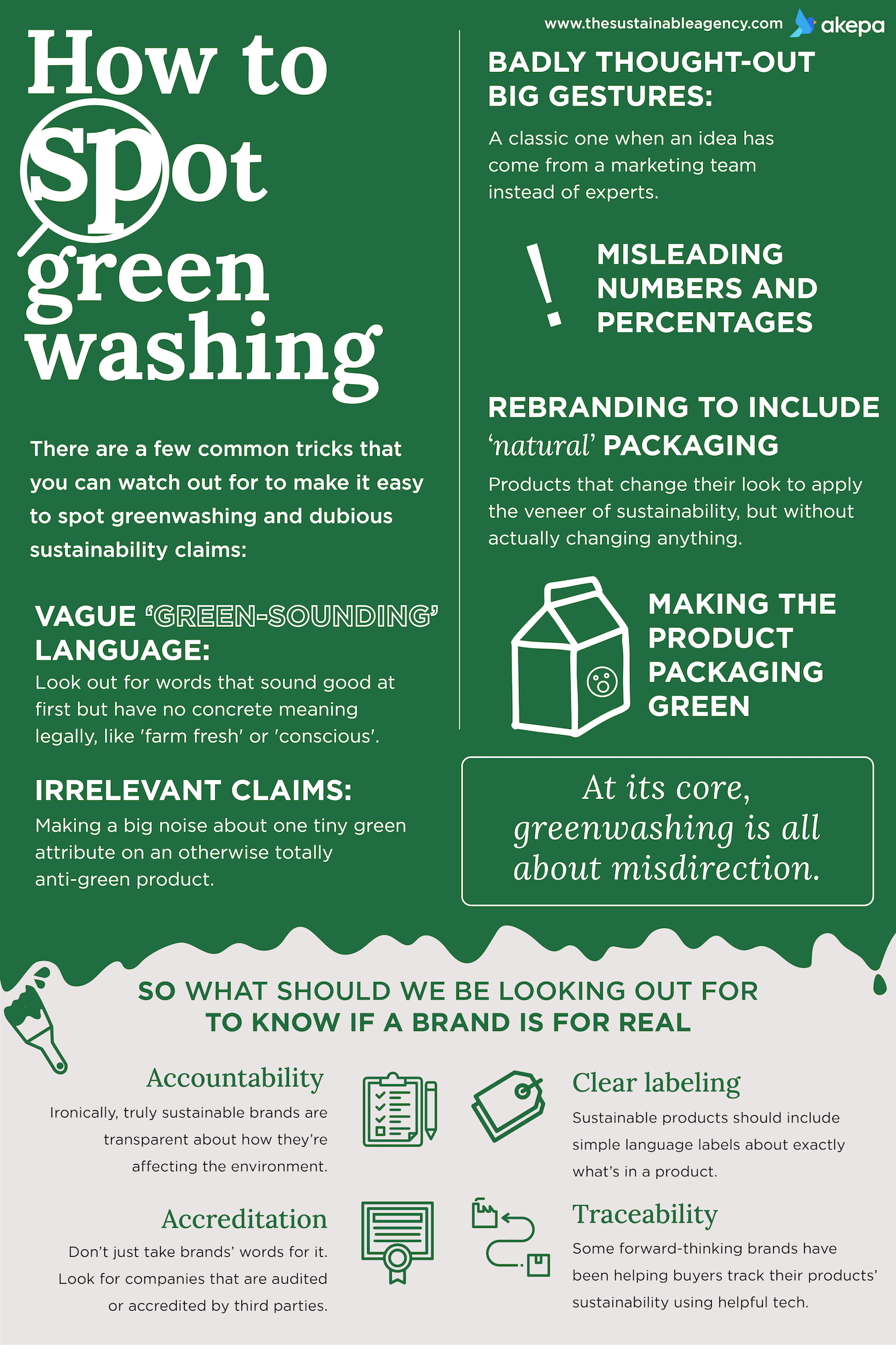
Source : thesustainableagency.com
Okay, let’s cut to the chase. Companies are getting slicker, and this whole “eco-friendly” spiel? It’s often just smoke and mirrors. They slap a green leaf on their packaging and suddenly they’re Mother Nature’s best friend. But dig a little deeper, and you’ll find that leaf is about as meaningful as a participation trophy. In 2026, you’ve gotta be sharper than ever to see through the fluff.
The “Nature Washing” Illusion
They’ll talk about “natural ingredients” or “earth-friendly processes.” Sounds great, right? But what does it really mean? Often, it’s just vague language designed to make you feel good without them actually doing much. Think about that cleaning spray that boasts about “plant-derived scents.” Sure, maybe the scent comes from a plant, but the rest of the chemical soup inside? Not so much. It’s a classic trick to distract you from the real impact.
Vague Claims & Empty Promises
This is where they get creative with words. “Sustainable.” “Eco-conscious.” “Responsibly sourced.” These terms are practically meaningless without concrete proof. If a company isn’t backing up these claims with specific data, certifications, or transparent reports, you should be suspicious. It’s like someone saying they’re “really good at cooking” but never letting you taste their food. Color me skeptical.
Irrelevant Eco-Awards & Certifications
Be wary of certifications that don’t mean much. Anyone can get a cheap sticker or an award from a made-up organization. Look for reputable third-party certifications like B Corp, Fair Trade, or USDA Organic. If the “certification” sounds unfamiliar, do a quick search. Chances are, it’s just window dressing designed to fool you. Don’t fall for it.
Voting With Your Wallet: Supporting B-Corps

Source : citizenwolf.com
Let’s talk about companies that are actually walking the walk. You’ve heard of B Corporations, right? These aren’t your average businesses. They’re legally required to consider the impact of their decisions on their workers, customers, suppliers, community, and the environment. It’s a whole different ballgame from just chasing profits.
What Makes a B Corp Different?
It’s simple, really. They balance purpose and profit. They’re not just talking about being good; they’re legally bound to do good. Think Patagonia, Ben & Jerry’s (the ice cream kind!), and Allbirds. They’re proving you can make money while also making a difference. It’s a powerful way to spend.
Finding and Supporting B Corps
The easiest way to find them? Hit up the official B Corporation directory. It’s a goldmine for ethical shoppers. When you buy from a B Corp, you’re not just getting a product; you’re investing in a company that’s committed to higher standards across the board. You’re essentially casting a vote for the kind of economy you want to see.
Beyond the Label: Real Impact
These companies are held accountable. They have to recertify every few years, proving they’re still crushing it. This means transparency is key. They’re usually upfront about their supply chains, their labor practices, and their environmental footprint. It’s a level of commitment that sets them apart from the pretenders.
The True Cost of Same-Day Shipping
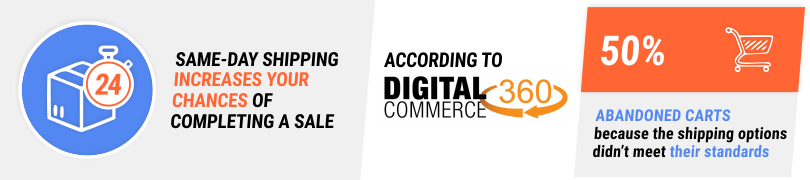
Source : hollingsworthllc.com
We all love getting stuff now. That little dopamine hit when a package lands on your doorstep mere hours after you clicked “buy.” But let’s be honest, someone, somewhere, is paying the real price for that instant gratification. And it’s usually not the customer in the form of a slightly higher shipping fee. It’s the planet, and often, the workers.
Environmental Hit
Think about it: rushing a package across town, or even across the country, requires extra transportation. More delivery trucks on the road, burning more fuel, creating more emissions. It’s a significant environmental burden that many consumers just don’t consider. For quick delivery, you often see increased carbon footprint per item.
Worker Exploitation Fears
To meet those lightning-fast delivery demands, companies often push their warehouse and delivery workers to the absolute limit. This can mean grueling hours, immense pressure to meet quotas, and a real risk of burnout or injury. Are those new shoes really worth someone’s well-being? It’s a question we should all be asking.
What You Can Do
Seriously consider if you need it today. Opt for standard shipping whenever possible. It’s better for the environment and gives companies a more reasonable timeline to operate efficiently and ethically. Even choosing a two-day delivery option makes a difference. You’re saving yourself a few bucks and contributing to a more sustainable system.
Apparel Brands Ensuring Fair Trade Wages

Source : eco-stylist.com
Fast fashion is a dirty business, plain and simple. The low prices we see in stores often come at a horrific human cost. Garment workers, overwhelmingly women in developing countries, are frequently paid poverty wages, forced to work in dangerous conditions, and denied basic rights. It’s a global crisis that we, as consumers, have the power to influence.
The Race to the Bottom
Brands constantly squeeze their suppliers to produce clothes cheaper and faster. This pressure trickles down, and the people making our clothes bear the brunt. It’s a cycle that needs breaking. Look for brands that openly discuss their commitment to living wages, not just minimum wages.
Certifications That Matter
Again, certifications are your friend here. Look for Fair Trade Certified apparel. This means the workers who made the clothes received fair wages, worked in safe conditions, and were empowered through community development funds. Other labels like WRAP (Worldwide Responsible Accredited Production) also indicate a focus on ethical manufacturing. Don’t just trust the pretty pictures on the website; look for the proof.
Transparency is Key
The most ethical brands are transparent about where their clothes are made. They’ll often name their factories and share details about their labor practices. They’re not afraid to show you the whole story. Brands that hide this information? That’s a red flag. Remember, ethical fashion is about people, too.
| Brand Type | Typical Wage | Working Conditions | Environmental Impact | Consumer Trust Factor |
|---|---|---|---|---|
| Fast Fashion | Below Living Wage | Often Poor, Long Hours | High (Waste, Pollution) | Low to Medium |
| Ethical/Fair Trade | Living Wage Guaranteed | Safe, Reasonable Hours | Lower (Sustainable Materials) | High |
| “Greenwashed” Eco | Variable, Often Low | Variable, Often Hidden | Mixed, Often Misleading | Medium (Relies on Claims) |
Localism: Why Community Markets Are Booming
Source : jasouthflorida.org
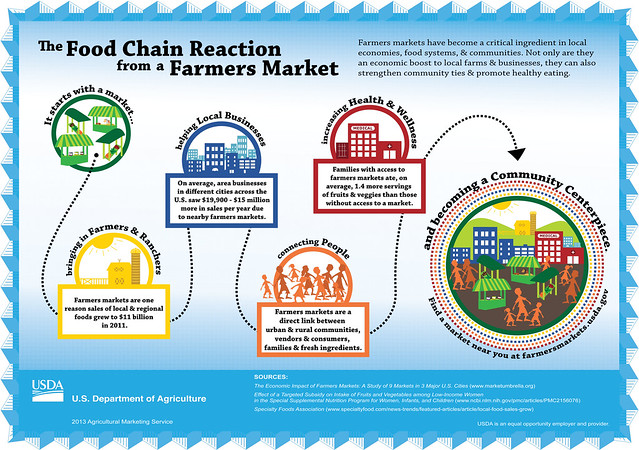
There’s a growing movement away from big-box stores and soulless online giants. People are rediscovering the joy and importance of shopping local. It’s not just about nostalgia; it’s about building stronger communities, supporting local economies, and getting higher quality, often fresher, products. Community markets are the heart of this trend.
Building Local Economies
When you buy from a local farmer, artisan, or small business owner, more of that money stays right in your community. It circulates, creating jobs and supporting other local enterprises. It’s a direct investment in the place you live. Think about that $20 you spend at the farmer’s market versus sending it to an online conglomerate. That $20 at the market likely supports a family, maybe hires a part-time worker. It’s a tangible economic boost.
Fresher, Better Quality Goods
Especially with food, shopping local often means getting products that are harvested or made much more recently. That tomato from the farmer down the road isn’t traveling thousands of miles. It’s picked ripe and tastes infinitely better than something picked green and gassed to ripeness in transit. You can often ask the producer directly about their methods, too. It’s a connection to your food.
Strengthening Community Bonds
Farmers’ markets and local shops are social hubs. You run into neighbors, chat with vendors, and build real relationships. It combats the isolation that can come with modern life. It reminds us that we’re part of something bigger. For tips on how to be a conscious consumer, check out this guide on conscious consumerism.
Frequently Asked Questions
-
Why does Gen Z overconsume so much?
Honestly, it’s a mixed bag with Gen Z. On one hand, they’re super aware of ethical issues and sustainability. They want to buy better. But social media plays a huge role, right? You see all these influencers showing off the latest trends, and it creates this pressure to keep up. Plus, fast fashion and cheap online retailers make it ridiculously easy to buy tons of stuff without thinking too hard about the cost or the impact. It’s like a perfect storm of awareness and accessibility that kinda clashes.
-
What did Jesus say about consumerism?
Jesus definitely talked a lot about money and possessions, and it wasn’t exactly pro-hoarding. He famously said, ‘You caot serve both God and money,’ which is a pretty direct shot at putting wealth first. He also told the rich young ruler to sell everything he had and give to the poor. The whole Sermon on the Mount is basically about not worrying about material things and focusing on spiritual stuff. So, if he were around today, I bet he’d be pretty critical of our endless shopping habits.
-
Why is consumerism an ethical issue?
It’s ethical because our buying habits have real-world consequences, man. Think about it: every product has a supply chain. That means people, animals, and the planet are involved. When we just buy, buy, buy without asking questions, we might be supporting sweatshops with terrible working conditions, environmental destruction from resource extraction, or animal cruelty. Ethical consumerism is about acknowledging that our choices matter and trying to make decisions that align with our values, like supporting fair trade products or buying less overall.
-
How can I start practicing ethical spending?
Start small! You don’t have to overhaul your entire life overnight. Maybe pick one area to focus on first. Like, could you swap out your usual cleaning products for eco-friendly ones? Or commit to buying second-hand clothing for a month? Read labels, do a little research on brands you like, and even just buying less stuff is a huge step. It’s about being more mindful of where your money goes and the impact it has.
-
Is ethical consumerism only for rich people?
Absolutely not! That’s a total myth. Sure, some ethical brands can be pricier, but that’s not the whole story. Ethical spending is fundamentally about making conscious choices, not necessarily spending more. Buying less is ethical. Choosing durable items over disposable ones is ethical. Supporting local businesses is ethical. Buying second-hand is incredibly ethical and budget-friendly. It’s more about your mindset and research than your bank account.