Senolytics: The Supplements Targeting Aging Cells
Alright, let’s cut to the chase. We’re talking about aging. Not the graceful, ‘wine-gets-better-with-age’ kind. More like the ‘creaky joints and forgetting why you walked into a room’ kind. Aoying, right? But what if I told you there’s a new wave of supplements, called senolytics, that are literally designed to go after those tired, old cells making you feel… well, old?
Source : nature.com
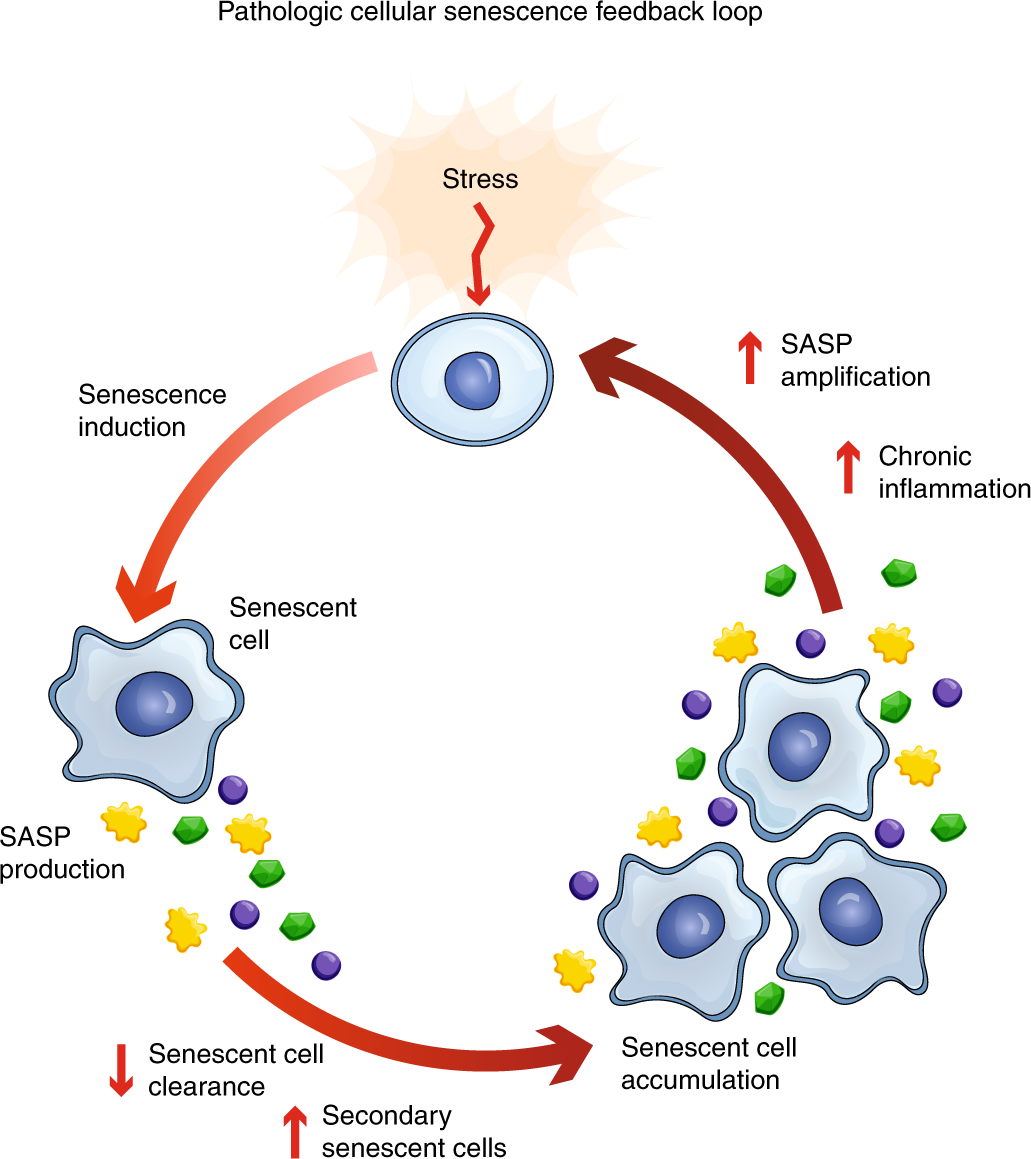
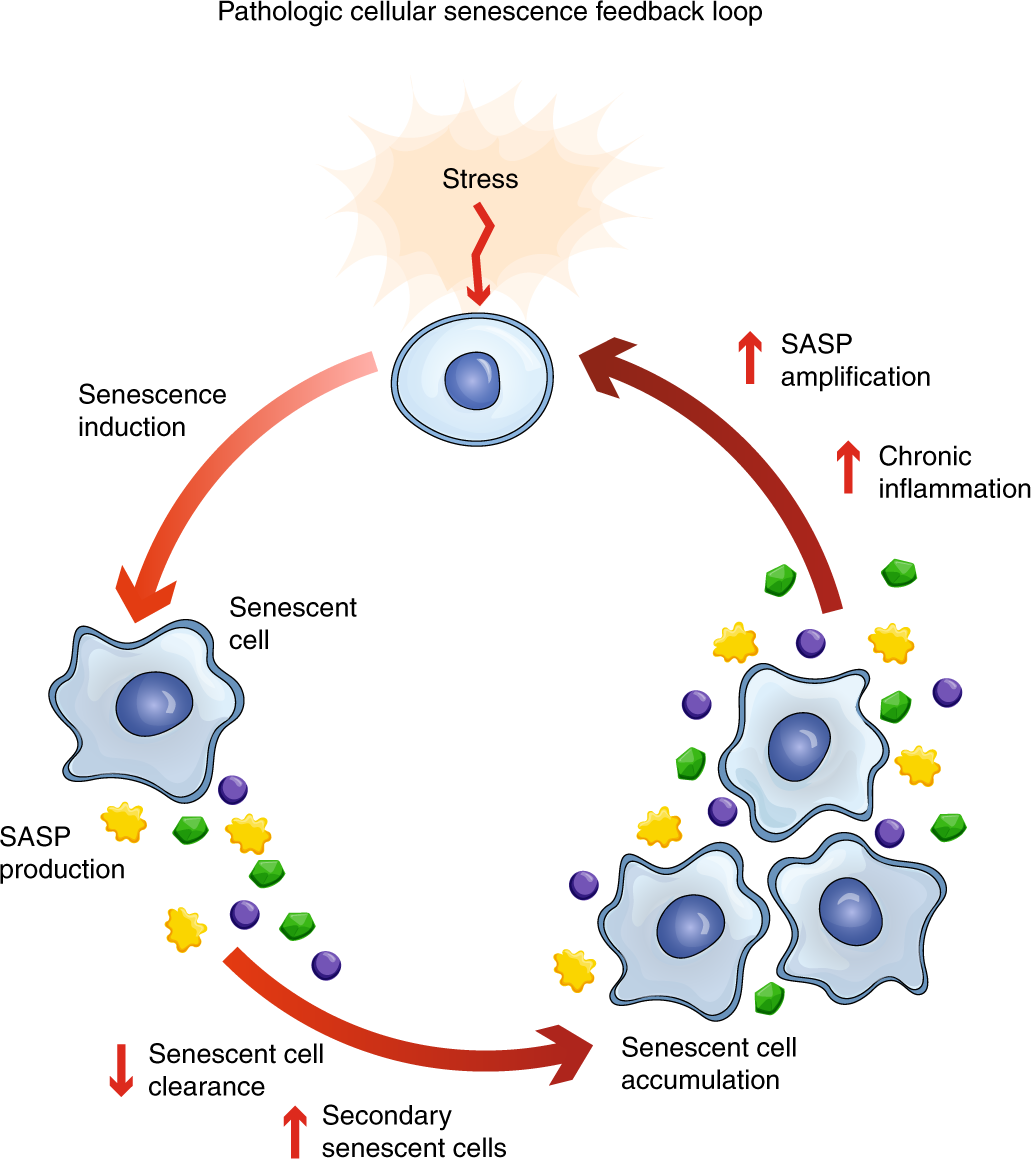
These aren’t your grandma’s vitamins. Senolytics are a hot topic, promising to clear out the cellular gunk that accumulates as we age. Think of it like spring cleaning for your body, but on a microscopic level. We’re talking about junk cells, called senescent cells, that stop dividing but refuse to die. They just hang around, spewing out inflammatory gunk that messes with your healthy cells. It’s a real drag on your system.
So, what exactly are these rogue cells doing? They’re like the bad neighbors in your cellular community. They don’t contribute, they just cause trouble. They release inflammatory signals (cytokines, chemokines, and proteases, fancy terms for cellular drama queens) that spread damage. This inflammation is linked to pretty much every age-related disease you can think of – heart disease, arthritis, diabetes, even dementia. Not exactly a party.
Digging into Cellular Senescence
The whole concept of cellular senescence is fascinating. It’s a natural process, mind you. Cells enter this state to prevent uncontrolled replication, like cancer. It’s a good thing, initially. But as we get older, these cells just… accumulate. They don’t get cleared out efficiently. It’s like a hoarder’s house, but in your body. The clutter builds up, and the whole place starts to smell.
Scientists are now figuring out how to selectively eliminate these troublemakers. That’s where senolytic therapy comes in. It’s a fancy way of saying ‘killing off senescent cells.’ The goal is to get rid of the bad actors without harming the good guys. Imagine a surgeon with a scalpel, but instead of flesh, they’re operating on your cells. Pretty wild, huh?
The Promise of Senolytics
Source : jpreventionalzheimer.com
The idea is that by clearing out these senescent cells, you can improve tissue function, reduce inflammation, and maybe even extend your healthy lifespan. Think less pain, better mobility, sharper thinking. Who wouldn’t want that? Early research is showing some seriously promising results in animal studies. Mice given senolytics lived longer and healthier lives. They were more active, their fur looked better, and they had fewer age-related ailments. It sounds almost too good to be true.
Now, before you run out and buy every bottle of senolytic supplements you can find, let’s pump the brakes. Human trials are still relatively new, and the field is evolving fast. We’re talking about powerful stuff here, and it’s not without its risks or potential side effects. It’s like tinkering with a complex machine – you need to know what you’re doing.
What Are Senolytics? Let’s Break It Down.
So, how do these things actually work? Senolytic drugs or supplements target specific pathways that senescent cells rely on to survive. These cells have a ‘don’t die’ button pushed, and senolytics aim to hit that button hard. They essentially trigger the senescent cell’s own self-destruct mechanism, called apoptosis. It’s a targeted approach, aiming for a clean kill without collateral damage.
The research has really picked up steam. We’re seeing compounds derived from both natural sources and synthesized in labs being investigated. Some target specific proteins, others disrupt cellular processes unique to senescent cells. It’s a multi-pronged attack on cellular aging. This is where the real magic happens.
One of the key things researchers are looking at is the ‘senescence-associated secretory phenotype,’ or SASP. This is basically the inflammatory soup senescent cells ooze. By getting rid of the cell itself, you stop the SASP. No more inflammatory gunk spreading around. Simple, right? Well, not entirely. But the principle is sound. It’s about cleaning house at the cellular level.
Natural Senolytics: What the Earth Offers
Okay, so are we talking about experimental drugs only? Not necessarily. Some research is pointing to certain natural compounds that might have senolytic activity. Think things you might already have in your kitchen, or can easily find. Quercetin, found in apples and onions, is a big one. Fisetin, present in strawberries, is another. These plant compounds are being studied for their ability to selectively clear out senescent cells. Nature’s own cleanup crew.
Other natural compounds like luteolin, found in parsley and celery, and components of green tea are also on the radar. It’s not just about popping a pill; it’s about potentially integrating these compounds into your diet. Of course, the dosage and concentration in food might be different from what’s used in studies, so it’s not a straightforward swap. You can’t just eat a mountain of strawberries and expect to reverse aging overnight.
But it’s exciting! It suggests that even without complex medical interventions, there might be dietary strategies to help manage cellular senescence. We’re talking about making smarter food choices that could have a real impact on how your cells age. It’s about working with your body, not against it. This is a big deal.
The Science Behind the Supplements
Let’s get a little more technical, but keep it light. Senolytics work by targeting what makes senescent cells tick (or rather, not die). These cells often upregulate survival pathways, like BCL-2 proteins. Think of BCL-2 as a bouncer that says ‘Nobody dies on my watch!’ Senolytics act like a bouncer-disabling device, shutting down these survival mechanisms. Pretty neat.

Source : communities.springernature.com
Some senolytics target multiple pathways. For example, Dasatinib (an anti-cancer drug) combined with Quercetin (a flavonoid) is one of the most studied combinations. It targets different aspects of senescent cell survival. This ‘combination therapy’ approach is common in medicine because it’s often more effective and can reduce the chances of resistance. Think of it as a two-pronged attack.
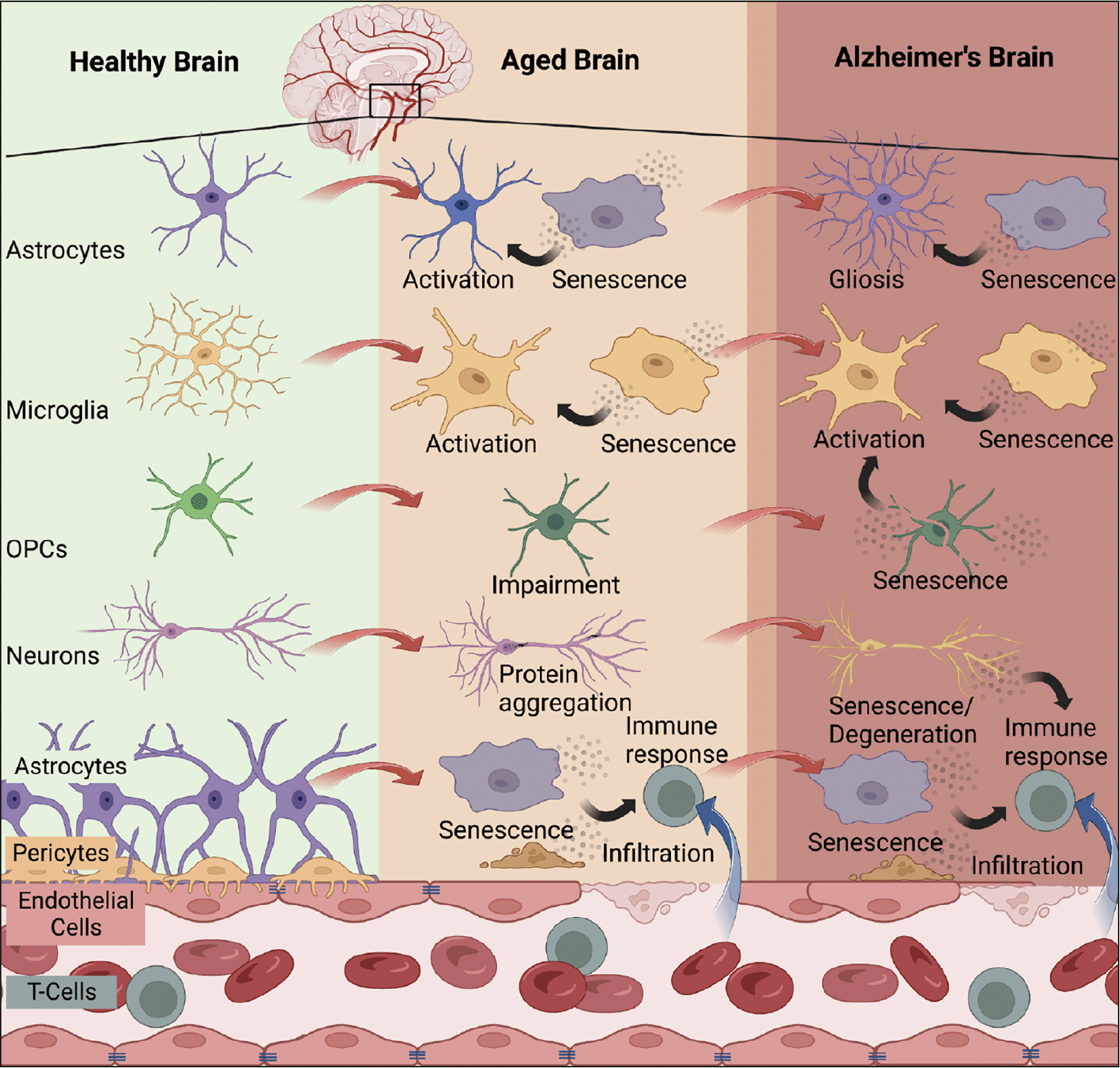
The research is moving incredibly fast. We’re seeing studies exploring senolytics for conditions like osteoarthritis, lung fibrosis, and even Alzheimer’s disease. The potential is enormous, but so is the need for rigorous clinical trials. We need to see consistent, safe, and effective results in humans. The jury is still out on widespread use.
Who’s Developing Senolytics? The Big Players.
This isn’t just a fringe science experiment anymore. Major research institutions and biotech companies are diving headfirst into senolytics. Mayo Clinic has been a powerhouse in this field, with researchers like Dr. James Kirkland leading the charge. They’ve been instrumental in identifying senolytic compounds and conducting early human trials. Their work is foundational.
Companies like Unity Biotechnology have been developing senolytic drugs specifically for age-related diseases. They’ve had some ups and downs, as is typical with drug development, but they’re pushing the boundaries. There are also numerous smaller startups and academic labs exploring novel senolytic targets and delivery methods. It’s a whole ecosystem geared towards tackling cellular aging. The investment is significant.
The focus isn’t just on pills. Researchers are looking at everything from gene therapies to engineered immune cells. The goal is to find the most effective and safest way to clear out senescent cells. This iovation is crucial for moving the field forward and making these therapies accessible. It’s a marathon, not a sprint.
Senolytics for Healthspan, Not Just Lifespan
Here’s a crucial point: it’s not just about living longer; it’s about living better for longer. That’s the concept of ‘healthspan.’ Extending lifespan without maintaining quality of life? No thanks. Senolytics aim to improve your healthspan, meaning you stay functional, vibrant, and disease-free for more of your years. That’s the real prize.
Imagine being 80 and still able to hike mountains, play with your grandkids without getting winded, and keep your mind sharp as a tack. That’s the dream senolytics are chasing. By tackling the underlying cellular mechanisms of aging, they offer a path towards maintaining vitality well into old age. It’s about adding life to your years, not just years to your life. Quality over quantity.
Think about the burden of chronic age-related diseases. They cost individuals, families, and healthcare systems a fortune. By preventing or delaying these diseases through senolytic therapy, we could dramatically improve public health and reduce suffering. It’s a win-win. The potential societal impact is huge.
Current Senolytic Supplements on the Market
Okay, so you’re probably wondering, ‘What can I actually buy now?’ The market for senolytic supplements is growing, but it’s also a bit of a Wild West. You’ll often see combinations of:

Source : frontiersin.org
- Quercetin: A well-known flavonoid with antioxidant and anti-inflammatory properties. Often paired with other compounds to boost absorption.
- Fisetin: Another flavonoid found in fruits like strawberries. It’s been shown in some studies to have senolytic effects.
- Dasatinib: This is technically an FDA-approved cancer drug, not a supplement. However, it’s often studied in combination with quercetin. You can’t just buy this over the counter.
- Piperlongumine: Derived from the long pepper plant, research suggests it may have senolytic properties.
When looking at supplements, always be skeptical. Check the company’s reputation, look for third-party testing (like NSF or USP certifications), and understand that ‘supplement’ doesn’t always mean ‘proven effective for senolytic purposes in humans.’ Do your homework.
Many of these products are marketed based on promising preclinical data (animal studies, cell cultures) rather than robust human clinical trials. That doesn’t mean they don’t work, but it means you’re often taking a leap of faith. It’s crucial to discuss any supplement regimen with your doctor, especially if you have existing health conditions or are taking other medications. Safety first, always.
The Research Landscape: What We Know (and Don’t Know)
The scientific literature on senolytics is exploding. Every month, it seems, there’s a new study. We’re seeing research exploring senolytics for everything from fatty liver disease to osteoporosis. Some studies are even looking at senolytics in combination with other anti-aging interventions. It’s a rapidly evolving field.
However, a lot of the really impressive results come from animal models. While promising, mice aren’t humans. We need more large-scale, placebo-controlled human trials to truly understand the efficacy and safety of senolytics. Especially for long-term use. Are there side effects we haven’t seen yet? Does effectiveness wane over time? These are critical questions.
One of the challenges is measuring senescence in humans effectively. It’s not as simple as ruing a blood test. Researchers are developing better biomarkers, but it’s complex. This makes it harder to track treatment effectiveness accurately. Still, the progress is undeniable. The potential to fundamentally change how we approach aging is there. It’s a truly exciting time for aging research.
Senolytics vs. Gerostatics: A Crucial Distinction
Now, hold on – not all approaches to tackling aging cells are the same. You’ve got senolytics, which kill the bad cells. Then you have gerostatics. Think of gerostatics as making the bad cells behave. They don’t eliminate them but rather try to suppress their harmful secretions (that inflammatory SASP). It’s like asking the bad neighbor to keep their loud music down, instead of evicting them.
Why the difference? Well, senescent cells do have a purpose. They play roles in wound healing and tissue repair. Wiping them all out might have unintended consequences. Gerostatics offer a potentially gentler approach, aiming to mitigate the damage without removing the cells entirely. It’s about finding the right balance. This nuance is important.
Some compounds might even have dual action – acting as both senolytics and gerostatics, or influencing different aspects of cellular senescence. The research is complex, and the lines can get blurry. But understanding this distinction is key to appreciating the different strategies being explored in the fight against aging. It’s not a one-size-fits-all solution.
Potential Downsides and Risks
Let’s be real: messing with fundamental cellular processes can be risky. The biggest concern with senolytics is off-target effects. Could they accidentally kill healthy cells that happen to share similar survival pathways? This is a major worry.

Source : openmedscience.com
Then there’s the immune system. Senescent cells are supposed to be cleared by the immune system. If senolytics help this process, great. But if they interfere, it could cause problems. Also, remember that senescent cells have roles in preventing cancer. Eliminating them entirely might, theoretically, increase cancer risk in some scenarios. It’s a delicate balance. You don’t want to trade one problem for another.
And of course, there’s the potential for unknown long-term effects. We’re talking about interventions that are relatively new in human use. What happens after years of taking these compounds? We just don’t have that data yet. Consulting with a knowledgeable healthcare provider is non-negotiable before diving into senolytic supplements. Don’t experiment on yourself blindly.
The Future of Senolytics
The future looks bright, but cautious. We’re likely to see more refined senolytic drugs that are highly specific and have fewer side effects. Combination therapies, perhaps pairing senolytics with other rejuvenation strategies, will probably become more common. Think of it as an integrated approach to aging. A holistic strategy.
Personalized senolytic therapy might also be on the horizon. Imagine a future where your doctor can assess your specific senescent cell load and prescribe a tailored treatment. That’s the cutting edge. But for now, it’s about continued research, careful clinical trials, and responsible use of available supplements. Patience is key.
One thing is for sure: the conversation around aging is changing. We’re moving from simply managing age-related symptoms to targeting the root causes at a cellular level. Senolytics are at the forefront of this revolution. The potential to transform human health is immense.
Frequently Asked Questions About Senolytics
What is the most powerful senolytic?
That’s a tricky question because ‘powerful’ can mean different things, and much of the research is still in early stages. In preclinical studies, combinations like Dasatinib and Quercetin (often called D+Q) have shown significant senolytic activity. However, Dasatinib is a prescription cancer drug, not a supplement. For supplements, Fisetin is gaining a lot of attention for its potent senolytic effects shown in various studies. But remember, ‘powerful’ doesn’t always mean ‘best’ or ‘safest’ for everyone. Always talk to a doctor.
What foods are high in senolytics?
You’re looking for plants rich in specific flavonoids! Strawberries are particularly high in Fisetin. Apples, berries, and grapes often contain Quercetin. Onions, kale, and tea (especially green tea) are also good sources of Quercetin and other beneficial compounds. Remember, while these foods have senolytic properties, the concentration might not be as high as in concentrated supplements. It’s about a healthy, balanced diet.
Who should not take senolytics?
This is crucial. People who are pregnant or breastfeeding should absolutely avoid them. Anyone with a history of certain cancers might need to be extra cautious, as senescent cells can play a role in suppressing tumors. People with compromised immune systems or those on significant immunosuppressant therapy should also consult their doctor. Essentially, if you have any serious underlying health conditions or are on complex medication, you need medical guidance.
Is metformin a senolytic?
Metformin, a common diabetes drug, is often discussed in the context of aging, but it’s generally considered a gerostatic, not a senolytic. While it may indirectly influence cellular senescence and has shown some anti-aging effects in studies, it doesn’t directly kill senescent cells like true senolytics do. It primarily works by improving insulin sensitivity and reducing glucose production. So, while it’s great for diabetes and potentially beneficial for aging, it’s not a direct senolytic.
What is the future of senolytic supplements?
The future looks incredibly promising, but also requires careful development. We’ll likely see more targeted compounds, potentially derived from natural sources but refined for greater efficacy and safety. Expect combinations that work synergistically. Personalized approaches based on an individual’s senescent cell load could become a reality. However, rigorous human clinical trials are still the bottleneck. Expect a lot more research and iovation, but also a need for continued caution and expert guidance before widespread adoption.