The Cow-Free Creamer: Your New Morning Ritual
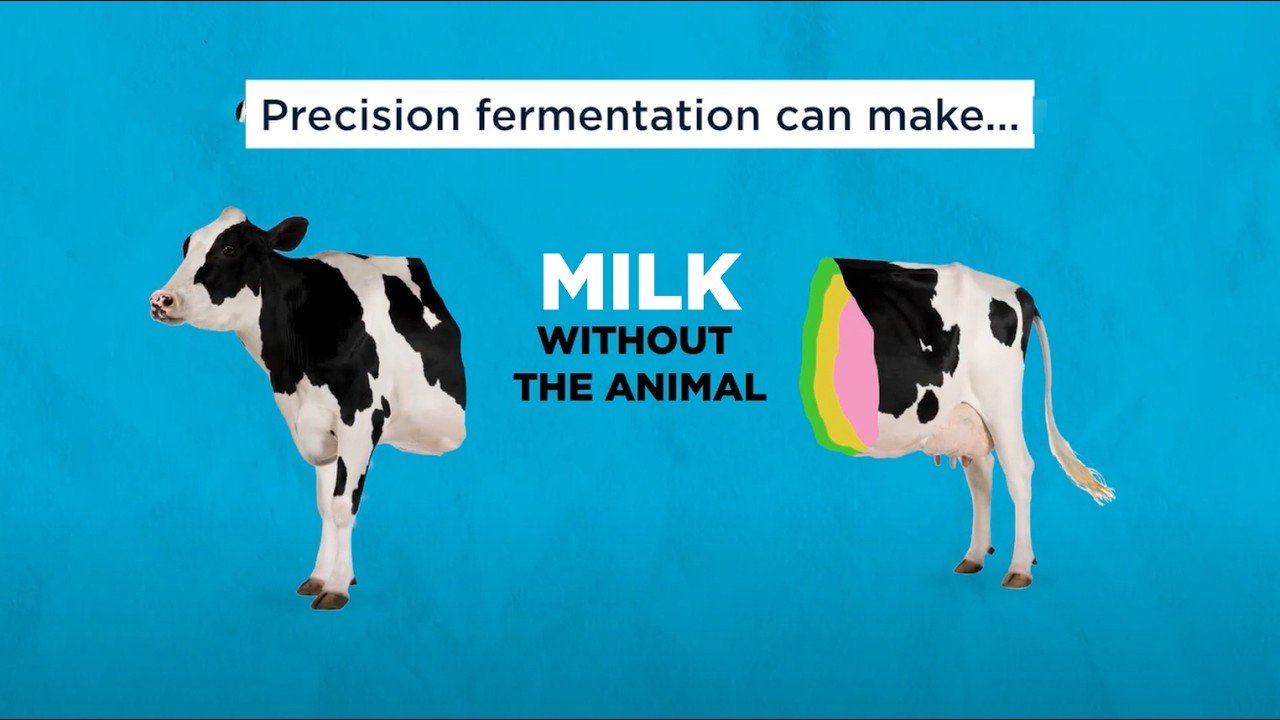
Forget the moo. Seriously. The future of your latte isn’t frolicking in a pasture; it’s chilling in a bioreactor. We’re talking about precision fermentation dairy, and it’s about to change everything you thought you knew about milk. No cows, no farms, just pure, unadulterated dairy goodness made with microbes. Sound like science fiction? It’s not. It’s happening now, and it’s tasting seriously good.

Source : youtube.com
Milk’s Next Act: No Udder Required
For centuries, milk meant cows. Simple as that. But what if I told you we could get all the creamy, dreamy deliciousness without the… well, the cow?
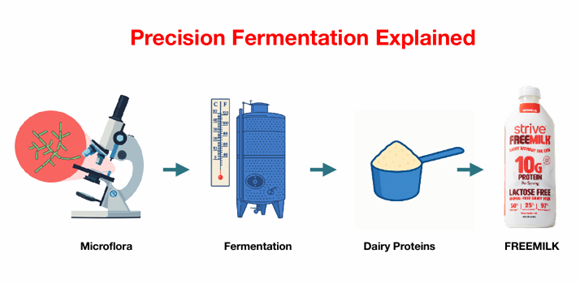
That’s the magic of precision fermentation. It’s a fancy name for using tiny biological factories – think yeast, bacteria, or fungi – to produce specific proteins. In our case, those proteins are the ones that make milk taste, feel, and function just like the real deal. We feed these microbes, they churn out whey and casein (the key dairy proteins), and then we collect ’em. Easy peasy.
Why Bother? It’s More Than Just a Novelty
This isn’t just some Silicon Valley fad, folks. This is a serious pivot for a reason. The environmental impact of traditional dairy farming is massive. We’re talking huge greenhouse gas emissions, insane water usage, and land degradation. Plus, animal welfare is always a hot-button issue. Cow-free dairy tackles all of it head-on.
Imagine:
Source : foodinstitute.com
- Drastically reduced carbon footprint.
- Way less water needed.
- No animal suffering.
- Consistent, high-quality product every single time.
Plus, it’s incredibly efficient. We can produce milk proteins with a fraction of the resources. That’s not just good for the planet; it’s good for business. It means more stable supply chains, less reliance on unpredictable weather, and ultimately, a more sustainable way to get your dairy fix.
How Does it Actually Taste? The Big Question
Okay, okay, I know what you’re thinking. “Microbe milk? Does it taste like… yeast?” Absolutely not. The goal here is identical taste and texture. The proteins produced through precision fermentation are molecularly identical to those found in cow’s milk. That means when a company makes a butter, a cheese, or an ice cream, it behaves exactly like its dairy counterpart.
Think about it: the way milk froths for your cappuccino? That’s thanks to casein. The way cheese melts? Also casein. Whey protein? That’s your post-workout shake fuel. These companies aren’t just making a milk alternative; they’re making the real thing, just made differently.
Early testers have been blown away. This isn’t just “good for being fake”; it’s genuinely good. Some products are already hitting the market, and word is, they’re passing the sniff test… and the taste test. We’re seeing some seriously impressive dairy-identical products emerging.
The Players: Who’s Making the Magic Happen?
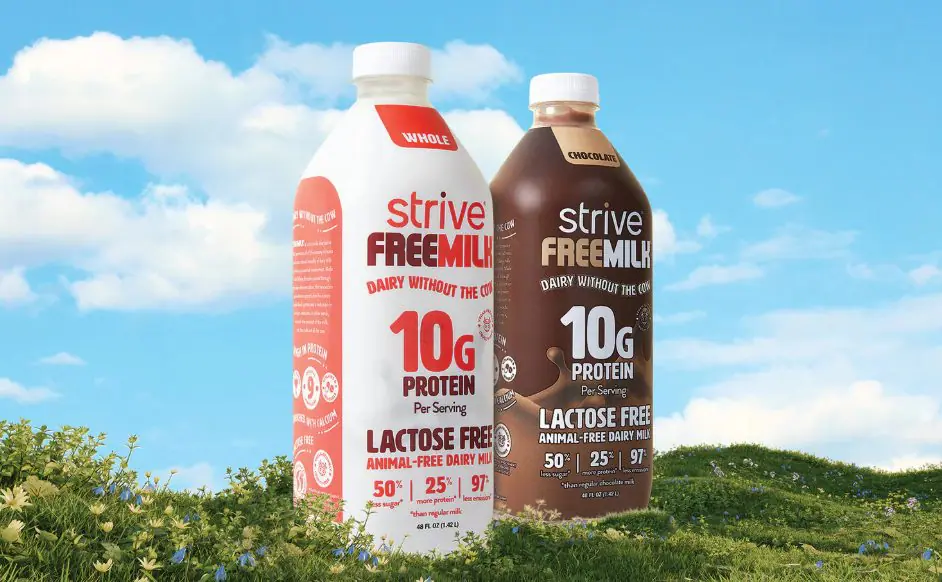
This space is exploding. You’ve got startups and established players all racing to perfect their microbial recipes. Companies like Remilk are making waves, aiming for cheeses and yogurts that are indistinguishable from traditional dairy. Others are focusing on specific applications, like creating the perfect barista milk that steams like a dream.
Source : foodinstitute.com
And it’s not just about milk. We’re talking butter, cream cheese, ice cream – you name it. The potential is staggering. For instance, one company is already seeing its cow-free barista milk hit coffee shops. You can read all about this world-first launch right here. It’s a huge step towards making dairy deliciousness accessible without the cow.
Then there are iovators like TurtleTree, who are using these amazing microbes to kickstart a cow-less milk revolution. They’re a prime example of how biotech is stepping in to offer sustainable solutions for our food system. You can dig into their work and understand their vision at this link. It’s fascinating stuff.
Challenges on the Horizon (Because Nothing’s Perfect)
It’s not all smooth sailing, of course. Scaling up production is a huge hurdle. Building these massive fermentation facilities and ensuring a consistent supply of the right microbes takes serious engineering and investment. We’re talking about complex biological processes that need to be perfected at an industrial scale.
Then there’s the regulatory side. Getting these new food products approved by food safety agencies around the world is crucial. It requires rigorous testing and clear communication to build public trust. And let’s be honest, convincing consumers to try something new, even if it’s better for them and the planet, can be tough. Education is key. People need to understand what precision fermentation is and why it matters.
Cost is another factor. Right now, these products can be more expensive than their conventional counterparts. But as production scales up and technology improves, prices are expected to drop. It’s the classic tech adoption curve. Think about how smartphones went from luxury items to everyday essentials.
Source : linkedin.com
The Future is Creamy and Conscious
So, what’s the endgame? A world where you can enjoy all the dairy you love – the ice cream, the cheese boards, the morning coffee creamer – without a single cow involved. A world where our food choices align with our values for sustainability and animal welfare.
This cow-free dairy revolution is picking up serious steam. It’s driven by iovation, a desire for better solutions, and frankly, a growing understanding that we need to rethink how we produce our food. Precision fermentation isn’t just a technology; it’s a pathway to a more sustainable, ethical, and delicious future.
Next time you pour milk on your cereal or add cream to your coffee, consider this: that creamy goodness might have come from a microbe, not a meadow. And honestly? It might just be the best thing you’ve ever tasted. The future of dairy is here, and it’s remarkably familiar, yet totally revolutionary.
Frequently Asked Questions About Cow-Free Dairy
What exactly is precision fermentation in the context of dairy?
Precision fermentation is basically using microorganisms, like yeast or bacteria, as tiny factories. You program them to produce specific proteins found in milk – think whey and casein. They grow in a fermentation vessel, and then you collect those proteins to make dairy products without needing a single cow. It’s a super efficient way to make real dairy.
Is cow-free milk the same as plant-based milk?
Nope, totally different! Plant-based milks (like almond, soy, or oat) are made from plants, and they taste and behave differently than cow’s milk. Precision fermented dairy, on the other hand, uses microbes to create proteins that are molecularly identical to those in cow’s milk. So, it acts, tastes, and feels just like traditional dairy because, biochemically, it is.
Are there any health risks associated with precision fermented dairy?
Not that we know of! The proteins are identical to traditional dairy proteins. Think of it like this: if you’re not allergic to cow’s milk, you shouldn’t react to precision fermented dairy. These companies have to go through rigorous safety testing and regulatory approval processes before their products hit the shelves. It’s all about making real dairy, just without the animal.
How does the environmental impact compare to traditional dairy farming?
The environmental benefits are HUGE. Producing dairy via precision fermentation uses drastically less land and water compared to traditional cow farming. Plus, the greenhouse gas emissions are significantly lower. It’s a much more sustainable solution for meeting our global demand for dairy products. We’re talking major reductions across the board.
Will precision fermented dairy products be more expensive?
Initially, yes, they might be a bit pricier. Scaling up new technology is always expensive. But as the industry grows, production becomes more efficient, and more companies enter the market, the costs are expected to drop. Think about smartphones or electric cars – they started expensive and are now much more accessible. This is the same trajectory.