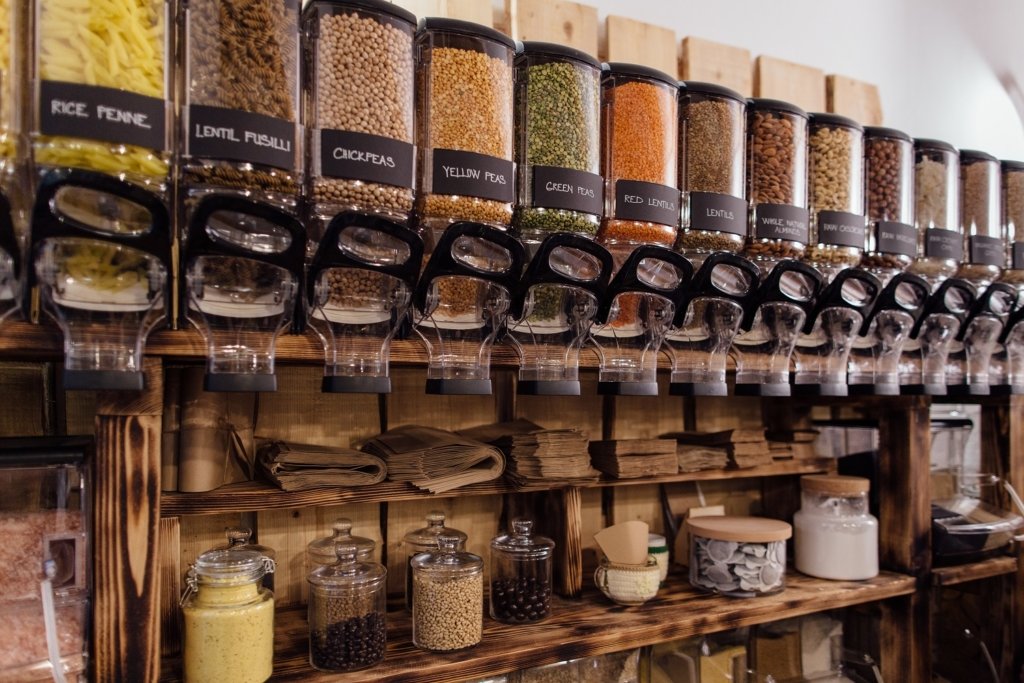
The Comeback Kid: Why Refillable Grocery Stores Are Back and Better Than Ever
Remember those old-school bulk bins? The ones where you’d grab a paper bag, fill it with oats or M&Ms, and weigh it yourself? Well, that concept is having a serious moment. Refillable grocery stores, once a niche idea, are popping up everywhere. It’s not just a trend; it’s a full-blown movement fueled by our growing disgust for plastic and a desire for more sustainable living. People are tired of throwing away packaging after a single use. We’re talking about a genuine shift in how we shop for everyday essentials. Forget the doom and gloom; this is about positive change, one refill at a time.
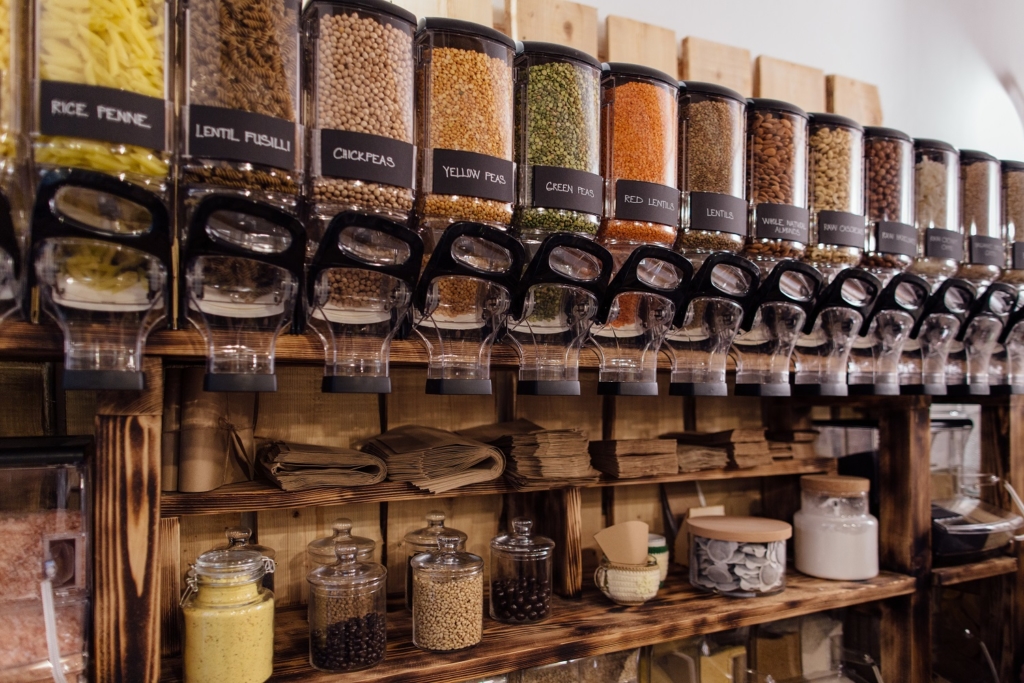
Source : savemoneycutcarbon.com
Why Now? The Plastic Backlash is Real
Let’s face it, the plastic problem is impossible to ignore. It’s choking our oceans, filling our landfills, and even showing up in our food. Every Amazon delivery, every single-use coffee cup, every shrink-wrapped cucumber contributes to this mess. Consumers are finally waking up and saying, “Enough is enough!” This collective “aha!” moment is what’s driving people back to the idea of refillable options. We want to reduce our waste, plain and simple. It’s a gut reaction to decades of disposable culture. The convenience we once craved now feels like a dirty secret. We’re looking for alternatives, and refill stores are hitting the sweet spot.
What Exactly IS a Refillable Grocery Store?
Okay, so what are we talking about here? Think of it like this: instead of buying a new plastic bottle of shampoo every time, you bring your own container. You walk into the store, fill up that container with shampoo from a big dispenser, weigh it, and pay for what you took. Same goes for olive oil, pasta, spices, cleaning supplies – you name it. It’s all about buying goods in bulk, without the single-use packaging. You’re basically cutting out the middleman – the fancy packaging that just ends up in the trash. It’s a smart, straightforward approach to shopping.
The Old School Charm Meets Modern Needs
There’s a certain charm to these places, isn’t there? It feels… intentional. More mindful. It’s a stark contrast to the sterile, overwhelming experience of a typical supermarket. You’re not just grabbing a pre-packaged item off a shelf. You’re engaging with your food, with your products, and with the store itself. It’s a more personal coection. This isn’t just about being “eco-friendly”; it’s about reclaiming a sense of control over our consumption. Plus, it often ends up being cheaper because you’re not paying for all that disposable crap.
Diving Deeper: The Environmental Wins
The environmental argument is huge, and it’s the main driver for many people. Reducing plastic waste is the obvious big one. By refilling, you’re directly preventing new plastic containers from being manufactured and eventually ending up in a landfill or the ocean. But it goes further. Buying in bulk often means less transportation energy. Think about it: instead of shipping thousands of individual plastic-wrapped items, a store gets one big container of, say, rice. Less fuel burned. It also cuts down on food waste because you can buy exactly the amount you need. No more half-used bags of flour going stale in the back of your pantry. It’s a win-win-win.
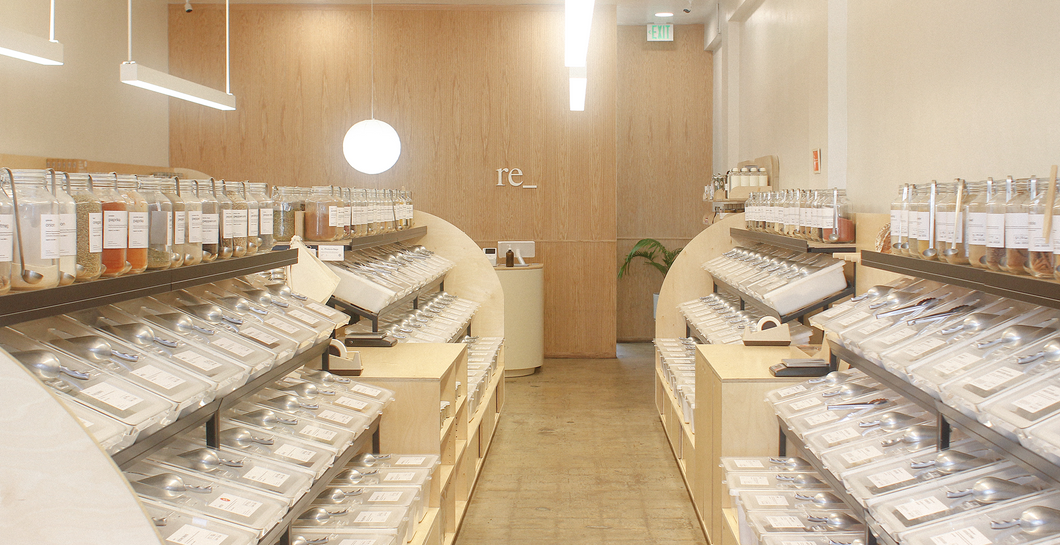
Source : bathingculture.com
Economic Sense: Saving Your Wallet
Let’s talk money. People often assume “eco-friendly” means “expensive.” Not always! With refill stores, you’re cutting out the cost of packaging. That brand name on the fancy olive oil bottle? You don’t pay for that here. You pay for the olive oil itself. You’re also buying only what you need. If you only need two tablespoons of a spice for a specific recipe, you buy two tablespoons. You don’t buy a whole jar that might sit unused for a year. This saves you money in the long run and prevents waste. It’s simple economics.
Community and Coection: More Than Just Groceries
These stores often become community hubs. You see the same faces, chat with the owners, and feel a sense of belonging. It’s a refreshing change from the anonymity of big-box stores. People share tips, recipes, and a common goal. It fosters a coection that’s often missing in our digital lives. You’re supporting a local business that aligns with your values. It feels good to shop with purpose. This sense of community is a powerful draw, turning a chore into something more meaningful.
The Types of Products You Can Refill
The variety is pretty impressive these days. You’ll find all the staples:
- Grains and Legumes: Rice, beans, lentils, oats, quinoa, pasta.
- Nuts and Seeds: Almonds, walnuts, chia seeds, flax seeds, sunflower seeds.
- Spices and Herbs: From basic salt and pepper to exotic blends.
- Baking Supplies: Flour, sugar, baking soda, yeast.
- Oils and Vinegars: Olive oil, balsamic vinegar, sesame oil.
- Cleaning Products: Laundry detergent, dish soap, all-purpose cleaner.
- Personal Care: Shampoo, conditioner, body wash, hand soap, lotions.
- Snacks: Dried fruit, candy, granola.
And it’s expanding! We’re seeing more and more specialized items appear. The key is anything that can be dispensed from a large container without losing quality or safety. It’s about making sustainable choices accessible for everyday items.
Challenges and How Stores Are Tackling Them
It’s not all sunshine and refillable rainbows. There are hurdles. Hygiene concerns are a big one. People worry about germs. Reputable refill stores take this very seriously. They have strict protocols for cleaning dispensers, handling containers, and ensuring product integrity. Many use gravity-fed dispensers or pumps that minimize air exposure. They’re often cleaner than the bulk bins in conventional supermarkets, which are frequently left open and unmonitored. Then there’s the convenience factor. Some people balk at the idea of bringing their own containers or the slightly slower process. But honestly, most people adapt quickly. It becomes routine. And many stores now offer reusable containers for purchase, easing the transition.
The Technology Making Refills Easier
Technology is playing a role too. Think about smart scales and point-of-sale systems that make weighing and pricing super accurate. Some apps help you track your purchases or find nearby refill stations. It’s not just about going back in time; it’s about using modern tools to make the refill process efficient. Stores are also getting creative with online ordering and local delivery for pre-filled containers, offering another layer of convenience for busy shoppers.
Comparing Refill Stores to Traditional Supermarkets
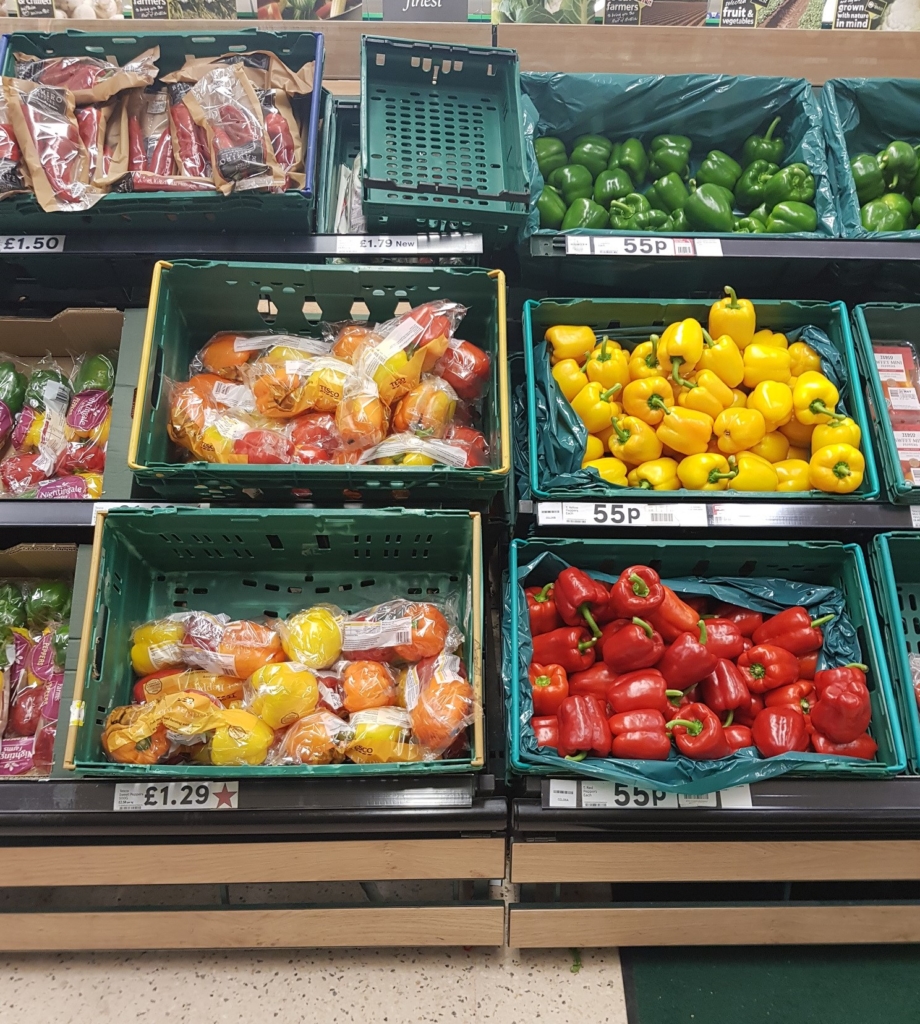
The difference is night and day. Traditional supermarkets are drowning in packaging. Every single product, from a single banana to a family-sized cereal box, is wrapped. Refill stores flip that script. They focus on providing the product itself, letting you decide how much you need and how you want to carry it. It’s a radical departure. You’re not locked into a specific brand’s packaging size. You have the freedom to choose. This direct-to-container model fundamentally changes the shopping dynamic. It puts the power back in your hands, not in the hands of the packaging designers.
The Future of Grocery Shopping?
Are refillable stores the only future? Probably not. But they’re a massive part of it. As awareness grows and more people demand sustainable options, these stores will become less of a novelty and more of a norm. Expect to see more mainstream supermarkets experimenting with dedicated refill sections. We’re already seeing it. The momentum is building, and the demand for plastic-free groceries is only going to increase. It’s an exciting time for conscious consumers.
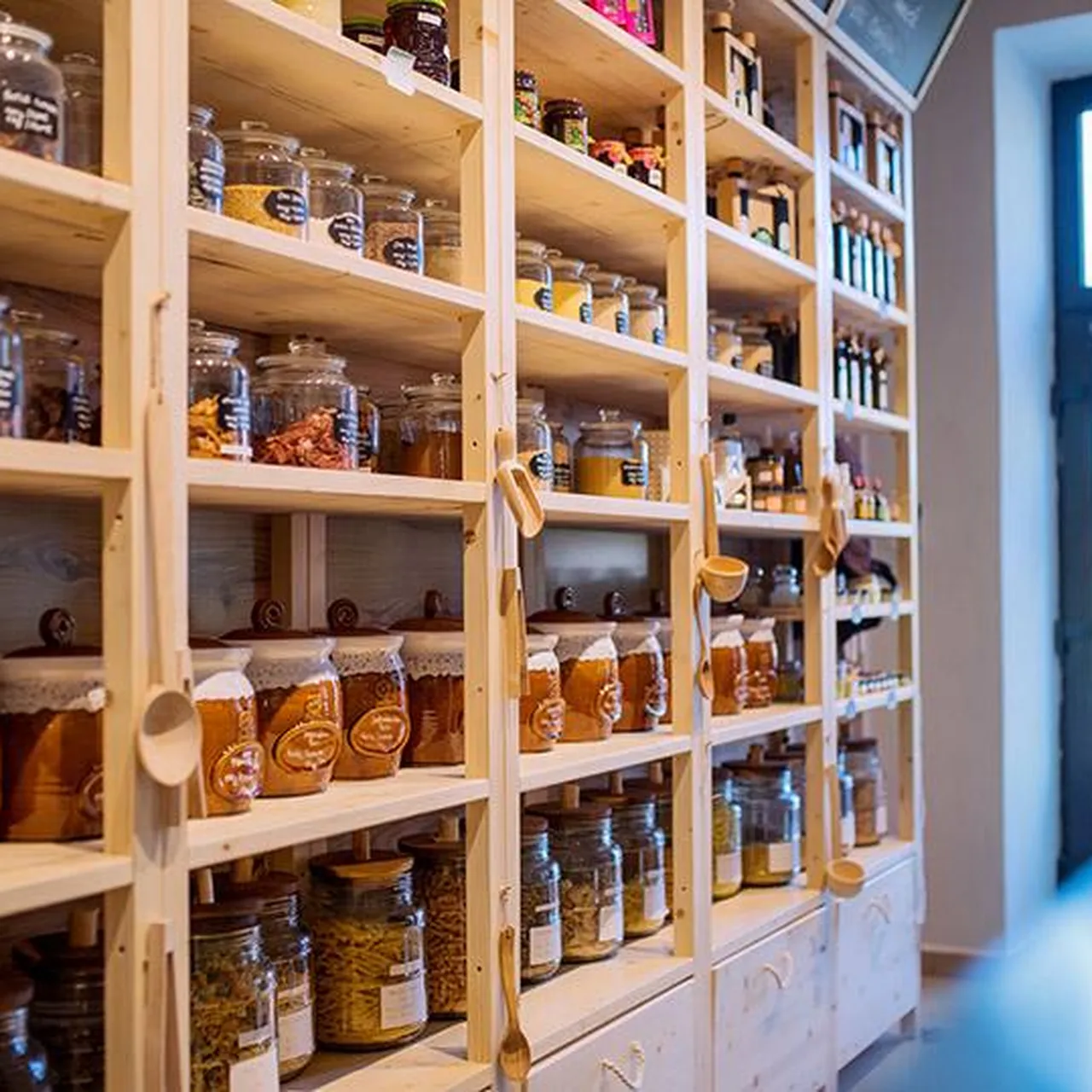
Source : smithsonianmag.com
Getting Started with Refill Shopping
Ready to give it a try? It’s easier than you think. First, find a local refill store. A quick online search should do the trick. Then, gather your containers. Jars, old plastic tubs, cloth bags – whatever works. Make sure they’re clean! When you get there, weigh your empty container first (some stores do this for you, labeling it as ‘tare weight’). Fill up with your desired product. Head to the checkout, and they’ll weigh your full container and deduct the tare weight. Easy peasy. Don’t be afraid to ask questions; the staff are usually super helpful and passionate about what they do. It’s a journey, and every refill counts.
The Environmental Impact: A Closer Look
Let’s really dig into this. The stats on plastic waste are staggering. Millions of tons of plastic enter our oceans every year, harming marine life and ecosystems. Microplastics are now found everywhere, from the deepest ocean trenches to the air we breathe. Refill stores offer a tangible solution. By choosing to refill, you are actively participating in diverting waste from landfills and incinerators. It’s a powerful statement against the disposable culture. It’s about creating a circular economy where resources are reused, not just thrown away after a single use. This shift is crucial for the planet’s health.
Economic Benefits Beyond the Consumer
It’s not just consumers saving money. Refill stores can often operate with lower overheads. They don’t need massive amounts of shelf space dedicated to diverse packaging. They buy in bulk, which can lead to better pricing from suppliers. Plus, they often foster loyalty. When customers find a store that aligns with their values and offers fair prices, they stick around. This local economic support builds stronger communities and creates a resilient business model that’s less dependent on the fluctuating costs of new materials. It’s a smarter way to do business.
Iovation in the Refill Space
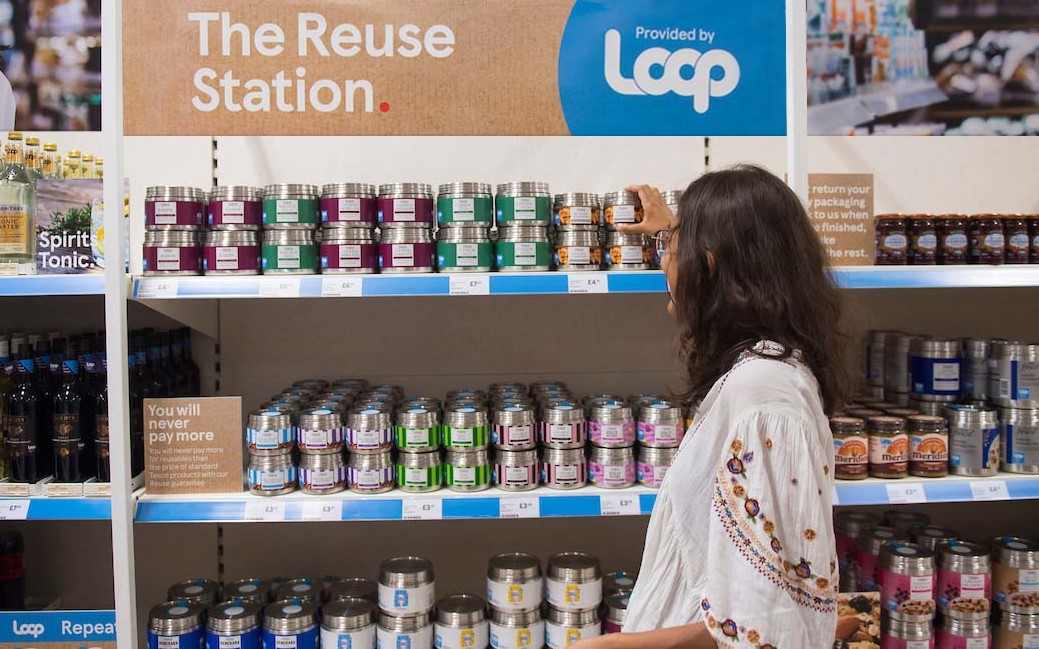
The industry isn’t static. New ideas are constantly emerging. We’re seeing iovative packaging solutions for delivery services (like loop systems), subscription boxes focused on refills, and even mobile refill stations that visit different neighborhoods. Companies are exploring biodegradable and compostable bulk containers for those who truly can’t bring their own. The goal is to eliminate single-use plastic as much as possible, and the creativity in this sector is inspiring. It shows a real commitment to solving the problem.
The Role of Policy and Advocacy
While consumer demand is driving change, policy also plays a critical role. Governments are starting to implement regulations around single-use plastics, like bans on certain items or extended producer responsibility schemes. Advocacy groups are pushing for stronger policies that support a circular economy. Refill stores benefit from this broader push. As legislation makes disposable packaging more costly or restricted, the appeal of refillable options naturally increases. It’s a combination of grassroots action and top-down change.
Refill Stores and the Future of Food Systems
Think about the entire food system. Packaging often accounts for a significant portion of a product’s carbon footprint. By removing it, refill stores are fundamentally altering this equation. They also encourage a closer coection to food sources. Often, these stores source locally when possible, reducing food miles. They offer transparency about ingredients and origins. This focus on sustainability in food is more than just reducing waste; it’s about building a more resilient and ethical food future. It’s about knowing where your food comes from and how it got to you, without the plastic.
The Global Perspective
This isn’t just a Western phenomenon. Refill and bulk buying have been traditional practices in many cultures for centuries. What we’re seeing now is a global resurgence, blending traditional wisdom with modern needs. From Europe to Asia, iovators are launching refill initiatives. The challenge of plastic pollution is universal, and so are the solutions. Organizations worldwide are working on scaling these models, proving that zero-waste living is a global ambition, not just a local trend. It’s a shared effort to clean up our planet.
Making the Switch: Tips for Success
Okay, you’re convinced. You want to try it. Awesome! Here’s the playbook:
Source : savemoneycutcarbon.com
- Start Small: Don’t try to do your entire weekly shop on day one. Pick one or two items you buy regularly – maybe coffee beans, oats, or dish soap.
- Container Prep: Have a stash of clean jars, bottles, and bags ready to go. Wash them thoroughly!
- Know Your Tare: Remember to weigh your empty container (tare weight) before filling. Most stores have scales for this. Write the weight on the container if it’s not obvious.
- Be Specific: If you only need 100g of something, use a small container. Don’t fill a giant jar for a tiny amount.
- Ask Questions: Staff are your best resource. Don’t hesitate to ask how things work, what their hygiene practices are, or for recommendations.
- Embrace Imperfection: It might feel a bit awkward at first. That’s okay! Everyone starts somewhere. The goal is progress, not perfection. Be patient with yourself.
- Spread the Word: Tell your friends! The more people who get involved, the more mainstream this becomes.
Addressing Common Misconceptions
Let’s bust some myths. “It’s too expensive.” As we discussed, often it’s cheaper because you skip packaging costs and buy only what you need. “It’s unhygienic.” Reputable stores have stringent hygiene standards, often better than supermarket bulk bins. “It takes too long.” Once you get the hang of it, it’s just as fast, if not faster, than searching for the right pre-packaged item. The biggest hurdle is often just getting over the initial learning curve.
The Psychology of Consumption: Why We Buy What We Buy
For decades, marketers have conditioned us to associate shiny packaging with quality and desirability. We see a product in a beautiful box and think it’s premium. Refill stores challenge this entirely. They force us to focus on the product itself – the quality of the olive oil, the freshness of the rice. It’s a shift from “what it looks like” to “what it is.” This psychological shift is profound. It’s about mindful consumption, making deliberate choices rather than impulse buys driven by flashy marketing. We’re learning to value substance over style.
The Environmental Ripple Effect
Beyond just plastic, think about the other environmental impacts. Manufacturing new packaging consumes vast amounts of energy and water. Transporting finished goods across the globe adds to carbon emissions. By opting for refills, you’re reducing demand for all of that. You’re essentially voting with your dollar for a lower carbon footprint. It’s a small action with a significant collective impact. It’s about shrinking our environmental footprint, one purchase at a time.
Supporting Local Economies, One Refill at a Time
Many refill stores are small, independent businesses. When you shop there, you’re directly supporting entrepreneurs in your community. You’re keeping money local, helping to create jobs, and fostering a diverse retail landscape. This is vital. Big box stores often send profits far away. Local businesses reinvest in the community. Choosing a refill store means you’re investing in your neighborhood and supporting a more sustainable economic model. It’s a powerful way to make a difference right where you live.
The Evolution of Packaging Itself
It’s not just about removing packaging; it’s about evolving it. We’re seeing incredible iovation in reusable and returnable packaging systems. Think about services where you receive products in durable containers that are then collected, cleaned, and refilled. This “closed-loop” approach minimizes waste even further. While not strictly “refill stores” in the traditional sense, these systems share the same core principle: ditching single-use forever. The goal is a system where packaging is an asset, not a disposable afterthought.
Making Your Own Staples: The Ultimate Refill
For the truly dedicated, making your own staples is the ultimate way to reduce packaging. Think bread, yogurt, cleaning sprays, even pasta. While this requires more effort, it offers complete control over ingredients and eliminates packaging entirely. You can buy bulk ingredients (like flour, yeast, vinegar) at refill stores to make your own goods. It’s the DIY approach to zero waste. It coects you deeply with your food and products and offers immense satisfaction. Plus, homemade tastes amazing!
Navigating Different Types of Refill Stores
Not all refill stores are the same. Some are full-service grocery stores with bulk bins and refill stations for everything. Others might specialize – perhaps focusing solely on cleaning products, personal care, or pantry staples. Some operate on a membership model, while others are open to the public. Understanding the specific model of the store you’re visiting will help you navigate it smoothly. Always check their website or call ahead if you’re unsure about their product selection and shopping process.
Source : renewablematter.eu
The Emotional Reward of Conscious Shopping
There’s a genuine emotional benefit to shopping this way. It feels good to know you’re making a positive choice. It reduces that nagging guilt about waste. It aligns your actions with your values. This feeling of agency – of actively contributing to a solution rather than being part of the problem – is incredibly powerful. It’s about living with intention and finding joy in making responsible choices. It transforms a mundane task into an act of positive change.
What About the ‘Convenience’ Argument?
We’ve been trained to value speed and ease above all else. Grabbing a pre-packaged item is undeniably quick. But is it truly convenient when you consider the long-term cost to the environment and your health? Refill shopping requires a little plaing – remembering to bring containers, taking a few extra minutes. But this “inconvenience” is a small price to pay for a healthier planet and often, healthier products (less processing, fewer additives). Think of it as investing time in a better future. The convenience of sustainability is a different kind of ease, one that feels deeply rewarding.
The Growing Market and Investment Potential
This isn’t a fringe movement anymore. The market for zero-waste and refillable products is booming. Major retailers are noticing, and investors are getting interested. This growth signals a fundamental shift in consumer preferences. As demand increases, we’ll see more iovation, more competition, and hopefully, more accessibility. This expansion is crucial for making sustainable shopping mainstream. It’s a sign that businesses are adapting to meet the demands of a more conscious consumer base.
The Resurgence Explained: A Final Thought
So, why the comeback? It’s simple. We’re fed up. We’re tired of the plastic-filled convenience that’s trashing our planet. Refillable grocery stores offer a tangible, accessible, and often economical way to make a difference. They tap into a desire for simplicity, community, and a more sustainable way of living. It’s about reclaiming our power as consumers and making choices that feel good, both for our wallets and our world. It’s not just a trend; it’s the smart way forward. It’s conscious consumerism in action.
Frequently Asked Questions About Refill Stores
Are refill stores worth it?
Absolutely. Think about it – you’re cutting out the cost of packaging, which is often a significant chunk of the price. You buy only what you need, so you waste less food and money. Plus, you’re doing your bit for the planet by dramatically reducing single-person plastic. For many, the long-term savings and environmental benefits make them totally worth it. It’s a smarter way to shop.
Which supermarket uses the least plastic?
This is a tough one because most big supermarkets still rely heavily on plastic packaging for the vast majority of their products. However, some are making efforts. Look for supermarkets that offer expanded bulk sections or are piloting refill stations for things like cleaning products or even some food items. Companies like Algramo in Chile have pioneered reusable packaging systems that work with major brands, showing it’s possible. But honestly, for the absolute least plastic, dedicated refill stores are still your best bet.
How do refill stores make money if there’s no packaging?
Great question! They make money the same way any store does: by selling products. Their business model is based on selling the actual goods – the olive oil, the rice, the soap. They buy these products in large quantities, often directly from suppliers, which can be cheaper. Then they sell them to you, charging based on the weight or volume you take. The profit comes from the margin on the bulk product sales. They just cut out the expensive, wasteful step of individual packaging.
Is it really cleaner than regular bulk bins?
In most cases, yes! Reputable refill stores are extremely focused on hygiene. They have strict protocols for cleaning dispensers and handling containers. Many use gravity-fed systems or pumps that minimize exposure to air and customers. Contrast this with typical supermarket bulk bins, which are often open, uncovered, and handled by countless people. Refill stores aim for a controlled and sanitary environment, often exceeding the cleanliness of traditional options.
What if I forget my containers?
Don’t stress! Most refill stores understand this happens. They usually have reusable containers (like glass jars or cloth bags) available for purchase. You can buy one on the spot and use it for your shopping. Some might even have a system where you can borrow one and return it later. The key is they want to make it easy for you to shop sustainably, so they usually have a backup plan for forgotten shopping bags.