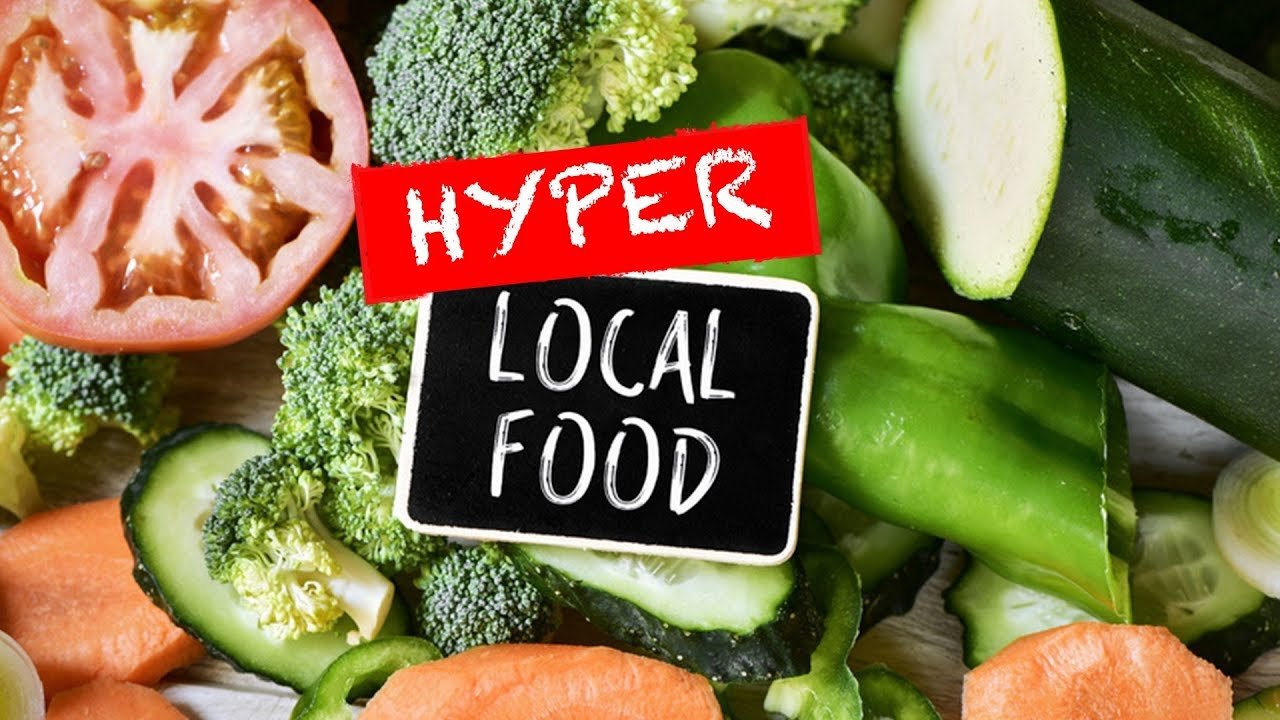
The Untapped Power of Eating Where You Live
Forget farm-to-table. We’re talking about eating from next door. Hyper-local food sourcing isn’t just a trend; it’s a revolution that’s fundamentally changing how we think about our plates, our communities, and our planet.
Think about it: instead of produce traveling hundreds, even thousands, of miles, it’s zipping from a garden just down the street. Sounds pretty darn good, right? This isn’t some niche concept for granola-crunching hipsters anymore.
This is about real flavor and real connection to the food we consume every single day.

Source : supermarketnews.com
Why This Matters Now More Than Ever
Let’s be honest, the global food system is a mess. We’ve been conditioned to expect strawberries in December and avocados year-round, no matter the cost to the environment or the taste. That whole system?
It’s got cracks, big ones. We’ve seen supply chain nightmares firsthand. We’ve tasted the blandness of food picked way too early and shipped forever.
But there’s a different way. A way that supports local growers, reduces carbon footprints to practically zero, and frankly, delivers a much better tasting meal. It’s about reclaiming our food and understanding where it actually comes from.
This whole movement feels less like a trend and more like a much-needed correction.
The Background: How We Got Here
For decades, the focus was on efficiency and scale. Globalization meant you could get anything, anytime, anywhere. It was convenient, sure, but at what cost?
We traded freshness for availability and local economies for massive distribution networks. This led to a disconnect. People stopped knowing their farmers, stopped understanding seasonality.
It was a gradual shift, but a significant one. Then, things like extreme weather events and, well, that global pandemic highlighted just how fragile our interconnected food system really is. Suddenly, that convenience seemed a lot less valuable compared to reliable access.
We started craving stability, and for many, that meant looking closer to home. People began realizing that a restaurant sourcing ingredients from a farm 10 miles away had a story to tell, a story that resonated far more than simply listing the country of origin. It’s a return to common sense, really.
We used to eat what was around us. That’s just how humans did it for millennia. This is simply bringing that back, but with a modern twist.
It’s not about going back in time, but about building a smarter future. You can see evidence of this growing interest in reports on hyperlocal sourcing trends.
What Exactly IS Hyper-Local Food?
Okay, so we’ve established it’s important. But what does ‘hyper-local’ actually mean? It’s more than just ‘local’.
Local can still mean a few hundred miles. Hyper-local? We’re talking about food grown, raised, or produced within your immediate vicinity.
We’re talking walking distance, a short bike ride, or a quick drive across town. Think urban farms, rooftop gardens, community-supported agriculture (CSA) programs within your city limits, or even a small farm stand just outside the suburbs. It’s about minimizing the miles from soil to plate.
This isn’t just about the origin, it’s about the freshness. Imagine getting tomatoes picked that morning, not last week. That’s the difference.
Some chefs are taking this to the extreme, defining their ‘local’ radius in a few miles or even within their own neighborhood. It’s a powerful commitment to community and sustainability.
Breaking Down the Benefits: Why Go Hyper-Local?
You might be thinking, “Okay, I get it, but what’s in it for me?” Great question! The benefits are huge, and they ripple outwards. Forget generic.
This is about unbeatable freshness. Food that hasn’t spent days on a truck tastes better, period. Nutrients are higher.
Flavors are brighter. Think about the difference between a supermarket apple and one you just picked from a local orchard. It’s night and day.
Plus, you’re directly supporting your neighbors. That money stays in your community, helping local farmers and businesses thrive. It’s a win-win for everyone.
And let’s not forget the planet. Less transportation means a smaller carbon footprint. Fewer pesticides and herbicides are often used when dealing with smaller, more transparent operations.
It’s a healthier choice for you and the earth. As explored in a recent article, this hyperlocal approach is fast becoming a new menu sourcing trend.
The “Eat Your Neighborhood” Movement
This isn’t just a culinary concept; it’s a community-building one. Eating hyper-locally means connecting with the people who grow your food. You might know the farmer by name, understand their practices, and feel a genuine stake in their success.
It’s about fostering relationships. That connection translates into a deeper appreciation for what’s on your plate. Think of it like this: instead of just buying groceries, you’re participating in your local food ecosystem.
This movement champions local resilience and food security. It’s about building systems that can withstand disruptions, relying less on distant, fragile supply chains. It’s a tangible way to strengthen community bonds.
Taste the Difference: Ingredients You Can Trust
When you buy hyper-local, you’re often getting ingredients that are in season and at their peak. This isn’t about year-round availability; it’s about celebrating what nature provides right now. That means vibrant, flavorful produce picked at its prime.
It means understanding the rhythm of the seasons and enjoying foods when they’re naturally at their best. Forget flavorless tomatoes in January. Think juicy heirlooms in August.
This focus on seasonal eating also encourages variety in our diets, preventing boredom and ensuring we get a wider range of nutrients. It’s about rediscovering the joy of truly fresh, honest food.
How to Start a Hydroponic Garden in Your Kitchen

Source : tchorticulture.com
Hydroponic System Basics for Beginners
So, you wanna grow some fresh greens right in your kitchen? Awesome. Hydroponics is way simpler than it sounds.
Forget dirt, this is all about nutrient-rich water. You can actually grow lettuce or herbs with just a few supplies. Think about a simple Deep Water Culture (DWC) setup.
It’s basically a tub, some net pots, and a little air pump to keep the roots happy. Easy peasy. You just need a spot that gets decent light – a sunny windowsill or even a cheap LED grow light will do the trick.
It’s a small commitment for a big payoff in fresh flavors. Plus, no more wilted produce from the grocery store days later.
Choosing the Right Hydroponic Nutrients
This is where the magic happens. Your plants aren’t getting stuff from soil, so you gotta feed ’em right. You’ll typically find two-part nutrient solutions.
One part has the ‘macros’ like nitrogen, phosphorus, and potassium – the heavy hitters. The other part has the ‘micros’ – the trace elements plants crave. You just mix ’em according to the directions for your specific plant and water.
Don’t wing it here; getting the balance wrong can mess things up faster than you can say “root rot.” Always check your pH too, usually between 5.5 and 6.5. A cheap pH meter is your best friend.
Best Edibles for Small-Scale Hydroponics
What should you actually grow? Keep it simple at first. Leafy greens like spinach, kale, and romaine lettuce are total champs in hydroponics.
They grow fast and don’t need a ton of space. Herbs are another no-brainer. Basil, mint, cilantro, parsley – they thrive and smell amazing.
You could even try a compact variety of tomato or pepper if you’ve got a bit more space and light. Avoid root vegetables like carrots or potatoes; they’re just not suited for these systems. Stick with what’s easy and rewarding.
Community Supported Agriculture CSA Box Benefits
Source : mcohio.org
What Exactly is a CSA Box?
Imagine getting a box of super-fresh, seasonal produce delivered right to your doorstep every week. That’s the gist of a Community Supported Agriculture (CSA) box. You pay a farm upfront for a “share” of their harvest.
In return, you get a weekly bounty of whatever they’re growing. It’s a direct connection to where your food comes from. No middleman, just you and the farmer.
You’re basically investing in the farm’s season. It builds a real relationship, you know?
Joining a CSA: What to Expect
Okay, so you sign up. Usually, you pay for the whole season, sometimes in installments. The box contents change weekly based on what’s ripe.
One week you might get a ton of tomatoes and zucchini; the next, it could be sweet potatoes and winter squash. You’ll likely get a newsletter with recipes and updates from the farm. Some CSAs let you pick your pickup location or even customize your box a little.
It’s a gamble sometimes, but honestly, that’s part of the fun. It forces you to cook with what’s in season, which is usually tastier anyway.
CSA Perks: Beyond Just Veggies
The obvious perk? Incredibly fresh food. Seriously, the difference is night and day.
But it’s more than that. You’re supporting local farmers and their families. You’re helping keep farmland from being developed.
Plus, it’s a great way to eat healthier and more adventurously. You’ll discover new vegetables you might never have picked up at the store. It’s an educational experience too, learning about the growing seasons in your area.
You can even find CSAs that offer eggs, meat, or flowers!
Urban Foraging A Beginner’s Guide to Safe Harvesting
Source : amazon.com
Is Urban Foraging Safe? Let’s Talk Realities.
Foraging in the city? It sounds wild, right?
And yeah, there are definitely risks. You gotta be 100% sure about what you’re picking. That pretty berry might look delicious, but it could also make you seriously sick.
Plus, city parks and green spaces can be sprayed with pesticides or treated with chemicals. So, safety is your absolute top priority. Never eat anything unless you’re completely certain of its identification.
If you have even a shred of doubt, leave it be. Seriously, it’s not worth the risk. You also need to know the local rules about foraging on public land.
Identifying Common Edible Urban Plants
Think dandelions, plantain (the weed, not the banana!), wild violets, and even some types of mushrooms (though mushrooms are super tricky for beginners). Certain berries, like mulberries or serviceberries, are often found in urban areas. Even chickweed is edible and grows everywhere.
The key is education. Get a good field guide specific to your region. Better yet, find an experienced local forager or join a guided walk.
They can show you the look-alikes and teach you the subtle differences. It’s like learning a new language, but for plants.
Ethical Foraging Practices in the City
Okay, so you found something edible. Now what? Don’t be greedy.
Harvest responsibly. Only take what you need, and never take the whole plant. Leave plenty for wildlife and for the plant to reproduce.
Avoid harvesting from busy roadsides where pollution is heavy, or from areas that might be contaminated. Think about your impact. Are you trampling delicate vegetation?
Are you picking from a private yard without permission? Ethical foraging is about respecting nature, even in concrete jungles.
The Impact of Rooftop Farming in Major Cities

Source : frontiersin.org
Rooftops: The New Farmland Frontier
Who would have thought skyscrapers could become farms? But they are. Rooftop farming is transforming urban landscapes.
Imagine fresh produce grown right above the restaurants and markets that sell it. It drastically cuts down on transportation emissions – no more long-haul trucks burning fuel. It’s a super efficient use of often-dead space.
Think about it: acres of unused flat roofs suddenly become productive agricultural land. It’s pretty revolutionary when you consider the food miles saved.
Benefits for Urban Environments
It’s not just about the food. These green roofs help cool buildings down in the summer, reducing energy costs. They absorb rainwater, lessening the strain on city drainage systems.
They provide habitats for pollinators like bees and butterflies, which are crucial for urban ecosystems. Plus, they make cities look a whole lot nicer! A sea of concrete can be pretty bleak; a vibrant green roof is a welcome sight.
It’s a win-win for the environment and the aesthetic of the city.
Challenges and Future of City Rooftops
Of course, it’s not all sunshine and strawberries. Structural integrity is a big one – can the roof actually support the weight of soil, water, and crops? Then there’s access, water supply, and the initial setup costs.
But technology is catching up. Lightweight growing mediums, efficient irrigation systems, and advanced hydroponic or aquaponic setups are making it more feasible. The future is bright for urban agriculture, and rooftops are leading the charge.
It’s about creating more resilient and sustainable cities from the ground up—or, rather, from the top down.
Preserving and Canning Seasonal Harvests at Home

Source : thecottagepeach.com
Why Preserve Your Harvest? Beat Food Waste!
You got a killer deal on berries at the farmer’s market. Or maybe your garden exploded with zucchini.
What now? Don’t let it go to waste! Preserving is your superpower.
It means you can enjoy those summer flavors all winter long. Think jams, pickles, sauces, and frozen goodies. Canning, freezing, dehydrating – these are ancient techniques that are still incredibly useful.
Plus, homemade preserves taste infinitely better than most store-bought stuff. You control the ingredients, ditching the excess sugar and weird chemicals.
Canning Basics: Jars, Heat, and Prevention
Canning is basically cooking food in a sealed jar using heat to kill off spoilage organisms and create a vacuum seal. You’ve got two main methods: water bath canning and pressure canning. Water bath is for high-acid foods like fruits and pickles.
Pressure canning is a must for low-acid foods like vegetables and meats; it reaches higher temperatures needed for safety. You need proper canning jars (not just any old jam jar!), new lids, and a rack. Following tested recipes from reliable sources like the National Center for Home Food Preservation is crucial.
No improvising on safety! You can find tons of resources on safe canning practices online.
Freezing and Dehydrating: Simpler Alternatives
Not ready to commit to canning? Freezing is super easy. Blanch vegetables briefly, cool them, pack them in freezer bags, and boom.
Fruit often just needs to be washed and frozen on a tray before bagging. Dehydrating is another great option, especially for herbs, fruits, and jerky. You can use a dehydrator or even your oven on its lowest setting.
Dried tomatoes? Amazing. Apple chips?
Delicious. It concentrates the flavor like nothing else. Just make sure everything is completely dry before storing to prevent mold.
| Produce Type | Best Preservation Method(s) | Key Considerations | Typical Storage Life |
|---|---|---|---|
| Berries | Freezing, Jam/Jelly Canning | Freeze on trays first for loose berries. Use pectin for jams. | Freezing: 6-12 months. Canning: 1-2 years. |
| Tomatoes | Canning (whole, diced, sauce), Freezing, Dehydrating | Water bath for acidic products.
Pressure can low-acid items. |
Canning: 1-2 years. Freezing: 8-12 months. |
| Leafy Greens (Spinach, Kale) | Freezing (blanched) | Blanching prevents enzyme action that degrades quality. | Freezing: 6-10 months. |
| Root Vegetables (Carrots, Potatoes) | Canning (pressure), Freezing, Root Cellaring | Pressure canning is essential for safety. Cool, dark storage for root cellaring. | Canning: 1-2 years.
Freezing: 10-12 months. |
| Herbs | Dehydrating, Freezing (in oil/water) | Dry heat or low oven temp for dehydrating. Ice cube trays work well for freezing. | Dehydrated: 6-12 months. Frozen: 4-6 months. |
No matter what you grow or buy locally, knowing how to preserve the bounty means you can enjoy it for longer. It’s about making that hyper-local goodness last. Don’t let good food go to waste. Check out resources like local food guides to find what’s in season near you.
Frequently Asked Questions
-
What is hyper local food?
So, hyper-local food is basically food grown and sold within a ridiculously small radius. Think a few miles, max. We’re talking about food that travels less distance than your morning commute.
It’s all about coecting directly with the farmers or producers right in your neighborhood. You get the freshest stuff possible, and you know exactly where it came from. It really cuts down on the carbon footprint, too.
You’re supporting your actual neighbors and getting food that’s probably picked that morning. It’s truly fresh.
-
What is the difference between hyperlocal and local?
Great question! ‘Local’ can be kinda fuzzy. It might mean within your state, or maybe a 100-mile radius. Hyperlocal is way more specific.
We’re talking about your immediate community, like within 5-10 miles, sometimes even less. It’s the difference between your county fair and the farmers’ market down the street. Hyperlocal means the farm is literally just around the corner.
So, it’s ‘local’ on steroids, basically. Closer proximity is the main thing.
-
What are the hyperlocal brands?
That’s a bit tricky because ‘hyperlocal’ isn’t really a brand category itself. It’s more of a sourcing philosophy. You’ll find small, independent farms, community-supported agriculture (CSA) programs, and even urban farms or rooftop gardens acting hyper-locally.
Some restaurants are big on this, too – they’ll source ingredients from farms they can literally see from their kitchen window. Look for farm stands and small grocers that emphasize neighborhood sourcing. Think smaller scale, super direct relationships.
-
What does local food sourcing involve?
Local food sourcing is about building relationships directly with food producers in your geographic area. It means ditching the giant distributors and going straight to the source. You’re talking to farmers, fishermen, bakers, cheesemakers – whoever is making great food nearby.
It involves more plaing, sure, but you get amazing quality and transparency. You can ask about their farming practices, visit the farm, and really understand your food. It’s a direct coection that’s hard to beat.
-
How can I find hyper-local food in my city?
Finding truly hyper-local food takes a little digging, but it’s totally doable! Start with your local farmers’ markets – ask the vendors where they’re located. Many smaller towns have roadside stands or farm shops that are super convenient.
Also, look into Community Supported Agriculture (CSA) programs; some have drop-off points right in your neighborhood. Online platforms and apps are popping up that coect consumers directly with nearby farms, too. Don’t be afraid to ask restaurant owners or chefs where they get their produce – they’re often happy to share their local partners.