The Used EV Market: Your Roadmap to Scoring a Great Ride
Alright, let’s cut to the chase. You’re thinking about buying a used electric vehicle. Smart move. It’s like getting a piece of the future without paying full sticker price. But here’s the kicker: it’s not quite as simple as grabbing a used gas guzzler. You gotta know what you’re looking for. Forget what you might have heard; this isn’t rocket science, but you DO need a game plan. This guide? It’s your secret weapon to navigating the used EV market and snagging a sweet deal.
Source : canarymedia.com
Why Go Used EV? The Upside is Real
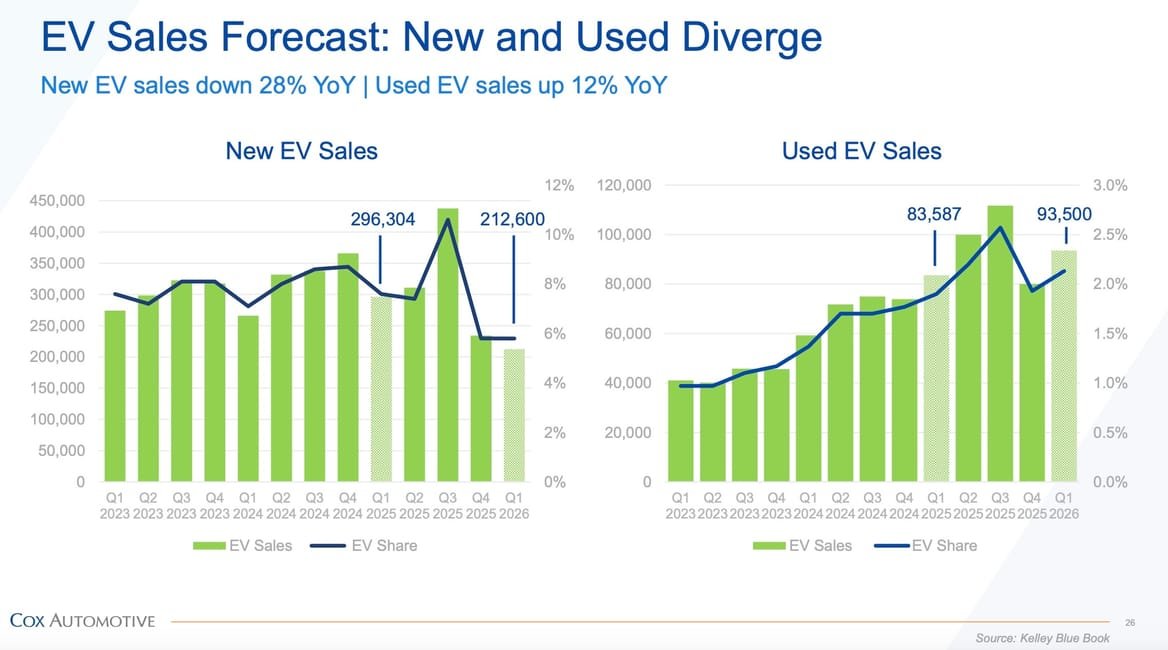
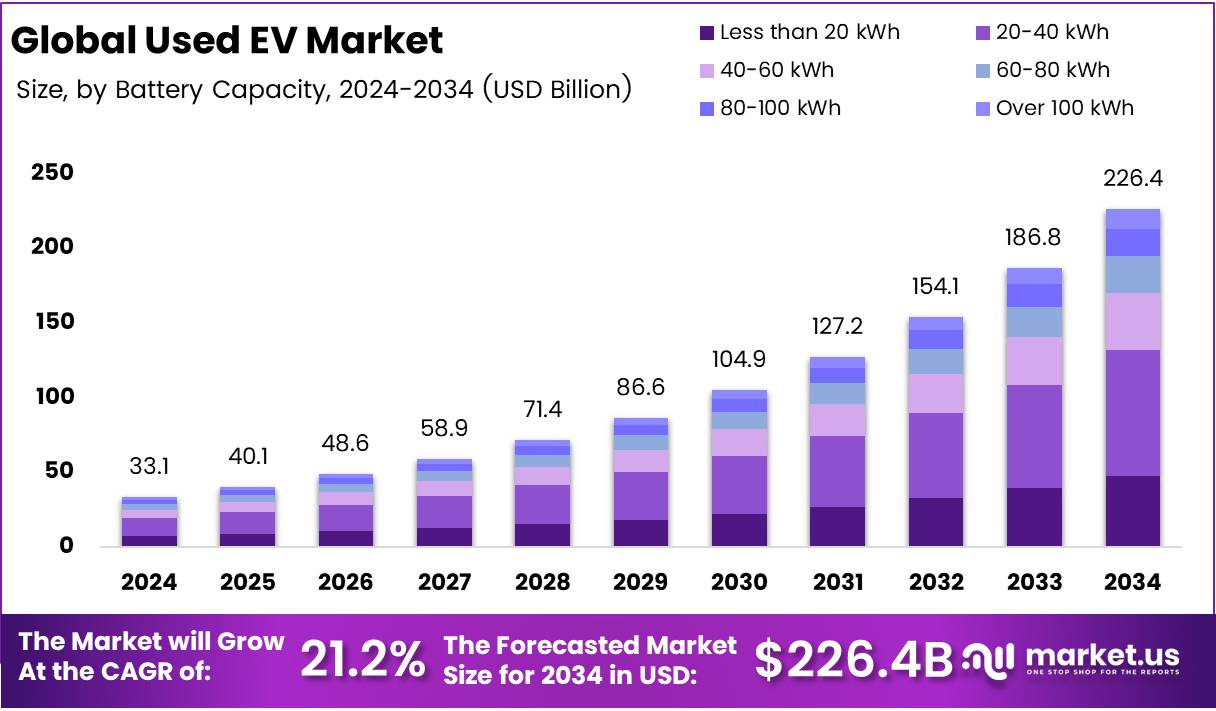
Let’s be honest, new EVs are cool, but they can cost a fortune. Buying used? That’s where the real savings kick in. You sidestep that brutal initial depreciation hit. Think about it: that shiny new Tesla loses thousands in value the second you drive it off the lot. You? You get a car that’s already taken that plunge. Plus, you’re still doing the planet a solid. Less manufacturing, less waste. It’s a win-win. This whole electric car market is getting bigger by the day, and used options are popping up everywhere.
Battery Health: The Elephant in the Room
This is the big one. The EV battery. It’s the heart of the car, and it’s the most expensive component. You need to know its condition. Most EVs have batteries that are warrantied for 8-10 years or 100,000 miles, so check that out. But even before then, battery degradation happens. It’s natural. You’re looking for a car that still has a decent battery range. Ask for a battery health report if you can. Some dealers might have them, or you might need a third-party service. Don’t just take their word for it. A quick search might even reveal if the specific model you’re looking at has known battery issues. It’s a bit of detective work, sure, but it’ll save you a world of pain later.
Battery Degradation: What’s Normal?
So, what’s considered normal degradation? For most EVs, losing around 10-20% of original capacity after 100,000 miles is pretty typical. More than that, and you might want to start asking questions. Think of it like your phone battery; it doesn’t hold a charge forever. You want to find a used electric car that hasn’t gone through its charge cycle too aggressively. It’s all about managing expectations and doing your homework on what the manufacturer says and what real-world owners experience.
Checking the Battery Health Report
Source : market.us
This report is gold. It usually shows the battery’s current state of health (SOH) and its state of charge (SOC). You want to see a high SOH percentage. The exact numbers vary by manufacturer, but generally, anything below 70% might start impacting your driving experience noticeably. Some manufacturers, like Tesla, make this information easily accessible through the car’s software or their app. Others? You might need to visit a dealership or a specialist. It’s worth the effort for peace of mind.
Range Anxiety? Not Anymore (If You’re Smart)
Okay, ‘range anxiety‘ is a thing, but it’s often overblown, especially with newer EVs. Still, when buying used, you need to be realistic about the actual range. That advertised range is usually under ideal conditions. Real-world driving – think highway speeds, cold weather, hills, using the AC – will cut into that. Look at reviews from people who drive the specific model you’re considering. How does it perform in winter? What kind of range are they getting on road trips? Make sure the car’s remaining range meets your daily commute and occasional longer trips. Don’t buy a car that barely meets your needs when new; its reduced range as a used car will be a problem.
Real-World Range vs. EPA Estimates
The EPA estimate is a benchmark, a starting point. But it’s often optimistic. Some EVs might lose 30% or more of their range in cold weather. Others might struggle to hit their advertised highway range. Sites like Car and Driver often do extensive real-world testing. Look for owner forums and communities too. They’re treasure troves of honest, unfiltered opinions about how a car actually performs day-to-day. This kind of info is crucial for making an informed decision.
Factors Affecting Range
Several things chip away at your range. Speed is a big one; the faster you go, the more energy you use. Cold weather is another culprit – the battery chemistry isn’t as efficient, and you’re likely using the heater more. Hills require more power. And, of course, your infotainment system, AC, or even just a heavy foot on the accelerator. A used EV will likely have slightly less range than it did when new, so factor that in. Understanding these variables helps you set realistic expectations.
Charging: The Nitty-Gritty Details
How did the previous owner charge the car? Were they primarily using fast chargers, which can degrade batteries faster over time, or were they mostly doing slower Level 1 or Level 2 charging at home? This matters. Also, what kind of charging setup does the car come with? Does it include the necessary cables? Check the charging port for any damage. Most EVs will come with a Level 1 charger (plugs into a regular wall outlet) and maybe a Level 2 adapter. If you plan on charging at home, you’ll probably want to install a dedicated Level 2 charger, which adds cost but drastically cuts down charging time. This is a key part of EV ownership.
Home Charging vs. Public Charging
Home charging is king. It’s convenient and usually cheaper per kWh than public charging. Most people charge overnight and wake up to a ‘full’ battery. Public charging, especially DC fast charging, is great for road trips but can be harder on the battery if used exclusively. When buying, find out what the previous owner’s habits were. If they only used fast chargers, it might indicate higher battery wear. Always inspect the charging port for any bent pins or debris.
Charging Speed and Coectors
EVs use different charging standards. The most common in North America are J1772 for Level 1 and Level 2 charging, and CCS or NACS (Tesla’s standard, now widely adopted) for DC fast charging. Make sure the car you’re looking at has the coector type you need and that you understand the charging speeds associated with it. A car with a slower onboard charger will take longer to charge even on a Level 2 station. This is a detail often overlooked but crucial for convenient EV use.

Source : autotech-buzz.com
Vehicle History and Maintenance Records
Just like any used car, a vehicle history report (like CarFax or AutoCheck) is essential. Look for accidents, flood damage, or major repairs. But with EVs, maintenance records are even more critical. Were they following the manufacturer’s recommended service schedule? EVs require less maintenance than gas cars (no oil changes!), but they still need checks on brakes, tires, suspension, and, of course, the battery cooling system. Missing service could point to neglect. Ask the seller if they have any service history.
Accident History and Title Issues
A clean title is non-negotiable. Salvage, rebuilt, or flood titles are massive red flags. These cars have been through something serious and may have hidden problems. Accident history is also important. Minor fender-benders are one thing, but major structural damage could compromise the car’s safety and longevity. A vehicle history report can flag these, but always do your own visual inspection too.
EV-Specific Maintenance
While EVs don’t need oil changes, they do have specific maintenance needs. This includes checking the coolant for the battery thermal management system, inspecting brake fluid, rotating tires (EVs are often heavier and can wear tires faster), and checking suspension components. Software updates are also crucial for performance and battery management. A well-maintained EV will have records showing these items were addressed. It shows the owner cared about the long-term health of the vehicle.
Test Drive: Beyond the Basics
You absolutely must test drive the car. Don’t just drive around the block. Take it on the highway, try accelerating, braking, and cornering. Listen for any strange noises. How does the regenerative braking feel? Does it feel smooth or jerky? Check all the electronics – the infotainment system, AC, heating, windows, wipers. Make sure everything works as it should. Pay attention to the driving experience. Does it feel solid? Are there any weird vibrations?
Regenerative Braking Feel
Regenerative braking is where the car uses its motor to slow down, sending energy back to the battery. It’s a key part of EV driving. Does it feel natural, or is it overly aggressive, making passengers feel like they’re constantly being thrown forward? Some cars allow you to adjust the level of regen. Test it out. A smooth, predictable regen experience is part of what makes EVs enjoyable to drive. Test drive thoroughly is key.
Electronics and Infotainment
Modern EVs are packed with tech. From the large touchscreens to driver-assist features, make sure it all works. Test the navigation, Bluetooth, climate control, and any advanced features like adaptive cruise control or lane keeping assist. Software glitches can be aoying and sometimes expensive to fix. Ensure the infotainment system is responsive and doesn’t freeze or crash. This is where you can catch many potential issues with the car’s tech.
Charging Infrastructure: Is It Right For You?
Before you buy, honestly assess your charging situation. Do you have a garage or driveway where you can install a Level 2 charger? If you live in an apartment or condo, what are the charging options? Are there public chargers nearby? Relying solely on public charging can be inconvenient and costly. The availability and reliability of charging stations in your area are crucial. Recharged has some great insights on this. Think about your longest typical trips too. Can you comfortably make them without constant worry? This is about plaing for daily EV convenience.

Source : cnbc.com
Home Charging Installation
Installing a Level 2 home charger typically costs between $500 and $1500, depending on your electrical setup and the charger itself. It’s a significant upfront cost, but it pays off in convenience and charging speed. Check if there are any local or federal tax credits available for installing EV charging equipment. This can help offset the initial investment. Consider the amperage needed; most home chargers are 30-40 amps, but some might require a higher capacity circuit. Home charging setup is vital.
Public Charging Networks
Familiarize yourself with the major public charging networks in your area and along your frequent routes. Companies like Electrify America, ChargePoint, and EVgo have apps that show charger locations, availability, and pricing. Some older EVs might use CHAdeMO coectors, which are becoming less common than CCS or NACS. Understanding the charging network landscape will prevent surprises on the road.
Specific Models to Consider (and What to Watch For)
Different EVs have different strengths and weaknesses. For example:
- Tesla Model 3/Y: Great tech, good performance, vast Supercharger network. Watch out for potential build quality issues and screen-only controls. Battery health is generally good, but check for signs of heavy use.
- Chevrolet Bolt EV/EUV: Affordable, good range for its price point. Known for some past battery recall issues (though largely resolved), so verify any necessary fixes were done. A solid budget EV choice.
- Nissan Leaf: One of the earliest EVs, often cheaper. Early models have less range and can have battery degradation issues in warmer climates due to passive cooling. Later models are better. Look for the larger battery option.
- Hyundai Kona Electric/Kia Niro EV: Excellent value, great range, and good tech. Check for any recalls or specific battery complaints for the model year you’re looking at. Good value for money.
Always research the specific model year you’re interested in. Online reviews and forums are invaluable for uncovering model-specific quirks and known problems. It’s about finding the right used EV for your needs and budget.
The Price: Haggling and What’s Fair
Used EV prices can be tricky. They’re influenced by battery health, mileage, trim level, and current market demand. Use online valuation tools (like Kelley Blue Book or Edmunds) as a starting point, but remember they might not fully account for battery degradation. Compare prices for similar vehicles in your area. Be prepared to negotiate. If you find issues during your inspection or test drive, use them as leverage for a lower price. Don’t be afraid to walk away if the deal doesn’t feel right. Finding a fair price is key.
Market Value Research
Check multiple sources. Websites like Recurrent Auto offer insights into used EV market trends and pricing, often with a focus on battery health data. See what similar cars are listed for on dealership sites and private listings. Factor in mileage, condition, and the specific features or trim level. The used car market can fluctuate, so stay informed.
Negotiating Based on Condition
Source : canarymedia.com
If the battery health is lower than average, or if the car needs new tires soon, or if there are minor cosmetic flaws, these are all valid points for negotiation. Have a repair estimate ready if you identify necessary work. A seller might be more willing to come down on price if you present a well-reasoned case based on the car’s condition and potential upcoming costs. Negotiate smartly.
The Final Inspection: Don’t Skip This Step!
Before you sign anything, get a pre-purchase inspection (PPI) from an independent mechanic who specializes in EVs. Seriously. This is non-negotiable. They can spot issues you might miss, particularly with the battery, electrical systems, and suspension. It costs a couple hundred bucks, but it can save you thousands. Think of it as your final quality check. This professional assessment is your best defense against buying a lemon and ensures you’re getting a reliable used EV.
Pre-Purchase Inspection (PPI) for EVs
Make sure the mechanic you choose has specific experience with electric vehicles. They’ll know what to look for – specific battery diagnostic tools, inverter health, charging system checks, and common EV-specific failure points. A standard mechanic might not have the right equipment or knowledge. This is your last line of defense before handing over your hard-earned cash for a high-quality used car.
What to Look for During Your Own Inspection
Even before the PPI, do your own thorough check. Look for panel gaps, rust (especially around wheel wells and door bottoms), tire wear (uneven wear can indicate alignment issues), interior damage (stains, rips, worn seats), and check the condition of the charging cables. Test all the buttons, screens, and functions. Give the car a good wash and wax – if a seller has taken care of the cosmetics, they might have taken care of the mechanics too. It’s about looking for potential problems.
Conclusion: Drive Off Happy!
Buying a used EV is a fantastic way to get into electric driving without breaking the bank. It just takes a little extra homework. Focus on battery health, understand the real-world range, check charging options, get a solid inspection, and do your research on specific models. You’re not just buying a car; you’re buying into a cleaner future. Do it right, and you’ll be zipping around town with a smile on your face and money still in your pocket. Happy hunting for your dream electric car!
Frequently Asked Questions
-
How do I check the battery health on a used EV?
You’ll want to get a battery health report, if possible. This usually shows the State of Health (SOH). Many EVs have batteries warranted for 8-10 years, so check that too. Some manufacturers make this info accessible via the car’s screen or an app, while others might require a dealership visit. Don’t skip this step for used EV battery check.
-
What's considered a good range for a used electric car?
It really depends on your needs, but aim for a car that still has a decent percentage of its original range. Real-world range is often less than advertised, especially in cold weather or at highway speeds. Research the specific model year and look for owner reviews detailing their actual experiences. Ensure it covers your daily commute with some buffer for reliable daily driving.
-
Is it safe to buy a used EV with a salvage title?
Absolutely not. A salvage title means the car has been declared a total loss by an insurance company due to significant damage (accident, flood, etc.). While some might be repaired, they often have hidden, long-term issues and can be difficult or impossible to insure or resell. Stick to cars with clean vehicle titles.
-
How important is a pre-purchase inspection (PPI) for a used EV?
It’s critical! Find an independent mechanic who specializes in EVs. They can diagnose potential battery issues, check the charging system, and spot problems a regular mechanic might miss. It might cost a few hundred dollars, but it’s a small price to pay for the peace of mind and potential savings on costly repairs. It’s your final inspection step.
-
What are the main differences between buying a used EV and a used gas car?
The biggest difference is the EV battery. You need to check its health and remaining range, which isn’t a factor with gas cars. Also, charging infrastructure and home charging setup are key considerations for EVs, unlike fueling a gas car. Maintenance is generally simpler on EVs (fewer moving parts), but specialized knowledge is needed for inspections. You’re buying into a different ownership experience.