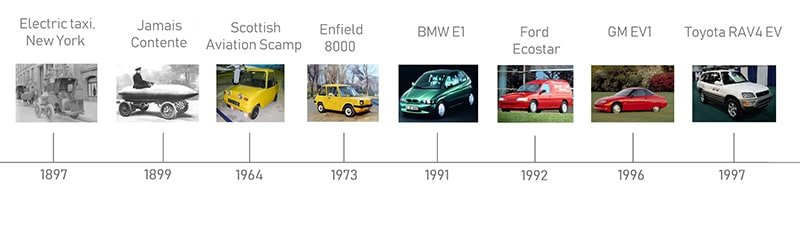
The Electric Vehicle Revolution: From Curious Contraptions to Road Dominance
Forget everything you think you know about EVs. This isn’t some new, shiny trend. Electric cars? They’ve been around way longer than you probably imagine. We’re talking about a history so rich, so full of unexpected twists and turns, it’s frankly wild. People think the Tesla era kicked off the EV craze, but that’s like saying the Wright brothers invented flight with the 747. Nope. The real story? It’s way more fascinating. It’s about pioneers, dead ends, and a comeback so dramatic it’s practically Hollywood material. So, buckle up, because we’re digging into the true evolution of the electric vehicle. It’s a ride you won’t want to miss.
Source : fullycharged.show
A Blast from the Past: Early Electric Adventures
Seriously, electric cars were actually a thing way back in the late 1800s and early 1900s. Picture this: horse-drawn carriages were still the norm, but this newfangled electric buggy was zipping around. They were quiet, easy to start (no cranking a gasoline engine!), and didn’t smell like a livery stable. For a while, they were even more popular than gas cars. Imagine that! Cities had charging stations, and folks would race them. It sounds crazy now, but the early electric pioneers were onto something. You can read more about this wild time at the U.S. Department of Energy.
So, what happened? Why did the gas guzzler win? A few big reasons. Henry Ford’s Model T, man. That car was cheap, it was reliable, and Ford figured out how to make them in massive numbers. Plus, they found oil everywhere, making gas dirt cheap. Then, they built roads everywhere, connecting the country. Electric cars? They kinda faded into the background. It was a tough beat. They were just too expensive and didn’t have the range most people needed for those long journeys. It was the beginning of the end for a while.
The Long, Quiet Wait: EVs on the Back Burner
For decades, electric cars were basically a punchline. You’d see them in sci-fi movies or maybe as a weird golf cart. Nobody took them seriously. The oil industry was booming, and cars running on gasoline became the default. They were powerful, fast, and the infrastructure to support them – gas stations on every corner – was already in place. It seemed like the future was fossil fuel, no question about it.
But there were always a few folks tinkering. Environmental concerns started bubbling up in the 70s and 80s. Smog was a real problem in cities, and people started asking, “Is there a better way?” Companies tried to revive the electric car. There were some electric versions of existing cars, but they were often slow, clunky, and had terrible battery life. Think a few dozen miles, max. Not exactly practical for your daily commute, let alone a road trip. It was frustrating. They had the right idea, but the technology just wasn’t there yet. You can get a good overview of this period from the Energy Saving Trust.
The Resurgence: Battery Breakthroughs and a Changing World
Then, things started to shift. Seriously shift. The biggest game-changer? Batteries. We needed better batteries. Batteries that could hold more juice, charge faster, and last longer. And guess what? Engineers and scientists delivered. Lithium-ion batteries, the same tech in your phone and laptop, started getting way better and cheaper. This was the real spark the EV needed.
Plus, the world started paying attention to climate change. Big time. Governments began pushing for cleaner transportation, offering incentives, and setting emissions standards. Suddenly, electric cars weren’t just a quirky niche; they were becoming a strategic necessity. Companies that had ignored EVs for years suddenly jumped back in, realizing they might miss the boat entirely if they didn’t.
The Listicle Era: Key Milestones in the EV Journey
Birth of the Modern EV
The late 90s saw a renewed interest, with cars like the GM EV1. It was a lease-only vehicle, and while advanced for its time, it ultimately met a controversial end. Still, it proved the concept was viable.
The Toyota Prius Paves the Way
While not fully electric, the Toyota Prius hybrid (launched in 1997) normalized electric powertrains for the masses. It showed people that combining gas and electric worked.
Lithium-Ion Takes the Wheel
The widespread adoption of lithium-ion battery technology in the early 2000s was critical. It offered better energy density and lower costs, making longer ranges possible.
Tesla Ignites the Market
Starting with the Roadster in 2008 and exploding with the Model S in 2012, Tesla completely changed the perception of EVs. They made them desirable, high-performance, and long-range.
Mainstream Adoption Begins
By the mid-2010s, other major automakers started rolling out their own EVs, responding to consumer demand and regulatory pressures. The market was finally taking off.
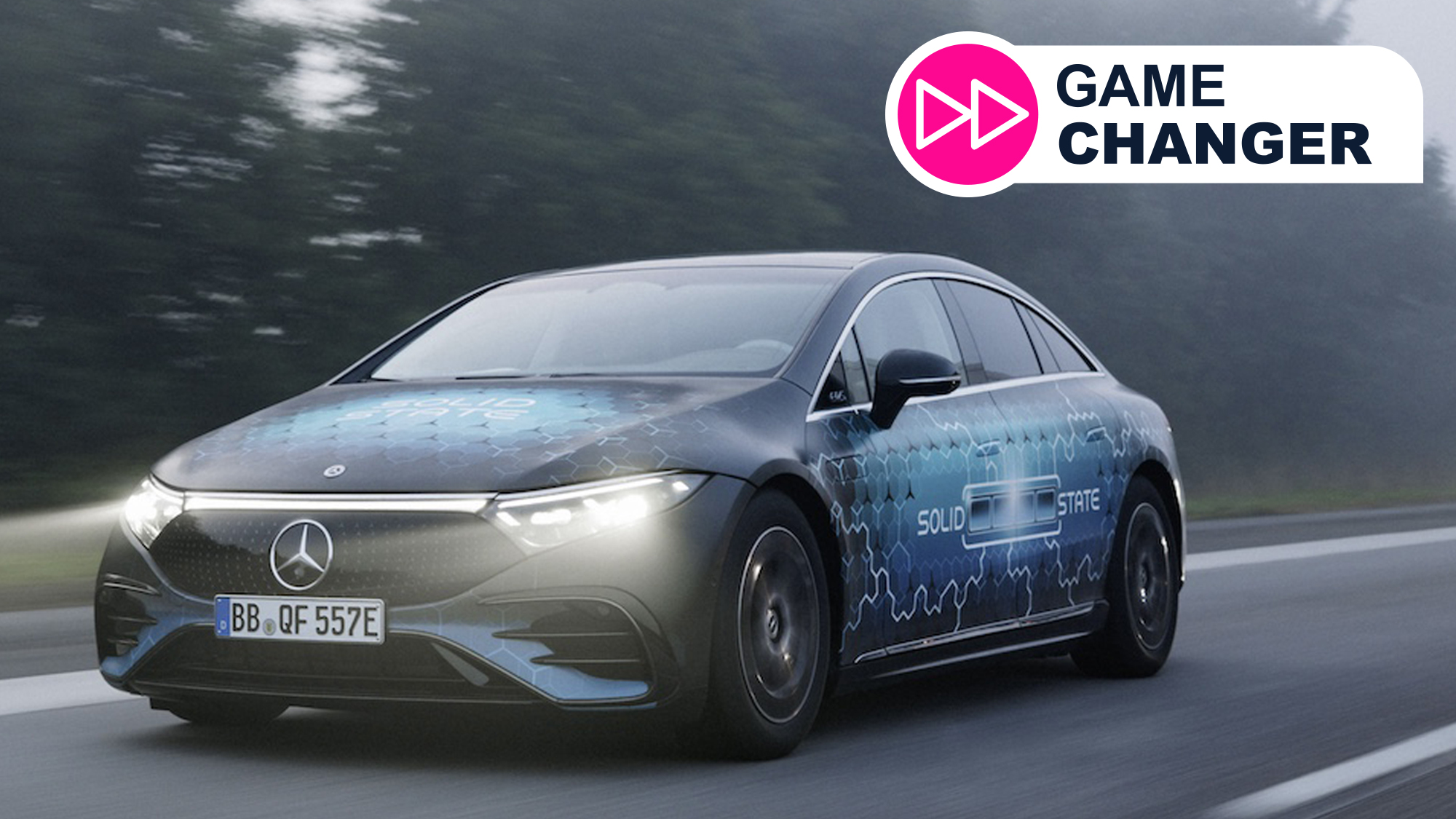
Solid-State Batteries The Tech Solving EV Range Anxiety
Source : techradar.com
Beyond Lithium-Ion
Look, we all know the biggest headache with EVs right now? Range anxiety. It’s that nagging voice in your head asking, “Will I make it to my destination, or will I be stranded?” Lithium-ion batteries have gotten us this far, which is pretty darn impressive, but they’re hitting their limits. They’re heavy, they can be temperamental in extreme weather, and frankly, they take too long to charge. We need something fundamentally better, and that’s where solid-state batteries come in. This isn’t just an upgrade; it’s a whole new ballgame for electric cars.
The Game-Changers: Faster Charging, More Power
So, what’s the big deal with these new batteries? Instead of the liquid electrolyte found in current lithium-ion tech, solid-state uses a solid material. Think of it like swapping a leaky faucet for a solid pipe. This makes them inherently safer – no risk of leaks or fires. But the real magic? They pack more energy into a smaller, lighter package. This means longer EV ranges that could easily compete with gasoline cars, and charging times slashed from hours to mere minutes. Imagine pulling into a charging station and being back on the road before your coffee even cools down. That’s the promise, and companies are pouring billions into making it a reality.
Challenges on the Road to Production
Now, it’s not all smooth sailing. Manufacturing these things at scale is a massive hurdle. We’re talking about entirely new production processes, specialized materials, and the cost, of course. Early versions are going to be expensive. Really expensive. But remember when flat-screen TVs cost more than a used car? Technology matures. The first EVs themselves were pricey novelties, after all. The historical trajectory of battery tech, as detailed in the long history of electric cars, shows us that innovation eventually drives down costs. Experts predict we’ll see solid-state EVs in limited production within the next few years, with wider adoption following soon after. It’s a matter of ‘when,’ not ‘if,’ for this revolutionary tech.
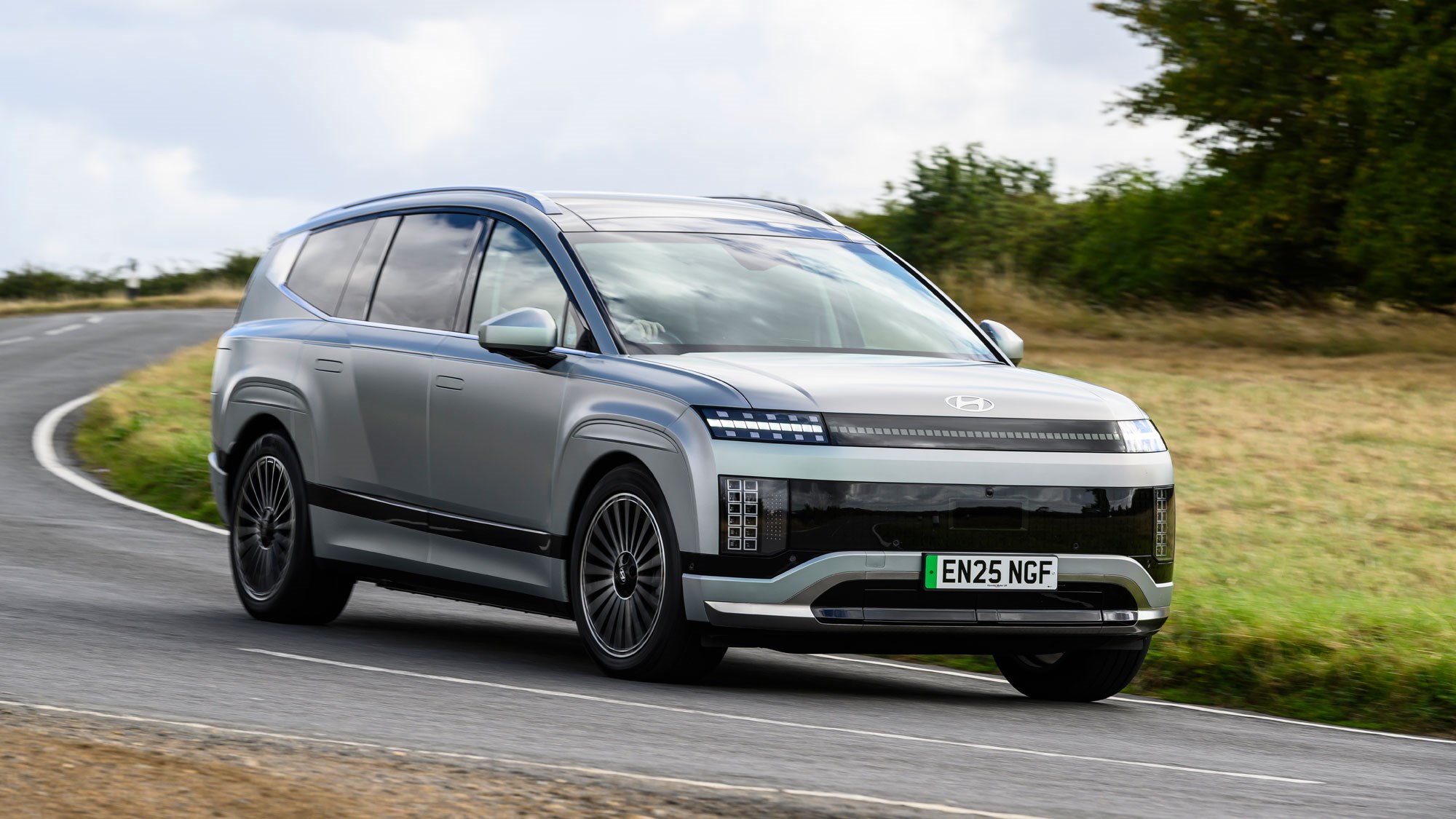
The Best Budget-Friendly EVs Hitting the Market in 2026
Source : carmagazine.co.uk
Affordable Electric is Finally Here
For years, the dream of owning an electric car was just that – a dream for most people. The price tag was simply too high. But guess what? The tide is turning. By 2026, the market is set to explode with affordable EVs that won’t break the bank. We’re talking about cars you could actually see yourself driving every day, not just a niche luxury item. This is huge for making electric transportation accessible to the masses. Get ready, because your next car might just be electric and surprisingly cheap.
Top Contenders for Your Wallet
So, which models should you keep an eye on? Expect to see some serious competition. Automakers are finally realizing that the middle class needs good EV options. We’re hearing whispers about redesigned versions of existing popular models, but with significantly lower starting prices. Think compact SUVs and sensible sedans. The key is going to be balancing features with cost. You won’t get a panoramic sunroof and self-driving capabilities on every budget model, but you will get decent range and reliable performance. Keep an eye on brands known for value; they’re the ones likely to nail the budget EV segment.
What “Budget-Friendly” Really Means
Let’s be real: “budget-friendly” in the EV world still means a certain investment. We’re likely looking at EVs starting in the mid-$20,000s, especially after potential tax credits. This is a massive drop from the $40k+ entry points we’ve seen for a while. These cars will probably focus on a core range of 200-250 miles, which is perfectly adequate for most daily commutes and errands. Forget the 400-mile marathoners for now; these are the practical, everyday electric cars designed for real people with real budgets. It’s about making the transition to electric accessible and practical.
Navigating the Used EV Market What to Look For

Source : autotech-buzz.com
Don’t Fear the Pre-Owned EV
Buying a used car can be nerve-wracking, and a used electric vehicle adds a whole new layer of questions. But honestly? The used EV market is becoming a fantastic place to score a great deal. EVs generally have fewer moving parts than gas cars, meaning less can go wrong. No oil changes, fewer brake replacements (thanks to regenerative braking), and a simpler powertrain. So, don’t shy away from pre-owned electrics; just go in with your eyes open. You can get a lot of car for your money if you know what to check.
Battery Health: The Big One
This is the numero uno concern: the battery. Just like your smartphone, an EV battery degrades over time and with use. Most EVs have robust battery management systems and warranties (often 8 years or 100,000 miles), but it’s crucial to know the battery’s current health. Look for a report on the battery’s State of Health (SoH), often accessible through the car’s diagnostics or a third-party app. A battery with 80% or more SoH is generally considered good. Also, consider the climate the car lived in. Extreme heat can accelerate degradation.
What Else to Scrutinize
Beyond the battery, it’s much like buying any used car. Check the charging port for damage. Ensure all software updates have been installed – these often include performance and battery improvements. Take it for a thorough test drive, paying attention to any unusual noises or warning lights. Was it regularly charged to 100%, or kept between 20-80% (which is better for battery longevity)? Ask for maintenance records, if available. A little due diligence goes a long way in securing a reliable used EV.
Used EV Price vs. New EV Price
Here’s a quick comparison to help you decide:
| Factor | New EV | Used EV (2-3 Years Old) |
|---|---|---|
| Initial Cost | Higher upfront investment, may qualify for new EV tax credits. | Significantly lower purchase price, potential for remaining battery warranty. |
| Battery Degradation | Minimal to none, full warranty coverage. | Some degradation present, but should be well within warranty limits for recent models. Crucial to check SoH. |
| Technology & Features | Latest tech, newest battery advancements, full feature set. | May lack the absolute newest features, but often still very modern and capable. |
| Depreciation | Will experience the steepest depreciation in the first few years. | Majority of steep depreciation has already occurred. |
| Availability | Can involve waiting lists for popular models. | Immediate availability, wider selection of trims and colors. |
As you can see, a used EV often offers a compelling blend of value and modern technology.
Solar-Powered Cars Gimmick or Future Reality?
Source : autovista24.autovistagroup.com
The Dream of Endless Sun Power
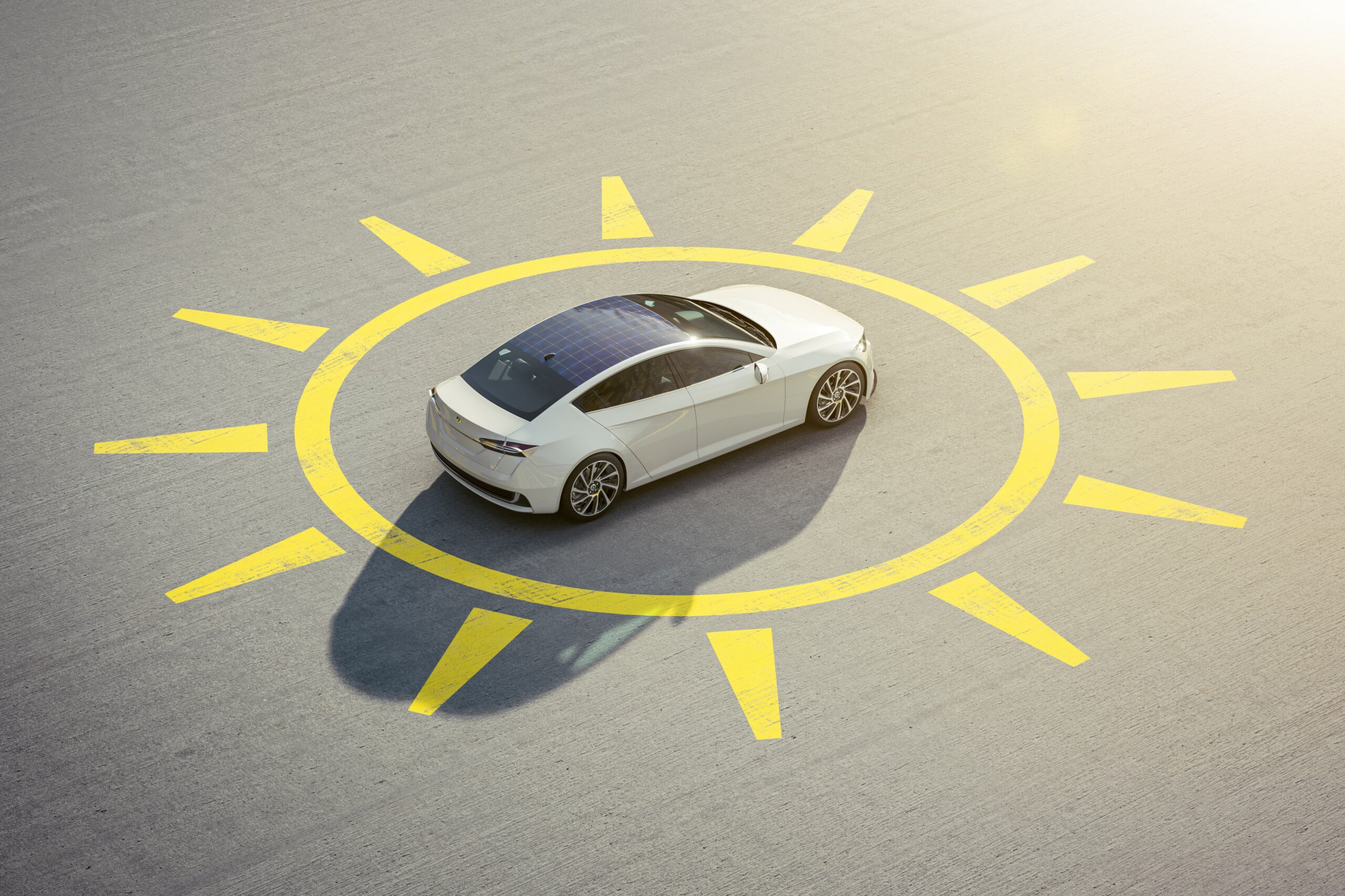
Who wouldn’t want a car that runs on sunshine? The idea of solar-powered cars is incredibly appealing – free, clean energy straight from the sky. Imagine never needing to plug in again! It sounds like pure science fiction, and for the most part, it still is. While we’re seeing some very clever integrations of solar panels onto vehicles, a car that solely runs on onboard solar power just isn’t feasible with current technology for everyday driving.
Where Solar Makes Sense (Sort Of)
The reality is, the surface area of a car is tiny compared to the energy needed to move it at highway speeds. You’d need an astronomical number of solar panels, or panels with efficiency levels we can’t even dream of yet, to make a meaningful impact. What is happening, and what’s more realistic, are cars that use solar panels to supplement their primary power source. Think of panels on the roof or hood helping to trickle-charge the main battery, or powering auxiliary systems like the air conditioning. This can add a few miles of range per day, which is a nice bonus, but it won’t eliminate the need to plug in.
The Future Might Be Brighter (and Parked)
The more promising application of solar in the EV ecosystem isn’t the car itself, but the infrastructure. Imagine your home solar panels charging your EV overnight, or public charging stations powered by large solar arrays. That’s where solar truly shines for electric vehicles. While a fully solar-powered car remains a distant dream, using solar to generate the electricity that powers our EVs? That’s happening right now and will only become more prevalent. It’s about smart energy, not just self-contained magic.
How AI is Optimizing City-Wide EV Charging Networks
Source : nature.com
The Charging Crunch is Real
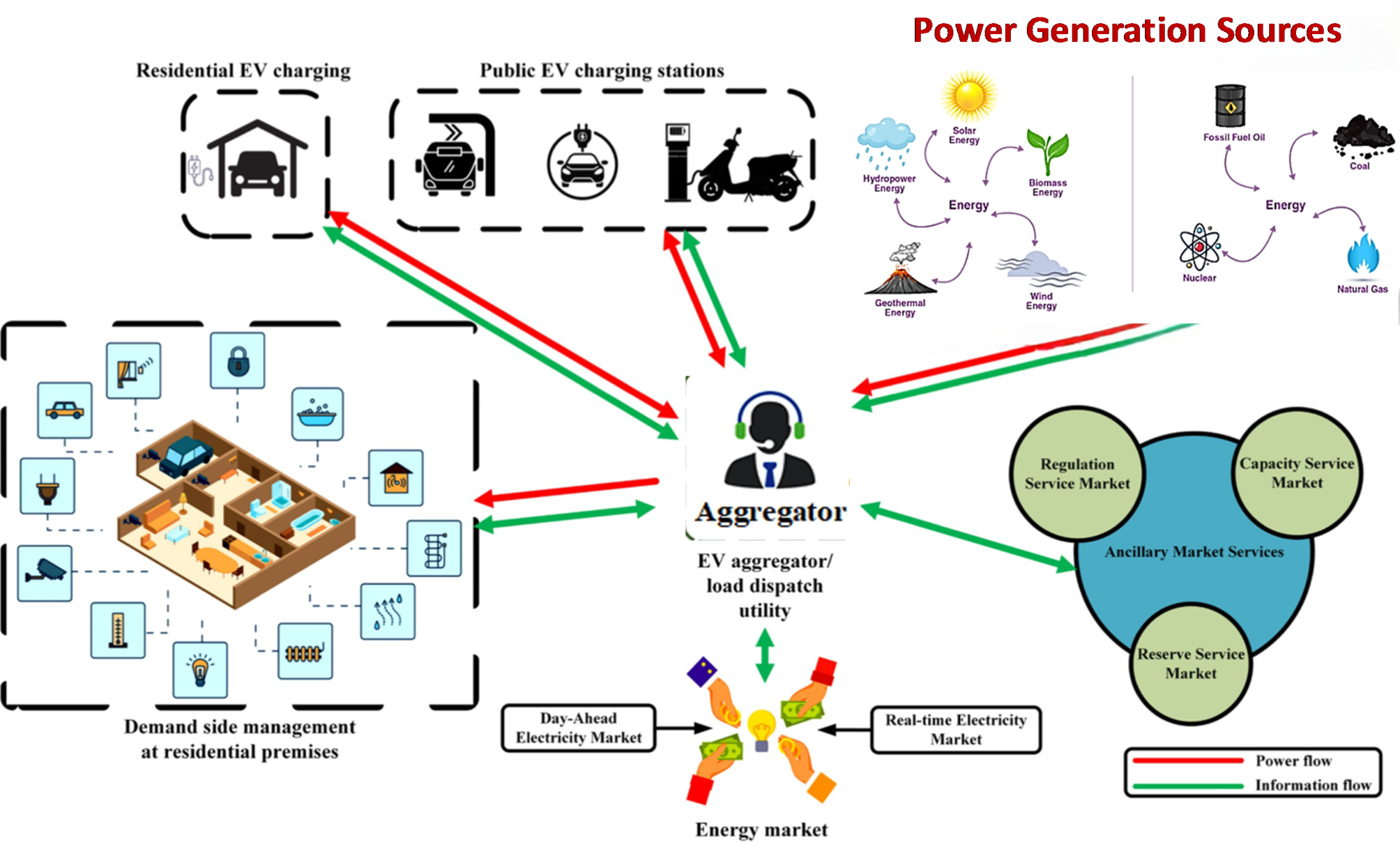
As more EVs hit the roads, one of the biggest logistical puzzles is charging. Where do you put the chargers? How do you ensure they’re working and available when people need them? How do you avoid overwhelming the local power grid when everyone decides to charge at 6 PM? This is where artificial intelligence (AI) is stepping in, not just to manage the chaos, but to proactively optimize the entire system. It’s transforming how we think about EV infrastructure.
Smarter Placement, Smarter Usage
AI algorithms can analyze vast amounts of data: traffic patterns, population density, existing charging usage, grid capacity, even predicted EV adoption rates. Using this, they can pinpoint the ideal locations for new charging stations, ensuring they’re placed where they’ll be most used and most needed. Furthermore, AI can predict charging demand in real-time. If a surge is expected in a particular neighborhood, the system can intelligently adjust charging speeds or incentivize drivers to charge at off-peak times. This prevents grid overload and reduces wait times.
The Predictive Power of AI
Think about it: AI can learn driver habits. It can predict when a charger might become available based on typical charging durations. It can even communicate with vehicles to schedule charging sessions when the grid has the most capacity and electricity is cheapest. This predictive capability is key to building a scalable and efficient EV charging network. Companies are using AI to not only manage existing stations but to plan the next generation of charging infrastructure, making the transition to electric vehicles smoother for everyone.
Frequently Asked Questions
-
When did electric cars first appear?
Honestly, EVs aren’t some newfangled invention. We’re talking way back! The first electric carriages actually showed up in the 1830s. Can you believe it? They were clunky, sure, but they worked. It wasn’t until the early 1900s that they really gave gas cars a run for their money, especially in cities where they were quieter and cleaner. Then, you know, the Ford Model T kinda changed everything, and EVs mostly faded away until recently.
-
What was the biggest challenge for early EVs?
Range, and then range again. Early EVs could barely go 30-40 miles on a single charge, which wasn’t great when gas stations were popping up everywhere. Plus, charging them took ages. Think hours, not minutes. Battery tech just wasn’t there yet. Gas was just way more practical for most people’s needs back then. It’s crazy how the same problems are only now being truly solved.
-
How did the oil crisis impact EV development?
It was a big kick in the pants! The 1970s oil crisis made everyone realize how dependent we were on foreign oil, and gas prices went nuts. This sparked a renewed interest in alternatives, including EVs. Automakers tinkered with new designs and battery ideas, but the tech just wasn’t ready for mass production. It was a wake-up call, but the solutions weren’t quite there yet.
-
What's the significance of the Toyota Prius?
Okay, so the Prius wasn’t fully electric, but it was HUGE. It was the first mass-produced hybrid and showed the world that alternative powertrains could be practical and popular. People saw a hybrid as a step towards cleaner driving without totally freaking out about range or charging. It paved the way for mainstream adoption by making consumers comfortable with the idea of not ruing on just gasoline.
-
How has battery technology changed EVs?
Everything changed with lithium-ion batteries. Seriously, it’s the game-changer for EVs. Before, you had heavy, expensive lead-acid batteries that didn’t last long. Lithium-ion packs are lighter, hold way more energy, and can be recharged thousands of times. This directly led to longer ranges, faster charging, and made EVs actually competitive with gas cars. It’s the core reason EVs are finally taking off.