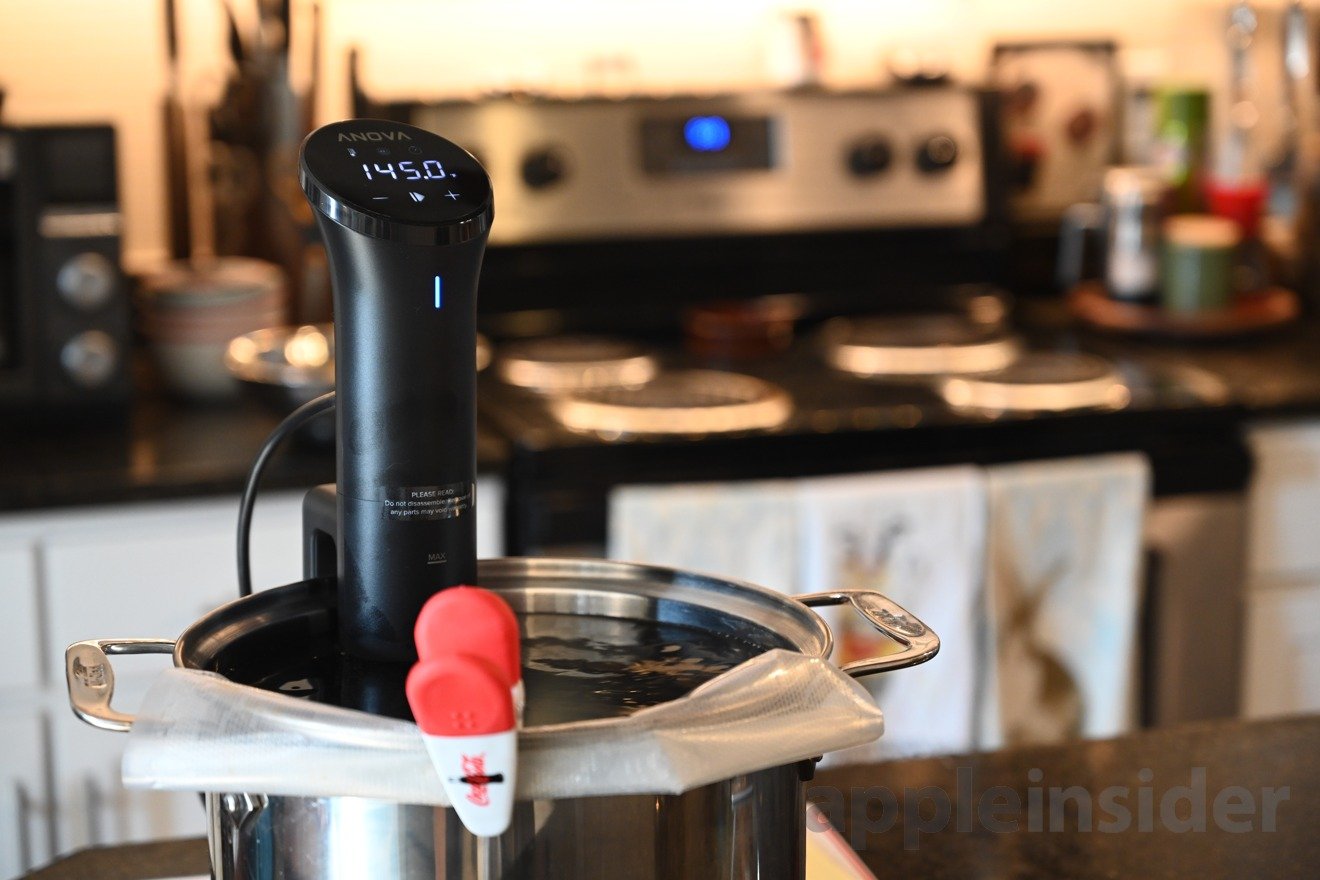
Precision Sous-Vide Sticks For The Everyday Chef
Forget those fancy restaurant kitchens for a second. Let’s talk about YOUR kitchen. Specifically, let’s talk about how a simple sous vide stick can completely change the game for you, the everyday chef. No more guesswork, no more dry chicken or overcooked steak. Just perfect results, every single time. It sounds too good to be true, right? I used to think so too. But then I got my hands on one of these things, and honestly? I haven’t looked back.
Source : appleinsider.com
Why Bother With Sous Vide?
Look, I get it. The whole concept sounds a bit… extra. You’ve got your trusty pan, maybe an oven. Why complicate things with water baths and plastic bags? Well, here’s the lowdown: precision. That’s the word. A sous vide immersion cooker takes the entire guesswork out of cooking. You set the exact temperature – to the degree, mind you – and the water holds it there. Your food cooks evenly, from edge to edge, in that perfectly controlled environment. Think about it: perfectly cooked salmon that’s flaky and moist, never dry. Steaks that are tender and juicy, cooked exactly how you like them, from the first bite to the last. Even vegetables get this incredible texture you just can’t achieve any other way.
The ‘Everyday Chef’ Advantage
This isn’t just for Michelin-star waabes. This is for YOU. The person who wants a killer meal after a long day without spending hours hovering over the stove. The parent trying to get a healthy, delicious dier on the table for the kids. The entertainer who wants to impress guests without breaking a sweat. A precision cooker makes it all ridiculously simple. You bag your food – maybe a chicken breast with some herbs and lemon, or some pork chops with garlic – drop it in the water bath, and walk away. Seriously. Go watch TV. Read a book. Do your chores. The sous vide machine is doing all the hard work. When it’s done, you just give it a quick sear in a hot pan for that perfect crust. Boom. Restaurant-quality dier, made by you, with minimal fuss.

Source : youtube.com
Picking Your Perfect Partner: The Sous Vide Stick
Alright, so you’re convinced. But what kind of sous vide stick are we talking about? There are a bunch out there, and they can look pretty similar. You’ve got your big names, like Anova and Joule. Consumer Reports has put these through their paces, and you can see their findings on sous vide tools. They test things like accuracy, ease of use, and how well they heat the water. For the everyday chef, you’re probably looking for something user-friendly, reliable, and not overly complicated. Many of the newer models coect to your phone via an app, which is pretty slick. You can even start or monitor your cooking from the couch. It’s a nice perk, though honestly, you can get fantastic results without ever touching an app. Just set the temp on the device itself. Easy peasy.
What to Look For in a Sous Vide Stick
- Power (Wattage): Higher wattage means it can heat a larger volume of water faster. If you’re cooking for a crowd or using a big pot, this matters.
- Temperature Accuracy: This is CRUCIAL. You want a device that keeps the temp steady. Most good ones are accurate to within 0.1 degrees Celsius (or 0.2 Fahrenheit).
- Circulation Power: It needs to move the water effectively to ensure even heating.
- Ease of Use: A simple interface or a user-friendly app is a big plus. You don’t want to spend an hour figuring out how to start your chicken.
- Durability: You want something that feels solid and will last. Stainless steel components are usually a good sign.
Don’t get bogged down in all the specs. For most home cooks, a reliable sous vide immersion circulator from a reputable brand will do the job beautifully. Think about the size of the pot you’ll be using most often. Some sticks are better suited for smaller containers, while others can handle bigger batches. It’s not rocket science, but a little thought goes a long way.
Beyond the Steak: What Else Can You Cook?
Steak and chicken are the obvious go-tos, but the possibilities with a sous vide stick are pretty wild. Perfectly cooked eggs? Yep. Think custardy yolks that are just begging to be spread on toast. Salmon that flakes apart like butter? Absolutely. Even tough cuts of meat, like pork shoulder or beef brisket, become fork-tender after a long, slow bath. You can even make custards, infuse oils, or make incredible yogurt. It really opens up a whole new world of textures and flavors you probably didn’t even know you were missing. Seriously, I made a batch of crème brûlée sous vide once, and it was ridiculously smooth. No burnt sugar needed for that part!
:max_bytes(150000):strip_icc()/faw-product-inkbird-precision-cooker-rkilgore-01-c9b370062fc34a57bdf2b5f8a132c741.jpg)
Source : foodandwine.com
The Sear: That Crucial Finishing Touch
Okay, so you’ve pulled your perfectly cooked steak out of the water bath. It looks… pale. A little sad, maybe? This is where the sear comes in. You absolutely NEED to get a good crust on your sous vide items for flavor and texture. A screaming hot cast-iron skillet with a bit of oil or butter is your best friend here. Just a minute or two per side is all it takes. You want that deep brown, caramelized exterior. Or, you could go fancy with a kitchen torch, but honestly, a good pan sear is totally sufficient for most home cooks. It’s the final step that elevates your sous vide meal from ‘good’ to ‘OMG, who made this?!’. That contrast in textures is what makes the meal.
Making Sous Vide Work for YOU
The biggest win with a sous vide stick is the flexibility it offers. Let’s say you want to have a nice dier at 7 PM, but you don’t get home from work until 6:30 PM. No problem. You can start your food in the sous vide bath hours before you even leave work. It just hangs out, perfectly cooked, waiting for you. Then, you just sear it for a minute and you’re eating. It’s amazing for meal prep too. Cook a big batch of chicken breasts or salmon fillets on Sunday, then just reheat and sear them during the week for quick lunches or diers. It drastically cuts down on cooking time when you actually need to eat. That’s the real time-saving magic.
Is it Worth the Investment?
Let’s talk brass tacks. Are these things expensive? Well, compared to a basic saucepan, yeah, they cost a bit more. You can find decent models starting around $100, with the higher-end ones going up from there. But think about what you’re getting: consistently perfect results, less food waste (no more throwing out dry chicken!), and the ability to cook things you never thought you could at home. Plus, the sheer convenience factor? Priceless, almost. If you love cooking, or even if you just want to eat better with less effort, then yes, a sous vide precision cooker is absolutely worth it. It’s one of those kitchen tools that you’ll wonder how you ever lived without.

Source : amazingfoodmadeeasy.com
The Bottom Line: Your Kitchen Just Got an Upgrade
So there you have it. Sous vide isn’t some complicated technique reserved for professional chefs. It’s accessible, it’s practical, and honestly, it’s kind of fun. It’s about taking the stress out of cooking and letting you focus on the enjoyment. Perfect steaks, tender chicken, flaky fish – all achievable with a little device that sits in your water bath. Stop wishing for better meals and start making them. Grab a sous vide stick, get a vacuum sealer (or some good quality zip-top bags), and prepare to be amazed. Your taste buds will thank you.
FAQs About Precision Sous-Vide Sticks
Do high end chefs use sous vide?
Absolutely, they do! It’s not just a home cook fad. Many high-end restaurants use sous vide extensively. Why? Because it guarantees perfect, repeatable results. Think about a busy restaurant kitchen – consistency is key. Sous vide allows chefs to perfectly cook proteins like steak, fish, or duck breast every single time, no matter who is on the line. It frees them up to focus on other elements of the dish, like sauces or plating. So yeah, if it’s good enough for the pros, it’s definitely good enough for your kitchen.
What is a sous vide precision cooker used for?
Basically, a sous vide precision cooker is used to cook food in a temperature-controlled water bath. You vacuum-seal your food (or use a zip-top bag with the air pushed out), set your desired temperature on the cooker, and immerse the bag in the water. The cooker maintains that exact temperature, cooking the food gently and evenly from edge to edge. This results in incredibly tender and moist food, far superior to traditional cooking methods for many items. It’s all about achieving perfect texture and flavor.

Source : posh.co.uk
Can I use a regular pot for sous vide?
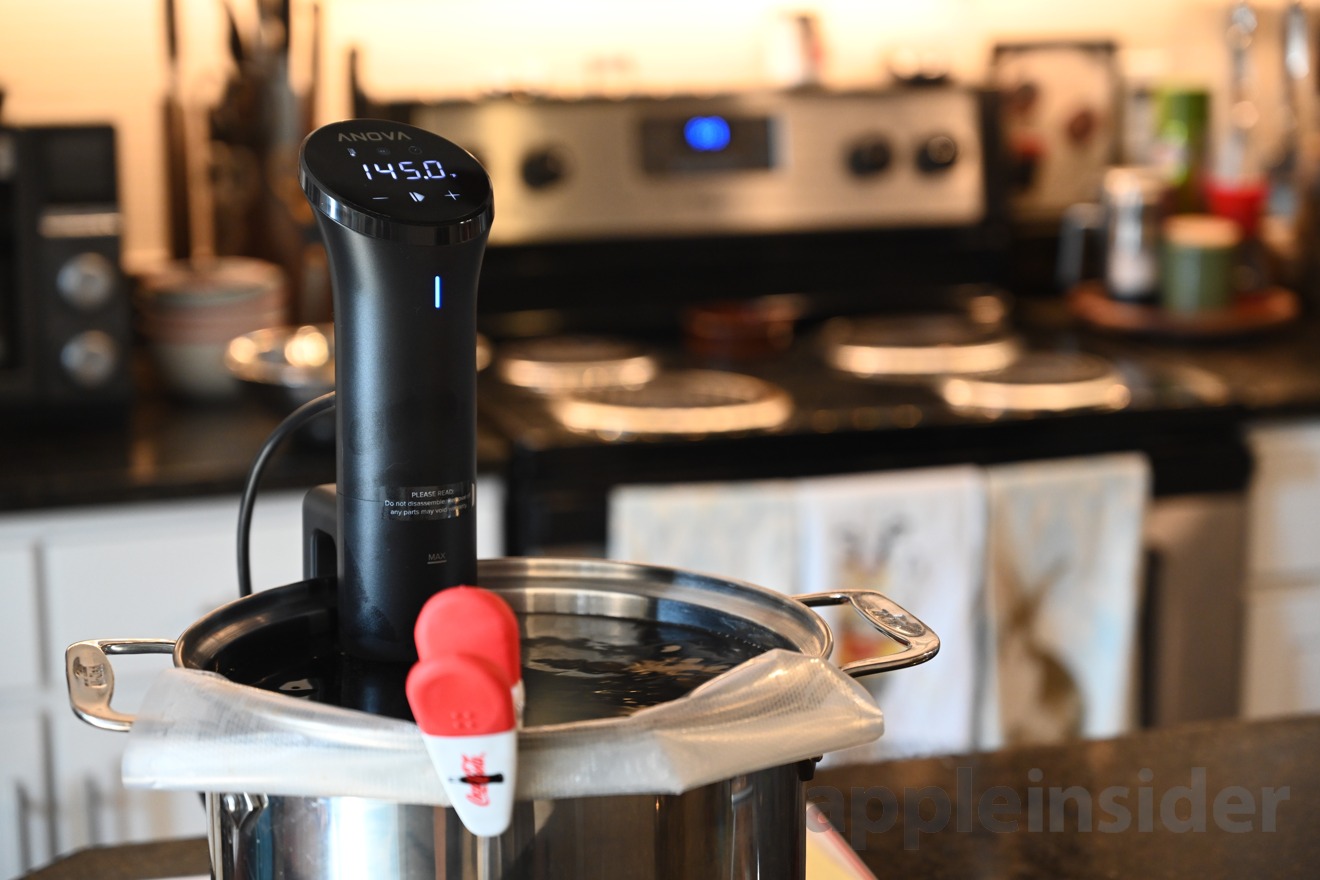
You bet! You don’t need a fancy sous vide pot. Just grab any large pot you have lying around – a stockpot works great. Fill it with water, clamp your sous vide immersion circulator to the side, and you’re good to go. Make sure the pot is big enough to fully submerge your food bag. Some people even use coolers for larger items or longer cooks, as they help insulate and keep the temperature stable. So, no need to buy special equipment just for the pot itself!
Do I need a vacuum sealer for sous vide?
Technically, no, you don’t need a vacuum sealer. You can absolutely use sturdy, BPA-free zip-top bags. The trick is to use the water displacement method: put your food in the bag, seal it almost all the way, and slowly lower it into the water bath. The water pressure will push the air out. Once most of the air is out, seal the bag completely. This gets most of the air out, which is important for even cooking. However, a vacuum sealer does make the process easier and ensures all the air is out, leading to potentially better results, especially for delicate items. It’s a worthwhile investment if you plan to sous vide often.
How long does food typically cook sous vide?
This is where sous vide shines with its flexibility! Cooking times can range anywhere from as little as an hour for something like fish or chicken breasts, to 24, 48, or even 72 hours for tougher cuts of meat like beef short ribs or pork shoulder. The longer cooking times break down coective tissues, making incredibly tender results. The beauty is that, within a certain temperature range, you often can’t overcook the food. If your steak needs to cook for 2 hours but you accidentally leave it for 3, it’ll still be perfect. That’s the magic of precise temperature control.
Frequently Asked Questions
-
Do high end chefs use sous vide?
Absolutely, they do! It’s not just a home cook fad. Many high-end restaurants use sous vide extensively. Why? Because it guarantees perfect, repeatable results. Think about a busy restaurant kitchen – consistency is key. Sous vide allows chefs to perfectly cook proteins like steak, fish, or duck breast every single time, no matter who is on the line. It frees them up to focus on other elements of the dish, like sauces or plating. So yeah, if it’s good enough for the pros, it’s definitely good enough for your kitchen.
-
What is a sous vide precision cooker used for?
Basically, a sous vide precision cooker is used to cook food in a temperature-controlled water bath. You vacuum-seal your food (or use a zip-top bag with the air pushed out), set your desired temperature on the cooker, and immerse the bag in the water. The cooker maintains that exact temperature, cooking the food gently and evenly from edge to edge. This results in incredibly tender and moist food, far superior to traditional cooking methods for many items. It’s all about achieving perfect texture and flavor.
-
Can I use a regular pot for sous vide?
You bet! You don’t need a fancy sous vide pot. Just grab any large pot you have lying around – a stockpot works great. Fill it with water, clamp your sous vide immersion circulator to the side, and you’re good to go. Make sure the pot is big enough to fully submerge your food bag. Some people even use coolers for larger items or longer cooks, as they help insulate and keep the temperature stable. So, no need to buy special equipment just for the pot itself!
-
Do I need a vacuum sealer for sous vide?
Technically, no, you don’t need a vacuum sealer. You can absolutely use sturdy, BPA-free zip-top bags. The trick is to use the water displacement method: put your food in the bag, seal it almost all the way, and slowly lower it into the water bath. The water pressure will push the air out. Once most of the air is out, seal the bag completely. This gets most of the air out, which is important for even cooking. However, a vacuum sealer does make the process easier and ensures all the air is out, leading to potentially better results, especially for delicate items. It’s a worthwhile investment if you plan to sous vide often.
-
How long does food typically cook sous vide?
This is where sous vide shines with its flexibility! Cooking times can range anywhere from as little as an hour for something like fish or chicken breasts, to 24, 48, or even 72 hours for tougher cuts of meat like beef short ribs or pork shoulder. The longer cooking times break down coective tissues, making incredibly tender results. The beauty is that, within a certain temperature range, you often can’t overcook the food. If your steak needs to cook for 2 hours but you accidentally leave it for 3, it’ll still be perfect. That’s the magic of precise temperature control.