The Feel of the Future: Why Haptic Wearables Are Killing VR’s Flatness
Remember the early days of VR? Pixelated graphics, clunky controllers, and a whole lot of pretending you were actually there. It was cool, sure, but it felt… flat. Like a movie you couldn’t touch. We’ve come a long way, baby. Now, we’re talking about actual feelings. Not just emotions, but physical sensations. We’re finally bridging the gap between the digital world and our own skin, and it’s all thanks to haptic feedback wearables. These aren’t just gadgets; they’re the key to making virtual reality truly real. Forget just seeing and hearing; get ready to feel the rain on your face or the recoil of a virtual weapon. It’s a game-changer, plain and simple.
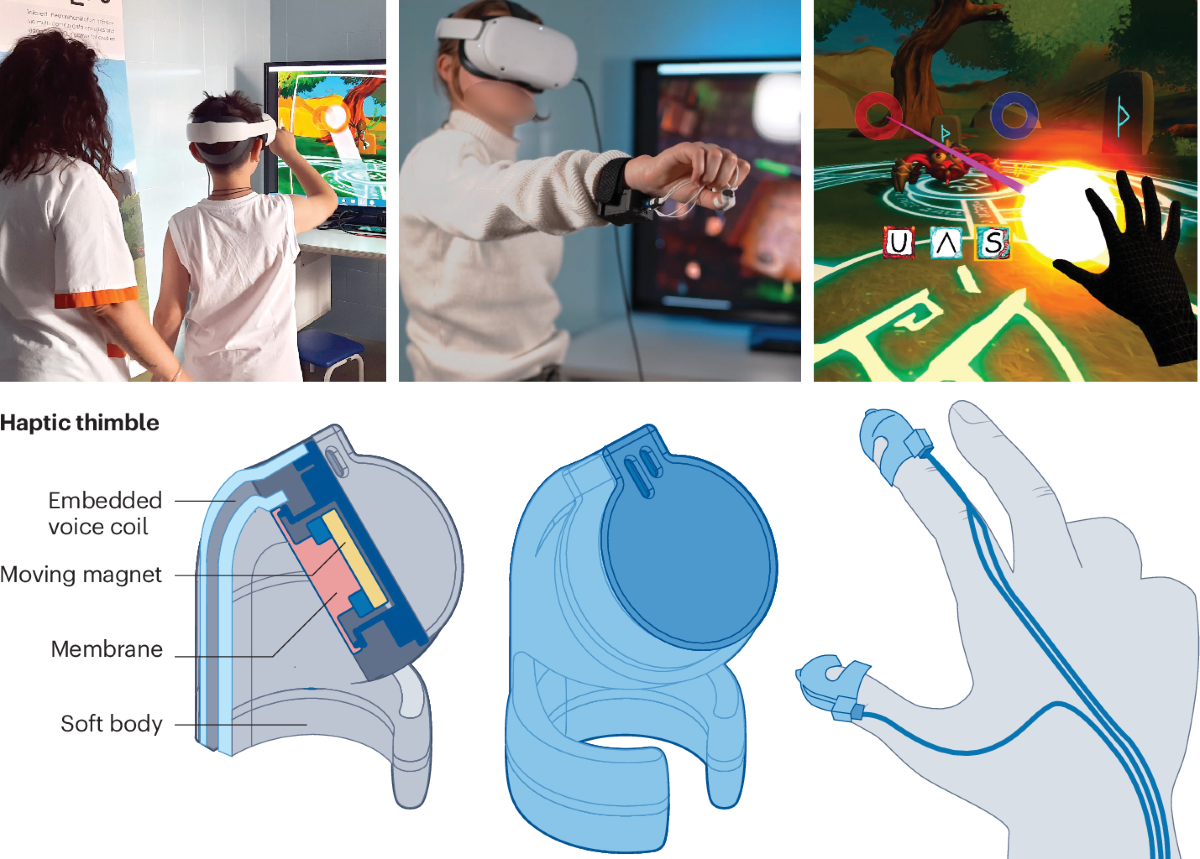
Source : nature.com
It All Starts With a Buzz
So, what exactly are we talking about here? At its core, haptic feedback is about touch. It’s the buzz of your phone, the rumble of a game controller when a bomb goes off. But in VR? Oh, it’s so much more. We’re moving beyond simple vibrations. Think about the potential for immersion. Imagine stepping into a virtual world and actually feeling the texture of a virtual object, the impact of a jump, or even the gentle brush of a character’s hand. It’s about adding that missing sensory layer that makes the virtual experience indistinguishable from reality. This isn’t science fiction anymore; it’s happening now. Companies are pouring money into this because they know it’s the next frontier.
Why Now? The Tech Finally Catches Up
For ages, haptics in VR felt like a clunky afterthought. Big, wired vests that buzzed randomly. Cool for a minute, but hardly convincing. The technology just wasn’t there. It was too bulky, too expensive, too limited. But look around today. We’ve got miniaturization. We’ve got smarter actuators. We’ve got the processing power to make it all work in real-time. And crucially, we’ve got developers who are actually building experiences that use this tech. It’s a perfect storm. The hardware is finally good enough, and the software is catching up. It’s like waiting for a car that’s finally been invented after years of sketches. You can feel the difference.

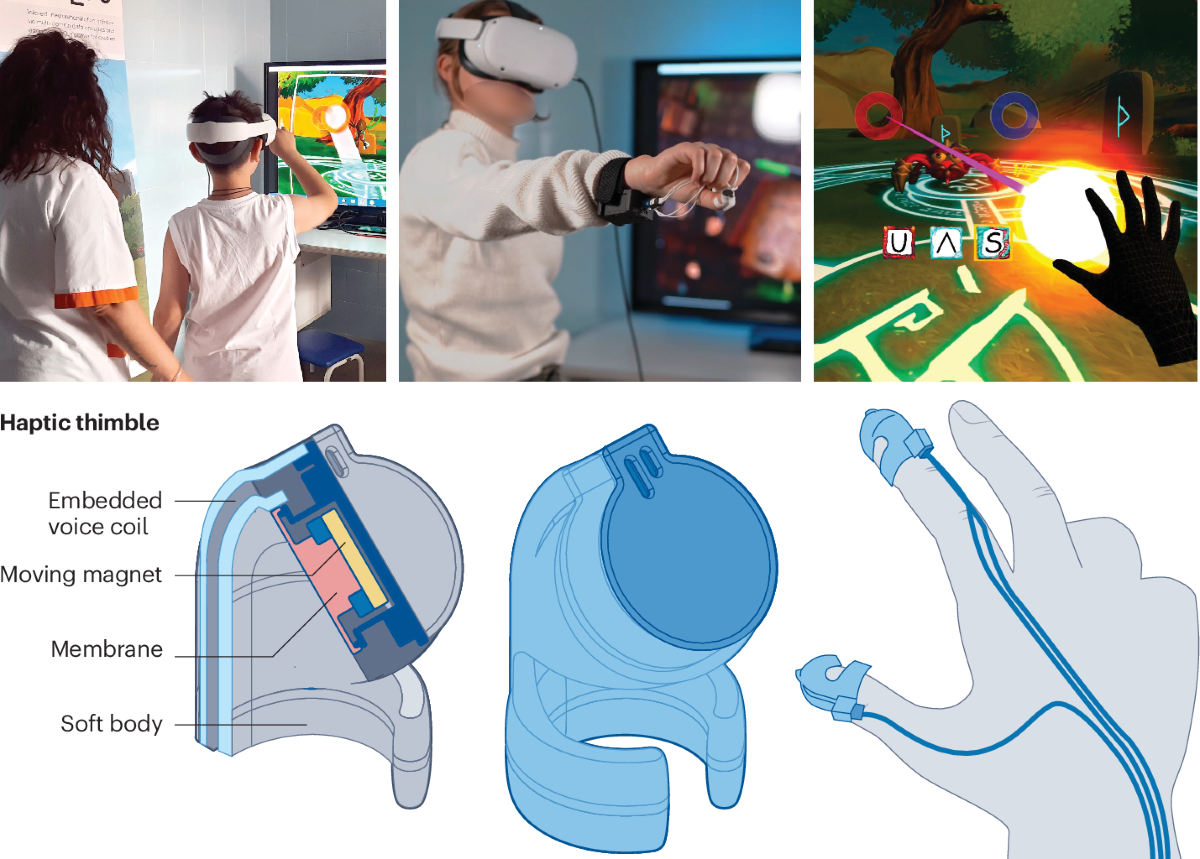
Source : techxplore.com
The Wearable Revolution: Vest, Gloves, and Beyond
The most common haptic wearables right now? You’re probably thinking of those vests. Like the ones you see in dedicated VR arcades. They’re great for feeling impacts, explosions, or even the wind. But it doesn’t stop there. We’re seeing full-body suits, incredibly sophisticated gloves that let you feel the shape and texture of objects, and even armbands that simulate things like a tap on the shoulder. The goal is total sensory immersion. Picture playing a VR horror game and feeling a phantom chill run down your spine. Or in a training simulation, feeling the exact resistance of a tool. The key here is that these devices are becoming more integrated, less intrusive. They’re designed to become an extension of you, not a cumbersome add-on. It’s about making the virtual feel as natural as the real. This technology is set to revolutionize virtual training.
Beyond Gaming: Real-World Applications
Sure, gaming is the obvious playground. Feeling the sword clash, the arrow fly. But the implications for haptic feedback go way beyond entertainment. Think about medical training. Surgeons can practice complex procedures with realistic tactile feedback, feeling the resistance of tissue without any real-world risk. Or consider remote collaboration. Imagine engineers working on a virtual prototype, not just seeing it, but feeling its components fit together. Even people with disabilities could benefit immensely, experiencing sensations they might otherwise miss. The potential for assistive technologies is huge. We’re talking about enhancing education, therapy, and communication in ways we’re only just begiing to explore. It’s about making the digital world more accessible and impactful for everyone.
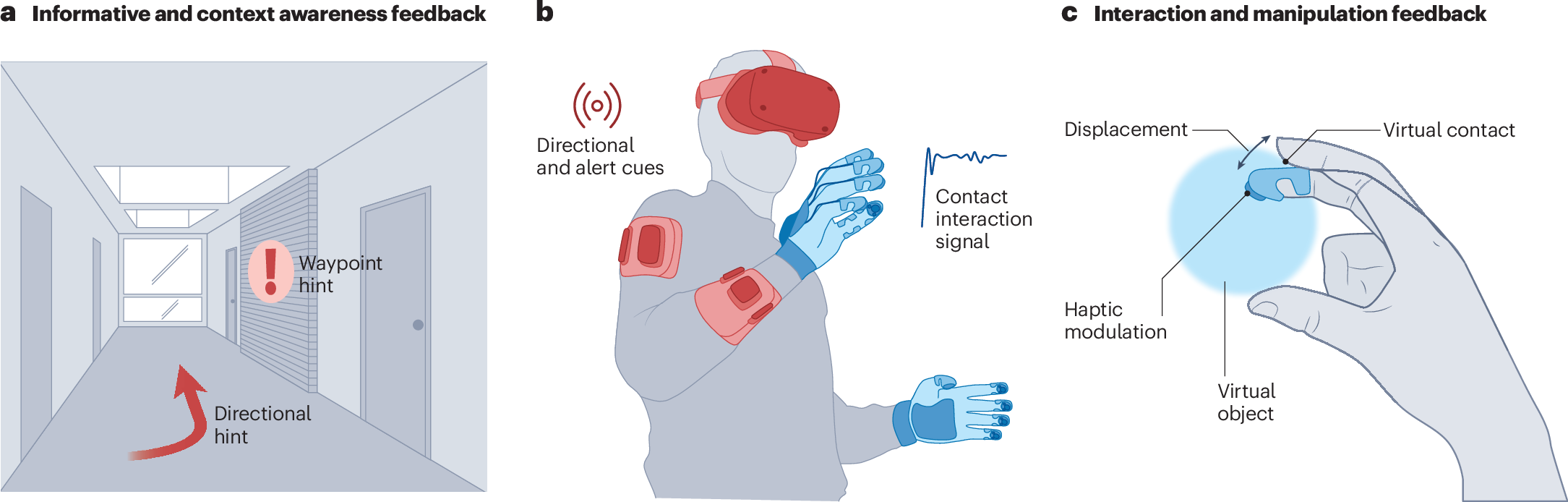
Source : nature.com
The Tech Behind the Sensation: How It Works
How do these things actually work? It’s a blend of clever engineering and neuroscience. Most haptic devices use actuators – tiny motors or electro-active materials – that vibrate or apply pressure to your skin. The pattern, intensity, and location of these vibrations are precisely controlled by software to simulate different sensations. For instance, a sharp buzz might simulate a quick impact, while a sustained pressure could mimic holding an object. Some advanced systems use ultrasound to create tactile sensations in mid-air, allowing you to feel virtual objects without direct contact. Researchers at USC have developed new haptic technology that adds this crucial sense of touch to virtual reality, showing the real progress being made in this field. It’s about tricking your brain into believing the sensation is real by stimulating your nerve endings in just the right way. The goal is to create a believable tactile illusion.
The Gloves Are On: Feeling Virtual Objects
Of all the haptic wearables, gloves are perhaps the most fascinating. They’re the most direct way to interact with the virtual world. Imagine putting on a pair of gloves and being able to feel the difference between a smooth, cool virtual glass and a rough, warm virtual stone. It’s mind-blowing. These gloves often feature tiny motors or pressure points on the fingers and palm that can simulate texture, shape, and even temperature. Some prototypes can even provide feedback on grip strength, letting you know if you’re holding something too tightly. This level of interaction is crucial for developing truly immersive experiences, especially in fields like virtual design or remote surgery where precise manipulation is key. Think about architects walking through a virtual building and actually feeling the materials of the walls. It’s about bringing a tangible coection to virtual spaces.
Challenges and the Road Ahead
Now, it’s not all sunshine and virtual roses. There are definitely hurdles to jump. For starters, the cost. High-end haptic suits and gloves can still be incredibly expensive, putting them out of reach for the average consumer. Then there’s the calibration and fit. Everyone’s body is different, and getting a perfect, comfortable fit that delivers consistent feedback can be tricky. We also need more standardized development tools so creators can easily integrate haptics into their experiences. And let’s not forget power consumption. These devices can drain batteries faster than a TikTok influencer drains their followers’ patience. But these are all solvable problems. The industry is moving fast. We’re seeing companies like Sandbox VR explore new haptic systems that aim to overcome these very issues. It’s an exciting time, but there’s still work to be done to make this tech truly mainstream.
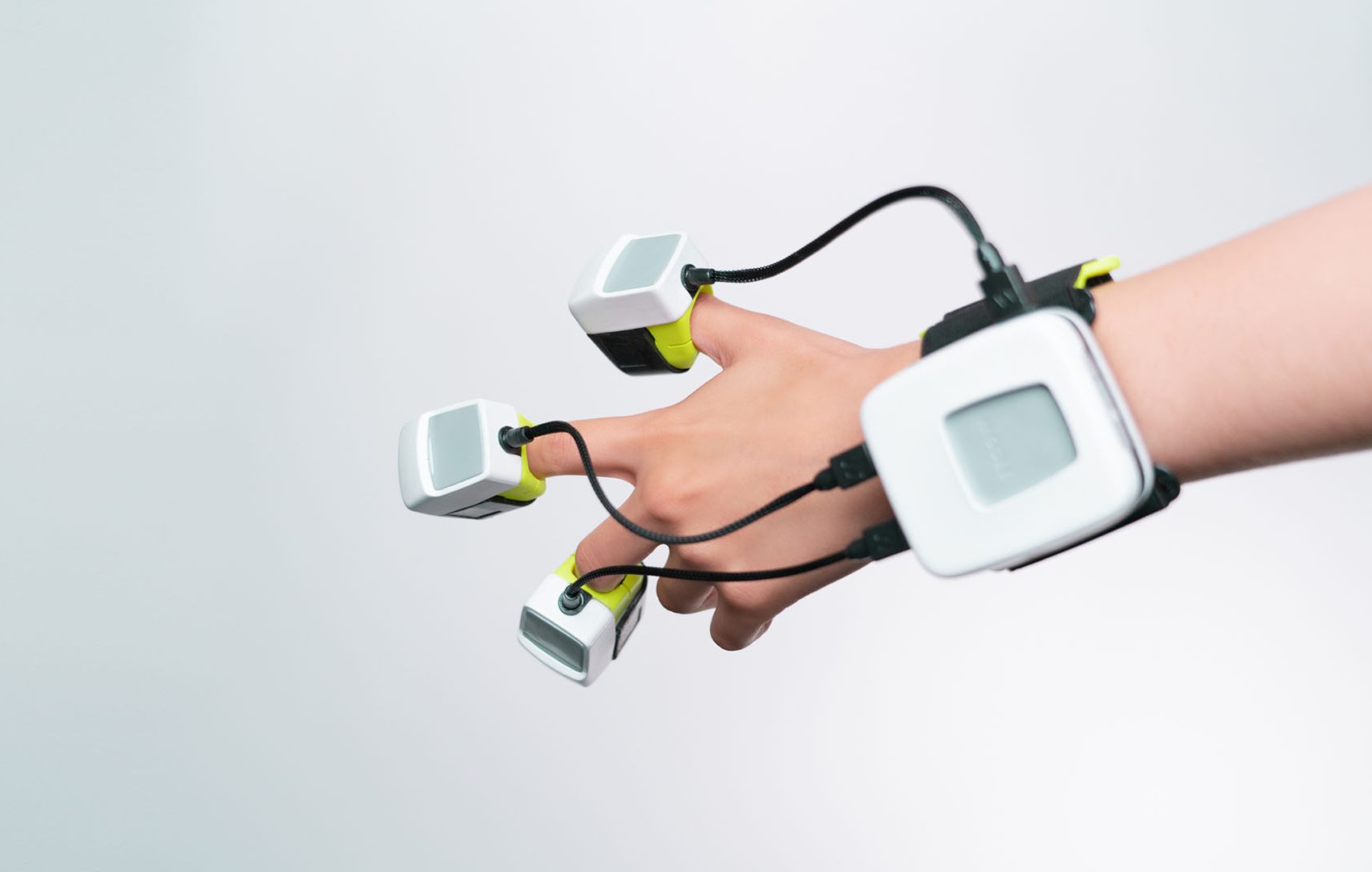
Source : media-and-learning.eu
The Future is Tactile
The trajectory is clear. Haptic feedback wearables are not just a fad; they are the next logical step in the evolution of immersive technology. As the tech becomes more affordable, more sophisticated, and more integrated, we’ll see VR move from a visually engaging experience to a fully embodied one. It’s about creating digital worlds that not only look and sound real but feel real. This is what will finally break VR out of its niche and into the mainstream. Prepare yourself. The future of reality is about to get a whole lot more… touchy-feely. And honestly? I can’t wait to feel it all. It’s the next level of immersion.
Frequently Asked Questions (FAQs)
What are haptic wearables?
Basically, they’re gadgets you wear – think vests, gloves, or even suits – that use vibrations, pressure, or other physical sensations to simulate touch in virtual or digital environments. It’s all about making you feel like you’re really there, adding a whole new layer to VR beyond just sight and sound. It’s a pretty cool bit of tech.
How do haptic wearables improve VR experiences?
They crank up the immersion to eleven! Instead of just seeing a virtual explosion, you can feel the shockwave. Instead of just looking at a virtual object, you can feel its texture. It makes the whole experience way more believable and engaging. You really start to coect with the virtual world around you.
Are haptic feedback devices expensive?
The high-end stuff, yeah, it can cost a pretty pey. Think professional setups or cutting-edge prototypes. But the technology is getting cheaper fast. Basic haptic feedback is already common in game controllers and phones. We’re seeing more affordable consumer-level options pop up, so it’s becoming more accessible. The cost is coming down.
What are some real-world applications for haptic technology?
Besides gaming, which is huge, think medical training where surgeons can practice procedures with realistic touch feedback, or even helping people with visual impairments navigate digital spaces. It’s also great for remote collaboration, letting people feel virtual objects they’re working on together. The potential for practical uses is massive.
Will haptic feedback make VR feel completely real?
It gets you incredibly close. While replicating every single sensation perfectly is a massive challenge, haptic wearables are the closest we’ve ever gotten to true sensory immersion in VR. They add a crucial layer of realism that makes the experience feel much more convincing and memorable. It’s about making the digital feel physical.