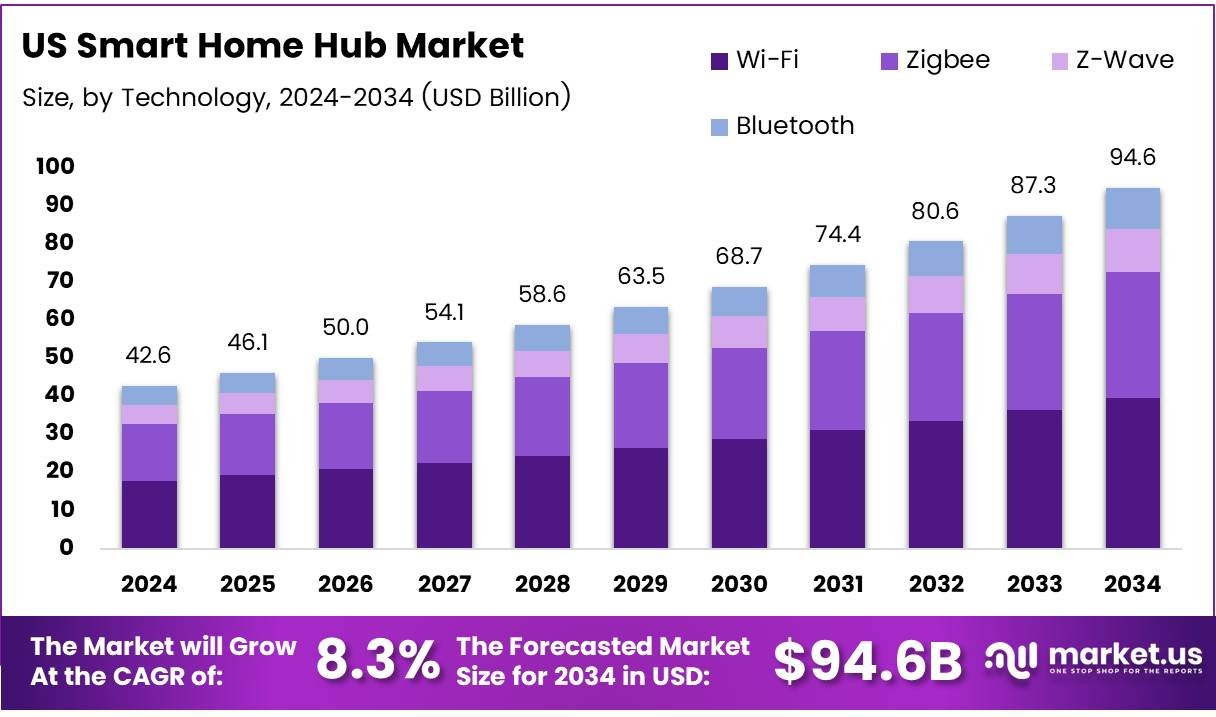
The Decentralized Smart Home Hub Revolution: Your Home, Your Rules
nn
Forget the days of your smart home being held hostage by a single company. We’re talking about a seismic shift, a genuine revolution happening right under our roofs. It’s the rise of the decentralized smart home hub. Think about it: no more worrying if Amazon or Google will change their policies and brick your expensive gadgets. This isn’t just about convenience; it’s about taking back control. It’s about building a smart home that truly works for you, not the other way around.
nn
Why Centralized Hubs Are Hitting a Wall
nn
For years, the smart home game was all about a central brain. You’d buy a hub from, say, Samsung or SmartThings, and then meticulously choose compatible devices. It worked, mostly. But it came with baggage. Heavy baggage. The biggest issue? Vendor lock-in. You’re stuck in their ecosystem. If they decide to discontinue a product line or, worse, shut down the service entirely? Poof! Your smart blinds might as well be dumb blinds. We’ve seen this happen. It’s frustrating. It’s expensive. And honestly, it’s a bit insulting. As Mintel reports, while smart home tech is growing, consumer trust is still a hurdle.
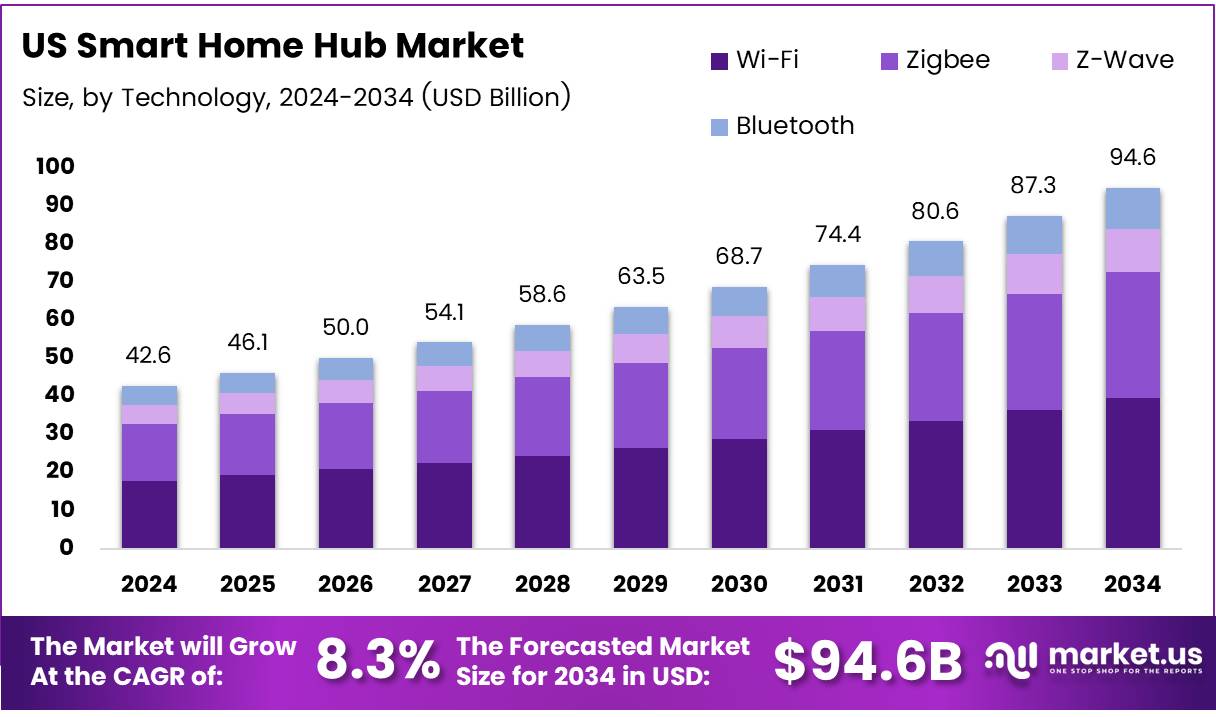
Source : market.us
nn
Plus, these centralized hubs often have a limited scope. They might handle your lights and thermostat like a champ, but try integrating something a bit more niche, a bit more… you? Suddenly you’re staring at a compatibility matrix that looks more like a cryptic crossword puzzle. It’s a pain. The promise of a connected home often ends up feeling more like a tangled mess. Horowitz Research even notes that while centralized hubs are in demand, consumers are increasingly looking for more flexibility.
nn
Enter Decentralization: The Smart Home’s New Best Friend
nn
So, what’s the alternative? Decentralization. Imagine your smart home running on protocols and software that aren’t controlled by a single corporation. Think open-source. Think community-driven. Think about a hub that acts as a translator, a central point of communication, but isn’t the absolute dictator of your digital domain. This is the core idea behind decentralized smart home hubs. They often use technologies like Zigbee, Z-Wave, and increasingly, Matter, to talk to devices, but the control logic? That lives more locally, or even on a distributed network.
nn
This means your automation rules, your device settings, your precious data – it can all stay within your network, or even on the devices themselves. No more sending your daily routine data to a server farm in Nevada. It’s about privacy and autonomy. You own your data. You own your home’s intelligence. This is a massive departure from the old guard. It’s like switching from a rented apartment where the landlord can kick you out, to owning your own house, decorated exactly how you like it.
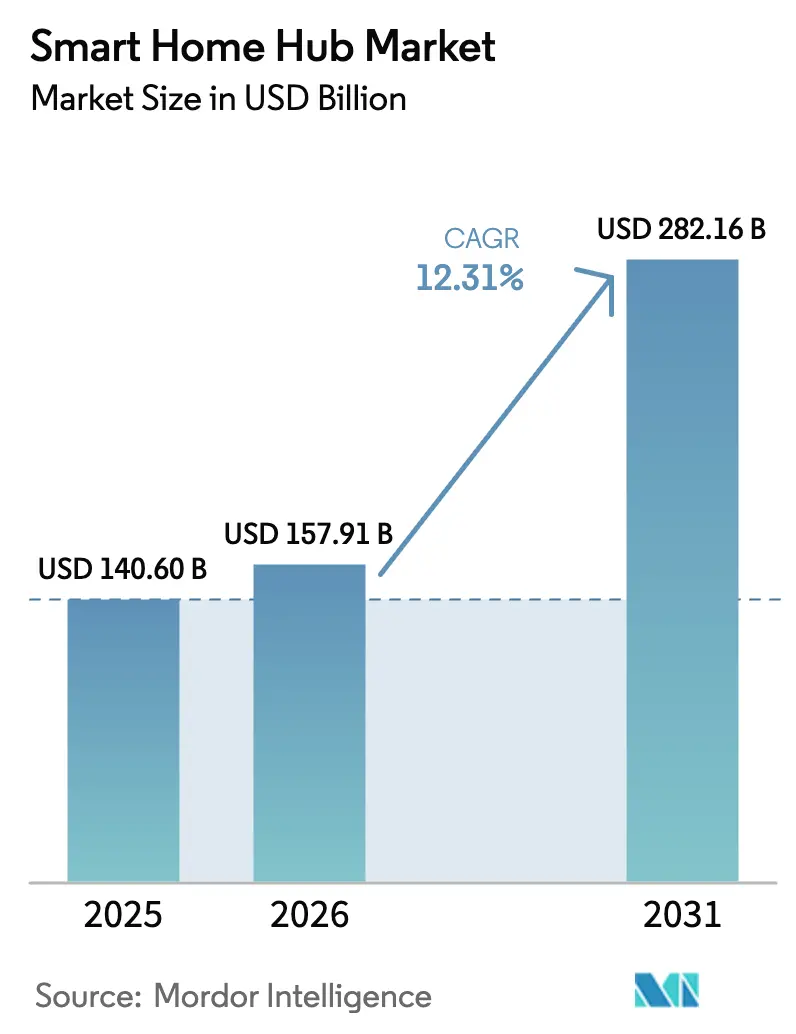
Source : mordorintelligence.com
nn
The Tech Under the Hood: What Makes It Tick?
nn
How does this magic actually happen? Well, it’s a mix of hardware and software innovation. Many decentralized hubs are built on powerful, low-power processors that can run sophisticated software locally. We’re talking about devices that can run things like Home Assistant, OpenHAB, or Hubitat Elevation. These aren’t just glorified remote controls; they’re mini-computers dedicated to managing your smart home.
nn
The software side is where things get really interesting. Open-source platforms are key. They allow developers worldwide to contribute, fix bugs, and add support for new devices. This community-driven approach means faster innovation and a wider range of compatible hardware than any single company could ever manage. Plus, the lack of corporate gatekeeping means you’re not beholden to their development roadmap. If a new smart gadget hits the market, the community can often get it working with these hubs relatively quickly. It’s a truly collaborative approach.
nn
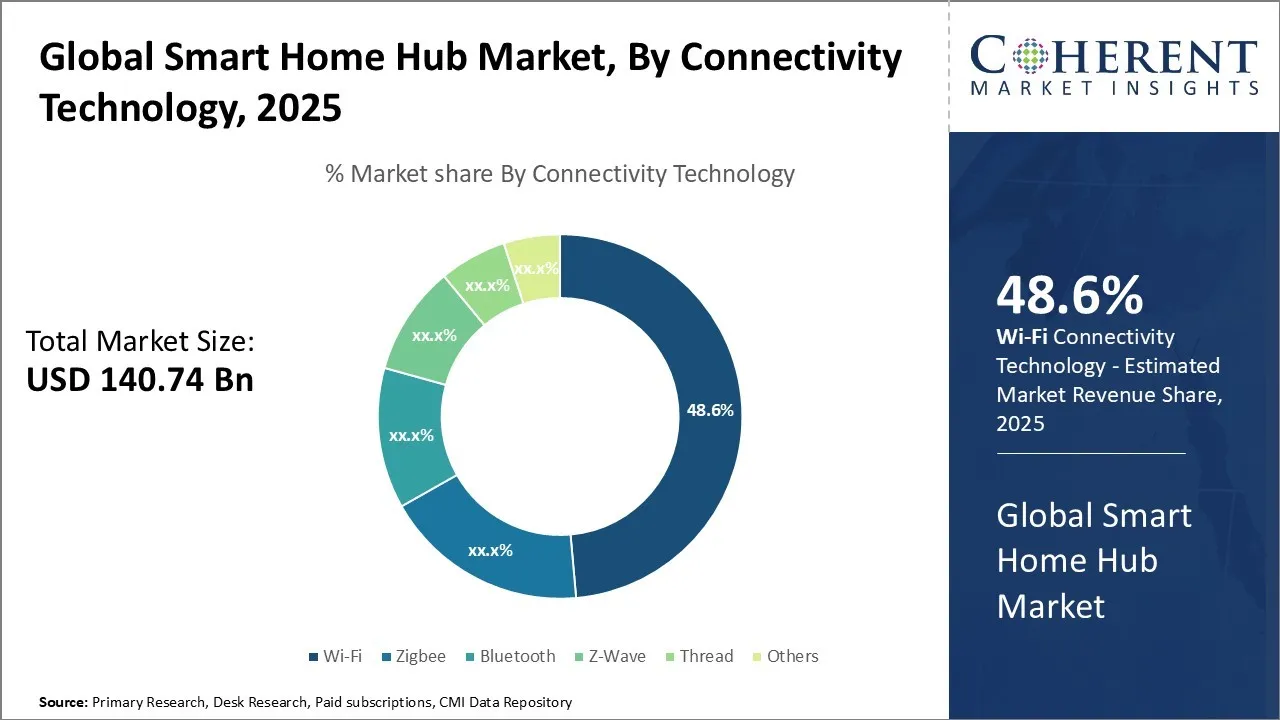
And then there’s the underlying communication. While older hubs relied heavily on Wi-Fi, which can clog up your network, decentralized systems often lean into lower-power mesh networks like Zigbee and Z-Wave. This creates a dedicated network for your smart devices, reducing interference and improving reliability. Think of it as a private highway just for your smart stuff, separate from the main traffic on your Wi-Fi. It’s about building a more robust system.
nn
The Matter Standard: A Step Towards Decentralization?
nn
You can’t talk about the smart home revolution without mentioning Matter. It’s the new industry standard aimed at making devices from different manufacturers work together. On the surface, it sounds like a dream. Finally, a light bulb from Philips Hue can talk to a smart lock from Yale without a fuss. It’s designed to simplify things, a big win for consumers.
nn
But here’s the rub: Matter, in its current form, still relies on IP-based networks and often requires a bridge or hub. While it standardizes communication, it doesn’t inherently solve the problem of centralized control or data ownership. Some see it as a step towards interoperability, which is great. Others, myself included, see it as a potential new layer of centralization if not implemented carefully. As one analysis put it, Matter aims for simplicity but faces challenges, especially concerning the centralization trap.
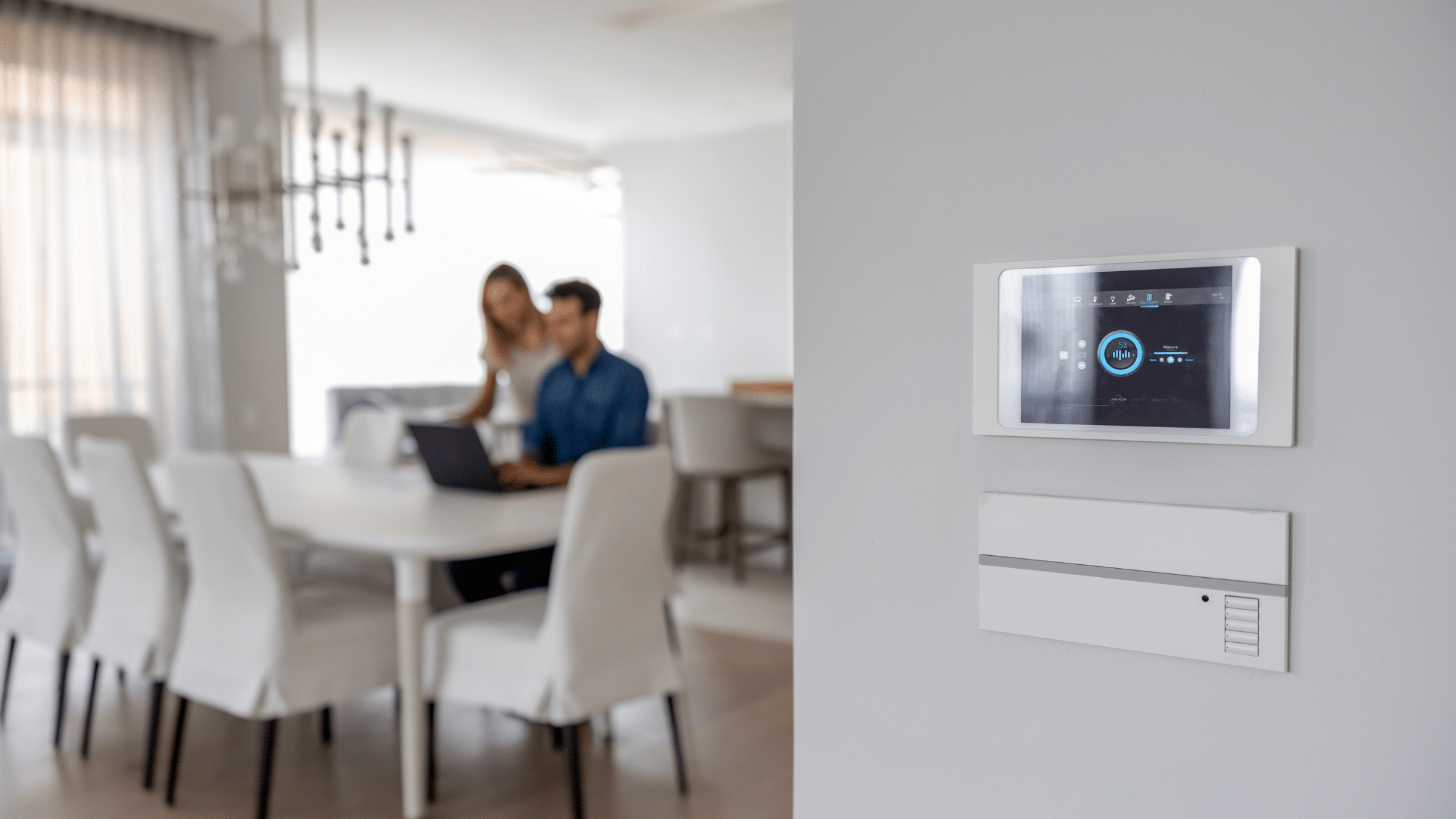
Source : smarthomeworld.in
nn
A truly decentralized system goes beyond just making devices talk to each other. It’s about where the intelligence resides and who controls it. While Matter is a crucial piece of the puzzle for broad compatibility, it’s the underlying architecture of the hub that determines whether your smart home is truly decentralized and under your command. It’s a complex dance, and we’re still figuring out the steps. It’s a promising development, but not the whole story.
nn
Benefits You Can Actually Feel
nn
Okay, enough tech jargon. What does this mean for your everyday life? It means peace of mind. It means your smart thermostat doesn’t suddenly stop working because Google pushed an update. It means your privacy is better protected because your usage data isn’t constantly being slurped up by a tech giant. This is about genuine data security.
nn
It also means flexibility. Want to swap out your smart plugs from Brand A for Brand B next year? No problem. As long as they use standard protocols (like Zigbee, Z-Wave, or Matter), your decentralized hub can likely handle it. You’re not locked into a specific manufacturer’s upgrade cycle or product graveyard. It’s about future-proofing your investment. You build a smart home infrastructure that lasts, adaptable to new technologies as they emerge. This is a smart long-term investment.
nn
And let’s not forget customization. With open-source platforms, the level of customization is staggering. You can create complex automations that perfectly match your lifestyle. Forget the pre-canned routines. Think truly personalized smart home experiences. Want your lights to dim and your favorite playlist to start when your phone hits the driveway after 7 PM on a weekday? You got it. It’s about making your home work on your terms.
nn
Who is This For? The Early Adopters and the Frustrated
nn
Is a decentralized smart home hub for everyone? Maybe not right now. If you just want a smart speaker that turns on your one smart bulb and you don’t think twice about data privacy, a simpler, centralized solution might still suffice. Popular Mechanics points out that a basic smart home hub explainer often simplifies complex tech.
Source : coherentmarketinsights.com
nn
But if you’re someone who has invested a significant amount in smart home devices, only to feel limited or worried about the future? If you value your privacy and want granular control over your home’s systems? If you enjoy tinkering and customizing things to perfection? Then yes, this is absolutely for you. It’s for the tech enthusiast who wants more. It’s for the privacy-conscious individual who wants to keep their home life offline. It’s for anyone who’s tired of being just another data point in someone else’s profit model. It’s about taking control back.
nn
The Future is Local, The Future is Yours
nn
The trend is clear. Consumers are becoming more aware of data privacy. They’re getting tired of the limitations imposed by Big Tech. They want more control, more flexibility, and more reliability from their smart homes. Decentralized hubs are the answer to these growing demands. They represent a shift from a corporate-controlled smart home to a user-controlled one. It’s a move towards a more resilient, private, and personalized smart home experience. It’s not just a niche for geeks anymore; it’s the future for anyone who wants a smart home that truly serves them. It’s about building a connected, independent future.
nn
FAQs About Decentralized Smart Homes
nn
Will smart homes become mainstream?
n
Absolutely. Think about how smartphones went from niche gadgets to everyday essentials in just a few years. Smart homes are on a similar trajectory. While adoption has been slower than some predicted, factors like increased affordability, easier setup (thanks in part to standards like Matter), and growing consumer awareness about convenience and potential energy savings are pushing them forward. Plus, with more privacy-focused options like decentralized hubs emerging, a major barrier for many hesitant consumers is starting to crumble. It’s not a question of ‘if,’ but ‘when,’ and frankly, ‘when’ is getting closer every day.
nn
What is the new home technology in 2026?
n
Looking ahead to 2026, expect the big buzzwords to revolve around AI integration becoming much more sophisticated and truly localized. Instead of cloud-dependent routines, think AI that learns your habits directly on your devices or local hub – that’s the promise of decentralized systems. We’ll also see a big push for energy efficiency, with smart home tech actively optimizing power consumption. Interoperability will continue to be a focus, with Matter maturing and hopefully becoming more seamless.