Smart Rings: The Subtle Sleep Trackers Taking Over
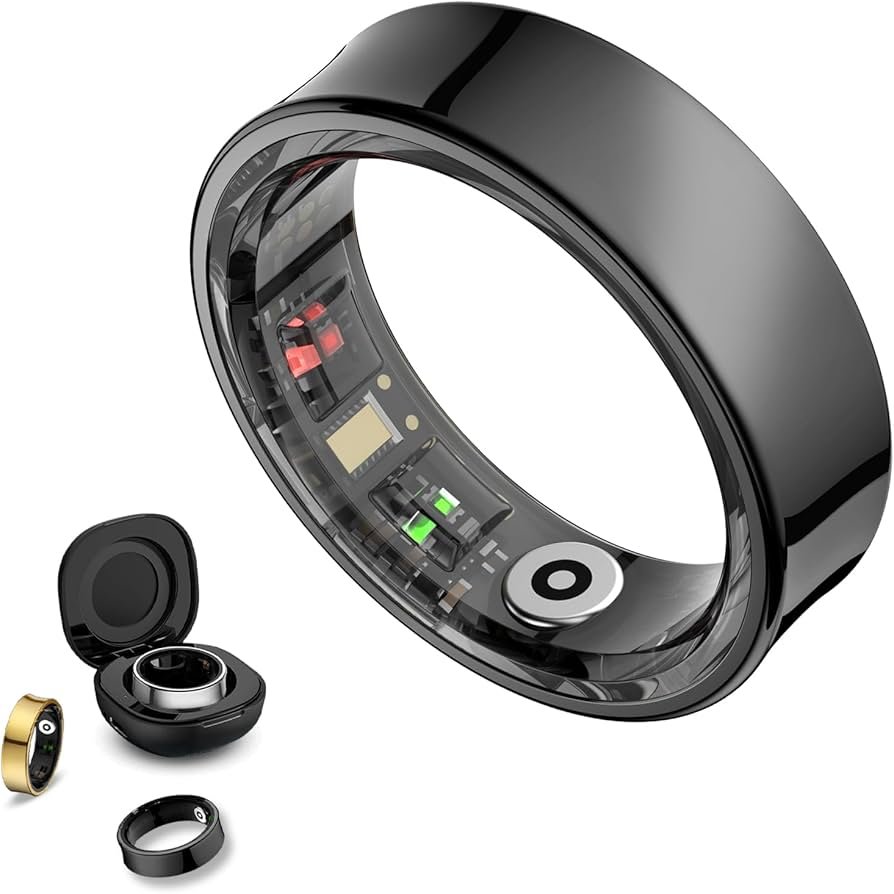
Forget clunky watches and chest straps. There’s a new player in the wearable tech game, and it’s hiding right on your finger. Smart rings. Yeah, you heard me. These little gizmos are quietly becoming the go-to for folks who want serious health insights without looking like they’re training for a marathon. Especially when it comes to figuring out why you’re dragging yourself out of bed every morning. Let’s dig into the world of these tiny tech powerhouses.

Source : amazon.com
Why Your Finger Knows Best
Think about it. Where do you often miss things? Your sleep, right? We all think we know how well we slept, but the reality? Often pretty different. That’s where smart rings shine. They’re designed for 24/7 wear, meaning they capture data pretty much all the time, especially during your Zzz’s. Unlike a smartwatch you might take off before bed, a ring just stays there. This constant coection gives them a unique edge for tracking subtle changes. It’s less about counting steps and more about understanding your body’s deeper rhythms. This focus on sleep quality and recovery is a big deal.
The Sleep Tracking Superstars
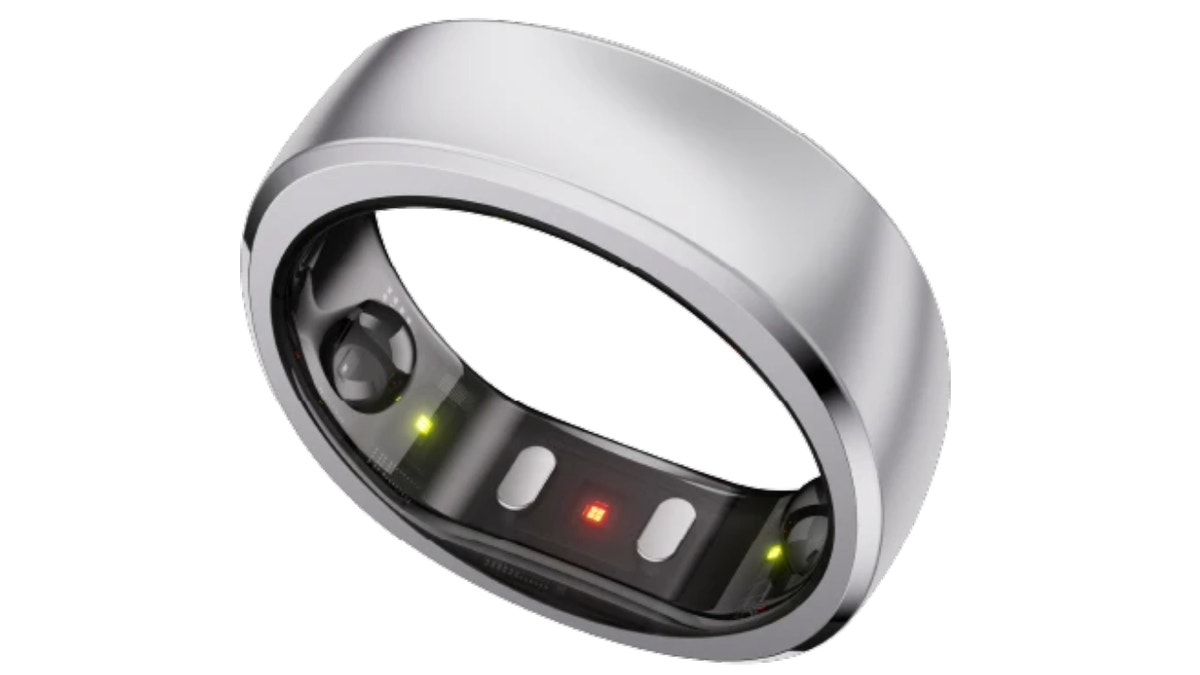
Okay, let’s talk specifics. If sleep tracking is your main gig, you’re probably looking at the Oura Ring. It’s been around the block and really set the standard for what these rings can do. It measures everything: deep sleep, REM sleep, light sleep, how long you were awake, your heart rate variability (HRV), and even your body temperature. All this info gets bundled into a daily readiness score. It tells you if you should push hard in your workout or take it easy. Honestly, it’s pretty mind-blowing how much data they can pack into something so small. The Wired crew has put a ton of these through their paces, and Oura usually comes out on top for sleep metrics.
Beyond Sleep: The Holistic Picture

Source : forbes.com
But smart rings aren’t just for sleep nerds. They’re evolving fast. You’re getting activity tracking, stress monitoring (often through HRV), and even heart health indicators. Some newer models are starting to integrate more features. The Samsung Galaxy Ring, for example, is generating a lot of buzz. It promises to bring robust health tracking to the massive Samsung ecosystem. Imagine getting nudges about your workout readiness or potential stress triggers, all from a discreet piece of jewelry. It’s about building a complete wellness profile, not just tracking one thing.
It’s not just about raw data either. The apps associated with these rings are getting smarter. They translate that complex data into actionable advice. Instead of just seeing a graph of your HRV, the app might say, “Your HRV dipped last night, likely due to that late-night coffee. Try to avoid caffeine after 2 PM.” That’s the kind of stuff that actually helps you make changes. This isn’t just data collection; it’s personalized health coaching, right on your phone.
Who Needs a Smart Ring?
So, who’s this tech for? Honestly? Anyone who’s curious about their body. Athletes, obviously. People trying to manage stress. Those who suspect their sleep is garbage but can’t figure out why. Even folks who just hate wearing watches to bed. It’s for the person who wants detailed insights without the constant screen distraction of a smartwatch. You want the data, but you don’t want to be tethered to a device. You want subtle, powerful tracking.
Consider the weekend warrior who wants to know if they’ve recovered enough for that Sunday hike. Or the busy professional juggling deadlines and family life, needing to understand their stress levels before they burn out. Even someone managing a chronic condition might find the continuous monitoring valuable. It’s about taking control of your health narrative, one finger-tapped data point at a time. This tech helps you build a better understanding of your personal health trends.
The Contenders: What’s Out There?
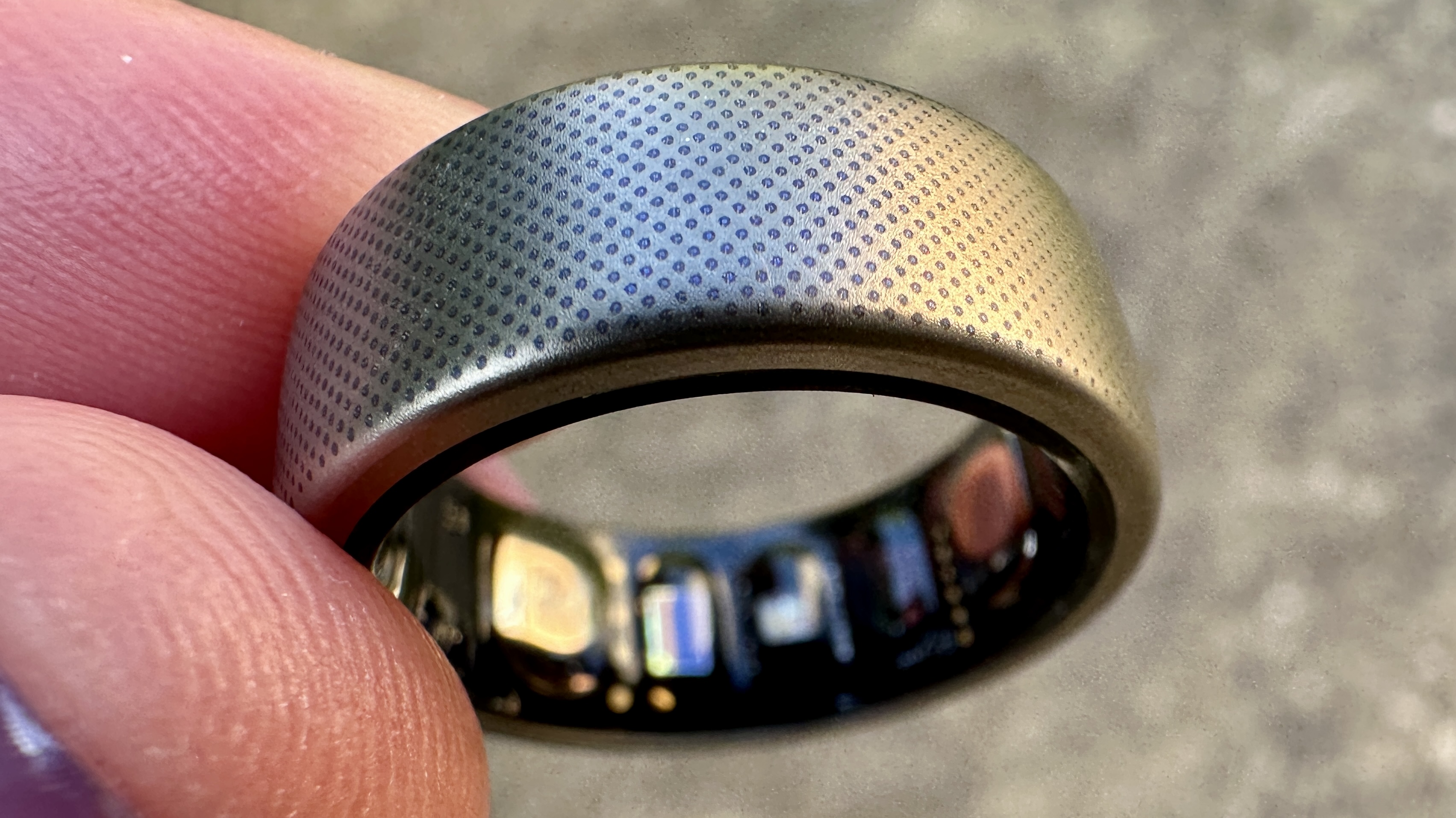
Right now, the market is heating up. The Oura Ring is the veteran, known for its accuracy and comprehensive sleep and readiness scores. Then you’ve got the new kids on the block like the Samsung Galaxy Ring, which is poised to shake things up, especially for Android users. Other players like the Ultrahuman Ring Air and RingCo are also making waves, often offering competitive features and sometimes even lower price points or no subscription fees, which is a huge plus for many. TechRadar has a solid rundown of these, comparing them feature-by-feature.
Each ring has its own strengths. Oura is the gold standard for sleep, but it does come with a subscription. Samsung is banking on its ecosystem integration. Ultrahuman focuses on the metabolic health angle. RingCo often appeals to those who want a solid all-rounder without a recurring fee. It’s a crowded space, but that’s good for us consumers. More competition means better tech and more options. You can find some great comparisons if you’re trying to decide which one fits your finger – and your life – best.
The Subscription Question
Source : foxnews.com
This is a biggie. Oura famously moved to a subscription model a while back. This means even after you buy the ring (which isn’t cheap, mind you), you’re paying a monthly fee for full access to your data and insights. This is a deal-breaker for some. On the flip side, companies like RingCo and others are pushing hard to offer smart rings with no monthly fees. They argue you’ve already paid for the hardware, so you should own your data. It’s a valid point, and one that’s definitely influencing buying decisions. Always check the fine print!
Accuracy: Can We Trust Them?
This is the million-dollar question, right? Can these tiny things really track your physiology accurately? For sleep, the answer is generally yes, especially for the top contenders like Oura. They use sensors for heart rate, heart rate variability, and body temperature, which are key indicators of sleep stages. They’re not medical-grade devices, of course. You won’t get a diagnosis from your ring. But for understanding trends and relative changes in your sleep patterns? They’re remarkably good. The tech has gotten so much better, and manufacturers are constantly refining their algorithms. You’re getting reliable sleep insights.
For activity tracking, it’s a bit more variable. Step counting and movement detection are pretty standard. Measuring workout intensity can be trickier without GPS built into the ring itself (most rely on your phone’s GPS). But for overall activity levels and recovery metrics, they provide a solid baseline. The key is consistency – wearing the ring all the time so it builds a consistent data set. That’s how you get the most out of the accuracy claims.
The Downsides: It’s Not All Rosy
No tech is perfect, and smart rings have their drawbacks. First off, the price. These aren’t cheap gadgets. You’re looking at a few hundred dollars upfront, plus potential subscription fees. Then there’s the fact that they’re small. Easy to lose! (Seriously, be careful). And while they’re getting better, they might not have all the bells and whistles of a full-fledged smartwatch, like a big display for notifications or built-in GPS for workouts. You’re trading some functionality for discreet form factor.
Also, the data can be overwhelming if you’re not prepared. Seeing your sleep score dip can be disheartening. And sometimes, the advice can feel generic. You need to be motivated to actually act on the information. It’s a tool, not a magic wand. You still have to do the work. The limited screen real estate also means most interactions happen through a companion app, which some people find less convenient than a quick glance at a watch.
The Future is Ring-Sized
Mark my words: smart rings are more than just a fad. They’re carving out a serious niche in the wearable market. As the tech gets smaller, more powerful, and more affordable, expect to see more features packed in. Maybe advanced blood pressure monitoring? Non-invasive glucose tracking? It sounds like sci-fi, but the pace of iovation is insane. These subtle trackers are set to become a cornerstone of personal health monitoring for millions. Get ready, because the future of fitness tech is fitting on your finger.
Source : techradar.com
FAQs About Smart Rings
Which smart ring has the most accurate sleep tracking?
Right now, the Oura Ring is widely considered the gold standard for the most accurate sleep tracking among consumer smart rings. It uses a sophisticated combination of sensors to monitor heart rate, HRV, temperature, and movement, providing detailed breakdowns of sleep stages like deep, light, and REM sleep. While other rings are improving rapidly, Oura’s algorithms and years of data collection give it a consistent edge in providing reliable sleep insights. Just remember, they aren’t medical devices, but for personal tracking, Oura is tough to beat.
What do cardiologists think of the Oura Ring?
Generally, cardiologists view devices like the Oura Ring with cautious optimism. They acknowledge that these rings can provide valuable trend data on metrics like heart rate, heart rate variability (HRV), and resting heart rate, which are important indicators of cardiovascular health. Cardiologists often see the value in using this data to help patients understand lifestyle impacts on their heart health and to encourage healthier habits. However, they stress that smart rings are not medical diagnostic tools and should never replace professional medical advice or diagnostic tests ordered by a doctor. The data is best used as a supplementary tool for discussion with a healthcare provider.
What are the disadvantages of smart rings?
The main disadvantages of smart rings boil down to a few key points. Firstly, the upfront cost can be quite high, often several hundred dollars. Secondly, some popular models, like Oura, require an ongoing monthly subscription fee to access all features and data, adding to the long-term expense. Functionality can also be limited compared to smartwatches; you won’t find a large screen for notifications or extensive app support. They’re also quite small and can be easy to lose if you’re not careful. Finally, while sleep tracking is generally accurate, other metrics like precise workout tracking might be less detailed than dedicated sports watches.
Can I shower or swim with my smart ring?
Most modern smart rings are designed to be water-resistant to varying degrees. The Oura Ring, for instance, is water-resistant up to 100 meters (about 330 feet), meaning you can certainly shower and swim with it. Always check the specific water resistance rating for the ring model you’re interested in. For most top-tier rings, handling everyday water exposure like showering, hand washing, or even swimming is generally not an issue. It’s always best to confirm the manufacturer’s guidelines, but water resistance is standard these days.
Are smart rings FSA or HSA eligible?
This is a tricky one, and it really depends on the specific ring and how it’s classified. Generally, smart rings marketed primarily for general wellness tracking (like sleep, activity, and readiness scores) are less likely to be eligible for Flexible Spending Account (FSA) or Health Savings Account (HSA) funds. However, if a smart ring is marketed and prescribed by a doctor for a specific medical condition (e.g., monitoring heart rate for a diagnosed cardiac issue), it might be eligible. It’s crucial to check with your FSA/HSA provider and the ring manufacturer directly, as eligibility rules can be complex and vary. Check eligibility carefully.
Frequently Asked Questions
-
Which smart ring has the most accurate sleep tracking?
Right now, the Oura Ring is widely considered the gold standard for the most accurate sleep tracking among consumer smart rings. It uses a sophisticated combination of sensors to monitor heart rate, HRV, temperature, and movement, providing detailed breakdowns of sleep stages like deep, light, and REM sleep. While other rings are improving rapidly, Oura’s algorithms and years of data collection give it a consistent edge in providing reliable sleep insights. Just remember, they aren’t medical devices, but for personal tracking, Oura is tough to beat.
-
What do cardiologists think of the Oura Ring?
Generally, cardiologists view devices like the Oura Ring with cautious optimism. They acknowledge that these rings can provide valuable trend data on metrics like heart rate, heart rate variability (HRV), and resting heart rate, which are important indicators of cardiovascular health. Cardiologists often see the value in using this data to help patients understand lifestyle impacts on their heart health and to encourage healthier habits. However, they stress that smart rings are not medical diagnostic tools and should never replace professional medical advice or diagnostic tests ordered by a doctor. The data is best used as a supplementary tool for discussion with a healthcare provider.
-
What are the disadvantages of smart rings?
The main disadvantages of smart rings boil down to a few key points. Firstly, the upfront cost can be quite high, often several hundred dollars. Secondly, some popular models, like Oura, require an ongoing monthly subscription fee to access all features and data, adding to the long-term expense. Functionality can also be limited compared to smartwatches; you won’t find a large screen for notifications or extensive app support. They’re also quite small and can be easy to lose if you’re not careful. Finally, while sleep tracking is generally accurate, other metrics like precise workout tracking might be less detailed than dedicated sports watches.
-
Can I shower or swim with my smart ring?
Most modern smart rings are designed to be water-resistant to varying degrees. The Oura Ring, for instance, is water-resistant up to 100 meters (about 330 feet), meaning you can certainly shower and swim with it. Always check the specific water resistance rating for the ring model you’re interested in. For most top-tier rings, handling everyday water exposure like showering, hand washing, or even swimming is generally not an issue. It’s always best to confirm the manufacturer’s guidelines, but water resistance is standard these days.
-
Are smart rings FSA or HSA eligible?
This is a tricky one, and it really depends on the specific ring and how it’s classified. Generally, smart rings marketed primarily for general wellness tracking (like sleep, activity, and readiness scores) are less likely to be eligible for Flexible Spending Account (FSA) or Health Savings Account (HSA) funds. However, if a smart ring is marketed and prescribed by a doctor for a specific medical condition (e.g., monitoring heart rate for a diagnosed cardiac issue), it might be eligible. It’s crucial to check with your FSA/HSA provider and the ring manufacturer directly, as eligibility rules can be complex and vary. Check eligibility carefully.