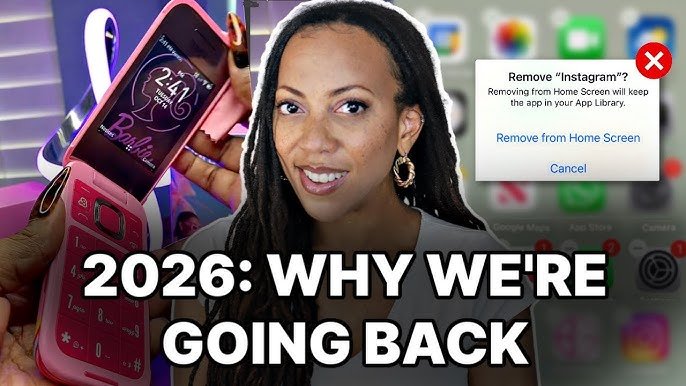
The Great Unplug: Gen Z’s Shocking Return to Dumb Phones in 2026
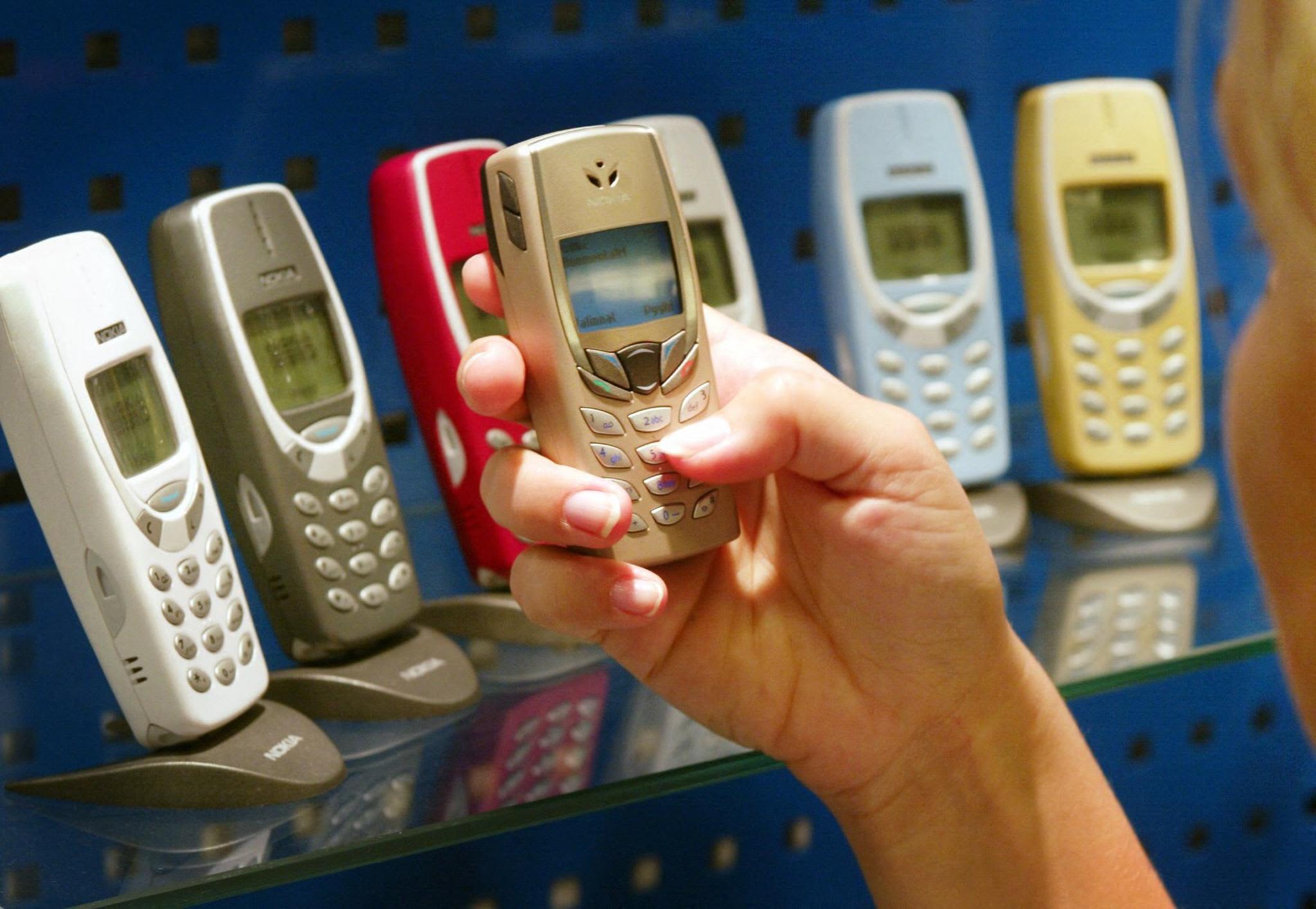
Remember flip phones? Nokia 3310s? The days before your pocket buzzed nonstop with everything from your boss’s urgent email to your aunt’s cat photos? Turns out, Gen Z does. And they’re not just remembering; they’re actively ditching the sleek, smart, all-consuming devices that have defined the last decade. We’re talking about a full-on dumbphone revolution in 2026. It sounds wild, right? Like going back to the Stone Age. But trust me, this isn’t about nostalgia. It’s about survival. Digital survival.

Source : youtube.com
Scroll fatigue. Notification anxiety. The constant pressure to be ‘on.’ Sound familiar? It’s exhausting. Gen Z, the generation that grew up with the internet in their hands, is hitting a wall. They’re drowning in data, and they’re looking for a life raft. That raft, surprisingly, is a device that can barely do a TikTok. These aren’t just any old phones; they’re becoming a statement piece. A badge of honor for anyone sick of being glued to a screen.
Think about it. Every waking moment, your smartphone is demanding attention. It’s your alarm clock, your map, your social life, your bank, your entertainment system. It’s everything. And that’s the problem. We’ve packed so much into these little rectangles that they’ve taken over. Gen Z is pushing back. They’re saying, ‘Enough.’ They want to reclaim their time, their focus, their actual lives.
The Addiction Machine
Let’s be real. Smartphones are designed to be addictive. Those endless feeds, the gamified notifications, the dopamine hits every time a little red bubble pops up. It’s a carefully crafted system. And it’s working. Too well. We spend hours scrolling through content we barely remember. We compare our messy realities to curated online lives. It’s messing with our heads. Studies show the link between heavy smartphone use and increased anxiety and depression. It’s not a secret anymore. It’s a public health crisis in the making.
Gen Z saw what happened to milleials. The constant coectivity, the FOMO (fear of missing out), the burnout. They’re looking at us, our stress levels, our glazed-over eyes, and thinking, ‘Nah, not for me.’ They’re opting for a different path. A path where a phone’s primary job is, you know, making calls and sending texts. Groundbreaking, I know.

Source : dailymail.co.uk
The irony? By rejecting the ‘smart’ features, they’re gaining something far more valuable: mental clarity. They’re rediscovering boredom, which, as it turns out, is a breeding ground for creativity. They’re having actual conversations instead of texting emojis. They’re looking up from their screens and seeing the world around them.
What Even IS a Dumbphone Anymore?
Forget those clunky old Nokias (though some are making a comeback!). We’re talking about modern takes on the minimalist phone. Think sleek designs, essential features, and a battery that lasts for days, not hours. Brands are waking up to this trend. They’re releasing new models designed specifically for the digitally-disenchanted. These aren’t toys; they’re tools for a more intentional life. They offer basic internet access for maps or emergencies, but they sure as heck don’t encourage you to spend three hours down a YouTube rabbit hole.
It’s all about intentionality. You choose to use the phone for a specific task, you do it, and you put it away. No tempting notifications, no endless feeds designed to keep you hooked. Just pure, unadulterated utility. It’s a deliberate act of digital self-care. Like choosing to eat a home-cooked meal instead of fast food.
Some are even calling it the new status symbol. Think about it. In a world where everyone has the latest, smartest, most coected device, choosing not to is a radical act. It screams, ‘I control my technology, not the other way around.’ It’s a quiet rebellion. A powerful declaration of independence from the digital rat race.
The ‘Why Now?’ Moment
So, why 2026? It’s a culmination. The smartphone fatigue has reached a tipping point. The mental health impacts are undeniable. Plus, the technology itself is becoming less of a necessity and more of a burden. We’ve had the ‘smart’ revolution; now we’re seeing the backlash. Gen Z, being digital natives, are acutely aware of the downsides. They’ve seen the patterns, the algorithms, the manipulation. They’re calling BS.
It’s also about reclaiming a sense of self. When you’re not constantly bombarded with external stimuli, you have space to think. To feel. To just be. This generation is prioritizing experiences over digital validation. They want real coection, real hobbies, real conversations. And a dumbphone is the perfect companion for that. Less distraction, more authentic living.
We’re seeing this across the board. People are setting boundaries. They’re muting notifications, deleting apps, even using grayscale on their phones. The dumbphone movement is just the most extreme, and perhaps most effective, version of this broader trend. It’s a rejection of the hyper-coected, always-on culture that has, frankly, made us all a little bit miserable. The future of coection might just be less… coected. And that’s a good thing.
Source : cnbc.com
The Practical Side: Battery Life & Focus
Let’s talk specs, because this is where dumbphones truly shine. Battery life. Remember when phones lasted for days? Dumbphones are bringing that back. While your iPhone is gasping for air by 8 PM, your basic Nokia can probably survive the entire week. This isn’t just convenient; it’s liberating. No more constant charging anxiety. No more lugging around power banks. Just pure, reliable function.
And the focus? Oh, the focus! Without a million apps vying for your attention, you can actually get things done. Need to make a call? Done. Send a quick text? Easy. Want to check the time? Bam. It’s efficient. It’s streamlined. It’s the antithesis of the smartphone’s endless rabbit holes. Imagine reading a book without picking up your phone every five minutes. Or having a dier conversation where both parties are actually present. Revolutionary, I tell you.
This isn’t about being anti-technology. It’s about being pro-sanity. It’s about using technology as a tool, not letting it use you. Gen Z is leading the charge, showing us all that a simpler digital life is not only possible but incredibly beneficial. They’re proving that you don’t need the latest gadget to be ‘in the know’ or to live a full life. In fact, you might just need the opposite. A device that lets you discoect to recoect.
The Social Shift: Dumbphones as a Statement
It sounds counterintuitive, but in 2026, carrying a dumbphone is becoming a bold social statement. In a world obsessed with upgrades and the newest tech, choosing simplicity is a radical act. It signals that you value your time and mental space over constant digital engagement. It’s a quiet rebellion against the noise.
Think of it like this: In a sea of identical, hyper-coected smartphones, the person pulling out a simple, functional flip phone stands out. They’re not just using a phone; they’re making a choice. A choice to be present. A choice to discoect from the digital chaos and recoect with the real world. It’s a form of digital minimalism that’s catching on fast. It’s less about the tech specs and more about the lifestyle philosophy.
This shift is fueled by a growing awareness of the mental health toll of constant coectivity. Gen Z, having grown up with the internet, understands the algorithms and the addictive nature of social media better than anyone. They’re actively seeking ways to combat digital burnout, and the dumbphone is their chosen weapon. It’s a way to reclaim control and prioritize well-being. It’s a rejection of the dopamine-driven economy. A smart move for an arguably overstimulated generation.
Beyond the Hype: Real Benefits
The benefits go beyond just feeling less anxious. Dumbphones encourage genuine interaction. When you’re not tempted to check your feed or reply to emails, you’re more likely to engage fully with the people around you. Conversations become deeper, eye contact becomes more frequent, and real coections are forged. This is the kind of human coection that smartphones, ironically, often hinder.
Source : reddit.com
Privacy is another huge win. Dumbphones typically collect far less data than their smartphone counterparts. Fewer apps mean fewer trackers. Less online activity means less personal information being harvested. In an era of constant data breaches and privacy concerns, this is a massive draw. It’s a way to take back control of your digital footprint. A return to a time when your phone didn’t know everything about you. It’s about regaining digital sovereignty.
And let’s not forget the sheer simplicity. No complex operating systems, no endless updates, no app store distractions. Just the core functions you need. This makes dumbphones incredibly reliable and easy to use. They’re perfect for anyone who finds smartphones overwhelming or just wants a device that does one thing and does it well. It’s about reducing digital clutter and simplifying life. A breath of fresh air in a complicated digital world.
The Future Is (Not So) Smart?
Is this the end of the smartphone era? Probably not. But it’s a massive wake-up call. Gen Z is forcing us all to question our relationship with technology. They’re showing us that ‘smarter’ isn’t always ‘better.’ Sometimes, simpler is indeed superior. The dumbphone comeback isn’t just a trend; it’s a conscious choice for a more balanced life.
This movement is about reclaiming our attention spans, our mental health, and our real-world relationships. It’s about finding a healthier equilibrium in our increasingly digital lives. Gen Z is proving that you can stay coected without being consumed. They’re choosing presence over performance, depth over distraction. It’s a powerful message: less tech, more life.
So, as you see more people rocking the latest flip phone or a minimalist brick next year, don’t scoff. They might just be the smartest ones in the room. They’ve figured out the secret: the best technology is the tech that serves you, without dominating you. It’s a lesson we could all stand to learn. A digital detox for the ages.
Frequently Asked Questions
Why are dumb phones coming back?
Honestly? Because smartphones have become too much. We’re drowning in notifications, endless scrolling, and the constant pressure to be ‘on.’ Gen Z is leading a charge to reclaim their time and mental space. They’re ditching the addictive algorithms and the anxiety that comes with hyper-coectivity. It’s a conscious decision to prioritize real-world experiences over digital validation. Plus, who doesn’t love a battery that lasts more than a day? It’s a rebellion against digital overload, pure and simple. A move towards intentional living.
Are dumb phones really making a comeback in 2026?
Absolutely. We’re seeing a significant shift in consumer behavior, especially among younger demographics. It’s not just a fad; it’s a reaction to the downsides of constant coectivity. Brands are noticing and releasing new, stylish minimalist phones. It’s a sign that people are actively seeking less distracting ways to communicate. This trend reflects a broader desire for digital well-being and a simpler lifestyle. It’s a testament to the fact that ‘less is more’ when it comes to tech.
What are the main benefits of using a dumb phone?
The biggest wins are improved focus and reduced mental clutter. Without constant notifications and tempting apps, you can actually concentrate. Plus, the battery life is a game-changer! You’ll also find your privacy is much better protected since these phones collect far less data. It encourages more meaningful face-to-face interactions and helps combat digital burnout. It’s about reclaiming your time and attention. A real mental health boost.
Will smartphones disappear because of this trend?
Nah, not anytime soon. Smartphones still offer incredible functionality for work, advanced features, and specific apps that dumbphones can’t touch. This dumbphone movement isn’t about eliminating smartphones entirely, but about offering a viable, healthier alternative. It’s creating a balanced tech ecosystem. People might use both, or simply choose a dumbphone if their needs are basic. It’s about choice and recognizing that ‘smart’ isn’t always the best option for everyone. It’s about digital freedom.
How can I start using a dumb phone if I’m used to a smartphone?
Start small! Maybe designate a ‘dumb phone day’ each week. Or get a basic phone just for weekends or evenings. Think about what you actually use your smartphone for. If it’s just calls, texts, and occasional maps, a dumbphone might be perfect. There are tons of resources and communities online dedicated to this. It’s about making a conscious transition, not a sudden leap. You can ease into it, and many find it surprisingly liberating. It’s a journey towards digital minimalism.