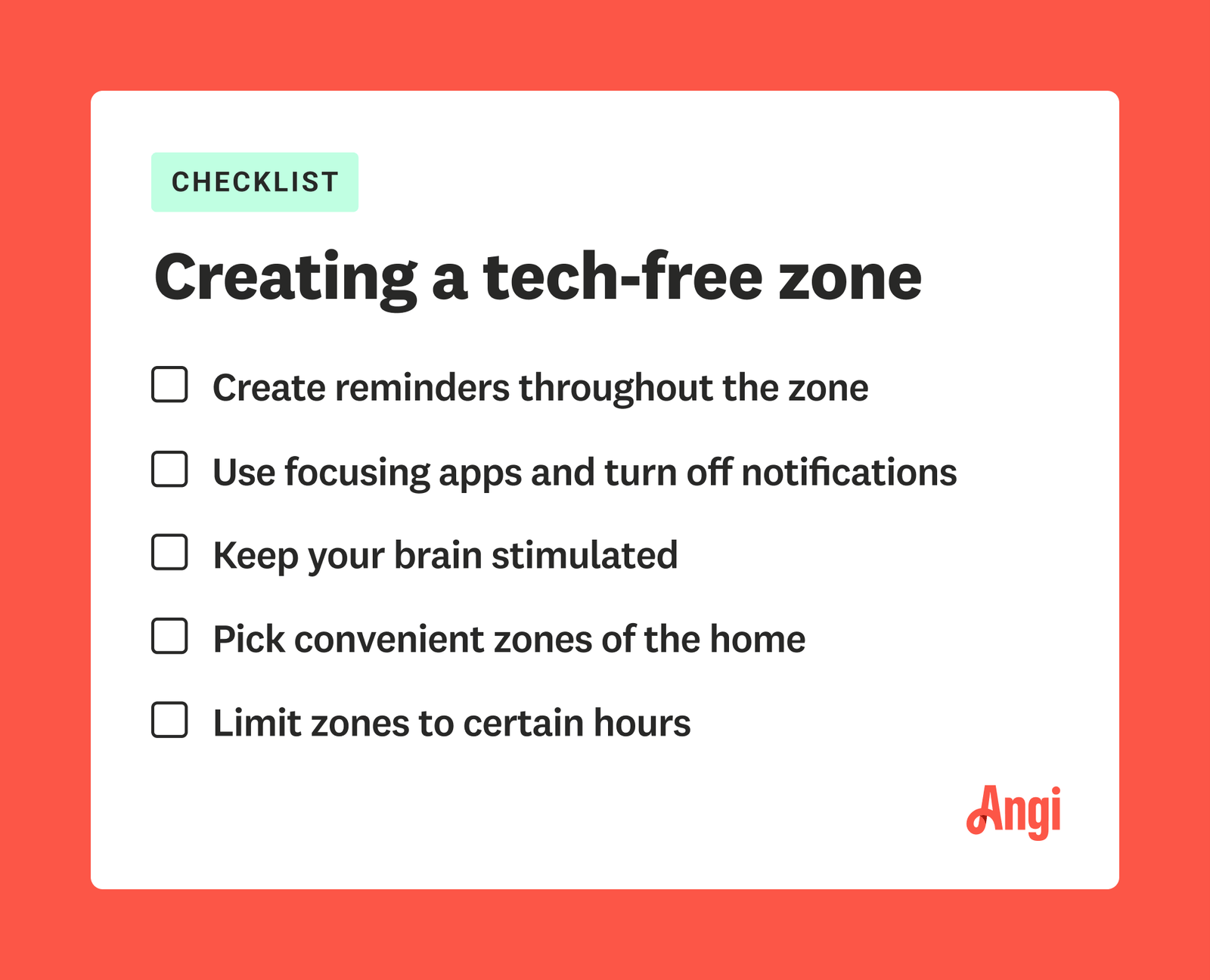
Tired of Your Home Feeling Like a Server Farm? Let’s Build Some Tech-Free Zones.
Look, we get it. Phones are glued to our hands. Tablets are everywhere. Smart speakers are listening. Your home, meant to be a sanctuary, feels more like a blinking, buzzing tech convention. It’s exhausting, right? But what if I told you that reclaiming your space, your sanity, and maybe even your family’s coection is totally doable? We’re talking about creating intentional tech-free zones. Not just shoving devices in a drawer, but building actual havens from the digital deluge. Ready to dive in? Good. Because this isn’t about ditching technology forever. It’s about smart boundaries. It’s about taking back control.
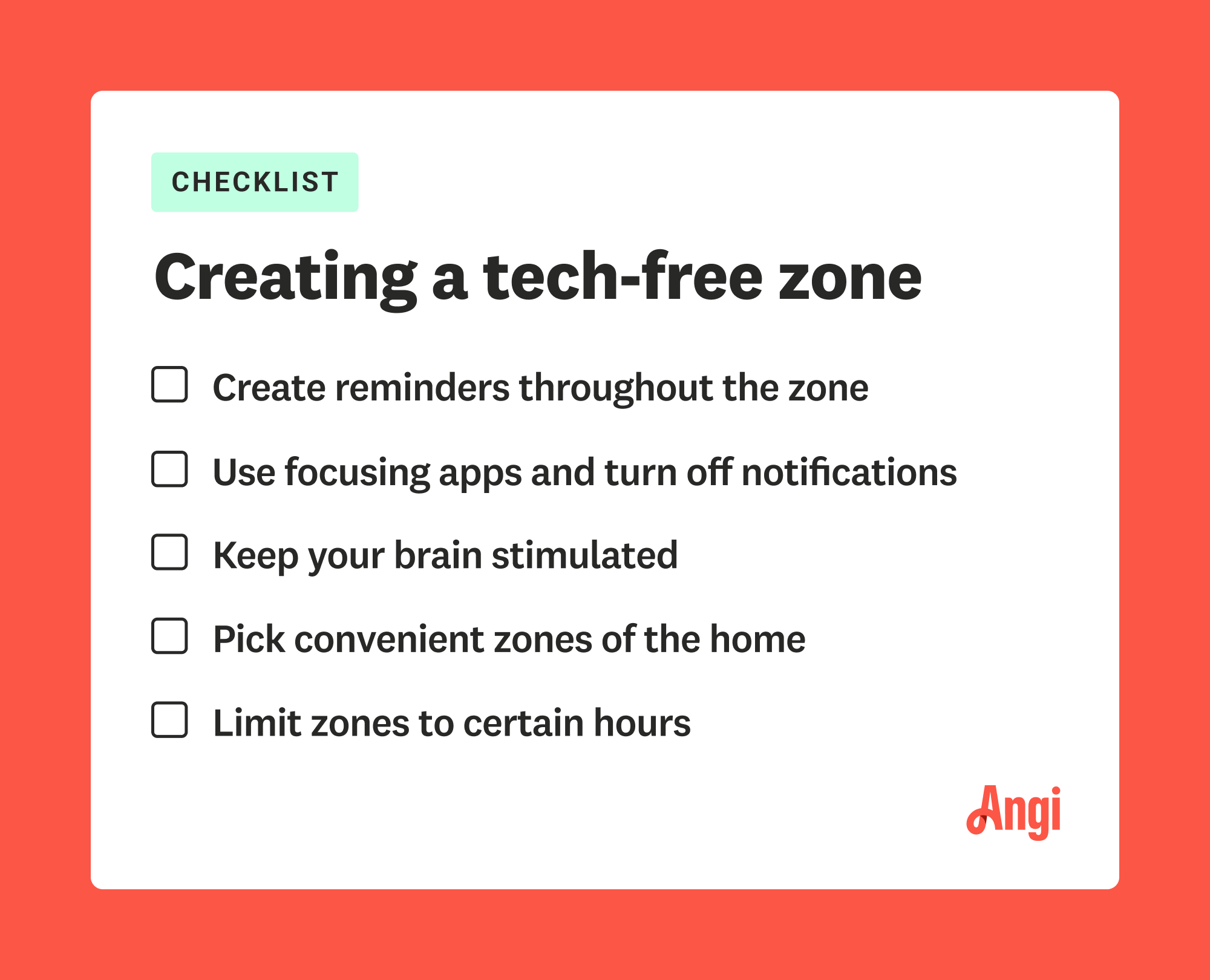
Source : angi.com
Why Bother With Tech-Free Zones Anyway?
Honestly, the constant digital hum is messing with us. We’re more stressed, sleep worse, and frankly, we’re missing out on real life happening right in front of us. Think about it. When was the last time you had a dier where everyone at the table was actually present, not just scrolling? Building a digital detox zone isn’t some hippie fad; it’s a practical, necessary step for modern living. It helps you recoect. Not just with your family, but with yourself. You might even find you’re more productive when you’re not constantly distracted. Big claims? Maybe. But worth a shot, considering the alternative.
This isn’t about being a Luddite. It’s about balance. You still need your phone for work, your laptop for emails, your smart TV for movie nights. But does that mean every square inch of your home needs to be bathed in blue light 24/7? Absolutely not. We’re carving out spaces. Sanctuaries. Places where conversations happen, where board games are played, where you can just… breathe. It’s about making technology serve you, not the other way around.

Source : ocpsychologycenter.com
Kitchen Table: The Original No-Phone Zone
Let’s start simple. Your kitchen table. This should be sacred ground. Remember when families actually talked over breakfast? Or plaed their day between bites of dier? Now, it’s a scrolling free-for-all for many. The fix? Easy. Declare the kitchen table a device-free zone during meals. No phones. No tablets. Nothing. If someone needs to take a call, they step away. But the core mealtime? That’s for human coection. This single rule can transform your family diers. Seriously. You’ll start hearing about your kid’s day again. You might even have a real conversation with your partner. It’s a small change with a huge impact. Try it. You might be surprised what you learn.
Think of it like this: the kitchen table is your first line of defense. It’s where the day often begins and ends for many families. Making it tech-free sets a precedent. It shows everyone that face-to-face interaction is valued. It’s not about punishment; it’s about creating a better environment. You could even make it fun! Maybe a silly timer that goes off when a phone appears. Or a small basket where everyone deposits their device before sitting down. Little rituals help solidify the habit. This is how you start building those tech-free habits.
The Living Room: From Entertainment Hub to Coection Central
The living room. Usually, the epicenter of screens. The TV, the gaming consoles, laptops… it’s a lot. So, how do we make this space less about passive consumption and more about active engagement? First, we designate a time. Maybe after dier, the TV is off limits. Or perhaps certain nights are strictly screen-free. During these times, what do you do? Read books. Play board games. Talk! Rediscover those dusty records or that puzzle you’ve been meaning to finish. The goal is to fill the void left by screens with something more meaningful.
Consider your furniture arrangement too. Is everything facing the TV? Try shifting things. Create conversation nooks. Put a bookshelf in a prominent spot. Make activities other than screen-gazing more appealing. We’re trying to shift the room’s purpose. From a media consumption pit to a place where people actually interact. It sounds drastic, but it’s just about making intentional choices. You might need to get creative. Maybe a designated ‘game shelf’ or a cozy reading corner with good lighting. It’s all about making the alternative to screens the easy choice.
And let’s not forget the power of a simple rule: no phones in bed. This is HUGE. Blue light disrupts sleep. The constant temptation to scroll keeps your brain wired when it should be winding down. This is where a lot of sleep problems start. So, your bedroom? That should be a tech-free sanctuary. A place for rest, relaxation, and maybe, you know, actual sleep. This is probably one of the most impactful changes you can make for overall well-being. Seriously, try it for a week. You’ll feel the difference.

Source : youtube.com
Bedrooms: Reclaiming Your Sleep Sanctuary
Bedrooms are personal spaces. They should be for rest and rejuvenation, not for late-night doomscrolling or endless TikTok binges. So, banishing devices from the bedroom is a non-negotiable for establishing a true tech-free zone. This means no phones, no tablets, no laptops. What do you do instead? Read a physical book. Listen to a podcast on a non-smart speaker (or just an old-school alarm clock radio). Meditate. Talk to your partner. Even just staring at the ceiling can be more productive than scrolling. The key is to signal to your brain that this space is for winding down.
Think about where you charge your devices. If it’s in your bedroom, you’re basically begging for temptation. Move the charging station to the living room or kitchen. Invest in a simple, old-fashioned alarm clock. It’s a small change that removes a massive temptation. This is about making the desired behavior (sleeping) the easiest behavior. And that means removing the obstacles (your phone).
The Kid’s Room: Fostering Healthy Habits Early
Okay, dealing with kids and tech is a whole other beast. But the same principles apply. Their bedrooms should primarily be spaces for play, rest, and imagination. Allowing screens in there 24/7 blurs those lines. Setting up tech-free kids’ rooms is crucial for their development. It encourages imaginative play, reading, and simply being bored—which, believe it or not, is good for creativity! Imagine toys not competing with video games for attention. That’s the goal.
Start with clear rules. No devices in the bedroom after a certain hour. Maybe no devices in the bedroom at all except for specific, supervised times. Provide alternatives! Bookshelves stocked with engaging reads, art supplies, building blocks, board games. Make their room a fun place to be without a screen. You’re essentially curating an environment that promotes healthy development. It’s not about deprivation; it’s about enrichment. This requires effort, but the payoff for your child’s well-being is immense.
Source : linkedin.com

Creating the ‘Tech Corral’: A Designated Device Dump
So, where do all these devices go when they’re not in use? You need a ‘Tech Corral.’ A designated spot where everyone deposits their gadgets. This could be a stylish basket in the living room, a shelf in the kitchen, or even a specific drawer. The key is that it’s out of sight, out of mind. When devices are put away, they’re not tempting you every time you glance across the room. This makes sticking to your tech-free rules so much easier. It’s a visual cue that you’re stepping out of the digital world.
This ‘corral’ needs to be accessible enough that it doesn’t feel like a chore to put devices there, but not so convenient that it defeats the purpose. Think about charging stations too. If you move your charging station out of the bedroom, where does it go? Maybe a central hub in the kitchen or living room. This encourages people to leave their devices in common areas rather than their private sanctuaries. It’s a simple logistical shift that has big psychological effects. A digital detox zone needs a home for the tech.
Setting the Ground Rules: No More Ambiguity
This is where many people stumble. Vague rules like ‘use tech less’ just don’t work. You need concrete, specific guidelines. For example: ‘No phones at the dier table.’ ‘No screens in the bedroom after 9 PM.’ ‘Family game night is device-free.’ Write these rules down! Put them on the fridge. Make them visible. This eliminates arguments and confusion. Everyone knows exactly what the expectations are. This clarity is essential for success. These are your family tech rules.
Consider involving the whole family in setting these rules (especially older kids). When they have a say, they’re more likely to buy in. Discuss why these boundaries are important – better sleep, more family time, less distraction. Frame it positively. It’s not about restriction; it’s about gaining something valuable back. Maybe you agree on a certain amount of ‘free screen time’ each day, but outside of that, the tech-free zones are respected. Compromise where appropriate, but hold firm on the core principles.
Make It Appealing: Beyond Just ‘No’

Source : strengthpsychology.org
Simply saying ‘no’ to tech often leads to rebellion. Instead, make the alternative activities incredibly appealing. Stock your bookshelves. Have board games readily available. Keep craft supplies accessible. Create cozy reading nooks. The goal is to make non-tech activities the more enticing option. If your living room has comfortable seating, good lighting, and interesting books, people will naturally gravitate towards it for conversation or relaxation, rather than the glowing screen. Think about creating an inviting atmosphere.
You can even gamify it. Reward adherence to the rules. Maybe a pizza night for a week of successful tech-free diers. Or a special outing for a month of respecting the screen-free bedroom rule. Positive reinforcement goes a long way. It turns compliance into a shared goal, not a chore. Making the absence of tech a positive experience is key to long-term success. This isn’t just about removing distractions; it’s about creating a richer home environment.
Tech-Free Vacation: Taking the Break on the Road
Why stop at home? Extend the concept to your vacations! This is prime time for a true digital detox. Imagine a trip where the focus is entirely on the experience, the scenery, and the people you’re with, not on checking emails or posting Instagram stories. Leave the laptops behind. Set strict phone usage rules. This is where you can really recharge your batteries and recoect with what matters. It reinforces the habits you’ve built at home.
This doesn’t mean going completely off-grid unless that’s your jam. It means being intentional. Use your phone for navigation and essential communication, but put it away otherwise. Take photos with a dedicated camera if you want. The point is to break the constant, almost unconscious habit of reaching for your phone. A tech-free vacation is a powerful way to reset your relationship with technology. It shows you how much you don’t miss it when you’re fully present.
Troubleshooting: When the Tech Creep Happens
Let’s be real: tech has a way of creeping back in. Someone forgets. Someone ‘just needs to check something quickly.’ Don’t get discouraged. Address it calmly and consistently. Remind people of the rules. Reiterate the ‘why.’ Maybe you need to adjust the rules slightly – perhaps the designated charging station needs to be moved again. Consistent, calm correction is key. This is a marathon, not a sprint. The goal is progress, not perfection.
Watch: How Can I Create Tech-free Zones In My Home? – Ultimate …
It’s also about leading by example. If you’re setting the rules but constantly breaking them yourself, your family won’t take them seriously. Own your slip-ups and get back on track. Perhaps you need to build in more ‘tech breaks’ if the current rules feel too restrictive. The goal is to find a sustainable balance for your family. The occasional slip-up doesn’t mean failure; it means you’re human. What matters is getting back to your tech-free goals.
The Long Game: A More Present, Peaceful Home
Establishing tech-free zones isn’t a one-time fix. It’s an ongoing practice. It requires communication, consistency, and a willingness to adapt. But the rewards? Oh, they’re huge. A home where people actually talk to each other. Where you can enjoy a meal without a screen. Where bedrooms are for sleeping, not scrolling. Where your kids learn to entertain themselves without a digital pacifier. It’s about creating a more peaceful, present, and coected life. It’s about reclaiming your home as a sanctuary, not a data stream. You can do this.
Think about the future. As technology continues to evolve, these boundaries will become even more important. Being intentional now sets your family up for a healthier relationship with technology moving forward. It’s an investment in well-being, in relationships, and in peace of mind. So, start small. Pick one zone. Make one rule. And watch how it transforms your home. It’s time to take back your living space. Start building those peaceful zones today.
Frequently Asked Questions About Tech-Free Zones
How to create a tech-free zone?
Start by picking a specific area, like the kitchen table or bedroom. Then, set clear, simple rules like ‘no phones during meals’ or ‘devices stay out of the bedroom.’ Make sure everyone knows the expectations and why they’re important. Provide appealing alternatives to screen time, like books or games. Consistency is key; gently remind people of the rules when they slip up. You’re essentially designating areas for specific activities that don’t involve screens. This is how you establish tech-free boundaries.
What does creating device-free zones do?
Creating device-free zones significantly improves focus, reduces stress, and boosts in-person communication. It helps people discoect from the digital world to recoect with themselves and others. For kids, it encourages imaginative play and better sleep. For adults, it can mean better sleep, reduced anxiety, and a greater appreciation for the present moment. It’s about reclaiming your time and attention. Think of it as creating space for real life to happen.
What are three examples of technology in your home?
Three common examples of technology in your home are smartphones, smart TVs, and laptops or computers. Smartphones are ubiquitous for communication and information. Smart TVs offer streaming services and internet coectivity. Laptops and computers are essential for work, education, and entertainment. These devices, while useful, are often the primary targets for tech-free zone rules because they’re so pervasive and engaging.
How to make your home a smart home?
Making your home a smart home involves integrating internet-coected devices that can be controlled remotely. This typically includes things like smart thermostats (e.g., Nest), smart lighting (e.g., Philips Hue), smart speakers (e.g., Amazon Echo, Google Home), smart security systems, and smart appliances. You’ll usually need a reliable Wi-Fi network and often a central hub or app to manage all these devices. It’s about adding convenience and automation through coected technology.
How can I create a digital detox zone with young children?
Creating a digital detox zone with young children means making it fun and play-focused. Designate a specific area, like a play mat or a corner of their room, as screen-free. Fill it with engaging toys, books, and art supplies. Set clear, simple rules about when screens are allowed (e.g., only during specific ‘screen time’ slots). Lead by example by participating in non-screen activities with them. Positive reinforcement, like praising them for playing imaginatively, works wonders. The key is to make the non-digital options more exciting than the screens. You can find great tips for creating a digital detox zone.
Is it important to have tech-free areas in my house?
Absolutely! Having tech-free areas is incredibly important for mental well-being and family coection. Constant exposure to screens can lead to stress, poor sleep, and decreased focus. Designating spaces like the dining table or bedrooms as tech-free encourages face-to-face conversations, improves sleep quality, and allows for more imaginative or relaxing activities. It helps create a balanced environment, preventing technology from dominating your home life. It’s about intentionally creating spaces for unplugged living, like building a screen-free zone in your home.
What’s the best way to enforce tech-free rules at home?
The best way to enforce tech-free rules is through consistency, clear communication, and positive reinforcement. Make the rules explicit and visible (e.g., on the fridge). Involve the family in setting them, so there’s buy-in. Lead by example—if you’re not following the rules, no one else will. Address violations calmly and consistently, reminding everyone of the purpose behind the rules. Consider a ‘tech corral’ where devices are stored. Rewarding adherence can also help. It’s about building habits over time, not perfection. This approach is crucial for creating a successful digital detox zone at home.