Stop Losing Your Crypto: A Brutal Guide to Wallet Security
Look, let’s cut the crap. You’ve got crypto. That’s awesome. But are you sure it’s actually yours? Or is it just sitting there, a juicy target for every hacker with a keyboard and a dream? We’re not talking about some distant threat here. These guys are good. They’re fast. And they’re coming for your digital gold. If you think a strong password is enough, you’re already behind. We need to talk about real security. The kind that actually works.
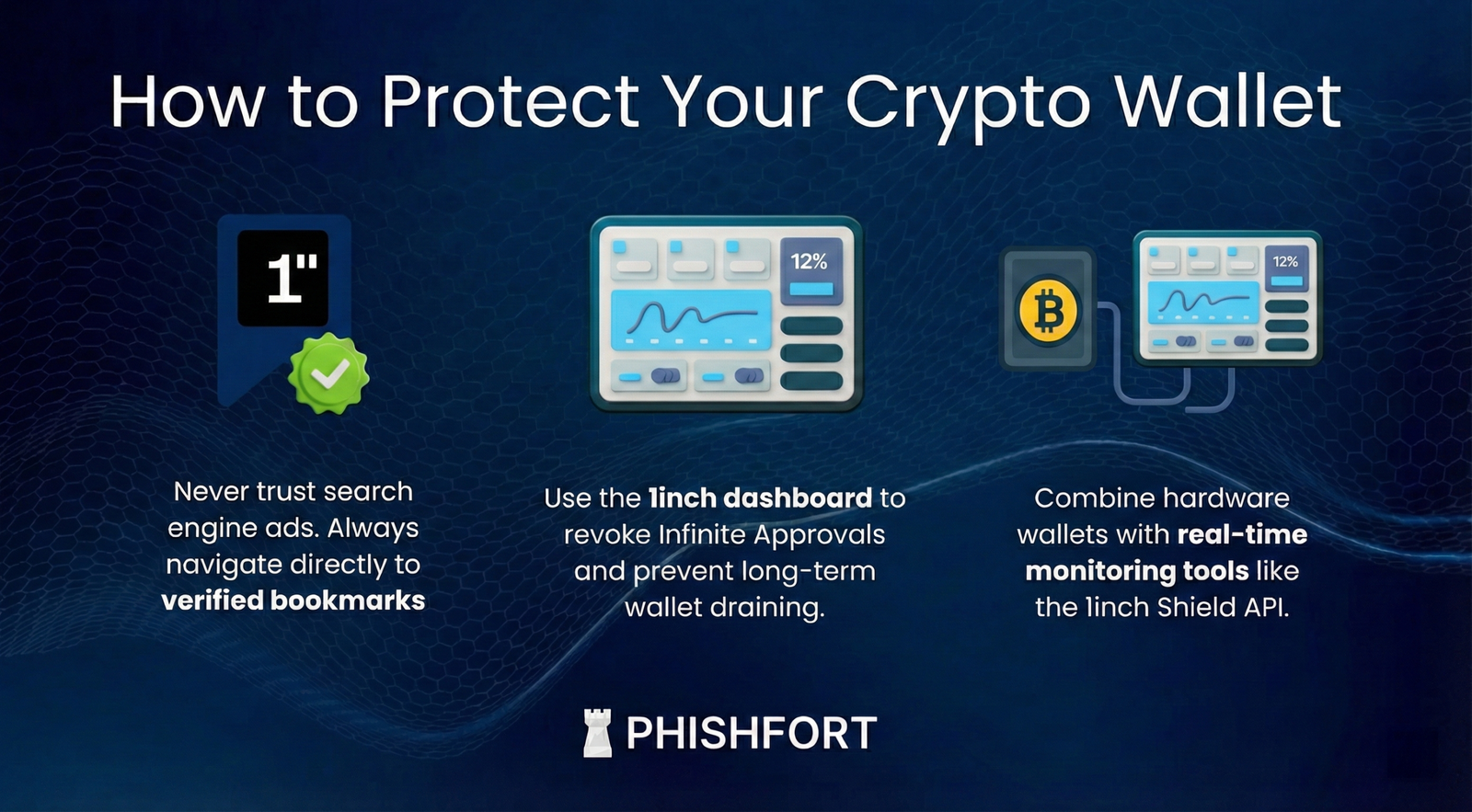
Source : phishfort.com
The Crypto Heist Playbook: How They Get Your Stuff
So, how do these digital bandits actually snatch your hard-earned crypto? It’s not usually a single, massive hack. Think more like a thousand tiny cuts. They’re slick. They play the long game. And they exploit the weakest link: you. Or rather, your habits. It’s a whole damn industry built on tricking people. And honestly? They’re getting damn good at it. We’re talking about sophisticated hacking techniques that look legit. It’s a constant battle, a cat-and-mouse game where they’re always trying to iovate.
Phishing: The Oldest Trick in the Book, But Way Better
Phishing is still king. But forget those dodgy emails from a Nigerian prince. These attacks are way more convincing now. Think fake login pages that look EXACTLY like your exchange’s site. Or a pop-up saying your wallet needs an urgent update. They’ll even fake support chats. One wrong click, one piece of info you give away, and boom. Your crypto is gone. They’ll even create fake wallet apps that look real enough to fool anyone. It’s brutal how convincing these scams can be.
Remember that time I almost fell for that fake Ledger update? Scary stuff. The site looked identical. I typed in my seed phrase before my brain caught up. Thank God I stopped myself. A split second later, and it would have been game over. These phishing attacks are designed to trigger your panic or greed. Don’t let them.
Social Engineering: Playing Mind Games
This is where they mess with your head. They build trust. Maybe they pose as a friend needing help, a support agent, or even a romantic interest (that’s the dreaded ‘pig butchering’ scam). They’ll spend weeks, months even, gaining your confidence. Then, when you least expect it, they ask for a small ‘favor.’ Like sending a tiny amount of crypto to ‘verify’ a new wallet. Or asking you to click a link to ‘fix’ something. Suddenly, your whole stash is theirs. It’s a nasty business, preying on human coection.
These scams are insidious. They target your emotions. A buddy of mine lost his entire savings because he thought he was helping out a ‘girlfriend’ he met online. She convinced him to send her crypto, promising to double it. He never saw her, or his money, again. It’s a classic example of social engineering schemes at play.
Source : trustwallet.com
Malware: The Silent Invader
Viruses, Trojans, keyloggers – they’re all part of the arsenal. Malware can infect your computer or phone, lurking in the background. It records everything you type (hello, passwords and seed phrases!), takes screenshots, or even redirects your transactions to the scammer’s address. It’s like having a spy in your own device. You won’t even know it’s there until it’s too late.
I heard about a guy who installed what he thought was a legitimate trading bot. Turns out it was loaded with malware. It sat there for months, siphoning off tiny amounts of crypto with every transaction. By the time he figured it out, he’d lost thousands. This highlights the danger of malicious software that operates unseen.
Exchange Hacks & Centralization Risks
Storing all your crypto on an exchange? That’s like keeping your life savings under your mattress. Exchanges are massive targets. If they get breached, your funds could vanish. It’s happened before, and it’ll happen again. Plus, you don’t truly control the private keys. The exchange does. That’s a huge risk, plain and simple. You’re trusting someone else’s security.
Look at the FTX collapse. Millions gone overnight. Why? Centralization. Users trusted a company with their money and their keys. When that company failed, so did their crypto. It’s a stark reminder that exchange hacks are a real threat. It’s why people talk about self-custody so much.
Hot Wallets vs. Cold Wallets: The Big Debate
Alright, let’s get practical. You need a wallet. But which kind? This is where things get crucial. We’ve got hot wallets and cold wallets. And yeah, there’s even warm wallets, but let’s keep it simple for now. Your choice here dramatically impacts your security posture.
Hot Wallets: Convenient, But Risky
Hot wallets are coected to the internet. Think browser extensions (like MetaMask), mobile apps, or desktop software. They’re super convenient for frequent trading and easy access. You can zap crypto around in seconds. But that internet coection? It’s also their biggest weakness. If your device gets compromised, or you interact with a malicious site, your hot wallet is potentially exposed. It’s a trade-off: convenience versus security.
I use MetaMask for small, everyday transactions. Like buying an NFT or sending a few bucks to a friend. It’s easy. But I’d never, ever store significant amounts of crypto in it. The risk is just too high. For anything substantial, it’s off to the cold storage.
Cold Wallets: The Fort Knox of Crypto Storage
Cold wallets, also called hardware wallets, are offline. They store your private keys completely discoected from the internet. Think devices like Ledger or Trezor. You plug them in only when you need to make a transaction, and even then, the keys never leave the device. This makes them incredibly secure against online threats. It’s the gold standard for holding significant crypto assets. Seriously, if you have more than a few hundred bucks in crypto, you NEED a hardware wallet.
My Trezor is my best friend. It sits in my safe deposit box, completely offline. When I need to move serious crypto, I pull it out, plug it into a secure machine, confirm the transaction on the device itself, and then put it back. It’s not as convenient as a hot wallet, but the peace of mind? Priceless. It’s the best way to protect against online threats.
Custodial vs. Self-Custody: Who Holds the Keys?
This is HUGE. A custodial wallet means someone else (like an exchange) holds your private keys. You trust them. A self-custody wallet means YOU hold the keys. Your crypto, your control. Generally, self-custody is far more secure for long-term holding. Why? Because no third party can freeze your assets or get hacked and lose your funds. You are solely responsible, which is both empowering and terrifying.
Look, I’m all for convenience, but when it comes to serious crypto holdings, you absolutely need self-custody wallets. Relying on an exchange means you don’t really own your crypto. You own an IOU. That’s a dangerous game to play in this volatile market.

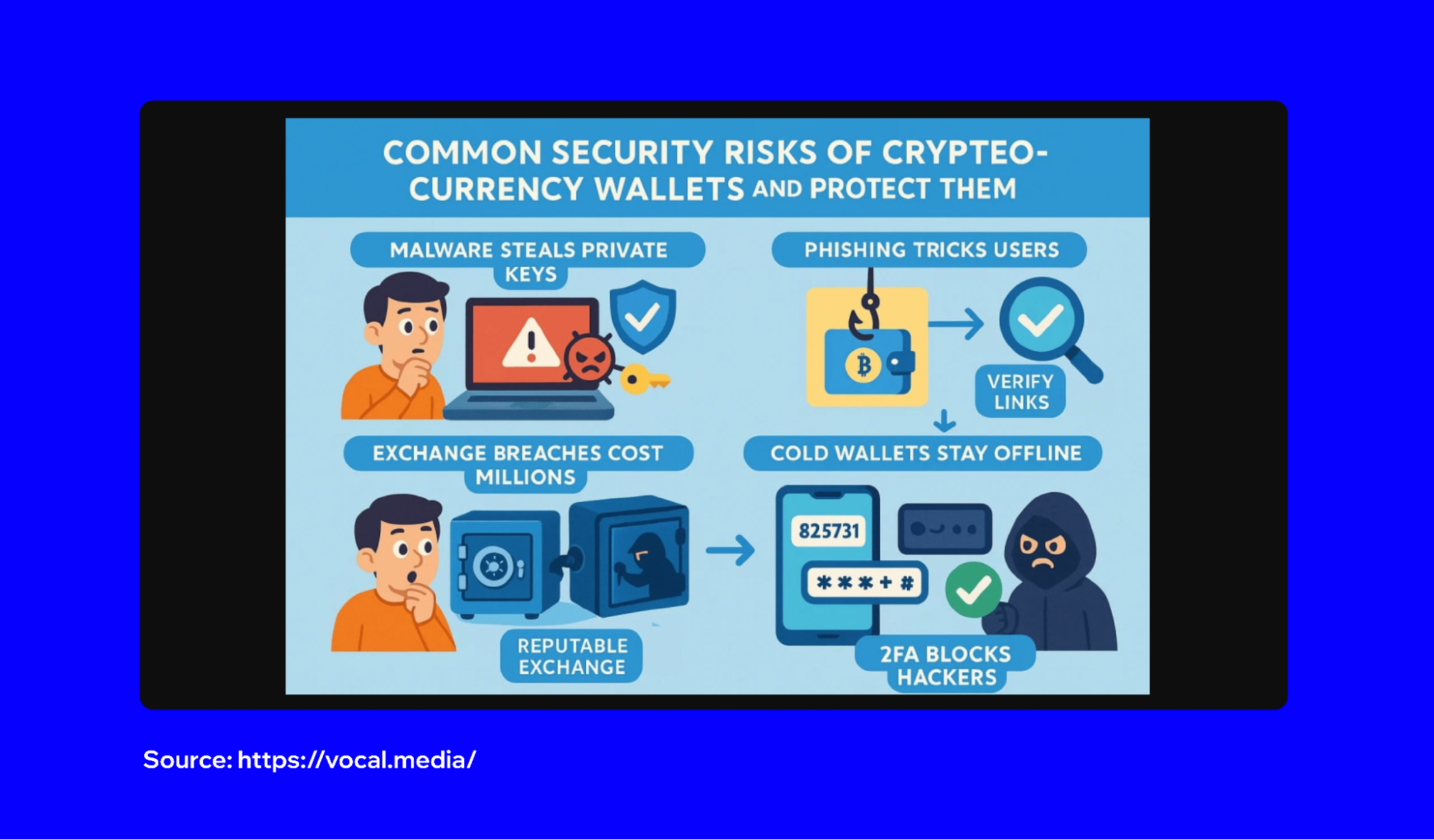
Source : vocal.media
Protecting Your Seed Phrase: The Nuclear Code
Your seed phrase (or recovery phrase) is the master key to your crypto kingdom. It’s usually 12 or 24 words. If anyone gets this, they can access ALL your funds, no matter what wallet you use. This is NOT something you treat lightly. Think of it like the nuclear launch codes. Protect them like your life depends on it, because your financial life probably does.
NEVER Store It Digitally
No photos on your phone. No text files on your computer. No cloud storage (Google Drive, Dropbox, etc.). No email. Anywhere digital is a potential breach point. Scammers are actively scaing for these. A compromised device means your seed phrase is compromised. It’s that simple and that brutal.
I once saw a post where someone accidentally screenshotted their seed phrase and uploaded it to Discord. Instant hack. Gone. Don’t be that person. Treat your seed phrases like the crown jewels. They are literally the keys to your digital wealth.
Write It Down. Offline. Multiple Times.
The safest bet? Write your seed phrase down on paper. Or etch it into metal. Something durable and completely offline. Then, store copies in multiple, secure, geographically dispersed locations. Think a fireproof safe at home, a safe deposit box at a bank, maybe with a trusted family member (if they’re tech-savvy and trustworthy!).
I have mine etched on steel plates. One is hidden in my home safe, another is in a bank vault. It sounds extreme, but losing your crypto because you were lazy with your seed phrase? That’s infinitely worse. It’s about encrypted backups of your most critical data.
Use a Password Manager for Your Wallet Password
While the seed phrase is the ultimate backup, your wallet itself will likely have a password or PIN. Use a reputable password manager (like 1Password or Bitwarden) to generate and store a strong, unique password for each wallet. Don’t reuse passwords. Ever. A compromised password is bad; a compromised seed phrase is catastrophic.
Seriously, stop using `password123` or your dog’s name. Get a password manager. It’s a no-brainer for managing strong passwords and keeping them secure. Most good ones cost less than a cup of coffee per month.
Advanced Security Moves for the Serious Holder
Okay, you’ve got the basics down. You’re using a hardware wallet, protecting your seed phrase like a hawk. But what else can you do? The threats keep evolving, so your defenses should too. We need to get smarter, dig deeper.
Multi-Signature Wallets: The Buddy System for Your Funds
Multi-sig wallets require multiple private keys to authorize a transaction. Think of it like needing two or three different keys to open a vault. This is fantastic for businesses or even families wanting shared control but with added security. It means a single compromised key or stolen device isn’t enough to drain the funds. You need multiple points of failure to be hit.
For my business accounts, we use a 2-of-3 multi-sig setup. It means two of our three keyholders need to sign off on any significant transaction. It prevents one rogue employee (or a hacker who gets one key) from stealing everything. It’s a really solid approach to multi-signature wallets.
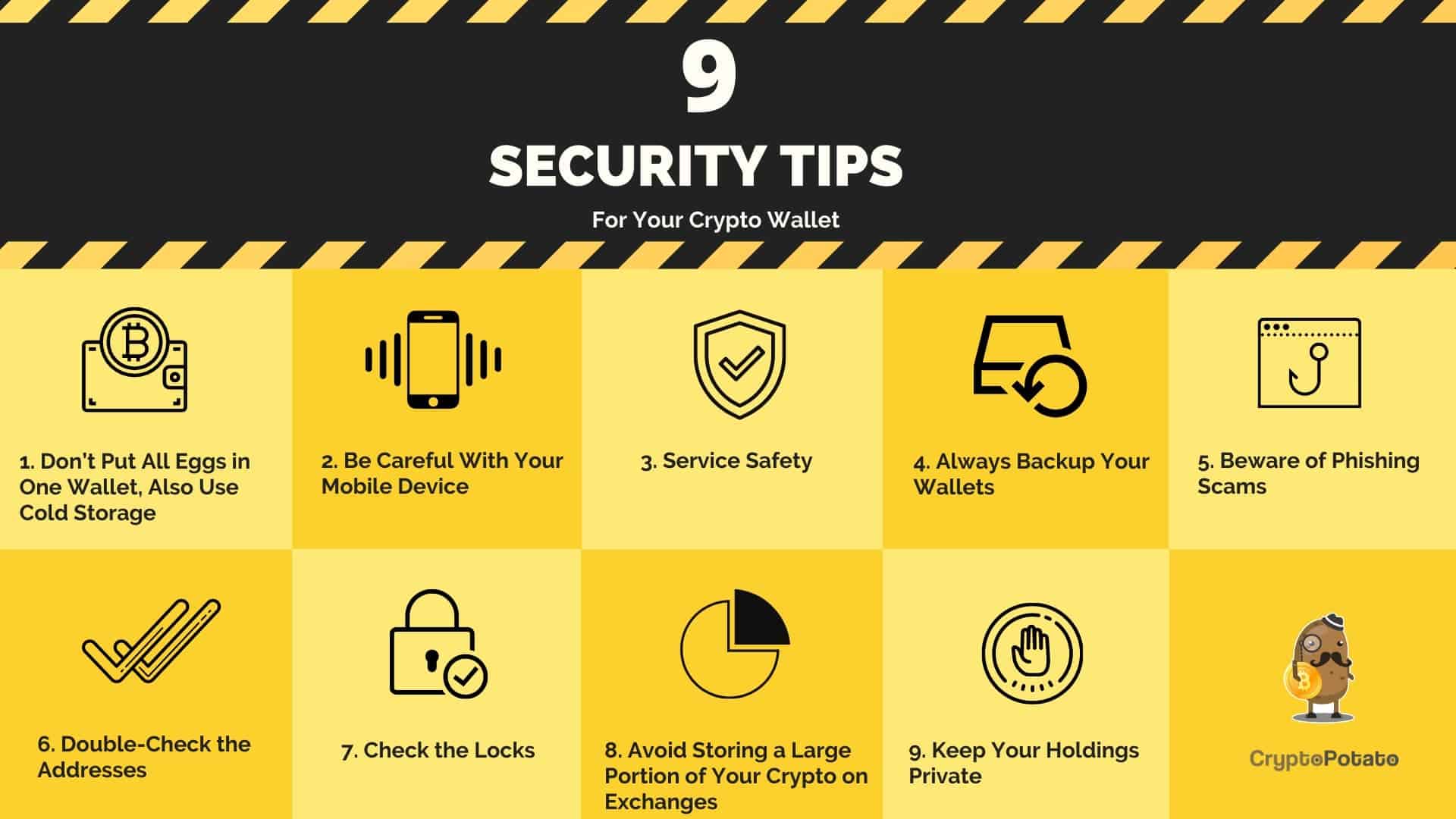
Source : cryptopotato.com
Using Multiple Wallets: Don’t Keep All Your Eggs in One Basket
Why have just one wallet when you can have several? Use different wallets for different purposes. A hot wallet for small daily expenses. A hardware wallet for your main investment. Maybe another hardware wallet for funds you plan to stake long-term. Spreading your assets across multiple wallets makes it harder for any single attack vector to wipe you out completely. It’s basic risk management, really.
I personally have at least five wallets. One for NFTs, one for active trading, a couple for long-term holds, and one dusty old one I barely touch. It feels like overkill sometimes, but it compartmentalizes risk. Having multiple wallets is just smart practice.
Hardware Wallet Best Practices: Beyond Just Buying One
Don’t just buy a hardware wallet and forget about it. Use it correctly! Always buy directly from the manufacturer (Ledger, Trezor, etc.), NEVER from a third-party seller. Unbox it carefully and check for any signs of tampering. Re-initialize the device and generate a NEW seed phrase; don’t trust the one that might come pre-programmed (which is rare but possible).
And crucially, when you need to recover your wallet (e.g., your device is lost or broken), use your SEED PHRASE on a NEW, trusted device. Never enter your seed phrase into a computer or phone if prompted by software. The phrase itself IS the backup. It’s about following hardware wallet security protocols to the letter.
Consider Shamir’s Secret Sharing (Advanced)
This is getting really advanced, but Shamir’s Secret Sharing (SSS) allows you to split your seed phrase into multiple ‘shards.’ You can then set it up so that, say, 3 out of 5 shards are needed to reconstruct the original seed phrase. This adds another layer of security, especially if you’re worried about a single location being compromised. You can store the shards in different places, making it much harder for an attacker to get everything.
It’s complex, no doubt. But if you’re managing serious wealth, techniques like SSS can be a game-changer. It’s about making your security as complex as possible for potential attackers.
Staying Ahead of the Scammers: Vigilance is Key
The crypto world moves fast. New scams pop up daily. The best defense? Staying informed and staying vigilant. Don’t get complacent. Security is not a one-time setup; it’s an ongoing process.
Verify Everything: URLs, Emails, DMs
Think that email looks official? Double-check the sender’s address. Hover over links BEFORE clicking to see the actual URL. Is that DM from a ‘support’ account? Go to the official website and use their official contact methods. Scammers rely on you being lazy. Don’t be lazy. Confirming legitimacy is vital. Make sure you’re interacting with the official website and not a fake.
I always check the domain name VERY carefully. Is it `binance.com` or `binance.info` or `binance-login.net`? Tiny differences matter. PhishFort has some great tips on proactive URL verification; it’s worth looking into how they defeat search engine phishing. Seriously, spend a few seconds to verify URLs. It’s saved me countless times.
Be Skeptical of ‘Too Good To Be True’ Offers
Free crypto giveaways? Guaranteed high returns? A secret investment opportunity from a celebrity? If it sounds too good to be true, it absolutely is. These are almost always scams designed to get you to send them crypto first. No legitimate project operates like that. Be wary of investment scams that promise the moon.
That ‘Elon Musk’ giveaway on Twitter that asks you to send 1 ETH to get 2 ETH back? Yeah, right. You send your ETH, and it vanishes into the scammer’s wallet. Just ignore them. Don’t feed the trolls (or the scammers).

Source : stellarcyber.ai
Secure Your Other Accounts
Your crypto security isn’t just about your wallets. It’s about your entire digital life. Secure your email accounts (the one you use for sign-ups, password resets, etc.) with strong, unique passwords and two-factor authentication (2FA). Secure your social media accounts. A hacked email can be used to reset passwords on exchanges or wallets, giving attackers access. It’s all coected.
Enable 2FA everywhere you possibly can. Use an authenticator app (like Google Authenticator or Authy), not just SMS-based 2FA if possible, as SIM swapping is a real threat. Protecting your digital assets means protecting the gateways to them.
Stay Updated on New Threats
The cybersecurity landscape is constantly changing. New attack vectors emerge all the time. Follow reputable crypto security news sources. Read blog posts from security firms. Understanding the latest threats helps you defend against them. Stellar Cyber, for instance, talks about advanced techniques for securing crypto wallets that go way beyond the basics. It’s crucial to keep learning.
Don’t bury your head in the sand. Be aware of what’s happening. Read up on the latest scams. Understand how criminals are profiting from crypto. It’s not just about technical measures; it’s about knowledge. Staying informed about crypto cybersecurity is your first line of defense.
The Bottom Line: Take Responsibility
Look, nobody else is going to protect your crypto for you. Not your exchange, not your grandma, not even me. It’s on you. You need to take responsibility for securing your own assets. Use hardware wallets. Guard your seed phrase like a dragon guards its hoard. Be skeptical. Be vigilant. If you do that, you’ll be miles ahead of most people getting rekt in the crypto space.
It’s not rocket science, but it does require effort. Put in the work now, or you’ll regret it later. Your future self (and your crypto balance) will thank you. Make securing your crypto a top priority.
Frequently Asked Questions
-
What's the single most important thing I can do to secure my crypto wallet?
Hands down, it’s protecting your seed phrase. This 12 or 24-word phrase is the master key. Never store it digitally. Write it down on paper or metal, and keep copies offline in secure, separate locations. Lose that, and you lose everything.
-
Should I keep my crypto on an exchange or in my own wallet?
For significant amounts, definitely use your own wallet, preferably a hardware wallet. Exchanges are huge targets for hackers. When your crypto is on an exchange, you don’t truly control the private keys. It’s ‘not your keys, not your coins’.
-
Are hardware wallets really that much safer than software wallets?
Yes, generally. Hardware wallets keep your private keys completely offline, making them immune to online threats like malware and phishing that can plague software (hot) wallets. Think of it like Fort Knox vs. a lemonade stand. For serious holdings, a hardware wallet is non-negotiable.
-
How can I avoid falling for crypto scams?
Be incredibly skeptical. If an offer sounds too good to be true, it is. Verify every URL and every message. Never share your seed phrase or private keys. Enable 2FA on everything. Scammers rely on you being hurried or greedy, so slow down and verify information before acting.
-
What's the deal with 'multi-sig' wallets?
Multi-signature (or multi-sig) wallets require multiple keys to authorize a transaction. It’s like needing two or three people to sign off on a big withdrawal. This adds a huge layer of security, especially for businesses or shared funds, as one stolen key isn’t enough to drain the account. It’s a fantastic tool for enhanced security.