Urban Foraging: A Begier’s Guide to Safe Harvesting
Think you need a fancy cabin deep in the woods to find wild edibles? Think again. Turns out, your city might be a buffet. Seriously. We’re talking about urban foraging, and yeah, it’s exactly what it sounds like: grabbing tasty, free food right from your urban backyard. But before you start stuffing your pockets with berries, hold up. This ain’t a free-for-all. Mess this up, and you could end up feeling way worse than hungry. We gotta talk about how to do this safely. It’s not just about finding food; it’s about finding the right food, in the right places. Get it wrong, and bye-bye, good time.
Source : amazon.com
Why Bother With City Greens?
Okay, so why would anyone bother dodging traffic and dodging suspicious looks to pick a dandelion? For starters, it’s free food. In a world where groceries cost an arm and a leg, finding edible plants literally growing wild feels like discovering a secret cheat code for life. Plus, it coects you to nature, even when you’re surrounded by concrete. It’s a scavenger hunt, a treasure map, and a picnic all rolled into one. You start seeing your neighborhood in a totally different light. That scraggly bush? Might be a berry jackpot. That patch of weeds? Could be a salad bar. It’s about rediscovering a skill our ancestors totally nailed.
And let’s be honest, there’s a certain satisfaction in eating something you found yourself. It’s a story. You didn’t just buy it; you found it. You identified it. You harvested it. It’s a direct coection to the earth, even if that earth is mostly pavement. It’s a way to reclaim a bit of self-sufficiency, to feel a little less reliant on the grocery store conveyor belt. It’s a skill that’s been around forever, and honestly, it feels pretty badass to pick it back up.

Source : mashable.com
The Golden Rules: Don’t Be That Person
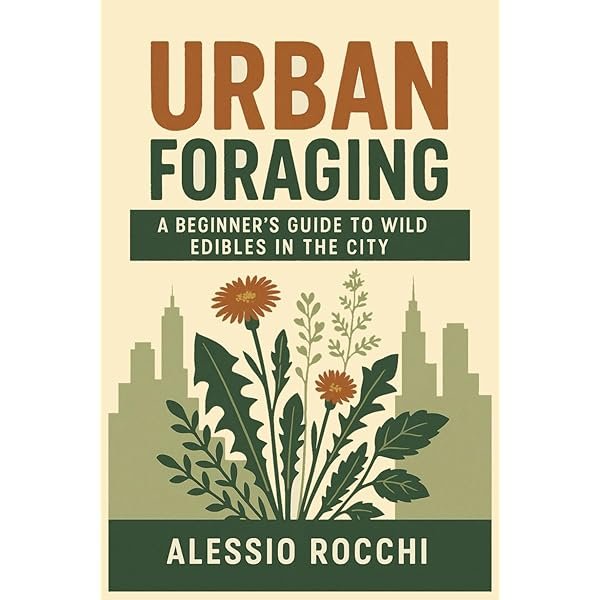
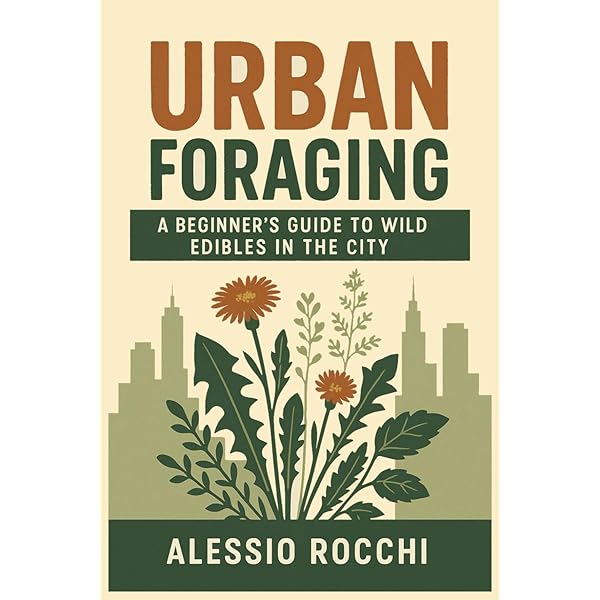
Alright, listen up. This is where things get serious. Urban foraging sounds cool, and it is, but it’s also got a dark side if you’re not careful. Rule number one? Know what you’re eating. Seriously. I caot stress this enough. Mistaking a poisonous plant for a tasty treat is a one-way ticket to the emergency room. Get a good field guide – like, a real one, not just an app that might be wrong. There are tons of great resources out there. This book on Amazon is a solid starting point for begiers. Don’t guess. Ever.
Next up: Location, location, location. Just because a plant is edible doesn’t mean you should eat it if it’s growing next to a busy highway. Think about pollution. Cars, industrial runoff, pesticides from lawns – it all gets absorbed by those plants. You want to find spots that are as clean as possible. Parks are often better than roadsides, but even then, check the park’s maintenance practices. Are they spraying chemicals? Are people walking their dogs everywhere? It’s about finding a balance between abundance and safety. You’re looking for pristine patches, not the most convenient ones.
And for crying out loud, don’t overharvest. You see a patch of delicious wild strawberries? Awesome. Take a few. Leave plenty for others, and more importantly, leave enough for the plant to survive and reproduce. Think sustainability. If you strip an area bare, it’s gone. You’ve ruined it for yourself and everyone else. Treat foraging like gardening – you’re tending to a resource, not just plundering it. A good rule of thumb is to take no more than 10% of what you find. That way, the plants can keep bouncing back. It’s about respecting nature, even the weeds.
Getting Started: Your First Foraging Adventure
So, you’re hooked, right? You want to dive in. Great! But where do you even begin? First, start small. Don’t try to identify fifty plants on your first day. Pick one or two common, easily identifiable plants in your area. Dandelions are a classic for a reason. Their leaves, flowers, and roots are all edible, and they’re pretty hard to mistake for something dangerous. Same goes for common purslane or chickweed. Familiarize yourself with these. Get a feel for what they look like, where they grow, and how they taste.
Source : farmsteady.com
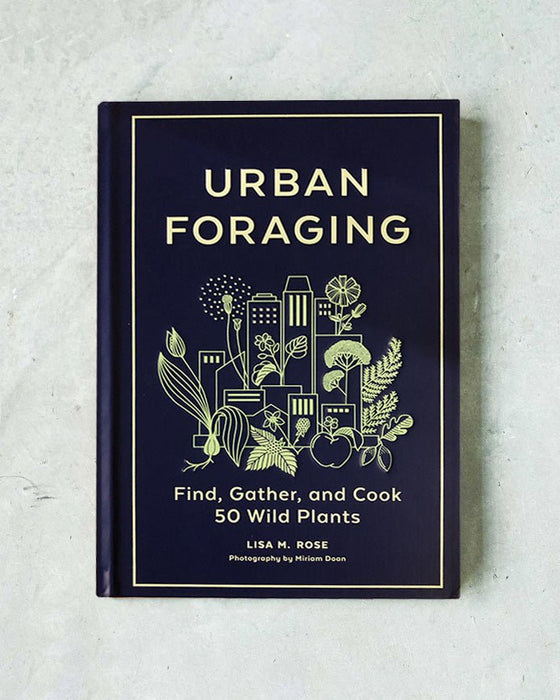
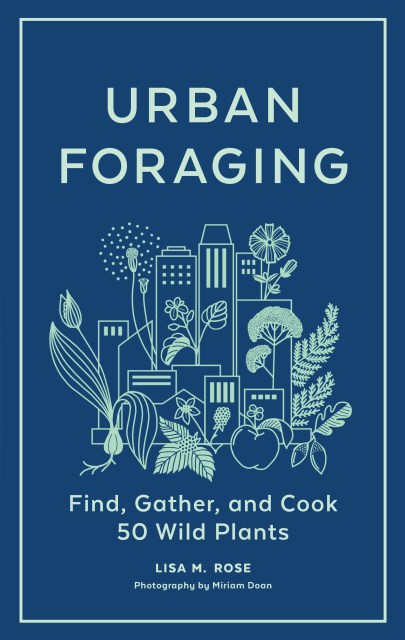
Next, get the right gear. You don’t need much, but a few things make life easier. A good pair of gloves is essential, especially if you’re dealing with prickly plants. A basket or sturdy bag for collecting is a must – forget plastic bags, they bruise everything. Some people carry a small trowel for digging roots, but honestly, for begiers, focus on above-ground stuff first. A good field guide is non-negotiable. I’m a big fan of physical books because your phone battery can die, but there are also great digital resources. Check out this guide for some solid safety tips. And maybe a magnifying glass? Super helpful for tiny details. This isn’t just about grabbing; it’s about careful observation and collection.
Talk to people. Find local foraging groups or experienced foragers. They’re a goldmine of information. Seriously, nothing beats learning from someone who’s been doing it for years. They can show you plants in person, point out the subtle differences between edible and toxic look-alikes, and give you the inside scoop on the best spots in your area. Online forums and social media groups can be good, but an in-person mentor is priceless. You can also check out resources like Mashable’s guide. Learning from others is key for building confidence.
Edible City Flora: What to Look For
Okay, let’s talk specifics. What plants are actually lurking in your urban jungle, waiting to be harvested? Dandelions, as I mentioned, are everywhere. Their leaves are a bit bitter, great in salads when young, or cooked when older. The flowers can be made into wine or fritters. Purslane is another common one – a low-growing succulent with small, fleshy leaves, tasting a bit like lemon and cucumber. Delicious in salads or stir-fries. Chickweed looks like a tiny, delicate plant with small white flowers and pairs of leaves. It’s mild and great raw.
Wild garlic or ramps (if you’re lucky enough to have them nearby) are amazing. They look like lily-of-the-valley but smell distinctly of garlic or onion. Be careful with identification here; some toxic plants can look similar. Mallow is another common one, found in disturbed areas. Its leaves are round and soft, and the plant produces small, cheese-wheel-shaped fruits that are edible. Berries! Blackberries and raspberries are often found in neglected urban spaces, along fences or in alleyways. Just make sure they haven’t been sprayed and are far from heavy traffic. Learning to spot these common edibles is your first big step.
Remember the invasive species angle? Sometimes, foraging is actually good for the environment. Japanese knotweed, for example, is a super aggressive invasive plant that can destroy habitats. If you can harvest and eat it (it’s edible when young and cooked), you’re actually helping the local ecosystem. Always research what’s invasive in your specific region. It’s a win-win: you get food, and the environment gets a little breathing room. This is a great example of ecological foraging.
Source : hachettebookgroup.com
Safety First, Always. Period.
Let’s circle back to safety, because frankly, this is the most critical part of urban foraging. We’ve touched on pollution and identification, but there’s more. Allergies are a real thing. Even if a plant is generally considered safe, you might be allergic to it. Do a small skin test first (rub a bit on your ier elbow and wait 24 hours) and then a tiny taste test (eat a small amount and wait 24 hours) before you go making a whole meal. This is non-negotiable. It’s about personal sensitivity, not just general edibility.
Contaminated water sources are another biggie. Don’t forage anywhere near where industrial waste might have seeped into the ground or water. Think old factory sites, gas stations, or areas with known soil contamination. Heavy metals are nasty business and have no place in your diet. Stick to areas that look relatively clean and untouched. If you’re unsure about the soil quality, maybe skip that spot altogether. Your health is worth more than a few free greens. Prioritize clean environments.
And one last thought on identification: use multiple sources. Don’t rely on a single picture or a single description. Cross-reference. Compare. If there’s any doubt whatsoever, leave it. Seriously. It’s better to be safe than sorry. Think of it this way: if you’re not 100% certain, it’s not food, it’s a potential hazard. Use your senses – look, smell, touch (carefully!). But most importantly, trust your field guides and experts. This is about absolute certainty.
FAQ – Your Burning Questions Answered
What are some common mistakes in foraging?
Oh man, where to start? The biggest one is definitely misidentification – eating the wrong thing and getting sick. That’s terrifying. Another huge mistake is overharvesting. People get greedy and clear out a whole patch, killing it for future seasons. Pollution is another big one; people grab plants from roadsides or near industrial sites without thinking about toxins. And sometimes, people just don’t harvest properly – they damage the plant or don’t use the right part. It’s all about respecting the plant and the environment, really. You gotta be patient and learn slowly.

Source : amazon.com
Is urban foraging safe?
It can be safe, but you have to be smart about it. It’s not inherently dangerous if you know what you’re doing. The main risks are polluted areas and misidentifying plants. If you stick to cleaner spots (away from busy roads and industrial runoff) and are 100% sure of your identification using reliable guides, then yeah, it’s pretty safe. Always do a taste test if you’re unsure about allergies. It’s all about informed choices and vigilant practices.
How can I start foraging as a begier?
Easy peasy. First, get a good field guide specifically for your region. Seriously, buy one. Then, pick ONE super common, unmistakable plant – like dandelions. Learn everything about it. Where it grows, what it looks like in different stages, how to prepare it. Go out and find some, but only harvest if you’re 100% sure and the location is clean. Once you’re confident, add another plant. Find a local foraging group or an experienced mentor if you can. It’s a gradual process, focusing on learning and safety first.
What if I find a plant I don’t recognize?
Simple: Don’t eat it. Seriously. If you can’t identify it with 100% certainty using at least two reliable sources, leave it alone. Maybe take a picture, note where you found it, and try to identify it later. There are tons of apps and online communities that can help with identification, but never, ever rely on them solely for edibility. It’s better to be cautious and miss out on a meal than to risk getting sick. Stick to what you know for sure.
Are there specific times of year for urban foraging?
Absolutely! Just like any gardener knows, timing is everything. Spring is fantastic for young, tender greens like dandelion and chickweed. Summer brings berries like raspberries and blackberries, and edible flowers. Fall is great for roots, nuts, and late-season greens. Winter? Well, it’s tougher, but some evergreens and roots are still available. Knowing the seasonal cycles is key to successful foraging. You have to adapt to what nature offers when.
Frequently Asked Questions
-
What are some common mistakes in foraging?
Oh man, where to start? The biggest one is definitely misidentification – eating the wrong thing and getting sick. That’s terrifying. Another huge mistake is overharvesting. People get greedy and clear out a whole patch, killing it for future seasons. Pollution is another big one; people grab plants from roadsides or near industrial sites without thinking about toxins. And sometimes, people just don’t harvest properly – they damage the plant or don’t use the right part. It’s all about respecting the plant and the environment, really. You gotta be patient and learn slowly.
-
Is urban foraging safe?
It can be safe, but you have to be smart about it. It’s not inherently dangerous if you know what you’re doing. The main risks are polluted areas and misidentifying plants. If you stick to cleaner spots (away from busy roads and industrial runoff) and are 100% sure of your identification using reliable guides, then yeah, it’s pretty safe. Always do a taste test if you’re unsure about allergies. It’s all about informed choices and vigilant practices.
-
How can I start foraging as a begier?
Easy peasy. First, get a good field guide specifically for your region. Seriously, buy one. Then, pick ONE super common, unmistakable plant – like dandelions. Learn everything about it. Where it grows, what it looks like in different stages, how to prepare it. Go out and find some, but only harvest if you’re 100% sure and the location is clean. Once you’re confident, add another plant. Find a local foraging group or an experienced mentor if you can. It’s a gradual process, focusing on learning and safety first.
-
What if I find a plant I don't recognize?
Simple: Don’t eat it. Seriously. If you can’t identify it with 100% certainty using at least two reliable sources, leave it alone. Maybe take a picture, note where you found it, and try to identify it later. There are tons of apps and online communities that can help with identification, but never, ever rely on them solely for edibility. It’s better to be cautious and miss out on a meal than to risk getting sick. Stick to what you know for sure.
-
Are there specific times of year for urban foraging?
Absolutely! Just like any gardener knows, timing is everything. Spring is fantastic for young, tender greens like dandelion and chickweed. Summer brings berries like raspberries and blackberries, and edible flowers. Fall is great for roots, nuts, and late-season greens. Winter? Well, it’s tougher, but some evergreens and roots are still available. Knowing the seasonal cycles is key to successful foraging. You have to adapt to what nature offers when.