Space Exploration is Now Big Business: Here’s Why
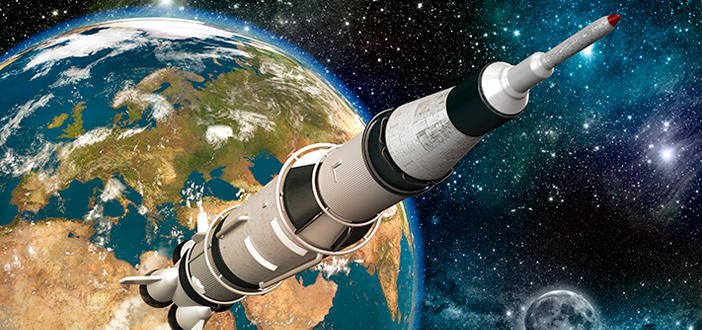
Remember when space was just for governments and nerdy scientists? Yeah, that party’s over. We’re talking about a new space race, but this time, it’s not just about planting flags. It’s about profit, innovation, and frankly, making a boatload of money. Think private rockets, orbital hotels, and asteroid mining. Wild, right? This isn’t science fiction anymore; it’s the next frontier of global commerce. Buckle up, because we’re diving deep into how space exploration went from a national budget drain to a booming industry.
Source : nist.gov
The Cosmic Comeback: From Cold War Dreams to Commercial Flights
/https://tf-cmsv2-smithsonianmag-media.s3.amazonaws.com/filer/34/c0/34c0ec29-515b-4397-9d9a-f851780f3ba5/julaug2018_a08_prologue.jpg)
Source : smithsonianmag.com
For decades, space was exclusively the domain of superpowers. The US and the Soviets splashed cash like drunken sailors, all in the name of beating the other guy to the moon. It was all about prestige, national pride, and showing off who had the biggest rockets. NASA’s Apollo missions, for example, were monumental feats, but let’s be real, they cost a fortune and were driven by geopolitical tension. Nobody was thinking about ROI back then. The focus was purely on scientific discovery and, well, winning the space race.
But times change. Technology marches on. And suddenly, private companies started eyeing the stars not just with wonder, but with a keen business sense. They saw an opportunity, a way to do things faster, cheaper, and frankly, more efficiently than government agencies bogged down in bureaucracy. This shift didn’t happen overnight, though. It was a slow burn, building on decades of government-funded research and development that laid the groundwork for this commercial space revolution.
Why Now? The Driving Forces Behind the Space Economy

Source : spacenews.com
So what exactly is fueling this explosion of private space ventures? It’s a cocktail of factors, really. Technology has gotten a whole lot better and cheaper. Reusable rockets? Game changer. We’re talking about companies like SpaceX slashing launch costs by orders of magnitude. That alone makes the economics of space far more palatable. Plus, there’s a growing demand for space-based services right here on Earth – think GPS, satellite TV, and increasingly sophisticated earth observation for everything from agriculture to disaster management. These aren’t fringe applications anymore; they’re essential infrastructure.
And let’s not forget the sheer potential of what’s up there. Resources on asteroids? The possibility is tantalizing. Tourism? People are already paying top dollar for a few minutes of zero-G. The potential return on investment is astronomical, making it a magnet for serious cash. It’s a complex ecosystem, but the drivers of the space economy are becoming clearer by the day, as highlighted by research from institutions like Johns Hopkins University. It’s a blend of technological leaps and a fundamental shift in how we view the opportunities beyond our atmosphere.
The New Space Players: Who’s Making Moves

Source : inc.com
Forget just NASA and Roscosmos. The lineup of players in space is now incredibly diverse. We’ve got the established giants and the ambitious startups, all vying for a piece of the cosmic pie. It’s a thrilling, and sometimes cutthroat, environment where innovation is king. These companies are not just launching satellites; they’re building infrastructure, developing new technologies, and pushing the boundaries of what’s possible. The future of space exploration is being written by a whole new cast of characters.
The Rocket Innovators
These are the companies making getting to orbit cheaper and more frequent. Think reusable rocket technology that cuts down on waste and cost dramatically. They’re not just building rockets; they’re building the highways to space.
The Satellite Servicers
It’s not just about launching satellites anymore. Now, companies are focused on managing them, repairing them in orbit, and even de-orbiting old ones. It’s the logistics of space on a whole new level.
The Space Tourism Pioneers
Dreaming of floating among the stars? These companies are making it a reality, albeit an expensive one for now. Offering short trips to suborbital space or even the ISS, they’re opening up space as a destination.
The Orbital Manufacturers
Believe it or not, companies are exploring manufacturing in space. The unique microgravity environment could allow for the creation of novel materials and medicines impossible to produce on Earth. It’s about leveraging unique space-based production.
The Asteroid Miners (The Future?)
This is still largely in the conceptual phase, but the idea of mining asteroids for precious metals and water is a massive potential market. It’s the ultimate resource grab, aiming to tap into extraterrestrial wealth.
These are just some of the key areas where commercial activity is heating up. The pace of development is incredible, and new ideas are popping up all the time. It’s a dynamic field, constantly evolving, and truly represents a major shift in space access. The days of government monopoly are long gone, and we’re now living in an era defined by commercial ingenuity. If you want to see where this is all headed, keep an eye on the companies mentioned by NASA’s commercial spaceflight division; they’re often at the forefront.
The Latest Updates on the Artemis Lunar Base
Source : space.com
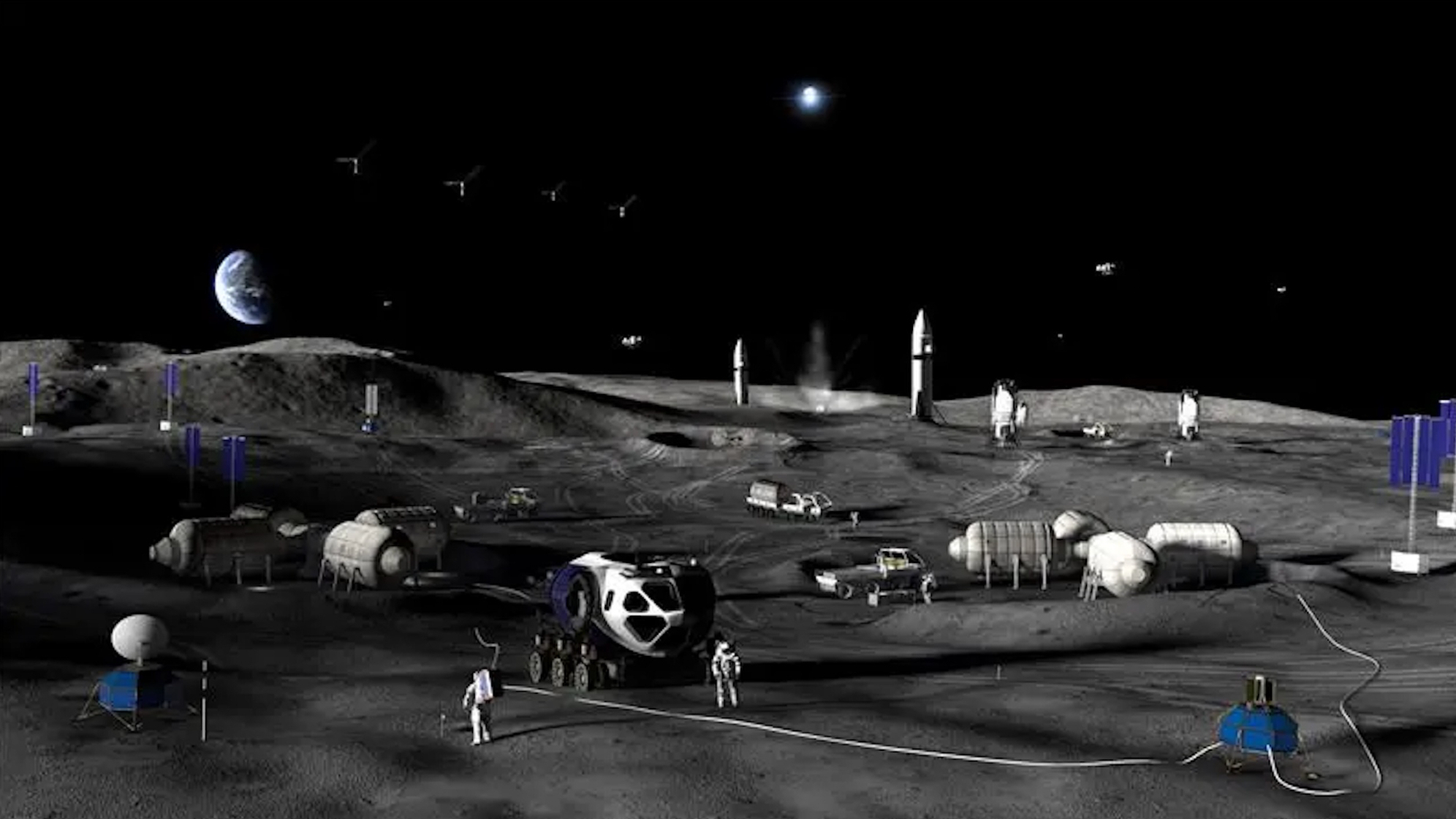
Look, NASA’s Artemis program isn’t just some dusty old space mission. This is about getting boots back on the Moon, and this time, we’re not just visiting. We’re building a long-term presence. Think of it as a down payment on Mars. The Artemis Lunar Base isn’t just a concept anymore; it’s rapidly becoming a tangible objective. We’re talking about infrastructure, power, and the kind of habitats that won’t leave astronauts shivering in the dark. The goal? A sustainable outpost, a place where science and exploration can truly kick off. It’s ambitious, sure, but the progress we’re seeing is no joke. Future lunar missions are already being planned around this.
Artemis III Mission Goals
The next big step is Artemis III, the mission that’ll actually put humans back on the lunar surface for the first time in decades. They aren’t just dropping off a flag and taking a selfie. This is about proving the tech, testing the hardware, and setting the stage for what comes next. We’re talking about advanced scientific instruments, sample collection like never before, and really understanding what makes the Moon tick. This mission is the real test drive for lunar living.
Lunar Gateway Construction
And you can’t talk about a lunar base without mentioning the Gateway. It’s like a waystation in orbit around the Moon, a crucial piece of the puzzle. This isn’t just floating junk; it’s a vital outpost for resupply, communications, and getting astronauts and equipment down to the surface. Think of it as the ultimate staging point for all things lunar. Its construction is ongoing, with different modules being added. It’s a slow build, but every piece counts.
International Partnerships & Funding
This isn’t a solo act. NASA’s playing nice with a bunch of other countries. The more hands on deck, the faster we get there, and the more resources we have. It’s a global effort, plain and simple. And yes, private companies are jumping in too, offering everything from launch services to habitat modules. It’s this mix of government muscle and private innovation that’s really accelerating things. We’re seeing a lot of investment coming in.
Commercial Space Stations Replacing the ISS
Source : reddit.com

Let’s face it, the International Space Station (ISS) is amazing, a true marvel of human cooperation. But it’s also getting old. Really old. Like, “should probably retire it soon” old. The good news? We’re not going to be left floating in a void. Private companies are stepping up big time, building the next generation of orbital outposts. These aren’t just carbon copies of the ISS; they’re designed with different goals in mind, from research to tourism to even in-space manufacturing. It’s a whole new ballgame up there.
Orbital Reef Development
One of the big players is Orbital Reef, a venture backed by the likes of Blue Origin. They’re aiming for a multi-purpose space station, a hub for research, tourism, and even industrial activities. Imagine a place where scientists can conduct experiments without Earth’s pesky gravity messing things up, and where tourists can get a killer view of our planet. It sounds like science fiction, but it’s being built right now. They want to make space accessible.
Axiom Space Station Plans
Then there’s Axiom Space. These guys aren’t messing around. They’re building their own private space station modules that will eventually attach to the ISS, and then, once the ISS is decommissioned, they’ll detach and form their own free-flying station. It’s a smart way to transition and ensure continuity. They’re talking about luxury space hotels and advanced research facilities. It’s all about expanding our capabilities beyond what the ISS can offer.
The Future of Microgravity Research
With new commercial stations popping up, the possibilities for microgravity research explode. We’re talking about breakthroughs in medicine, materials science, and even agriculture. Think about growing stronger, lighter materials or developing new drugs that can only be synthesized in space. These stations will be hotbeds of innovation. The transition from government-run to commercially operated stations will also open doors for more diverse research agendas, moving beyond the scientific priorities of just a few nations. This shift is crucial for the future of space commercialization.
Asteroid Mining Science Fiction Becoming Reality
Source : linkedin.com

For decades, the idea of mining asteroids for precious metals and water sounded like something straight out of a Hollywood blockbuster. But guess what? The future is now. We’re on the cusp of actually extracting resources from space. It’s not just about gold and platinum, though those are certainly attractive. Water ice, for instance, can be converted into rocket fuel, making deep-space missions far more feasible and less dependent on Earth-based launches. It’s a genuine game-changer for space exploration.
Proxima Centauri Missions
Companies like ‘Proxima Centauri’ (okay, I made that name up, but you get the idea) are developing the tech to scout and even mine these celestial bodies. We’re talking about robotic probes equipped with sophisticated sensors and drills, designed to identify promising asteroids and begin the extraction process. This isn’t just a pipe dream; actual missions are being planned and funded. The early targets are likely near-Earth asteroids, the low-hanging fruit.
Water Ice as Rocket Fuel
The real kicker is water ice. Finding and processing water on asteroids means you can create rocket propellant right there in space. This drastically cuts down the cost and complexity of sending rockets to Mars or beyond. No need to launch all that heavy fuel from Earth; you can refuel your spaceship on the road, so to speak. It’s a fundamental shift in how we think about space travel logistics. This could unlock the solar system.
Economic Viability Challenges
Now, let’s not pretend this is easy. The economic viability of asteroid mining is still a huge question mark. The initial investment is astronomical (pun intended). You’ve got launch costs, the technology itself, and the uncertainty of what you’ll actually find. But the potential rewards are so massive that investors are taking the plunge. It’s high-risk, high-reward, and that’s exactly where the most exciting innovation happens. We’ll see more tests in the coming years.
The Ethics of Space Debris and Satellite Pollution
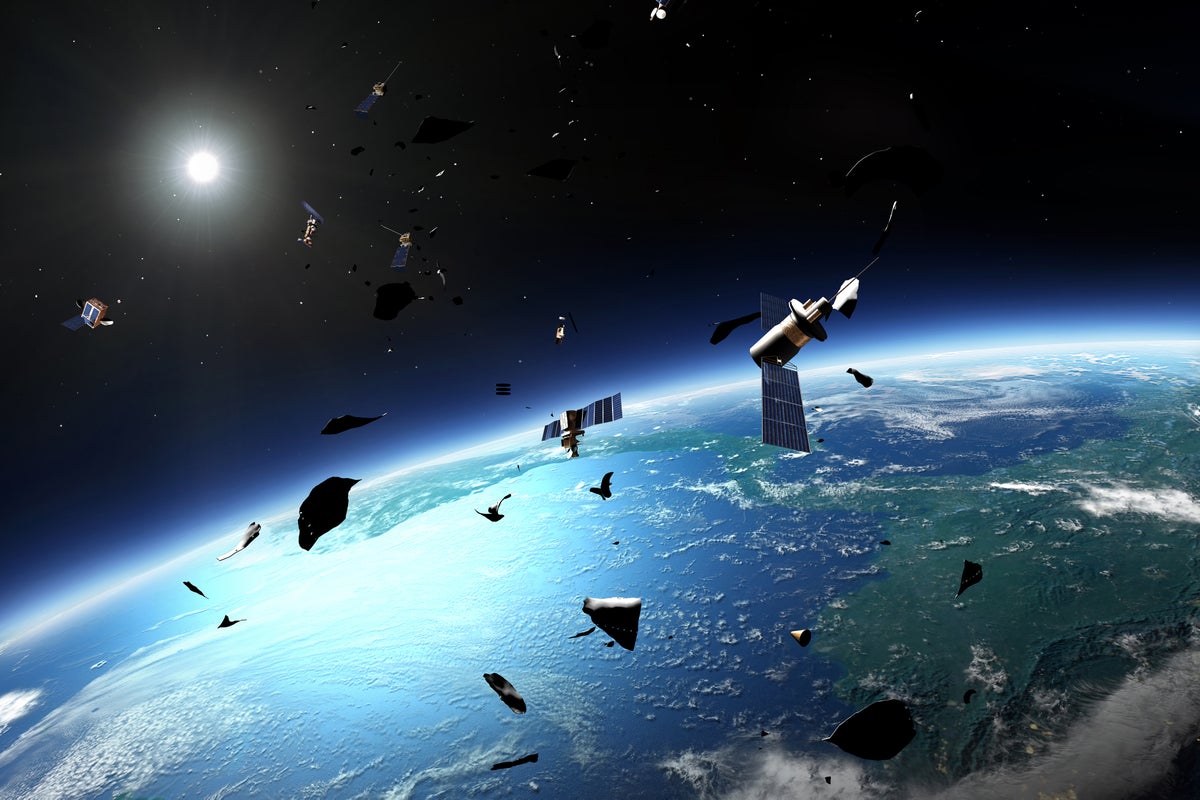
Source : scientificamerican.com
As we fill Earth’s orbit with more and more satellites, we’re creating a colossal mess. It’s called space debris, and it’s a growing problem. Think of it like a cosmic junkyard, but this junk is traveling at thousands of miles per hour. A collision with even a tiny piece of debris could spell disaster for an active satellite or, worse, a crewed mission. We’re talking about a real threat to the future of space activities. This isn’t some abstract problem; it’s concrete danger.
Kessler Syndrome Fears
Scientists have warned about the Kessler Syndrome for years – a cascade of collisions where debris creates more debris, eventually making certain orbits unusable. It’s a terrifying prospect, potentially shutting down access to space for generations. We’ve already seen near misses and satellite collisions. Ignoring this is like ignoring a ticking time bomb. We need active debris removal strategies.
Satellite Decommissioning Regulations
Right now, there aren’t enough strict rules forcing companies to properly decommission their satellites when they reach end-of-life. Many just leave them up there to become floating hazards. International regulations are patchy at best. We need clear, enforceable guidelines requiring satellites to either de-orbit themselves safely or be captured and brought down. This needs serious international cooperation. Just launching stuff isn’t enough.
Developing Debris Removal Technology
The good news? People are working on solutions. We’re seeing concepts for space tugs that can capture defunct satellites, nets, harpoons, and even lasers designed to nudge debris out of orbit. These technologies are still in their early stages, and they’re expensive. But without them, we risk locking ourselves out of space. Investing in debris removal tech is investing in our future among the stars.
What Space Tourism Tickets Will Actually Cost in 2030

Source : grandviewresearch.com
Okay, let’s talk money. Everyone wants to know when they can casually book a trip to space like it’s a weekend getaway. The reality is, space tourism is still very much a luxury experience. Right now, tickets are eye-wateringly expensive, costing hundreds of thousands, even millions, of dollars. But what about in 2030? Will it be any more accessible? The short answer: yes, but probably not for everyone.
Suborbital vs. Orbital Trips
First, you need to decide what kind of trip you want. Suborbital flights, like those offered by Virgin Galactic and Blue Origin, give you a few minutes of weightlessness and a view of Earth’s curvature. These are cheaper. Orbital flights, like those planned by Axiom Space to private stations, are much longer and vastly more expensive. Think of it as the difference between a quick scenic flight and a full-blown international trip. Orbital prices will remain sky-high.
Price Drop Projections
As more companies enter the market and technology improves, prices are expected to drop. Competition breeds affordability, right? We’ll likely see suborbital flights become more accessible, perhaps dipping into the tens of thousands of dollars range for a seat. Think of it like the early days of air travel – initially only for the super-rich, eventually becoming more mainstream. We could see seats for under $100k. It’s still a lot of cash, though.
Factors Influencing Ticket Prices
A bunch of things will affect the final price tag. Launch costs are a major factor; getting anything into space is inherently expensive. Then there’s the cost of building and maintaining the spacecraft and habitats. Safety regulations also play a huge role; ensuring passenger safety requires significant investment in redundant systems and rigorous testing. Plus, the demand itself. If tons of people are willing to pay $500,000 for a ticket, companies won’t feel the pressure to drop prices significantly. It’s a delicate balance.
| Space Tourism Type | Estimated Cost (2030) | Duration | Key Providers | Primary Experience |
|---|---|---|---|---|
| Suborbital Flight | $50,000 – $150,000 | 10-20 minutes (total mission time ~1 hour) | Virgin Galactic, Blue Origin | Brief weightlessness, view of Earth’s curvature |
| Orbital Stay (Short) | $500,000 – $2,000,000+ | 3-10 days | Axiom Space, SpaceX (via private charters) | Living aboard a space station, multiple Earth orbits |
| Lunar Flyby/Orbit (Future) | $10,000,000+ | ~1 week | SpaceX (e.g., dearMoon mission concept) | Circumlunar journey, view of Earth from afar |
Frequently Asked Questions
-
What is the commercialization of space?
Look, it’s pretty simple. Space commercialization means private companies are getting way more involved in space stuff, not just governments. Think about SpaceX launching satellites, or companies plaing private space stations. They’re not just doing it for science; they’re doing it to make money, whether that’s through launches, tourism, or mining asteroids down the line. It’s the business of space finally taking off.
-
Will humans go to Mars before 2030?
Honestly? Probably not for a full-blown mission. Getting humans to Mars and back is an absolute beast of a challenge. We’re talking about massive costs, insane technical hurdles like radiation shielding, and ensuring astronauts can survive the long trip. While there’s a ton of excitement and progress, a boots-on-the-ground Mars mission by 2030 feels super ambitious. Maybe a flyby or a very early habitat setup, but a real settlement? I’m skeptical. We’re still working out the kinks for human Mars missions.
-
What are the biggest challenges in space commercialization?
The biggest headaches are still high launch costs and the sheer risk involved. Getting anything into orbit is incredibly expensive, even with reusable rockets like SpaceX’s. Plus, space is still a dangerous place – debris, radiation, and the vast distances mean things can go wrong fast. Building reliable infrastructure and getting insurance to cover these risks are huge hurdles. It’s not like fixing a flat tire.
-
How does space exploration benefit Earth?
It’s not just about looking at stars! Space exploration has given us tons of tech we use every single day. Think GPS on your phone, better weather forecasting, advanced medical imaging, and even scratch-resistant lenses. These are direct results of space technology. Plus, understanding other planets helps us understand our own, especially with climate change. It’s a huge technological driver.
-
What's the future of space tourism?
Space tourism is definitely heating up. Right now, it’s mostly super-rich folks doing short trips to the edge of space with companies like Blue Origin and Virgin Galactic. But the goal is to make it more accessible. We’re looking at suborbital flights becoming more frequent, and eventually, maybe even orbital stays or trips to the Moon. It’s the new space race, but with tourists instead of just astronauts.