Catch Those Cosmic Fireworks: Your Guide to Plaing Travel Around Meteor Showers
Forget the predictable beach vacation. I’m talking about a trip that’s literally out of this world. Imagine this: you’re miles from city lights, the air is crisp, and then BAM! streaks of light are tearing across the night sky. That’s the magic of a meteor shower. But here’s the thing – you can’t just hope to catch one. You gotta plan. And that’s where I come in. Let’s dig into the upcoming meteor showers that are absolutely worth plaing a trip around.

Source : almanac.com
Why Bother Plaing a Trip for a Meteor Shower?
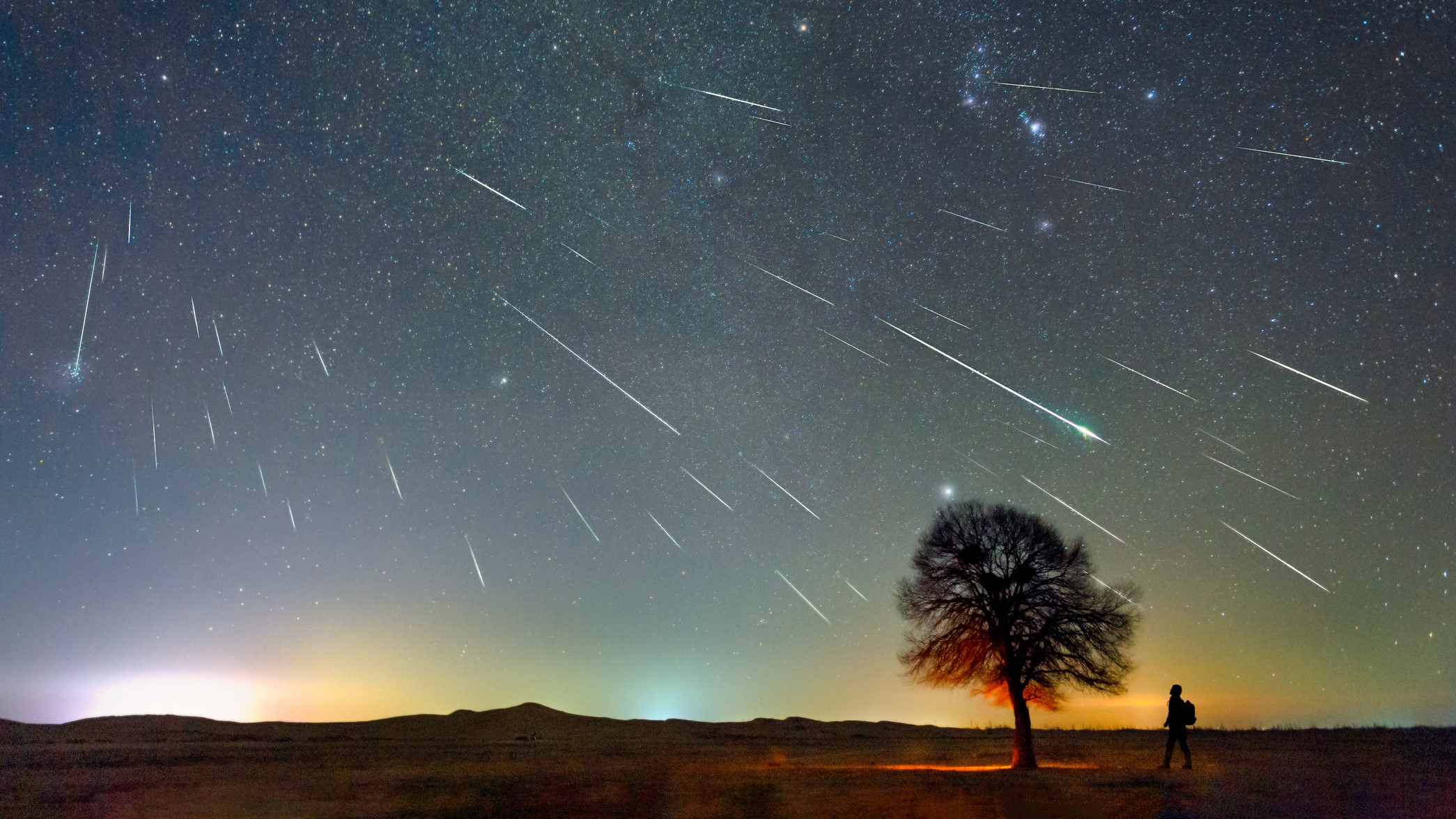
Seriously, why? Because it’s epic. It’s way cooler than watching a rerun of your favorite show. Think about it. You’re standing under a blanket of stars, maybe with a warm drink, and suddenly the sky puts on a show that no CGI artist could ever replicate. These aren’t just random shooting stars; we’re talking about a celestial event. When Earth plows through a comet’s dusty trail, these little bits of space rock burn up in our atmosphere, creating a dazzling display. It’s nature’s light show, and trust me, it beats fireworks any day. Plus, plaing a trip around it gives you a solid excuse to get away, find some dark skies, and discoect from the daily grind. You could be in the middle of the desert, on a remote mountain top, or even just a designated dark sky park. The destination becomes part of the adventure.
It’s about the experience, right? It’s not just about ticking a box. It’s about creating a memory. So many people miss out because they don’t know when the good ones are happening or where to go. They hear about a shower after it happened and think, “Aw man, I missed it.” Don’t be that person. We’re going to make sure you’re in the know. This is your chance to witness something truly spectacular, something that coects you to the vastness of the universe. And yeah, sometimes it just takes a bit of plaing to get to the best viewing spots.
The Big Players: Must-See Meteor Showers
Okay, not all meteor showers are created equal. Some are just a few faint streaks, barely noticeable. Others? They’re the headliners, the ones that make you gasp. We’re talking about showers where you can see dozens, even hundreds, of meteors per hour under the right conditions. These are the ones you want to build your travel plans around. Think of it as booking front-row seats to the universe’s greatest performance.
The Perseids: August’s Reliable Blockbuster
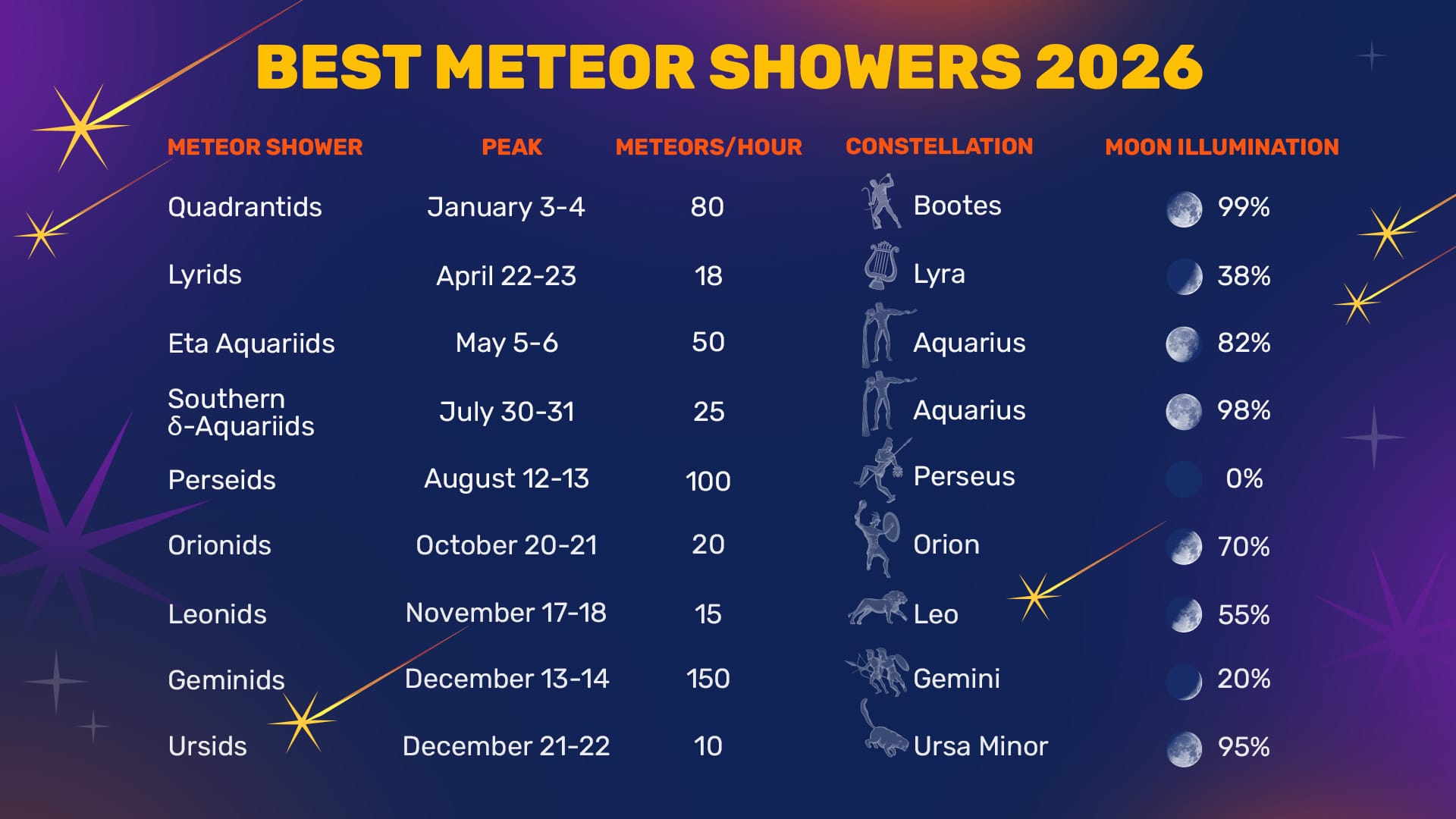
If there’s one meteor shower you absolutely have to plan a trip for, it’s the Perseids. Happening every August, this shower is famous for being bright, numerous, and reliable. They come from debris left by comet Swift-Tuttle. The peak usually hits around August 11th-13th. What makes the Perseids so great for travel plaing? Well, August often means warmer weather for many folks up north, making those late-night vigils a lot more comfortable. Plus, the moon phase can be pretty favorable some years, meaning darker skies and more visible meteors. I’ve camped out for the Perseids in a national park, and seeing those brilliant streaks over the dark trees? Unforgettable. You’ll want to check the specific peak dates each year, as they can shift slightly.
:max_bytes(150000):strip_icc()/TAL-perseids-meteor-shower-PERSEIDSSHWR0825-a581a2e26e834a88bc4c7a4c2ace3663.jpg)
Source : travelandleisure.com
The key here is getting away from city lights. Find a campsite, book a cabin in a rural area, or head to a designated dark sky preserve. Anywhere with an unobstructed view of the sky and minimal light pollution will do. Pack some blankets, maybe a thermos of hot chocolate, and prepare to be amazed. The Perseids are your classic summer sky spectacle, and they rarely disappoint. Honestly, plaing a trip around the Perseids is almost a rite of passage for amateur astronomers and skywatchers. Don’t miss out on this aual celestial event.
The Geminids: December’s Unexpected Gem
Now, December might not scream “outdoor adventure” to most people, but the Geminids are a serious contender for your travel plans. Why? Because they are arguably the most active shower of the year. Peaking around December 13th-14th, the Geminids often produce a high rate of bright meteors, and they’re known for some cool colors, too – think reds and greens. They originate from an asteroid, 3200 Phaethon, which is pretty unusual. This shower is a serious dark sky treat.
The downside? It’s December. Cold. Really cold in a lot of places. But that’s exactly why plaing a trip can make it special. You can book a cozy cabin, have a fireplace going, and then bundle up for short viewing breaks. Or, you could chase warmer weather and head south. Imagine watching the Geminids from a desert campsite in Arizona or a clear mountain spot in Chile. That’s a whole different level of awesome. The key is to be prepared for the cold if you’re in the Northern Hemisphere. But even with the chill, the Geminids’ intensity makes it a top-tier meteor shower worth the effort.
The Quadrantids: January’s Speedy Start to the Year
Kicking off the year with a bang, the Quadrantids in early January (peaking around the 3rd or 4th) are another shower worth considering, especially if you like fast, bright meteors. They’re known for their short but intense peak. This shower comes from a defunct comet called 2003 EH1. Because the peak is so sharp, you really need to hit it at the right time. This makes it a bit trickier for casual viewing, but if you’re dedicated, it’s fantastic. Timing is everything for the Quadrantid meteor storm.
The challenge with the Quadrantids is that early January weather can be brutal in many prime viewing locations. Snow, clouds, freezing temperatures – they’re all common. So, a travel plan here might involve heading to a more southerly latitude or a desert region where clear skies are more probable. Think about booking a stay somewhere with minimal light pollution and a reputation for clear winter nights. It requires more effort, sure, but seeing those quick, bright flashes zipping across the January sky? Totally worth the plaing. It’s a great way to start the new year with a bit of cosmic wonder and a memorable travel experience.
Plaing Your Meteor Shower Getaway: The Nitty-Gritty
So you’re hyped. You’ve picked a shower. Now what? This is where the rubber meets the road. A successful meteor shower trip isn’t just about showing up; it’s about setting yourself up for the best possible viewing experience. Think of it like plaing any other adventure – a little prep goes a long way.
1. Timing is Everything (Literally)
This sounds obvious, but you need to know the peak night(s) for your chosen shower. Meteor shower calendars are your best friend here. Websites like the American Meteor Society have detailed lists. Remember, showers often last for days or even weeks, but the rate of meteors is highest on the peak night. Don’t just wing it; consult a reliable source. I always check the official meteor shower calendar a few months out.

Source : cnet.com
Don’t just rely on the peak date, either. Consider the moon. A bright moon can wash out fainter meteors, making it harder to see the show. You want a new moon or a crescent moon for the darkest skies. If the peak happens when the moon is full, you might want to reconsider or adjust your expectations. Plaing around the lunar cycle is crucial for maximizing your meteor count.
2. Location, Location, Location (Away from City Lights!)
This is non-negotiable. You need dark skies. Period. Light pollution from cities is the enemy of meteor watching. The further you can get from urban centers, the better. National parks, state parks, designated dark sky preserves, remote rural areas – these are your goldmines. Use light pollution maps online to find the darkest spots within driving distance.
Think about the terrain, too. You want an unobstructed view of the sky. Open fields, mountain tops, or coastlines facing away from city lights are ideal. Avoid areas with heavy tree cover or tall buildings that will block your view. A place where you can safely park or camp and just look up is perfect. Getting away from it all is part of the fun, so embrace the journey to a truly dark sky location.
3. Weather: The Wild Card
You can plan the perfect trip, pick the darkest skies, and still get rained out. That’s meteor watching for you. Keep a close eye on the weather forecast leading up to your trip. Have a backup plan or be prepared to reschedule if clouds are rolling in. Sometimes, shifting your viewing by a day or two can make all the difference. Flexibility is key when you’re dealing with celestial events and Mother Nature.
If you’re traveling to a colder climate for a winter shower, make sure you’re prepared for the elements. Layers are your friend. Hand warmers, hats, gloves, thick socks – the works. Being comfortable means you can stay out longer and enjoy the show. Don’t let a little (or a lot) of cold ruin your chance to see those amazing streaks. Proper gear can make a cold-weather viewing much more enjoyable.
4. Gear Up: What You’ll Need
You don’t need fancy telescopes for meteor showers. In fact, wide-field viewing is best. Your own two eyes are your primary tool. But some creature comforts make the experience better:
- Comfortable Seating: A reclining lawn chair or even just a thick blanket to lie on the ground.
- Warm Drinks: Thermos with coffee, tea, or hot chocolate.
- Snacks: Keep your energy up.
- Red Flashlight: To preserve your night vision. White light blinds your eyes to the faint meteors.
- Star Chart/App: Helpful for identifying constellations and the radiant point of the shower (where the meteors appear to originate).
- Camera (Optional): If you’re feeling adventurous and have a camera capable of long exposures, you might capture some amazing shots. Tripod is essential.
The goal is to be comfortable enough to stay out for a few hours, which is usually how long it takes to see a good number of meteors. Think about what makes you comfortable when you’re outside on a cool night. A portable, comfortable viewing setup is paramount.
Travel Inspiration: Plaing Your Next Cosmic Adventure
Ready to book that trip? Here are some ideas to get you started, focusing on some of the top showers and potential destinations:
Source : space.com
The Lyrids (Late April)
This older, often overlooked shower (peaking around April 21-22) comes from comet C/1861 G1 (Thatcher). While not as intense as the Perseids or Geminids, it can produce bright fireballs. The spring timing makes it great for camping in many regions. Consider areas like Joshua Tree National Park in California for its dark skies and accessible desert landscape, or head to the Appalachian region for beautiful, dark mountain views. This meteor shower guide can help you pinpoint other strong contenders.
The Eta Aquariids (Early May)
These meteors are bits of Halley’s Comet, so you’re literally watching dust from one of the most famous comets ever. They peak around May 5th-6th. This shower is best viewed from the Southern Hemisphere, but can still be seen from lower latitudes in the Northern Hemisphere. Think about destinations like the Atacama Desert in Chile or parts of Australia for truly spectacular southern skies. It’s a bit more niche, but the coection to Halley’s Comet makes it special. You’re seeing the debris from Halley’s Comet.
The Orionids (Late October)
Another shower from Halley’s Comet debris! The Orionids peak around October 21st-22nd and are known for their speed and often bright meteors. October offers a sweet spot for weather in many parts of the US. Consider destinations like Death Valley National Park (California/Nevada) for its extreme darkness and stark beauty, or Big Bend National Park (Texas) for vast, open skies. The cool, crisp air of autumn is perfect for a night of stargazing. It’s a great way to enjoy the autumn night sky.
The Taurids (Late October/Early November)
The Southern and Northern Taurids are often confused but are two distinct showers that peak separately but overlap. They’re known for producing bright fireballs, sometimes even larger than typical meteors. They come from Comet Encke. The key here is fireballs, which are rare and spectacular. This shower is more about quality over quantity, so don’t expect hundreds of meteors, but the ones you see might be truly brilliant fireballs.
The Ursids (Late December)
Right around the winter solstice (peaking around Dec 21-22), the Ursids are a smaller shower from the comet Tuttle. While usually not spectacular, they can surprise you with a few good streaks. If you’re already somewhere cold and festive for the holidays, or perhaps seeking a winter wonderland, this is a low-pressure shower to add to your itinerary. It’s a nice little bonus if you’re already out enjoying the winter solstice.
Remember, the specific dates and intensity can vary year to year. Always check reliable sources for the most up-to-date information. You can find excellent details on upcoming events at Space.com’s meteor shower section and EarthSky’s guide.
FAQs About Meteor Shower Travel
Source : starwalk.space
Is there a meteor shower on the 21st of October?
Yep, you bet! The Orionid meteor shower typically peaks around October 21st-22nd. It’s a fast one, so keep your eyes peeled for those speedy streaks!
What time is the meteor shower on July 29th?
There isn’t a major shower peaking on July 29th. However, the Delta Aquariid meteor shower runs from late July into August, and its peak is often around July 28th-30th. The best time to watch any meteor shower is always after midnight, when your part of Earth is rotating into the debris stream, and before dawn. Dark skies are your best friend, so aim for that time away from city lights.
What is the best time to watch the meteor shower on August 12th?
August 12th falls right in the heart of the Perseid meteor shower peak! The absolute best time to watch is always in the pre-dawn hours, typically between 2 AM and dawn. This is when the radiant (the point in the sky where the meteors seem to come from) is highest, and your location on Earth is moving fastest through the comet’s dust trail. Make sure you’re away from city lights for the best show.
What are the least active meteor showers?
Some showers are just, well, less exciting. Think of things like the Camelopardalids or the Pi Puppids. They might produce only a handful of meteors per hour, even at their peak. They’re usually not worth plaing a dedicated trip around unless you’re already in a prime dark sky location and just want to see what happens. You’re better off focusing your travel plans on the big hitters like the Perseids.
How far in advance should I book travel for a meteor shower?
For the most popular showers like the Perseids or Geminids, especially if you’re aiming for a prime dark sky location (like a national park campground or a remote cabin), book as early as possible – think 6-12 months in advance. For less popular showers or if you’re flexible on your exact location, 2-3 months might be enough. Always check availability for lodging and campsites way ahead of time!
Frequently Asked Questions
-
Is there a meteor shower on the 21st of October?
Yep, you bet! The Orionid meteor shower typically peaks around October 21st-22nd. It’s a fast one, so keep your eyes peeled for those speedy streaks!
-
What time is the meteor shower on July 29th?
There isn’t a major shower peaking on July 29th. However, the Delta Aquariid meteor shower runs from late July into August, and its peak is often around July 28th-30th. The best time to watch any meteor shower is always after midnight, when your part of Earth is rotating into the debris stream, and before dawn. Dark skies are your best friend, so aim for that time away from city lights.
-
What is the best time to watch the meteor shower on August 12th?
August 12th falls right in the heart of the Perseid meteor shower peak! The absolute best time to watch is always in the pre-dawn hours, typically between 2 AM and dawn. This is when the radiant (the point in the sky where the meteors seem to come from) is highest, and your location on Earth is moving fastest through the comet’s dust trail. Make sure you’re away from city lights for the best show.
-
What are the least active meteor showers?
Some showers are just, well, less exciting. Think of things like the Camelopardalids or the Pi Puppids. They might produce only a handful of meteors per hour, even at their peak. They’re usually not worth plaing a dedicated trip around unless you’re already in a prime dark sky location and just want to see what happens. You’re better off focusing your travel plans on the big hitters like the Perseids.
-
How far in advance should I book travel for a meteor shower?
For the most popular showers like the Perseids or Geminids, especially if you’re aiming for a prime dark sky location (like a national park campground or a remote cabin), book as early as possible – think 6-12 months in advance. For less popular showers or if you’re flexible on your exact location, 2-3 months might be enough. Always check availability for lodging and campsites way ahead of time!