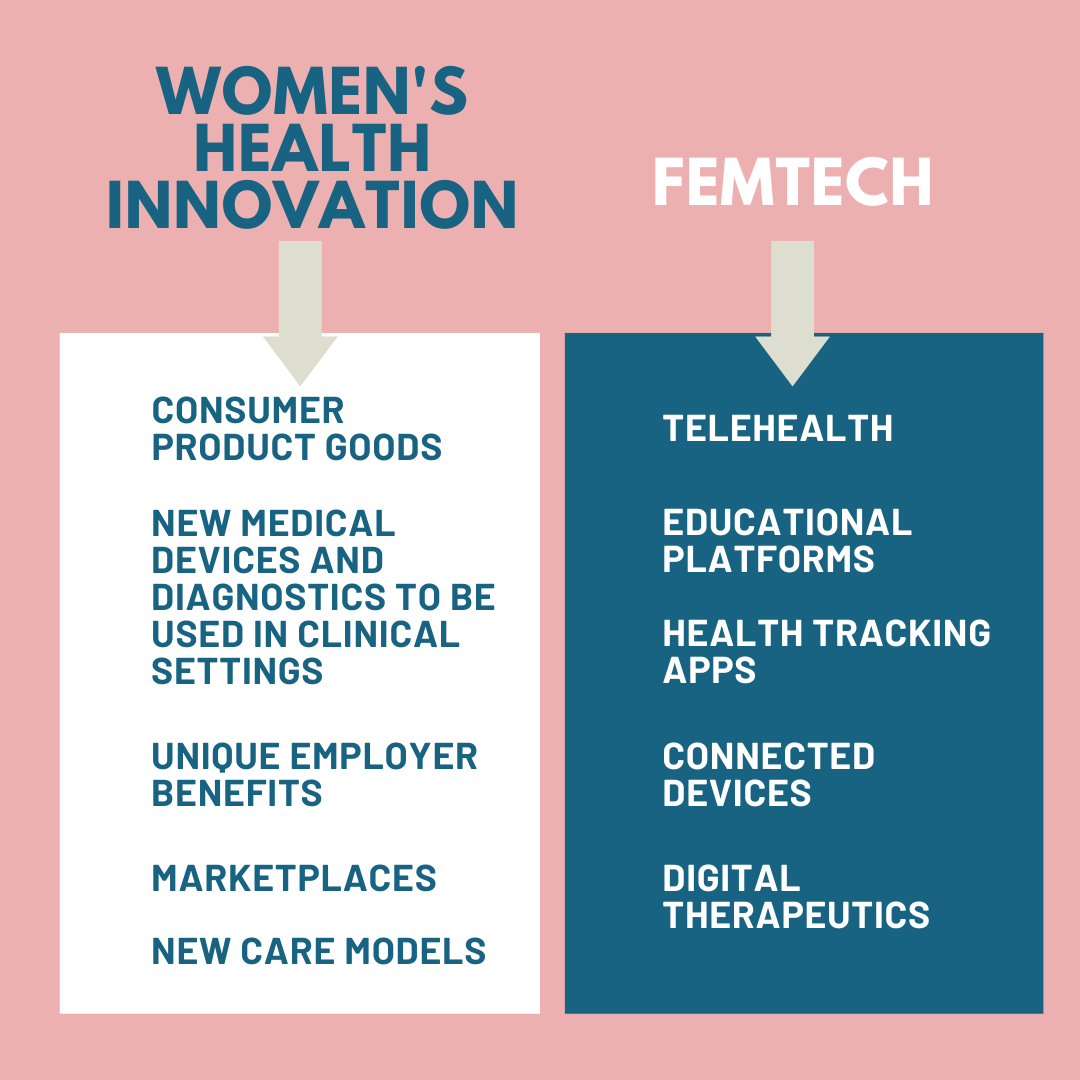
Okay, let’s talk about women’s health. For way too long, it’s been treated like an afterthought, a niche market. Seriously, if you’re a woman, you’ve probably experienced it: doctors who brush off your pain, research that barely includes you, and products that just don’t get it. But things are finally starting to shift. This isn’t just about period apps anymore (though those are cool too). We’re talking about a full-blown revolution, fueled by femtech innovation. It’s about time, right?
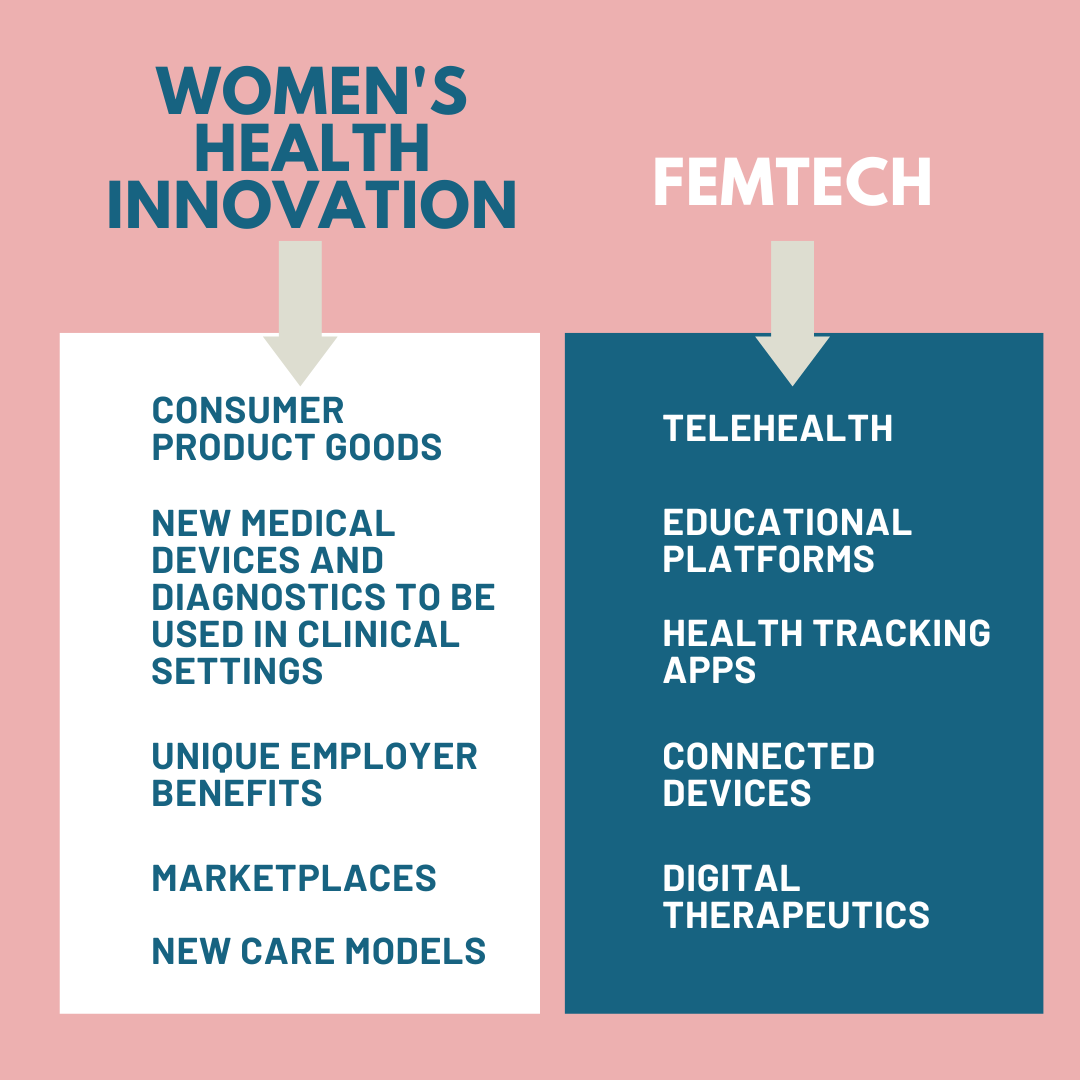
Source : wellmadehealth.com
The Story So Far: A Real Medical Blind Spot

Source : youtube.com
Think about it. Most medical research historically focused on men. Why? Easier subjects? Less complicated biology? Whatever the excuse, it left a gaping hole in our understanding of diseases and conditions that disproportionately affect women. Heart disease, for instance. It used to be considered a “man’s disease,” but surprise! It’s a leading killer of women too. Yet, diagnosis and treatment often lagged because symptoms can be different in women. It’s maddening.
And it’s not just heart disease. Autoimmune disorders? More common in women. Certain cancers? Different risks and presentations. Even basic drug dosages were often based on male physiology, leading to potential side effects or reduced efficacy for women. This isn’t ancient history; this medical bias has had real-world consequences for generations. It’s a legacy of neglect we’re still working to overcome.
Enter FemTech: More Than Just Gadgets
Source : linkedin.com
Femtech. It’s a buzzword, sure, but it represents something genuinely transformative. It’s technology designed specifically for women’s health needs. Forget those clunky, one-size-fits-all solutions. Femtech is about personalization, data-driven insights, and empowering women to take control of their bodies and their well-being. It’s finally putting women’s health front and center.
This movement goes way beyond the obvious stuff like period tracking. We’re seeing incredible advancements in areas like fertility, menopause management, maternal care, pelvic floor health, and even chronic condition management tailored for women. Companies are pouring resources into understanding the unique biological and social factors that impact female health. It’s a growing sector, and it’s just getting started.
Why Now? The Perfect Storm for Change
Source : linkedin.com
So, why the sudden explosion in femtech? It’s a confluence of factors. First, there’s a massive, underserved market. Women are consumers, they’re patients, and they’re demanding better. Second, technology itself has advanced. Wearables can track more data than ever, AI can analyze complex patterns, and telehealth makes accessing care easier.
Plus, there’s a growing awareness among investors and healthcare providers about the economic and social impact of neglecting women’s health. When women are healthy, they’re more productive, families are healthier, and healthcare systems become more efficient. It’s not just the right thing to do; it’s smart business. The demand for solutions is undeniable.
Key Areas Where FemTech is Making Waves
Let’s dig into some specific areas where femtech is really changing the game. This isn’t an exhaustive list, but it gives you a good sense of the scope and potential.
Fertility and Family Planning
This is probably the most recognized area of femtech. Think smart ovulation trackers, at-home fertility testing kits, and platforms that help individuals and couples navigate the complexities of conception or family planning. Companies are using algorithms to predict fertile windows with incredible accuracy, and some even offer virtual consultations with fertility experts. It’s about giving women more agency over their reproductive journey.
Maternal Care and Pregnancy
Pregnancy is a critical time, and femtech is providing much-needed support. Remote monitoring devices can track vital signs during pregnancy, alerting healthcare providers to potential issues before they become serious. Apps offer personalized guidance, track fetal development, and connect expectant parents with support communities. It’s about making pregnancy safer and more informed for millions.
Menopause Management
For decades, menopause was something women just had to “deal with.” Not anymore. Femtech is bringing science and support to this often-stigmatized life stage. From symptom trackers and personalized advice to innovative treatments and wearable tech that monitors hot flashes, there’s a growing focus on helping women navigate menopause with comfort and confidence. As reported in The Lancet, this is a rapidly evolving field.
Pelvic Floor Health
Often overlooked, pelvic floor health is crucial for women at various life stages, from postpartum recovery to managing incontinence. Femtech solutions include connected devices that guide users through exercises, virtual physical therapy platforms, and educational resources. It’s about empowering women with the knowledge and tools to address these vital, yet often taboo, issues.
General Women’s Health Monitoring
This is the broadest category, encompassing devices and platforms that help women track and understand their overall health. Think smart wearables that go beyond basic step counting to monitor sleep patterns, stress levels, and even menstrual cycle irregularities. The goal is early detection, personalized health insights, and a more proactive approach to well-being, as discussed in related research like this study.
Menopause Tech: Wearables Managing Hot Flashes

Source : femtechworld.co.uk
Cooling Wearables Revolutionize Hot Flash Relief
Okay, let’s talk menopause. It’s not just “hot flashes” and “mood swings,” it’s a massive life stage that’s been largely ignored. Until now. Suddenly, there’s a wave of femtech innovation focused on this. Think smart wearables. Companies are developing devices you wear that can actually sense an oncoming hot flash and, get this, actively cool you down. It’s not science fiction anymore. These aren’t just bulky gadgets; they’re discreet, stylish, and genuinely effective. Imagine feeling that familiar heat rising and a gentle wave of cool air hitting your skin before it even becomes unbearable. That’s the promise, and early results are seriously encouraging.
Tracking Symptoms for Personalized Treatment
Beyond just cooling, these menopause tech wearables are goldmines for data. They track your sleep patterns, body temperature fluctuations, and even heart rate variability. This information isn’t just for show; it’s crucial for doctors. For years, managing menopause was a guessing game. Now, you can walk into your appointment with a detailed log of your symptoms, giving your doctor the concrete data they need to tailor treatments. Personalized menopause care is finally becoming a reality, all thanks to smart technology.
The Future: AI-Driven Hot Flash Prediction
Where does it go from here? AI. We’re talking about devices that learn your body’s unique patterns so well they can predict a hot flash before it hits. This means proactive cooling, not just reactive. It’s about regaining control and minimizing disruption. This whole space is exploding, and it’s about time. It’s about time women’s health, particularly during this significant transition, gets the technological spotlight it deserves.
Endometriosis Mapping with AI Diagnostics

Source : sciencedirect.com
AI Uncovers the Invisible Threat
Endometriosis. A word that strikes fear and frustration in so many women. For too long, diagnosis has taken years, involving invasive procedures and guesswork. But AI diagnostics are changing the game. Imagine an algorithm trained on thousands of medical images – ultrasounds, MRIs, even tissue samples. This AI can spot the subtle signs of endometriosis that a human eye might miss, especially in the early stages. It’s like having a super-powered radiologist on your team.
Accelerating Diagnosis, Reducing Suffering
The impact? Faster diagnosis. That means earlier treatment, less pain, and potentially preserving fertility. We’re talking about shaving years off the diagnostic odyssey. Think about the mental and physical toll of not knowing what’s wrong. This technology is a true lifeline. The ability to map endometriosis with greater precision means treatments can be more targeted, leading to better outcomes for patients. This is huge.
Beyond Imaging: Predictive Analytics
And it doesn’t stop at imaging. Researchers are using AI to analyze patient data – symptoms, medical history, genetic markers – to predict who is at higher risk. This proactive approach could revolutionize how we screen for and manage this debilitating condition. It’s a complex condition, but technology is finally helping us see it clearly.
The Evolution of Hormone-Free Fertility Tracking

Source : proovtest.com
Beyond the Calendar: Advanced Basal Body Temperature
Remember those old-school calendar methods? Yeah, we’ve come a long way. The latest in fertility tracking is moving away from guesswork and hormones. We’re seeing incredibly sophisticated wearables that continuously monitor your basal body temperature (BBT) with pinpoint accuracy. Unlike manually charting your temperature, these devices capture every tiny fluctuation, providing a much clearer picture of your fertile window. It’s about understanding your body’s natural cycles, not forcing them.
Saliva and Sweat Sensors: The Future is Here
And it gets cooler. We’re seeing sensors that analyze saliva for hormone levels (like estrogen and luteinizing hormone) and even sweat composition. These methods offer real-time insights without requiring daily effort or invasive procedures. This hormone-free fertility tracking is a massive win for women who want to avoid hormonal birth control or are actively trying to conceive. It puts the power back in your hands, armed with data.
The Data Advantage for Family Planning
The sheer volume of data these devices collect allows for highly personalized insights. It’s not just about predicting ovulation; it’s about understanding your unique cycle patterns over time. This deep dive into your reproductive health empowers better decision-making, whether you’re trying to get pregnant or avoid it. Technology is making family planning more intuitive and less intrusive than ever before.
National Wear Red Day 2026: Heart Health Stats for Women
Source : yahoo.com

The Silent Killer: Heart Disease in Women
Let’s be blunt: heart disease is NOT just a “man’s problem.” It’s the leading cause of death for women globally. And National Wear Red Day is a critical reminder of this. The heart health stats for women in 2026 will likely paint a sobering picture if we don’t act. Many women still dismiss chest pain as indigestion or stress. We need to change that narrative, fast. It’s about awareness, and frankly, saving lives.
Tech’s Role in Early Detection and Prevention
This is where technology steps in. Wearables like smartwatches are increasingly equipped with ECG capabilities and irregular heart rhythm notifications. These aren’t medical devices in themselves, but they can be early warning systems, prompting users to seek professional medical attention. Furthermore, telehealth platforms are making it easier for women to consult with cardiologists without the geographical barriers. Early detection of heart issues is key, and technology is a powerful ally.
Bridging the Gap in Cardiovascular Care
Data from initiatives like National Wear Red Day is vital. It fuels research and highlights disparities. For instance, understanding how symptoms present differently in women and ensuring clinical trials include diverse female populations is crucial. As reported by Avalere, technology is driving innovation in women’s health, and cardiovascular care is a prime example. We need continued investment and focus to ensure women receive the specialized care they need to combat heart disease effectively.
App-Based Pelvic Floor Therapy Triumphs

Source : triumphpelvichealth.com
The Hidden Strength: Pelvic Floor Health
Let’s get real for a second. The pelvic floor. It’s a bit of a taboo topic, but it’s foundational to women’s health. Issues like incontinence, pain, and postpartum recovery are incredibly common, yet often suffer from a lack of effective, accessible treatment. Enter app-based pelvic floor therapy. Gone are the days when you absolutely needed to see a physical therapist in person for every session, though that’s still a great option.
Gamified Workouts for Real Results
These apps turn what could be tedious exercises into engaging experiences. Think guided workouts, progress tracking, and even gamification. You’re essentially doing Kegels, but with visual feedback and a structured program. It’s astonishingly effective for many women. Using connected devices, like small probes that give you real-time biofeedback, makes the exercises much more targeted and results-driven. It’s about making pelvic floor rehabilitation convenient and effective.
Accessibility and Affordability: A Game Changer
The real triumph here is accessibility. These apps are affordable, often a fraction of the cost of traditional therapy, and can be used anytime, anywhere. This removes huge barriers for women who might not have the time, transportation, or even the emotional comfort to seek in-person help. It’s democratizing a crucial aspect of women’s health. It’s empowering women to take control of their own bodies.
| FemTech Area | Key Technology | Primary Benefit | Example Innovation |
|---|---|---|---|
| Menopause Management | Wearable Sensors, AI | Personalized symptom relief, predictive analytics | Smart cooling bracelets |
| Endometriosis Diagnosis | AI Image Recognition, Machine Learning | Faster, more accurate diagnosis | AI-powered ultrasound analysis |
| Fertility Tracking | Continuous BBT Sensors, Hormone Biosensors | Hormone-free, data-driven cycle prediction | Smart rings tracking temperature |
| Women’s Cardiovascular Health | ECG Smartwatches, Telehealth Platforms | Early risk detection, remote consultations | At-home EKG monitors |
| Pelvic Floor Therapy | Mobile Apps, Biofeedback Devices | Accessible, gamified rehabilitation | Interactive Kegel trainers |
Frequently Asked Questions
-
What exactly is FemTech and why is it suddenly everywhere?
What exactly is FemTech and why is it suddenly everywhere?FemTech, short for female technology, is basically any technology aimed at women’s health and wellness. Think period-tracking apps, fertility monitors, pregnancy tech, and even hardware tackling things like menopause symptoms. It’s not really ‘suddenly’ everywhere; it’s just finally getting the attention and funding it deserves. For ages, women’s health was overlooked by big tech and medical research. Now, smart entrepreneurs are stepping in to fix that, and honestly, it’s about time. We’re seeing huge progress in areas that used to be taboo or ignored.
-
How is FemTech changing the game for women's health?
How is FemTech changing the game for women’s health?It’s a complete game-changer. Before, getting information or solutions for women’s specific health issues was a hassle. Doctors might have brushed things off, or there just wasn’t enough research. Now, you’ve got apps that give you personalized insights into your cycle, smart devices that monitor hormonal changes, and online platforms coecting you with specialists. It’s putting more power and knowledge directly into women’s hands. Suddenly, things like understanding your fertility or managing PCOS are way more accessible.
-
Are there any downsides or concerns with FemTech?
Are there any downsides or concerns with FemTech?Sure, there are. A big one is data privacy. These apps collect really sensitive personal health information. You have to trust that companies are protecting it and not selling it off. Also, accessibility is an issue. Not everyone can afford the latest gadgets or premium app subscriptions. We need to make sure this tech doesn’t create a bigger health divide. And, of course, not all FemTech is created equal; some products might not be backed by solid science, so you’ve gotta be a smart consumer.
-
What are the future trends in FemTech iovation?
What are the future trends in FemTech iovation?The future is massive. We’re looking at AI getting way more involved, predicting health risks before they become problems. Think personalized treatment plans based on your genetics and lifestyle data. Wearables will get even smarter, tracking more subtle health markers. I also see a big push for tech that addresses issues traditionally ignored, like women’s heart health or mental health throughout different life stages. Plus, expect more focus on making FemTech affordable and accessible globally.
-
How can women get involved or support FemTech iovation?
How can women get involved or support FemTech iovation?Easy. First off, use the tech! Download the apps, try the devices, and give feedback. Your usage data and reviews are gold for these companies. Second, talk about it. Normalize conversations around women’s health issues; the more we talk, the more demand there is for solutions. If you’re an investor, seek out FemTech startups. If you’re a creator, consider how you can contribute. Ultimately, championing these iovations means showing there’s a real market and need for them.