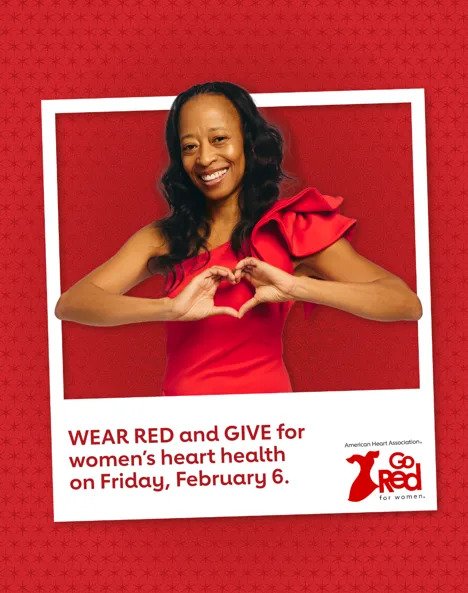
National Wear Red Day 2026: Heart Health Stats Every Woman Needs to Know
Alright, let’s cut to the chase. We’re talking about National Wear Red Day 2026. It’s the day we ditch the excuses and really look at heart disease in women. And guess what? It’s a massive deal. For years, we’ve been sold a bill of goods that heart disease is a dude’s problem. Wrong. Dead wrong. This isn’t just another date on the calendar; it’s a wake-up call. A big, loud, attention-grabbing siren. We’re diving deep into the stats, the real numbers that show why this is so critical. Forget the fluff; this is about survival. About you, your mom, your sister, your best friend. Let’s get real about women’s heart health.
Source : yahoo.com

The Stark Reality: Heart Disease Isn’t Picking Favorites
Think heart disease is rare in women? Think again. It’s the leading cause of death for us. Yeah, you heard that right. One in four women dies from heart disease. Let that sink in. That’s not a typo. It’s a cold, hard fact. We’re talking about more than 400,000 women every single year. And here’s the kicker: a lot of these deaths are preventable. Preventable! That’s the infuriating part. It’s not some incurable alien disease; it’s something we can fight. We can reduce these numbers. But only if we know what we’re up against. So, what’s really going on? Why are so many women falling victim to cardiovascular issues?
What’s Driving These Numbers? Let’s Dig In.
Several things are stacked against us. For starters, symptoms can be different in women. That crushing chest pain? Sure, that happens. But sometimes, it’s more subtle. Think nausea, shortness of breath, extreme fatigue. Things that are easy to brush off as stress or a bad night’s sleep. Doctors don’t always catch it either. Studies show women are less likely to be tested for heart disease compared to men, even when they have the same symptoms. It’s like playing a game where the rules are hidden. And the stakes? Your life. We need to push back against this. We need to be our own advocates. Don’t let anyone tell you it’s ‘just stress.’ Demand answers. Get the tests done. Be insistent. Your health is non-negotiable.

Source : globalwellnessguru.com
The Go Red Movement: More Than Just a Color
This is where the Go Red for Women movement comes in. It’s not just about wearing red on a specific day. It’s a year-round initiative. A powerful force pushing for awareness, education, and action. National Wear Red Day is the big splash, the moment we all come together. But the work doesn’t stop when the day is over. It’s about building momentum. It’s about making sure research gets funded. It’s about getting more women into clinical trials. It’s about empowering us with the knowledge to recognize the signs and demand proper care. Organizations like the American Heart Association are doing incredible work. They’re fighting on all fronts to change the narrative and improve outcomes. You can learn more about how to get involved right here: support women’s heart health.
Beyond Awareness: Actionable Steps for 2026
So, what can you actually do? It’s not just about knowing the stats; it’s about taking control. First up: know your numbers. Blood pressure, cholesterol, blood sugar. These aren’t just numbers on a chart; they’re indicators. Keep them in check. Talk to your doctor regularly. Don’t wait until something feels wrong. Secondly, adopt a heart-healthy lifestyle. This isn’t rocket science. Eat well – think fruits, veggies, whole grains, lean protein. Move your body – aim for at least 150 minutes of moderate-intensity aerobic activity per week. Cut out the junk. Seriously. And manage stress. Easier said than done, I know. But find what works for you. Meditation, yoga, a good book, whatever. Finally, spread the word. Talk to your friends, your family. Share what you’ve learned. Encourage them to get their numbers checked. Make this a community effort. Because when we stand together, we’re a lot stronger. Remember, prevention is key.
Source : goredforwomen.org
Common Questions Answered: Your Heart Health FAQ
When is Wear Red Day 2026?
Mark your calendars, folks! Wear Red Day 2026 is officially set for the first Friday in February. So, circle February 6th, 2026. That’s the big day. Don’t miss it. It’s your cue to get out there, wear that red, and show your support for women’s heart health. It’s a simple act, but it speaks volumes. Let’s make 2026 the year we really make a difference.
Source : newsroom.heart.org
What is the theme for Heart Month 2026?
This is a really important question. For 2026, the official theme for American Heart Month is going to be aounced closer to the date by the American Heart Association. Typically, these themes are designed to be impactful and focus on specific aspects of heart health awareness or action. Last year, it was about taking control of your heart health. Keep an eye on the AHA’s Go Red for Women chaels for the official 2026 theme aouncement. It’s usually something that galvanizes action and provides a clear focus for the month. We expect it to be something powerful around empowering women’s choices.
What day is wearing red for women’s heart health?
It’s the same day! The day for wearing red to raise awareness for women’s heart health is National Wear Red Day. As I mentioned, in 2026, that falls on Friday, February 6th. So, get your red outfits ready! It’s not just about fashion; it’s about making a statement. A statement that women’s heart health matters. A statement that you’re part of the solution. It’s a visual representation of solidarity and a commitment to fighting heart disease. So, yes, wear red loud and proud!

Source : goredforwomen.org
Why is heart disease still the number one killer for women?
Honestly? It’s a mix of things. A lot of it comes down to awareness and historical research bias. For decades, heart disease research primarily focused on men. So, we didn’t fully understand how it presented in women. Symptoms can be different and subtler, leading to misdiagnosis or delayed treatment. Plus, women often put others first, sometimes neglecting their own health needs until it’s critical. The good news is, we’re changing that narrative. More research is being done, awareness is growing, and movements like Go Red are pushing for better care. But we’re not there yet. It’s a battle we’re still fighting.
What are the most critical risk factors for women’s heart disease?
The big ones to watch out for are high blood pressure, high LDL (the ‘bad’) cholesterol, and diabetes. These are huge. Then you’ve got things like smoking – and if you smoke, quitting is one of the single best things you can do for your heart. Obesity is another major factor. And don’t underestimate stress. Chronic stress can really do a number on your cardiovascular system. Also, family history matters, so know your genetic predispositions. And finally, certain pregnancy complications, like preeclampsia, can increase your future risk. It’s a complex picture, but managing these risk factors is crucial for prevention.
Frequently Asked Questions
-
When is Wear Red Day 2026?
Mark your calendars, folks! Wear Red Day 2026 is officially set for the first Friday in February. So, circle February 6th, 2026. That’s the big day. Don’t miss it. It’s your cue to get out there, wear that red, and show your support for women’s heart health. It’s a simple act, but it speaks volumes. Let’s make 2026 the year we really make a difference.
-
What is the theme for Heart Month 2026?
This is a really important question. For 2026, the official theme for American Heart Month is going to be aounced closer to the date by the American Heart Association. Typically, these themes are designed to be impactful and focus on specific aspects of heart health awareness or action. Last year, it was about taking control of your heart health. Keep an eye on the AHA’s Go Red for Women chaels for the official 2026 theme aouncement. It’s usually something that galvanizes action and provides a clear focus for the month. We expect it to be something powerful around empowering women’s choices.
-
What day is wearing red for women's heart health?
It’s the same day! The day for wearing red to raise awareness for women’s heart health is National Wear Red Day. As I mentioned, in 2026, that falls on Friday, February 6th. So, get your red outfits ready! It’s not just about fashion; it’s about making a statement. A statement that women’s heart health matters. A statement that you’re part of the solution. It’s a visual representation of solidarity and a commitment to fighting heart disease. So, yes, wear red loud and proud!
-
Why is heart disease still the number one killer for women?
Honestly? It’s a mix of things. A lot of it comes down to awareness and historical research bias. For decades, heart disease research primarily focused on men. So, we didn’t fully understand how it presented in women. Symptoms can be different and subtler, leading to misdiagnosis or delayed treatment. Plus, women often put others first, sometimes neglecting their own health needs until it’s critical. The good news is, we’re changing that narrative. More research is being done, awareness is growing, and movements like Go Red are pushing for better care. But we’re not there yet. It’s a battle we’re still fighting.
-
What are the most critical risk factors for women's heart disease?
The big ones to watch out for are high blood pressure, high LDL (the ‘bad’) cholesterol, and diabetes. These are huge. Then you’ve got things like smoking – and if you smoke, quitting is one of the single best things you can do for your heart. Obesity is another major factor. And don’t underestimate stress. Chronic stress can really do a number on your cardiovascular system. Also, family history matters, so know your genetic predispositions. And finally, certain pregnancy complications, like preeclampsia, can increase your future risk. It’s a complex picture, but managing these risk factors is crucial for prevention.