Endometriosis Mapping: How AI is Finally Shining a Light on the Invisible Illness
Let’s talk about endometriosis. For millions of women, it’s a brutal, often life-long battle. We’re talking about chronic pain, fertility issues, and a medical journey that’s often a desperate scramble for answers. Doctors often dismiss it, and diagnosis can take years, even decades. It’s infuriating, right? But guess what? Things are starting to change. Technology, specifically artificial intelligence, is stepping into the ring, and it’s not just a little nudge; it’s a seismic shift in how we diagnose and understand this debilitating condition. We’re talking about mapping endometriosis with AI diagnostics, and it’s about time.
Source : nature.com
The Years of Waiting: A Woman’s Nightmare
Picture this: You’re doubled over in pain, week after week, month after month. You go to doctor after doctor, and you hear the same thing: “It’s probably just your period.” Or, “Maybe you’re just stressed.” You’re handed pain pills, told to live with it, or worse, made to feel like you’re exaggerating. This isn’t some made-up story; this is the reality for an estimated 1 in 9 women who have endometriosis. That’s a staggering number. The average diagnostic delay? It’s a brutal 6 to 10 years. Think about that. A decade of suffering, of missed work, of strained relationships, all while the disease silently progresses. It’s a nightmare, plain and simple. This is where the old ways of diagnosis just aren’t cutting it anymore.
Enter AI: The New Sheriff in Town
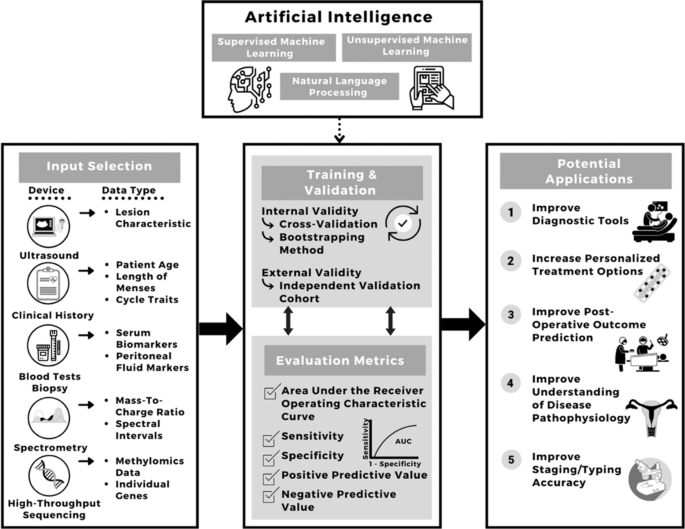
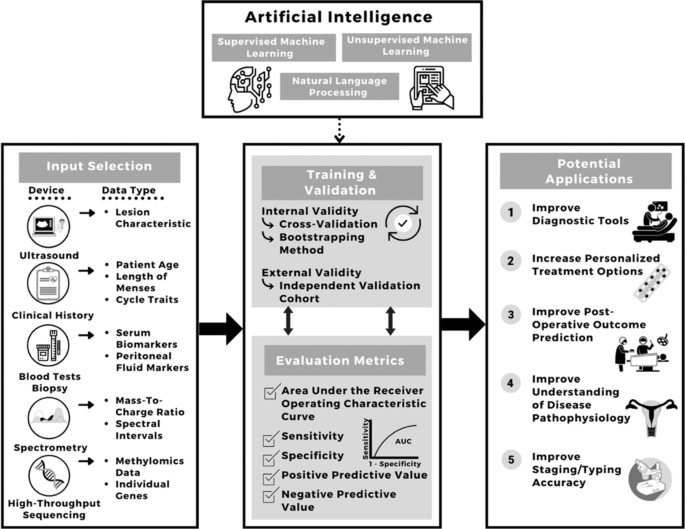
Okay, so how does AI actually help? It’s not some magic wand, but it’s a seriously powerful tool. AI algorithms can be trained on massive datasets of medical images – think MRIs, ultrasounds, even surgical footage. They learn to spot the subtle patterns, the tiny indicators of endometriosis that even the most experienced human eye might miss, especially in the early stages. It’s like having a super-powered assistant for radiologists and surgeons. This AI doesn’t get tired; it doesn’t get distracted. It just analyzes the data with incredible speed and accuracy. This technology is helping to speed up diagnosis significantly.
Source : ethz.ch
Mapping the Invisible: What Does AI Diagnostics Actually Do?
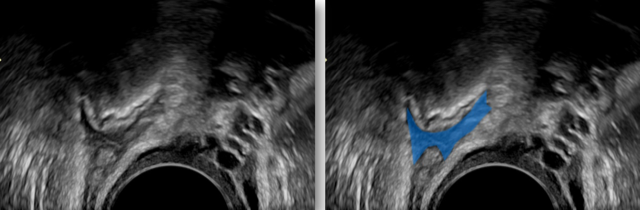
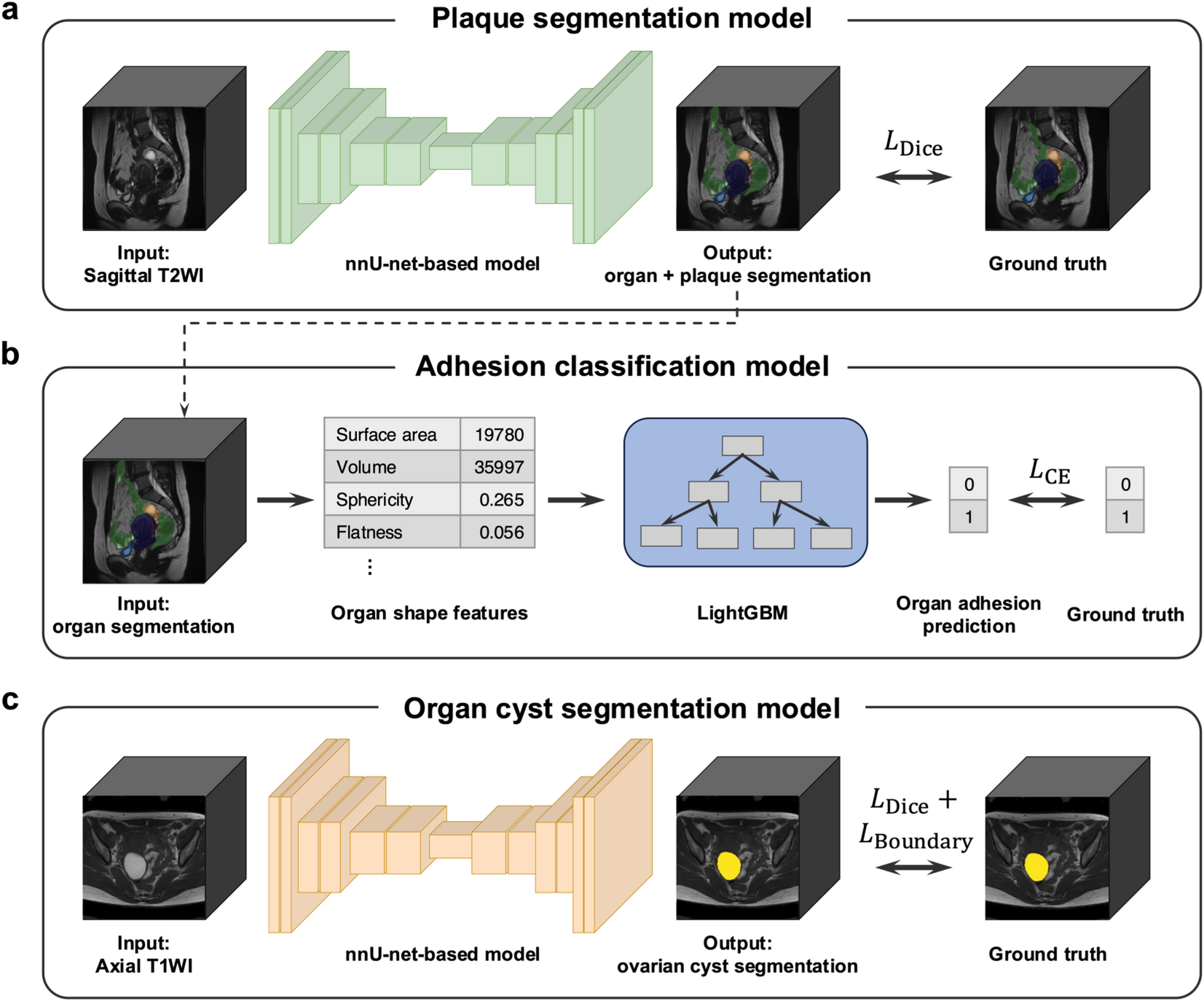
When we talk about endometriosis mapping with AI, we’re not talking about drawing lines on a paper map. We’re talking about creating incredibly detailed digital blueprints of where the endometriosis implants are located within a patient’s body. AI can analyze imaging scans like MRIs and identify suspicious lesions, classifying them based on their size, location, and characteristics. It can differentiate between normal tissue and endometriotic tissue with remarkable precision. This means doctors get a much clearer picture, a sort of ultra-detailed roadmap, of the extent and severity of the disease before they even go in for surgery. This level of detail used to be impossible.
The Power of Precise Imaging Analysis
AI’s ability to analyze medical images is a total game-changer. For years, diagnosis often relied on a surgeon literally looking inside the body during laparoscopy, and even then, small or deep implants could be missed. Now, AI algorithms can process MRI scans, for example, and pinpoint areas of concern with astounding accuracy. Researchers are developing systems that can read MRIs and flag potential deep infiltrating endometriosis, which is often the most painful and difficult to detect. This isn’t just about finding it; it’s about finding it accurately and consistently. One study looked at how AI could help read MRIs for deep endometriosis, showing promising results for improved detection rates.
Beyond Detection: Predicting and Plaing
But it’s not just about spotting the disease. AI is also being used to predict how aggressive the endometriosis might be and to help plan the best course of treatment. By analyzing imaging and patient data, AI can help doctors understand the potential risk of recurrence or the likelihood of certain complications. This allows for more personalized treatment plans, moving away from a one-size-fits-all approach. Imagine an AI predicting which patients are most likely to benefit from a specific surgical technique or hormone therapy. That’s the future we’re building, a future where treatment is tailored to the individual, not just the diagnosis. This means fewer trial-and-error treatments and a faster path to relief for patients.
The Technology Making it Happen: From Algorithms to Scans
So, what kind of tech are we talking about here? It’s a mix of things. First, you’ve got the machine learning algorithms. These are the brains of the operation. They’re fed thousands, even millions, of aotated images and data points to learn the tell-tale signs of endometriosis. Think of it like teaching a student, but this student learns at lightning speed and never forgets. Then there are the imaging technologies themselves – high-resolution MRI machines, advanced ultrasound devices. The better the image quality, the more data the AI has to work with, and the more accurate it becomes. Companies are developing specialized software that integrates with existing hospital systems, allowing radiologists and surgeons to use these AI tools right alongside their current workflows. It’s designed to augment, not replace, the human expert.

Source : nature.com
Machine Learning and Deep Learning in Action
At the heart of AI diagnostics for endometriosis are machine learning (ML) and deep learning (DL) techniques. ML involves algorithms that learn from data without being explicitly programmed. Deep learning, a subset of ML, uses neural networks with multiple layers to analyze complex patterns in data, much like the human brain. For endometriosis, these models are trained to recognize the unique visual signatures of endometrial tissue outside the uterus, which often appear differently on scans than healthy tissue. They learn to identify subtle changes in texture, shape, and signal intensity that might be indicative of disease. This allows for a level of pattern recognition far beyond what the human eye can achieve alone, leading to earlier and more accurate detection.
The Role of Imaging Modalities
The effectiveness of AI in endometriosis mapping heavily relies on the quality and type of imaging used. Magnetic Resonance Imaging (MRI) is particularly valuable due to its ability to provide detailed soft-tissue contrast, allowing AI to visualize deep infiltrating endometriosis and its impact on organs. Ultrasound, especially with advanced techniques like transvaginal ultrasound with or without contrast agents, is also crucial and often more accessible. AI can enhance these ultrasounds by automatically detecting cysts or identifying suspicious nodules. The combination of these advanced imaging techniques with AI analysis creates a powerful diagnostic duo. It’s about using the best tools available to paint the clearest possible picture for doctors and patients alike. This is critical for precise disease visualization.
Real-World Impact: Stories from the Front Lines
This isn’t just theoretical. AI is already making a difference. Take the story of Sarah (not her real name), who had struggled for over a decade with debilitating pain, seeing countless doctors who couldn’t find anything wrong. Finally, a new AI-assisted diagnostic tool flagged subtle anomalies on her MRI that were missed before. It led to a swift diagnosis and the right treatment. Then there’s the case featured by the Endometriosis Foundation of America, where AI directly led a patient to a diagnosis after 12 agonizing years. Stories like these are becoming more common. They highlight the profound human impact of this technology. It’s about giving people their lives back, reducing years of suffering, and providing hope where there was once only despair. This technology offers a real path to diagnosis.
A Case in Point: AI for the Long-Suffering Patient
Consider the journey many patients endure. They experience severe pain, infertility, and a cascade of other symptoms, yet their diagnostic workup comes back clear. Frustration mounts. Self-doubt creeps in. “Am I making this up?” they wonder. AI-powered diagnostic tools are changing this narrative. They can analyze scans with a sensitivity that might catch the elusive lesions that traditional methods overlook. For a patient who has been battling their symptoms for over a decade, facing skepticism at every turn, the possibility of an AI-assisted diagnosis is nothing short of life-changing. It validates their experience and offers a concrete step towards treatment. This is particularly true for conditions like deep infiltrating endometriosis, which can be incredibly hard to spot. You can find more about how artificial intelligence leads endometriosis patients to a diagnosis after years of pain and suffering on sites like the EndoFound website.

Source : sciencedirect.com
Improving Surgical Outcomes
Beyond diagnosis, AI’s mapping capabilities are revolutionizing surgical plaing. Surgeons can use AI-generated maps to visualize the exact location, size, and depth of endometriotic implants before even touching a scalpel. This allows for more precise surgical excision, minimizing damage to surrounding healthy tissues and reducing the risk of complications. It means shorter surgery times, quicker recovery periods, and a higher chance of completely removing the disease. It’s about making surgery safer and more effective. This predictive power is a huge step forward in better surgical plaing.
Challenges and the Road Ahead
Now, is it perfect? Of course not. There are hurdles. Data is key, and we need large, diverse, high-quality datasets to train these AI models effectively. Bias in data can lead to biased algorithms, meaning some patient groups might not benefit as much as others. We need to ensure these tools are accessible and affordable, not just a luxury for a few. And then there’s regulatory approval – making sure these AI tools are safe and effective before they’re widely used. Plus, doctors need to be trained on how to interpret and use AI outputs. It’s a complex ecosystem. But the potential is enormous. Ongoing research is crucial for refining these tools and expanding their capabilities. We’re on the cusp of something big, but it requires continued investment and collaboration. It’s about making AI accessible to everyone who needs it.
Data Quality and Bias Concerns
One of the biggest challenges is ensuring the data used to train AI models is representative of the diverse patient population. If the training data primarily comes from a specific demographic, the AI might not perform as well for patients from different ethnic backgrounds, ages, or disease presentations. This could exacerbate existing health disparities. Developing robust validation strategies and actively seeking out diverse datasets are critical steps. It’s not enough for AI to be accurate; it must be equitable. Addressing this bias is paramount for fairer healthcare outcomes.
Regulatory Hurdles and Integration
Bringing new medical technology to market is never easy. AI diagnostic tools face significant regulatory scrutiny. They need to be proven safe, effective, and reliable through rigorous testing and clinical trials before they can be approved for widespread use by bodies like the FDA. Once approved, integrating these tools into existing clinical workflows can also be a challenge. Hospitals and clinics need the infrastructure, the trained persoel, and the willingness to adopt new technologies. Overcoming these hurdles requires collaboration between AI developers, healthcare providers, and regulatory agencies. It’s a step-by-step process to ensure safe AI deployment in clinics.
Source : nature.com
The Need for Interdisciplinary Collaboration
No single group can solve the complexities of endometriosis on its own. It requires a massive, coordinated effort. AI developers need to work hand-in-hand with gynecologists, radiologists, pathologists, and, most importantly, patients. Understanding the clinical needs and the patient experience is vital for creating AI tools that are genuinely useful and effective. Open communication and shared goals are essential. This interdisciplinary approach ensures that the technology developed actually addresses the real-world challenges faced by those affected by endometriosis. It’s about building solutions with the community, not just for them. Collaboration is key for advancing endometriosis care.
The Future is Here: Hope on the Horizon
The integration of AI into endometriosis diagnostics isn’t just a future possibility; it’s happening now. It’s transforming how we detect, map, and treat this condition. We’re moving from a place of prolonged uncertainty and suffering to one of greater clarity and targeted intervention. This technology offers a beacon of hope for millions of women who have felt invisible and unheard for too long. The journey has been long, but with AI leading the charge, the future of endometriosis care looks brighter than ever. Keep an eye on this space; the advancements are coming fast and furious, promising a much-needed revolution in women’s health.
The science behind these diagnostic advancements is truly fascinating. You can dive deeper into the clinical applications of AI in endometriosis by exploring research like the scoping review on clinical use of artificial intelligence in endometriosis. It provides a comprehensive overview of how AI is being utilized and its potential impact.
Frequently Asked Questions About AI and Endometriosis Diagnostics
Is AI being used to diagnose endometriosis right now?
Yes, absolutely! While it’s still evolving, AI is already being used in research and increasingly in clinical settings to help analyze medical images like MRIs and ultrasounds. It’s helping doctors spot the signs of endometriosis more accurately and faster than before. Think of it as a super-smart assistant for your doctor, spotting things they might miss.
How does AI help map endometriosis?
AI algorithms are trained on vast amounts of medical imaging data to recognize the specific patterns of endometriosis. They can pinpoint exactly where the lesions are, how big they are, and how deep they’ve infiltrated organs. This creates a detailed ‘map’ of the disease, which is incredibly useful for surgeons plaing operations. It’s all about precise disease mapping.
Will AI replace doctors in diagnosing endometriosis?
No, not at all. AI is a tool to assist doctors, not replace them. Human expertise, clinical judgment, and patient interaction are still crucial. AI can analyze images and data incredibly well, but a doctor puts that information into the context of the individual patient’s symptoms and history. It’s a partnership.
What are the biggest benefits of using AI for endometriosis diagnosis?
The biggest benefits are speed and accuracy. AI can significantly shorten the agonizingly long diagnostic journey many women face, sometimes cutting down years of waiting. It also improves the accuracy of diagnosis, especially for complex cases like deep infiltrating endometriosis, leading to better treatment decisions and improved patient outcomes.
Are there any risks or downsides to using AI in endometriosis diagnosis?
Like any new technology, there are challenges. We need to make sure the AI is trained on diverse data to avoid bias, ensuring it works equally well for everyone. There are also regulatory hurdles to ensure safety and effectiveness, and we need to make sure these tools are accessible and affordable. Ensuring equitable access to this technology is vital.