The Cheapest EVs You Can Actually Buy in 2026
Alright, let’s talk electric cars. Specifically, the ones that won’t make your wallet weep. Forget those Teslas that cost more than a small house. We’re digging into the real deal: budget-friendly EVs that are actually hitting the road in 2026. You’ve been hearing the whispers about affordable electric options, right? Well, the wait is almost over. Get ready to see some serious contenders shake up the market.

Source : roadandtrack.com
The EV game used to be all about luxury and high price tags. It felt like only the rich could go electric. But things are changing, fast. Automakers are finally realizing that to get everyone on board, they need cars that ordinary folks can afford. And 2026 looks like the year that promise starts to be fulfilled. We’re talking about models that could actually compete with gas cars on price, before even factoring in fuel savings.
Why Haven’t We Seen More Cheap EVs?
It’s been a bit of a struggle, hasn’t it? For a while there, it felt like the cheapest EVs hovered around the $35,000 mark, and that was before any dealer markups or options. Why the holdup? Well, batteries are still a big chunk of the cost. Making them cheaper and more efficient is key. Plus, developing entirely new platforms for affordable EVs takes serious cash and time. Automakers were also busy chasing the premium market first, trying to prove the technology. Now, they’re shifting gears.
Think about it: those early EVs? They were pioneers, sure, but they were expensive toys for early adopters. The real revolution happens when you can get an EV that fits your everyday budget. We’re seeing the trickle-down effect, where tech pioneered in pricier models eventually makes its way into more affordable packages. It’s a natural progression, but one that’s taken longer than many of us hoped.
The Market Outlook: What to Expect in 2026
So, what’s the EV market outlook for 2026? It’s looking way more promising for the budget-conscious buyer. We’re anticipating a wave of new models, many aiming for that sweet spot under $30,000, maybe even closer to $25,000. This isn’t just wishful thinking; major manufacturers have signaled their intentions. We’re talking about EVs that are practical, have decent range for daily commutes, and won’t require a second mortgage. It’s the begiing of mass adoption, truly.
Expect to see more competition heating up. As more players enter the affordable EV space, prices should get even more competitive. We might even see some automakers start offering more aggressive lease deals or financing options to push these entry-level models. It’s a crucial year for EVs to prove they can be for everyone, not just the well-off.
Source : guideautoweb.com
The Contenders: Budget EVs to Watch
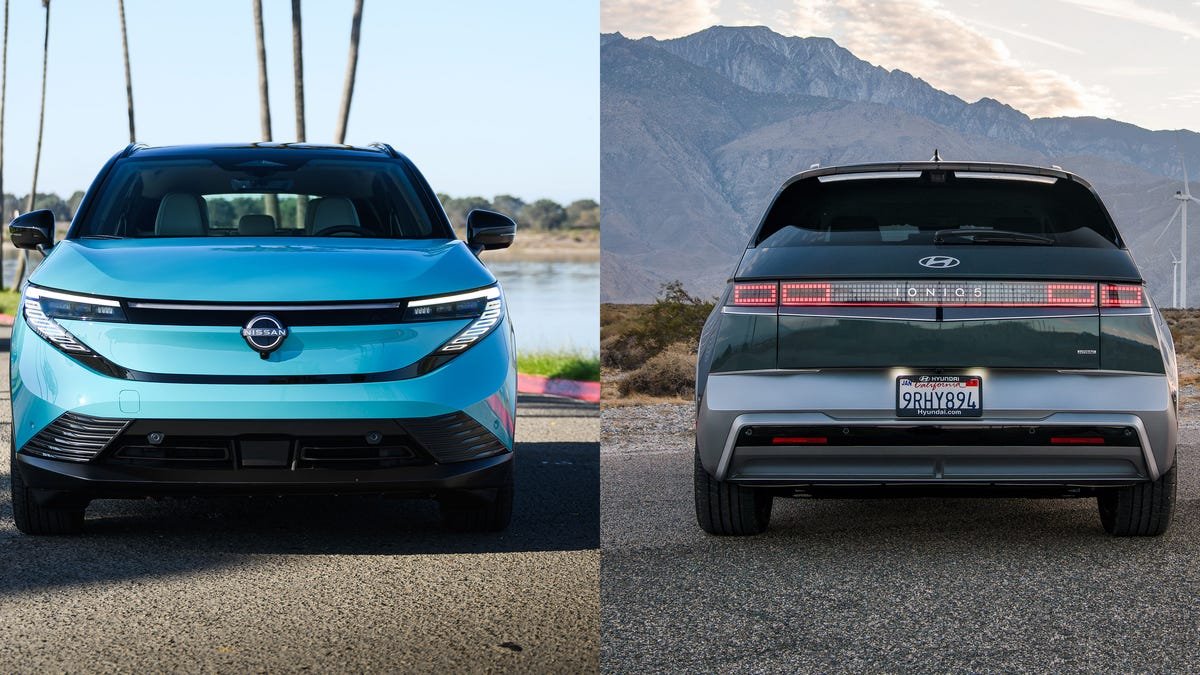
2026 Nissan Leaf: The Still-Kicking Veteran
The Nissan Leaf has been around the block. It’s practically the grandpa of affordable EVs. And guess what? It’s not going away. For 2026, expect the Leaf to get a much-needed refresh. Nissan’s been pretty quiet on the specifics, but rumors are swirling about improved battery tech, a sleeker design, and maybe, just maybe, a price tag that keeps it firmly in the budget category. It’s a safe bet, but will it be exciting enough?
The current Leaf, while affordable, isn’t exactly a speed demon or a range champion. But Nissan knows its audience. They know people want a reliable, no-frills electric car for daily driving. So, for 2026, I’m betting on a more competitive range (think 250+ miles) and a price that stays under $30,000. If they nail that, the Leaf could keep its title as a top budget EV.
2027 Chevy Bolt and the Low-Cost Chevy EV Family
Hold up, you said 2026, but the reborn Chevy Bolt is looking like a 2027 model. That’s close enough, right? GM has confirmed they’re bringing back the Bolt, and this time, it’s going to be even more affordable. They’re also talking about a whole family of low-cost EVs built on their Ultium platform. This is HUGE news. If anyone can deliver EVs at scale and at a lower cost, it’s GM.
The buzz is that the new Bolt could start somewhere around $27,000, maybe even less. And it’s not just the Bolt. GM has ambitious plans to roll out a range of affordable electric vehicles. This means more choices for consumers who want to go electric without breaking the bank. Keep your eyes on Chevy; they’re serious about this segment.
Honda’s Sub-$30K EV: A Game Changer?
Honda’s been playing a bit coy, but they’ve officially said they’re working on an affordable EV targeting a price point below $30,000 for the 2026 model year. Details are scarce, but given Honda’s reputation for reliability and sensible engineering, this could be a major player. Will it be based on their existing Prologue or something entirely new? We’re waiting to hear more, but the promise of a Honda badge on a cheap electric car is pretty enticing.
Honda doesn’t usually swing for the fences with flashy tech. They focus on practicality and building cars people can depend on for years. So, I expect this sub-$30K Honda EV to be a no-nonsense option. Think solid range, comfortable ride, and all the essential tech without the fluff. It’s exactly what a lot of people are looking for.
The Hyundai Ioniq 3: A Smaller, Cheaper Ioniq?
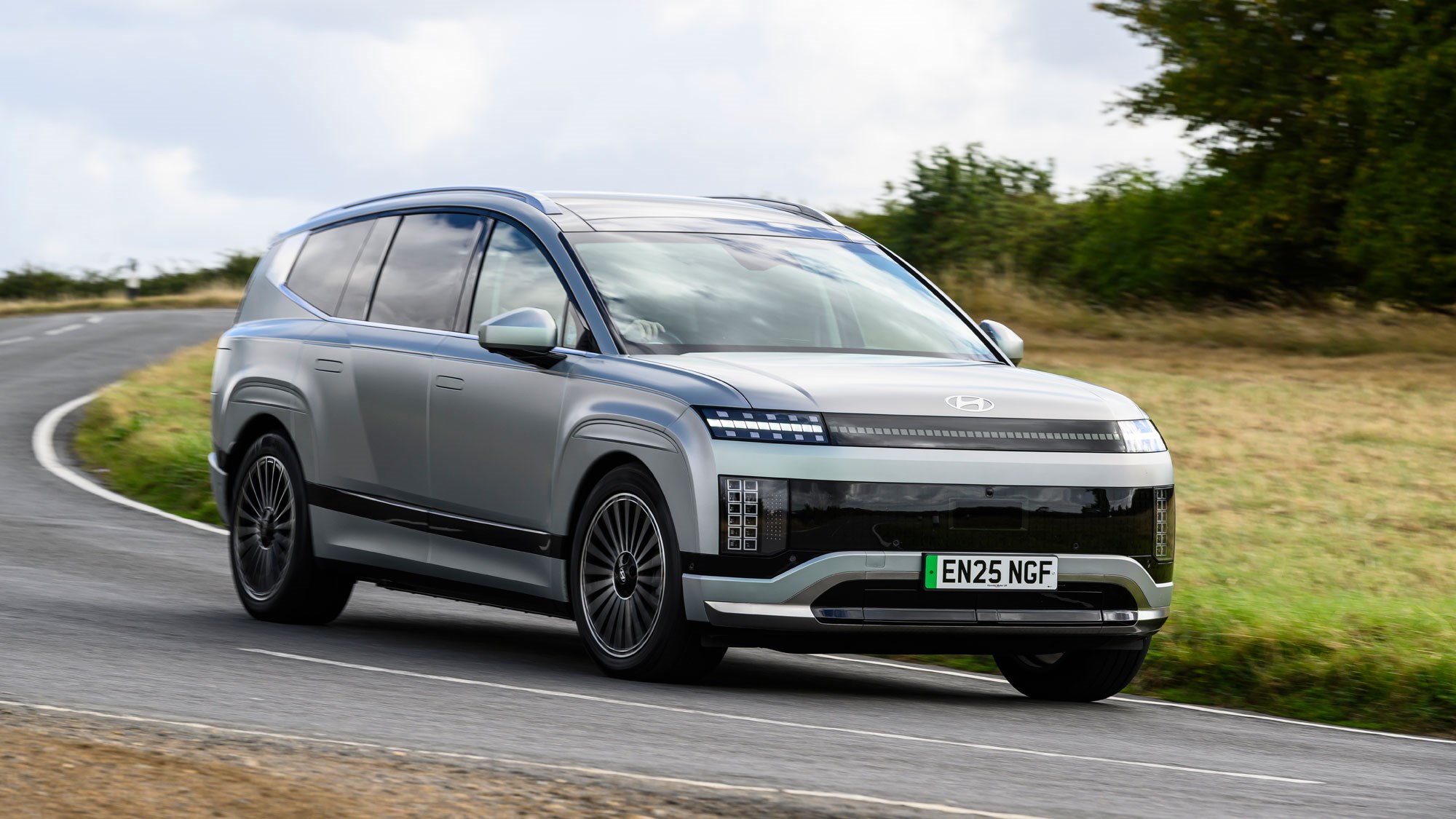
Hyundai’s Ioniq lineup has been a massive hit. The Ioniq 5 and 6 are fantastic, but they aren’t exactly budget-friendly. Word on the street is that Hyundai is plaing an Ioniq 3, a smaller, more affordable entry into the EV market, possibly arriving for the 2026 model year. This would slot beneath the Ioniq 5 and potentially hit that coveted sub-$30,000 price point. Given Hyundai’s rapid EV development, this is definitely one to watch.
If Hyundai can shrink the Ioniq magic into a smaller, cheaper package, it could be a runaway success. They’ve proven they can do design and tech really well. The question is how much they’ll have to compromise on range or features to hit that lower price. But hey, even a slightly less-fancy Ioniq at a lower price is still a big win for affordable electric vehicles.
Kia’s EV2: The Affordable Pocket Rocket?
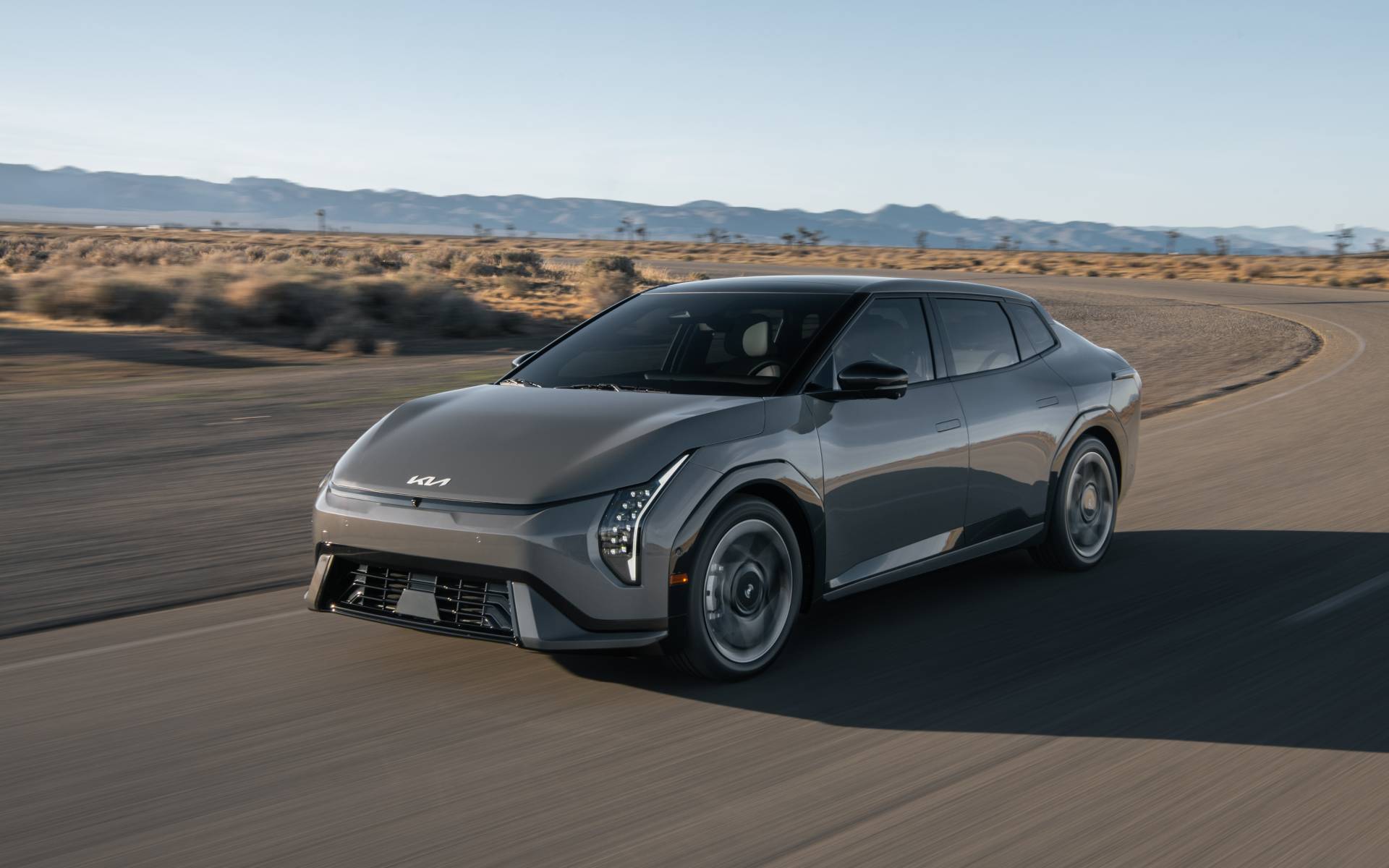
Kia has also teased a future entry-level EV, potentially dubbed the EV2, aimed at younger buyers and a lower price point. While specific timelines are fuzzy, it’s often mentioned in conjunction with the 2026-2027 timeframe. Kia’s recent EV efforts, like the EV6 and EV9, have been impressive, but pricey. An EV2 could be their answer to the demand for a more accessible electric car. Think smaller, maybe a bit more quirky, but still packed with Kia’s value proposition.

Source : motortrend.com
Kia has a knack for making cars look and feel more expensive than they are. If they can apply that to a genuinely affordable EV, the EV2 could be a serious contender. It might not have the longest range or the most power, but it could be the perfect city car or second car for families looking to make the EV switch without a huge investment. Kia’s budget EV plans are definitely worth tracking.
Volta Zero: The Commercial, But Maybe Personal, Option?
Okay, this one’s a bit different. The Volta Zero is designed as an electric delivery truck. It’s all about practicality and sustainability for businesses. But… and it’s a big ‘but’… its utilitarian design and focus on efficiency mean it could theoretically be adapted or inspire smaller personal vehicles down the line. It’s a long shot for a personal car in 2026, but the underlying tech and design philosophy represent a move towards more accessible, purpose-built electric vehicles.
While you probably won’t be commuting in a Volta Zero next year, keep it in mind as an example of how the industry is thinking about efficiency and lower costs. The iovation happening in the commercial EV space often trickles down. Plus, who knows? Maybe a ‘Volta Personal’ model will surprise us all. It’s a testament to the expanding definition of what an EV can be.
The Rise of Chinese EVs in Global Markets
We can’t talk about affordable EVs without mentioning the powerhouse that is the Chinese auto industry. Brands like BYD, Geely, and Nio are already making waves globally with EVs that often undercut Western competitors on price while offering impressive specs. While not all of these are guaranteed for the US market in 2026, the pressure they’re putting on established automakers is undeniable. We’re already seeing some European market models from these brands, and expansion is likely.
Think of brands like BYD. They’re massive. They make their own batteries (Blade Battery tech, anyone?) and are rapidly expanding. If they bring models like the Seagull or Dolphin (appropriately adapted for safety and regulations, of course) to Western markets at competitive prices, it could seriously shake things up. It’s a global EV competition heating up, and we all benefit.
Don’t Forget the Used Market!
Look, I get it. Waiting for a new model can be a drag. And even the ‘budget’ new EVs might still stretch your finances. Smart move? Check out the used EV market. Prices have been dropping, especially on models that are a few years old. You can often find a fantastic EV for thousands less than its original sticker price. Think about a lightly used Bolt, Leaf, or even an older Model 3. You get the benefits of electric driving without the brand-new price tag. It’s a proven way to save.
Seriously, don’t dismiss used EVs. The technology is still solid, and the savings are substantial. Plus, many EVs hold their charge well even after a few years. Just do your homework: check the battery health (some offer diagnostics) and look for certified pre-owned options if possible. You might be surprised at the gems you can uncover. Finding the cheapest electric cars is easier when you consider pre-owned.
What About Range? And Charging?
Okay, let’s address the elephant in the room: range anxiety and charging infrastructure. For budget EVs, you probably won’t be getting Tesla-level range. Aim for something with at least 200 miles of EPA-estimated range for your daily needs. That’s usually more than enough for most commutes and errands. Remember, rated range is often conservative, and your actual mileage will vary based on driving style, speed, and temperature.
Charging is getting better, but it’s still not as simple as filling up with gas. Home charging is your best friend. Installing a Level 2 charger at home means you wake up every morning with a ‘full tank.’ For public charging, apps like PlugShare are invaluable. You’ll see a growing network of public chargers, including DC fast chargers on major routes, making longer trips feasible. It requires a little plaing, but it’s totally manageable.
Source : carmagazine.co.uk
Making the Switch: Tips for Buyers
So, you’re ready to dive into the world of affordable EVs in 2026. Awesome. Here are a few pointers:
- Do your research: Read reviews, compare specs, and watch video reviews. Understand the pros and cons of each model.
- Test drive everything: Don’t just rely on reviews. Get behind the wheel. See how it feels, how the acceleration is, and if the tech makes sense to you.
- Check incentives: Keep an eye on federal, state, and local tax credits or rebates. These can knock thousands off the price of an EV. They change, so stay updated.
- Factor in ruing costs: Electricity is generally cheaper than gas. Plus, EVs have fewer moving parts, meaning less maintenance. Calculate your potential savings.
- Consider your charging situation: Can you charge at home? If not, how accessible are public chargers in your area? This is crucial.
Choosing an EV, especially a budget one, is a big decision. It’s about finding the right balance of price, range, features, and practicality for your life. Don’t just buy the cheapest one you see; make sure it actually fits your needs. A little homework goes a long way toward ensuring you’re happy with your electric ride for years to come.
The Future is Electric, and It’s Finally Affordable
The landscape of electric vehicles is shifting dramatically. What was once a niche market for the wealthy is rapidly becoming accessible to the masses. 2026 is shaping up to be a pivotal year, with more budget-friendly EVs hitting the market than ever before. From refreshed favorites like the Nissan Leaf to promising newcomers from Hyundai, Kia, and potentially Honda, the choices are expanding.
Whether you’re eyeing a brand-new model or hunting for a great deal on the used market, going electric in 2026 is more feasible than you might think. The automakers are listening, the technology is improving, and the prices are finally coming down. Get ready to join the electric revolution without breaking the bank. The future of driving is here, and it’s more affordable than ever.
Frequently Asked Questions
-
What is the EV market outlook for 2026?
The EV market outlook for 2026 is seriously bright for budget buyers. We’re expecting a bunch of new electric cars, many aiming for that sub-$30,000 sweet spot. Automakers are finally pushing affordable options hard to get more people into EVs. Think more choices, more competition, and potentially better financing deals. It’s looking like the year EVs become truly accessible for the average person.
-
Will there be EVs under $25,000 in 2026?
It’s looking increasingly likely! While the $30,000 mark seems to be the main target for many upcoming models, some might dip even lower. Companies like GM are talking about a whole range of affordable EVs, and the pressure from Chinese automakers could force prices down. Don’t be surprised if a few genuinely cheap electric cars pop up around the $25K mark, especially if you consider tax credits.
-
Which automakers are releasing the most affordable EVs in 2026?
Keep a close eye on Nissan, Chevrolet (GM), Honda, Hyundai, and Kia. Nissan’s Leaf is getting updated, GM is bringing back the Bolt and promising more affordable EVs, and Honda has confirmed a sub-$30K model. Hyundai and Kia are rumored to be working on smaller, cheaper Ioniq and EV models, respectively. Plus, don’t count out the potential impact of international brands bringing budget EVs to market.
-
How much range can I expect from a budget EV in 2026?
For 2026’s budget-friendly EVs, you should realistically aim for models offering at least 200 miles of EPA-estimated range. While you won’t likely get the 300+ miles found in luxury EVs, 200 miles is perfectly sufficient for most daily driving, commuting, and errands. Battery tech is improving, so even affordable options should offer a solid, usable range.
-
Are tax credits still available for new EVs in 2026?
Yes, tax credits are expected to continue, but they can be complex and change based on legislation and the specific vehicle’s manufacturing location and battery sourcing. For new EVs in 2026, you’ll need to check the specific requirements for federal, state, and local incentives when you’re ready to buy. These credits can significantly lower the actual purchase price, making those budget EVs even more attractive.