Multi-Generational Co-Op Housing: Building Stronger Families
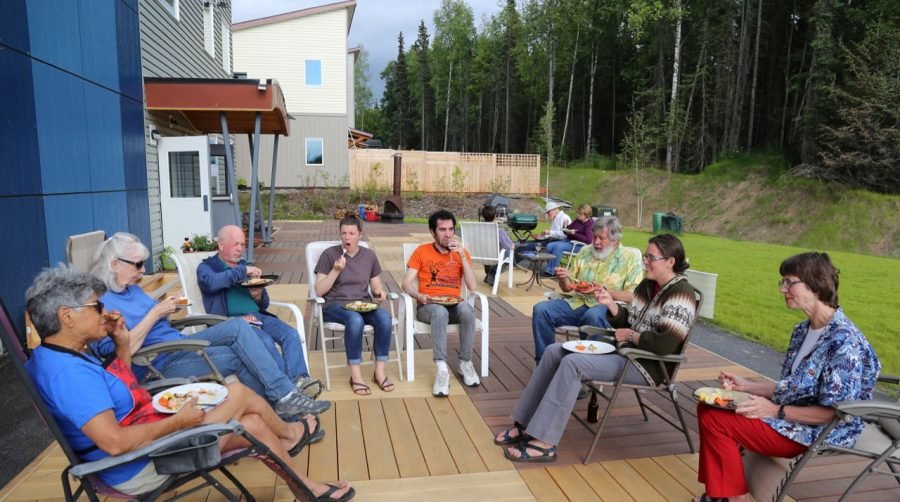
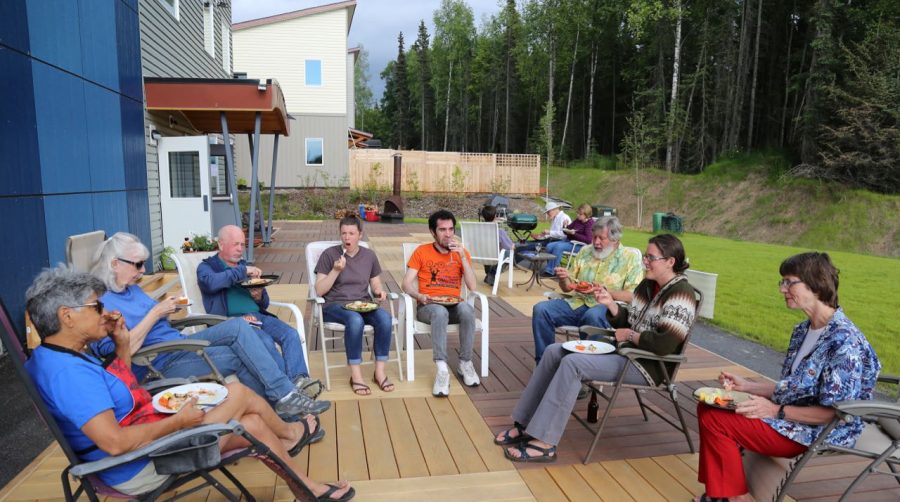
Let’s talk about families. Not the Leave It to Beaver kind, but the real deal. The kind where Grandma’s wisdom meets Mom’s PTA hustle, and your teenager is actually learning to cook from Grandpa. Sounds like a dream, right? For a lot of folks, it’s become a practical, even necessary, reality: multi-generational co-op housing. Forget those sterile retirement villages or the pressure of living too close (or too far) from your adult kids. This is about creating intentional communities where different generations can live together, support each other, and actually enjoy family life again.
Source : cohousing.org
Think about it. The housing market’s a nightmare. Raising kids is expensive. Supporting aging parents? Even more so. Traditional single-family homes often leave us feeling isolated, staring at the same four walls with no built-in support system. Co-op housing for multi-generational families flips the script. It’s a way to pool resources, share responsibilities, and build a robust, intercoected living situation that benefits everyone involved. It’s not just about saving money, though that’s a huge perk. It’s about reclaiming community and forging deeper bonds.
Why Co-Op Living Makes Sense for Families Today
You’ve seen the stats. More and more adults are moving back in with their parents, or parents are moving in with their kids. It’s happening. But often, it’s a stressful, crammed situation. Co-op living offers a different path. It’s a structured way for families (or even just close friends who become like family) to live together while maintaining a sense of personal space and autonomy. It’s like having your cake and eating it too, but the cake is made of shared chores and built-in babysitters.
The core idea is simple: shared living spaces and shared responsibilities. Instead of each individual family unit ruing its own household completely independently, you’re part of a larger group. This group makes decisions together, shares common areas (like dining rooms, workshops, gardens), and often pitches in on tasks like cooking meals or maintenance. For multi-generational families, this means Grandpa isn’t just sitting around; he’s helping with the garden. Your college-aged kid isn’t just playing video games; they’re helping Grandma with her tech issues. It’s purposeful intergenerational living.

Source : nytimes.com
The Practical Perks: More Than Just Money
Let’s get down to brass tacks. Money matters. In a co-op, you’re typically buying into a share of the community, not just a single unit. This often means lower upfront costs compared to buying a standalone house. Plus, sharing resources like large appliances, tools, and even vehicles can lead to significant savings. Imagine never having to buy a lawnmower again, or always having someone available to lend you a cup of sugar (or a power drill).
But the financial benefits are just the tip of the iceberg. Think about the childcare. Having grandparents, aunts, or uncles readily available can drastically reduce the need for expensive daycare or naies. It’s a natural, built-in support system that allows parents to work with less stress. And for the older generation? Having younger family members around provides companionship, a sense of purpose, and help with daily tasks that might become challenging with age. It combats the loneliness that so many seniors face.
Then there’s the shared workload. Group cooking nights? Yes, please. Rotating cleaning duties for common areas? Much better than doing it all yourself. This shared effort frees up valuable time for everyone. Time that can be spent pursuing hobbies, coecting with family, or simply relaxing. It’s about creating a more sustainable, less burdensome way of life for everyone in the household.
The Emotional and Social Upsides
Beyond the practicalities, the social and emotional benefits are profound. For kids, growing up in a multi-generational co-op means constant exposure to different perspectives, life experiences, and a built-in network of loving adults. They learn empathy, responsibility, and the value of community firsthand. It’s like a permanent family reunion, but with less awkward small talk.
For adults, it’s a chance to deepen relationships with their children and parents. You’re not just visiting on Sundays; you’re actively building a life together. The shared meals, the impromptu game nights, the collaborative problem-solving – these weave a stronger family fabric. And for older adults, it means staying coected, engaged, and feeling valued. No more feeling like a burden; they’re integral members of a vibrant community.
This kind of living fosters a unique sense of belonging. In an increasingly fragmented world, having a built-in support system, a group of people who genuinely care about your well-being, is invaluable. It’s a buffer against life’s inevitable challenges, providing emotional resilience and a constant source of coection. It’s a supportive living environment that’s hard to replicate elsewhere.
Designing Your Multi-Generational Co-Op Dream

Source : nytimes.com
So, how does this actually happen? It’s not as simple as just moving everyone into one big house (though that’s an option for some!). Most commonly, it involves forming or joining an intentional community. This usually means individual private dwellings (apartments, townhouses, small cottages) clustered around shared common facilities. Think a shared kitchen and dining hall, a community room, maybe a workshop or a craft space, and outdoor areas like gardens or playgrounds.
The key is intentionality. These communities are formed by people who explicitly want to live together and have chosen to do so. They establish governance structures, set rules, and make decisions collaboratively. It requires communication, compromise, and a shared vision. It’s not just roommates; it’s a deliberate choice to build a life together.
For multi-generational families, this could mean several family units buying into a co-op development together. Or, it could be a group of families who know each other well and decide to create a co-op from scratch. The process often involves finding land, securing financing, and working with architects and designers who understand co-housing principles. It’s a significant undertaking, but the rewards can be immense.
Consider the example of Touchstone Cohousing. They’ve built a thriving community where people of all ages live together, sharing meals, activities, and a commitment to sustainability. It demonstrates that this model isn’t just a pipe dream; it’s a successful, replicable way of living. They focus on creating strong communities through shared living.
Finding the Right Fit: Types of Co-Ops
Not all co-ops are created equal. Some are non-profit housing cooperatives where residents are members and pay fees for maintenance and services. Others are equity cooperatives where residents own a share of the property itself. The specific structure will affect ownership, financial responsibilities, and decision-making power.
For multi-generational living, you might look for communities that are already geared towards intergenerational interaction or are open to forming such groups. Some co-ops have a mix of ages, while others might be more specifically designed to accommodate families with children and elders. The key is to find a community whose values and structure align with your family’s goals. It’s about finding that perfect living arrangement.
You could also explore forming a new co-op. This is a bigger lift, requiring significant plaing and commitment, but it offers the ultimate customization. You can design the community from the ground up to meet your specific multi-generational needs, from the unit layouts to the shared amenities. This might involve bringing together several family branches or finding like-minded individuals to join your venture.

Source : nytimes.com
Making it Work: The Art of Shared Living
Living in close proximity with others, even family, requires effort. Communication is, unsurprisingly, king. Regular meetings, open dialogue, and a willingness to listen are essential. Conflict is inevitable; the goal isn’t to avoid it but to manage it constructively.
Shared decision-making is a cornerstone of co-housing. Whether it’s deciding on landscaping projects or plaing the monthly budget, everyone needs a voice. This requires patience and a commitment to finding solutions that work for the group. It’s about collaborative community building, not dictatorship.
Setting clear expectations and responsibilities from the outset is crucial. Who cooks which nights? Who handles trash and recycling? What are the guidelines for using common spaces? Having these things ironed out (and documented!) can prevent a lot of friction down the line. Think of it as establishing the ground rules for your extended family living situation.
Respecting personal space and privacy is also vital. While shared living fosters coection, everyone still needs their own retreat. Ensuring that each private dwelling offers a genuine sense of sanctuary is key to long-term happiness. It’s a balance between communal living and individual privacy.
Challenges and Considerations
Let’s be real, it’s not always sunshine and shared organic kale. There will be disagreements. Your brother-in-law might have aoying habits that become amplified when you see him daily. Budgeting disagreements can arise. Finding the right balance between shared responsibilities and individual freedom can be tricky.
One of the biggest hurdles can be the initial setup. Finding suitable land, securing financing for a multi-unit co-op, and navigating zoning laws can be complex. It requires significant time, effort, and often, professional assistance. You’re not just buying a house; you’re building a community.
Another challenge is ensuring that the community remains vibrant and adaptable over time. As residents age, move out, or pass away, the community needs to evolve. Having a plan for member turnover and succession is important. It’s about creating a sustainable housing model for the long haul.

Source : cohousing.org
Who Is Multi-Generational Co-Op Housing For?
This model isn’t for everyone. It thrives with people who value community, are willing to compromise, and actively seek coection. It’s ideal for families who want to stay coected as parents age and children grow, providing mutual support.
It’s also a fantastic option for groups of friends who want to age in place together, creating a chosen family. Or for single parents who want a built-in support network for themselves and their children. Essentially, anyone looking to move away from isolation and build a more coected, supportive, and affordable living situation could benefit. It’s for those who believe that family is community.
The Future of Family Living
As housing costs continue to skyrocket and societal trends push towards greater isolation, intentional communities like multi-generational co-ops offer a compelling alternative. They provide a framework for living more sustainably, affordably, and coection-rich lives. It’s a return to older ways of living, updated for the modern world, prioritizing human coection and mutual support.
This isn’t just a niche trend; it’s a sensible response to the challenges of modern life. It’s about building stronger families, stronger communities, and ultimately, a stronger society, one shared meal and one collaborative decision at a time. It’s proving that living together can be better than living apart.
Frequently Asked Questions
What are the downsides of cohousing?
Look, no living situation is perfect, right? With cohousing, the biggest potential downsides usually boil down to shared decision-making. If you’re someone who likes to be the boss and make snap decisions without consulting anyone, this might drive you nuts. You’ll have meetings. Lots of meetings. And sometimes, compromises mean you don’t get exactly what you want, which can be frustrating. Privacy can also be a concern if the community isn’t well-designed; you might feel like you’re never truly alone. Plus, getting everyone on the same page about finances or rules can be a real headache sometimes. It takes serious communication skills and a willingness to bend a little.
How much does it cost to live in a cohousing community?
Okay, so this is where it gets a bit fuzzy because costs vary wildly. Generally, though, cohousing can be more affordable than buying a comparable standalone home in the same area. You’re usually buying a share in the whole development, not just your individual unit. Your monthly fees cover things like maintenance, management, and access to common facilities (that awesome shared kitchen!). These fees can range from a few hundred to over a thousand dollars a month, depending on the community’s size, amenities, and location. But remember, you’re often saving money elsewhere – like on utilities, because you’re sharing resources, or on childcare because Grandma’s right next door. So, while there’s a monthly fee and often an initial buy-in cost, the overall cost of living can be surprisingly reasonable, especially when you factor in the built-in support system.
Can I build my own multi-generational co-op?
Absolutely! People do it all the time. It’s not for the faint of heart, though. You’ll need a group of like-minded folks – maybe your extended family, maybe friends who want to live together. Then comes the hard work: finding land, figuring out zoning, getting financing for a multi-unit project (which can be trickier than a single home loan), and working with architects and builders who understand co-op design. You’ll also need to establish your community’s governance structure – how decisions are made, how fees are collected, etc. It’s a huge project, but the payoff is a custom-built community tailored exactly to your family’s needs. Think of it as architectural community building.
What are the key differences between cohousing and a typical apartment complex?
The biggest difference? Intentionality and community. An apartment complex is just a collection of individual units. You might know your neighbors, you might not. Cohousing, on the other hand, is built on the idea of active community engagement. Residents intentionally choose to live together, often forming a legal entity to own and manage the property. There are shared common spaces – kitchens, dining rooms, lounges, workshops – designed to encourage interaction. Decision-making is usually collaborative, not dictated by a landlord. It’s about living with people, not just next to them. You get a lot more say in how your living environment is run and a lot more built-in social coection.
How are decisions made in a cohousing community?
Decisions are typically made through a consensus-based process or a modified consensus model. This means that ideally, everyone in the community has a voice and agrees on the decision, or at least can live with it. It’s not usually a simple majority vote. Communities often have working groups or committees focused on specific areas like finance, maintenance, or social activities. For major decisions affecting the whole community, everyone usually gets a say. It requires patient communication and a willingness to find common ground, which can take time but often leads to stronger buy-in from everyone involved.