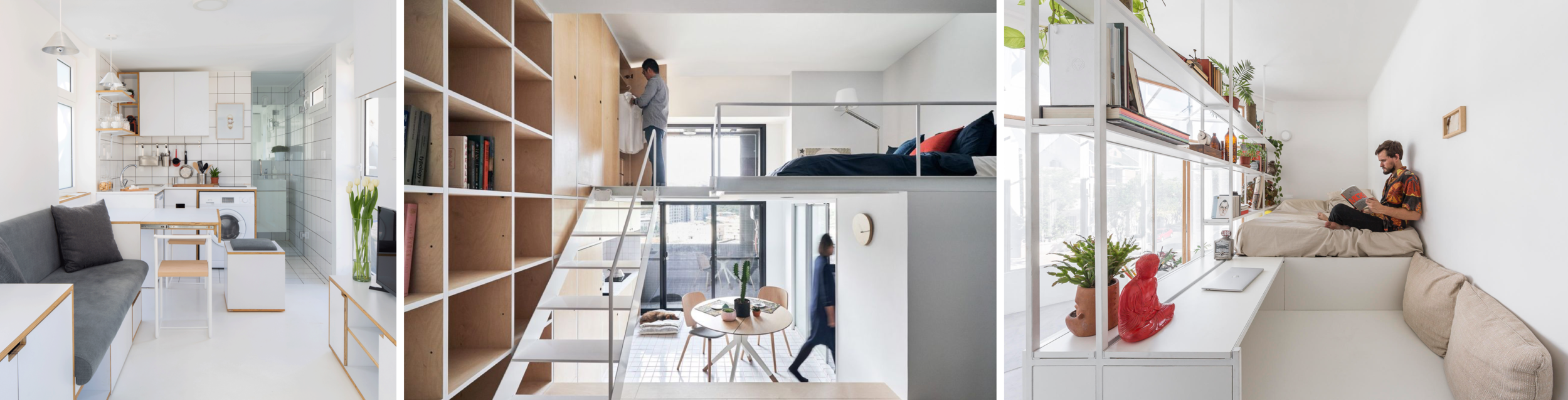
The Micro-Living Revolution
Forget the McMansions, folks. The housing market’s gone wild, and people are finally waking up to the fact that we don’t need all that space. I’m talking about tiny homes, sleek micro-apartments, and all sorts of clever ways to live larger by living smaller. It’s not just a trend; it’s a full-blown movement, and honestly, it’s about time.

Source : ystudios.com
Think about it. We’re drowning in debt, and the cost of a traditional house? Astronomical. Plus, who actually uses that formal dining room or the spare bedroom that’s just collecting dust bunnies? Micro-living isn’t about sacrifice; it’s about smarts. It’s about ditching the excess and focusing on what actually matters: experiences, financial freedom, and a less cluttered life. Seriously, it’s a breath of fresh air.
Why Are We Ditching the Big Houses?
Let’s be real. The dream of owning a sprawling suburban house with a white picket fence? It’s looking more like a distant fantasy for a lot of us. Housing costs have exploded. Property taxes are no joke. And the sheer upkeep? More time and money spent mowing lawns and fixing leaky faucets than actually living. Younger generations, especially, are rethinking this whole setup.
They’re looking at their parents’ struggles and saying, “Nah, I’m good.” They want mobility. They want affordability. They want to travel and invest in their passions, not just a mortgage. And frankly, the environmental impact of those giant houses? It’s massive. Smaller homes just make sense, both for our wallets and for the planet.
The Rise of Micro-Living: A New Normal
So, what exactly are we talking about when we say “micro-living”? It’s more than just small. It’s intentional. It’s about maximizing every square inch. We’re seeing everything from literal tiny houses on wheels to incredibly well-designed, compact apartments in the heart of the city. These places aren’t cramped shoeboxes; they’re smart, functional living spaces.
They prove that you don’t need 3,000 square feet to live a comfortable, fulfilling life. It’s about clever storage, multi-functional furniture, and community spaces. Think of a place like Korman’s micro-units – they’ve really nailed the concept. It’s efficient, modern, and surprisingly livable.
Decoding the Micro-Living Options
The world of living small is surprisingly diverse. It’s not a one-size-fits-all deal. You’ve got your basic compact apartments, sure, but there’s so much more creativity happening.
Tiny Houses on Wheels
These are the quintessential alternative housing stars. Literally houses built on trailers, offering freedom and mobility. You can park them in dedicated communities or, with the right zoning, even on private land. They force you to be minimalist, but the payoff is huge: drastically reduced costs and the ability to move your home if you move your life.
Accessory Dwelling Units (ADUs)
Think of these as fancy in-law suites or backyard cottages. ADUs are secondary housing units on the same lot as a primary residence. They’re great for generating rental income, housing family members, or just providing a smaller, more manageable space for yourself. Zoning laws are getting friendlier for these, thankfully.
Shipping Container Homes
Seriously cool and surprisingly sturdy. People are converting old shipping containers into unique, modern homes. They’re often more affordable than traditional construction and have a distinct industrial-chic vibe. Plus, you’re recycling! Win-win.
Micro-Apartments
These are popping up in urban centers everywhere. We’re talking apartments under 400 square feet, but designed with hyper-efficiency in mind. Think Murphy beds, integrated workspaces, and communal kitchens or lounges to expand your living space virtually. They make city living accessible.
Co-Living Spaces
This is less about the physical size of your unit and more about the shared experience. You get your own private bedroom, maybe a small private bathroom, but you share common areas like kitchens, living rooms, and laundry facilities. It’s a great way to reduce costs and build community, especially for young professionals or digital nomads.
3D Printed Houses: The Solution to the Housing Crisis?
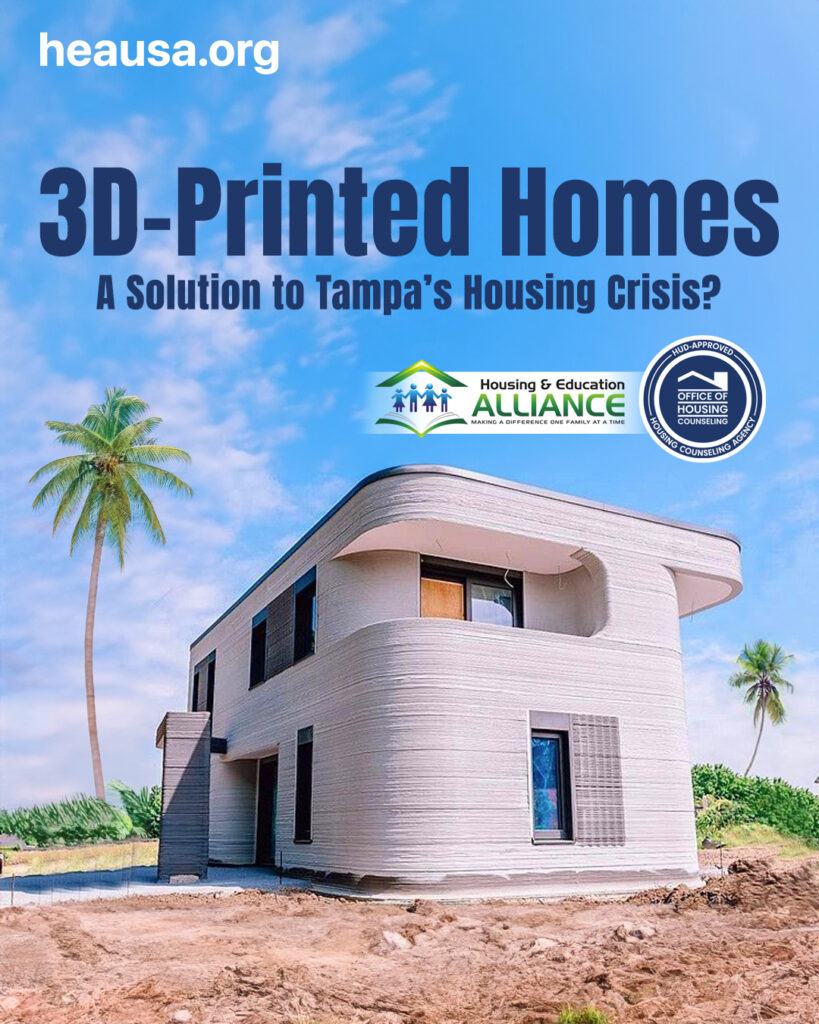
Source : heausa.org
The Future is Now: What’s Driving 3D Printing in Construction
Look, nobody likes talking about the housing crisis. It’s a mess. But what if I told you there’s a tech that could actually, you know, fix it? Enter 3D printing. Forget the clunky robots you’ve seen. We’re talking about massive printers spitting out walls, entire structures even, in a fraction of the time it takes to frame a house the old-fashioned way. Companies like ICON are already building homes with these things. It’s not science fiction anymore; it’s happening. This isn’t just about speed; it’s about slashing costs, too. Imagine getting into a home without selling a kidney. That’s the promise. And honestly, it’s a promise we desperately need.
Cost Breakthroughs: How 3D Printing Slashes Construction Expenses
Let’s get real about the money. Traditional home building is brutal on the wallet. Labor costs are through the roof. Material waste? A huge problem. 3D printing tackles both head-on. You need fewer people on-site, and the printers use materials more efficiently, often mixing concrete on the fly. What does that mean for you? Potentially cheaper homes. We’re talking about getting rid of a huge chunk of the price tag. Think about a starter home that doesn’t require a millionaire’s bank account. This tech could actually make owning a home achievable again for a lot more people. It’s about democratizing housing, plain and simple.
Design Freedom and Sustainability: Beyond Basic Boxes
Now, you might be picturing boring, grey boxes. Wrong. The beauty of 3D printing is the design flexibility it offers. Curved walls? Intricate facades? No problem for these printers. They can create shapes that are impossible or ridiculously expensive with traditional methods. Plus, many of these printing materials are eco-friendly, using less concrete or even recycled materials. It’s a win-win: cool-looking houses that are also kinder to the planet. This isn’t just about building faster; it’s about building smarter and building better. Think unique, sustainable, and affordable. That’s the holy trinity of homebuilding, right?
The Return of the Tiny House Movement in 2026

Source : youtube.com
Why Tiny is Trending (Again!) for Modern Living
Remember the tiny house craze a few years back? Well, it never really went away. In 2026, it’s back with a vengeance, and frankly, for good reason. People are tired of being chained to massive mortgages and endless upkeep. A tiny home offers freedom. Freedom from debt, freedom from excess stuff, and freedom to live more intentionally. It’s about simplifying your life, focusing on experiences over possessions. Plus, let’s be honest, they’re way cheaper to build and maintain. Who wouldn’t want less financial stress and more life? It’s a no-brainer for anyone looking to ditch the traditional rat race.
Navigating Zoning Laws and the Tiny House Community
Okay, it’s not all sunshine and rainbows. The biggest hurdle for tiny living? Zoning laws. Many towns and cities still haven’t caught up with the movement. You can’t just plop a tiny house anywhere. But here’s the good news: communities are forming. People are banding together, finding land, and advocating for change. There are dedicated tiny house villages popping up, offering a supportive environment and often more flexible regulations. Doing your homework is key here. Find out what the local rules are before you even start dreaming. Connect with others already living tiny; they’re your best resource for navigating the legal hurdles.
Financing Your Dream Tiny Home: It’s Possible
Worried about getting a mortgage for something so small? It used to be a major headache. Traditional banks weren’t keen on lending for something that didn’t fit their usual boxes. But things are changing. More lenders are starting to understand the tiny house market. Some offer RV loans for tiny homes on wheels, while others are developing specialized small-home loans. There are also personal loans and creative financing options. Don’t let the money scare you off. A little research and persistence can go a long way. Many people finance their tiny homes through savings, personal loans, or by selling existing assets. Creative financing is the name of the game.
Van Life 2026: Upgrading to Starlink and Solar
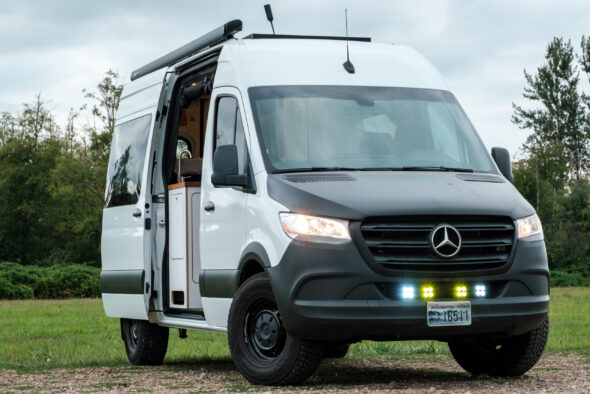
Source : vanlifetrader.com
The Ultimate Freedom Machine: Van Life Gets an Upgrade
Van life used to be about roughing it, right? Cold showers, spotty Wi-Fi, living off the grid whether you wanted to or not. Not anymore. In 2026, van life is going high-tech. We’re talking about turning those rugged rigs into mobile command centers. The game-changers? Starlink internet and advanced solar power systems. Suddenly, you’re not just living in a van; you’re working from anywhere, streaming in 4K, and never worrying about finding a coffee shop with decent Wi-Fi again. It’s the ultimate blend of freedom and connectivity. Imagine working from a beach in Mexico one week and a mountain vista the next. That’s the 2026 van life reality.
Powering Your Adventures: Solar Setups for the Long Haul
Off-grid living used to mean compromises. Now, it means smart energy. Solar technology has gotten incredibly efficient and affordable. We’re talking about robust solar panel installations that can power everything from your fridge and microwave to your laptops and even a small air conditioner. Think multiple panels on the roof, high-capacity batteries stored safely, and reliable charge controllers. You can design a system tailored to your needs, whether you’re a weekend warrior or a full-time digital nomad. It’s about energy independence, pure and simple. No more hunting for RV parks with hookups.
Staying Connected Anywhere: Why Starlink is a Van Lifer’s Best Friend
This is the big one. For years, reliable internet was the Achilles’ heel of van life. Forget about it if you were out in the boonies. Enter Starlink. Elon Musk’s satellite internet service has revolutionized remote work and travel. It’s surprisingly easy to set up, and the speeds are insane, even in pretty remote locations. Being able to hop on a video call without glitching or download large files in minutes changes everything. It opens up so many more possibilities for where you can live and work. For any digital nomad, Starlink isn’t just a luxury; it’s practically a necessity now.
Co-Op Housing for Multi-Generational Families
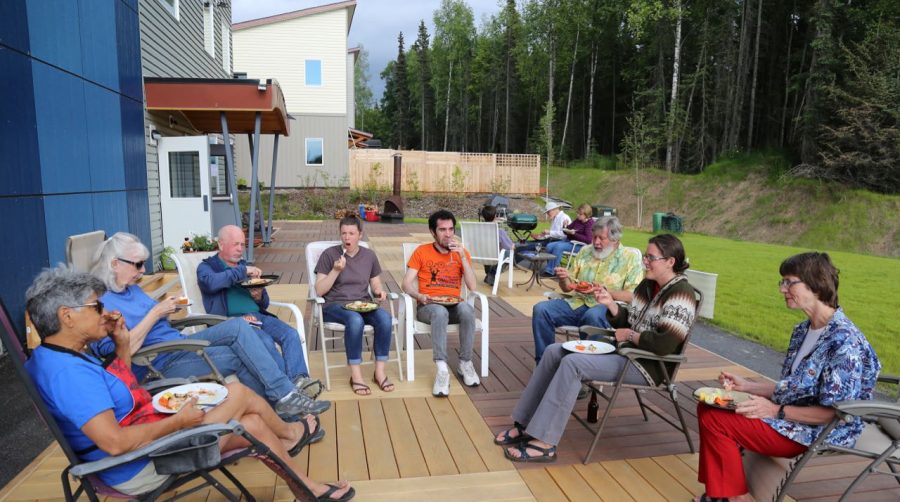
Source : cohousing.org
The Family That Lives Together Stays Together (Smarter)
Look, the traditional nuclear family model isn’t the only way to live. Especially with rising costs and the need for built-in support systems, multi-generational living is making a huge comeback. And co-op housing is the perfect framework for it. Imagine grandparents living in their own private unit within the same building or complex as their kids and grandkids. It offers independence for everyone while ensuring help is always close by. Need someone to pick up the kids from school? Grandma’s upstairs. Need help with finances? The adult children are right there. It’s practical, it’s supportive, and it can be incredibly cost-effective.
Building Bonds and Sharing Resources in a Co-Op
Co-ops inherently encourage community. When you’re sharing a space, even with your own family, you naturally start pooling resources. Think shared laundry facilities, communal gardens, maybe even shared meals a few times a week. This not only saves money but also strengthens relationships. It fosters a sense of belonging and shared responsibility. For kids, it’s an amazing environment to grow up in, surrounded by multiple adult role models. For seniors, it combats loneliness and provides a sense of purpose. It’s about creating a supportive ecosystem for the whole family unit, built on shared living.
The Financial and Emotional Perks of Shared Family Housing
Let’s talk brass tacks. Pooling finances in a co-op can make a much larger, more comfortable living situation affordable. You can collectively purchase a property, renovate it to suit everyone’s needs, and then divide costs. This is often far cheaper than each family unit trying to buy separately. Beyond the money, the emotional benefits are massive. Knowing your loved ones are nearby, safe and sound, provides incredible peace of mind. It reduces the stress of elder care and childcare because the burden is shared. It’s a powerful way to ensure your family stays connected and supported through thick and thin. Financial security and emotional well-being, all wrapped up in one.
| Feature | Traditional Housing | Tiny Home | Van Life | Multi-Gen Co-Op | 3D Printed Home |
|---|---|---|---|---|---|
| Initial Cost | $$$$$ (Very High) | $ (Low) | $$ (Moderate – Vehicle + Build) | $$$ (Moderate – Shared) | $$ (Moderate – Tech Dependent) |
| Monthly Expenses | $$$$ (High – Mortgage, Utilities, Taxes) | $ (Very Low) | $$ (Moderate – Fuel, Maintenance, Some Utilities) | $$ (Moderate – Shared Utilities, Co-op Fees) | $$ (Moderate – Utilities, Taxes) |
| Freedom/Mobility | None | High (if on wheels) | Very High | None | None |
| Community Aspect | Low (Neighborhood) | Variable (Depends on Location/Village) | Variable (Online/In-Person Meets) | Very High (Family Built-in) | Variable (Neighborhood) |
| Sustainability | Variable (Depends on Construction) | High (Minimal Footprint) | Variable (Depends on Energy Source) | Variable (Depends on Building Efficiency) | Potentially Very High (Material Efficiency) |
| Tech Integration | Standard | Optional | High Potential (Starlink, Solar) | Optional | High Potential |
Maximizing Storage in Ultra-Small Apartments
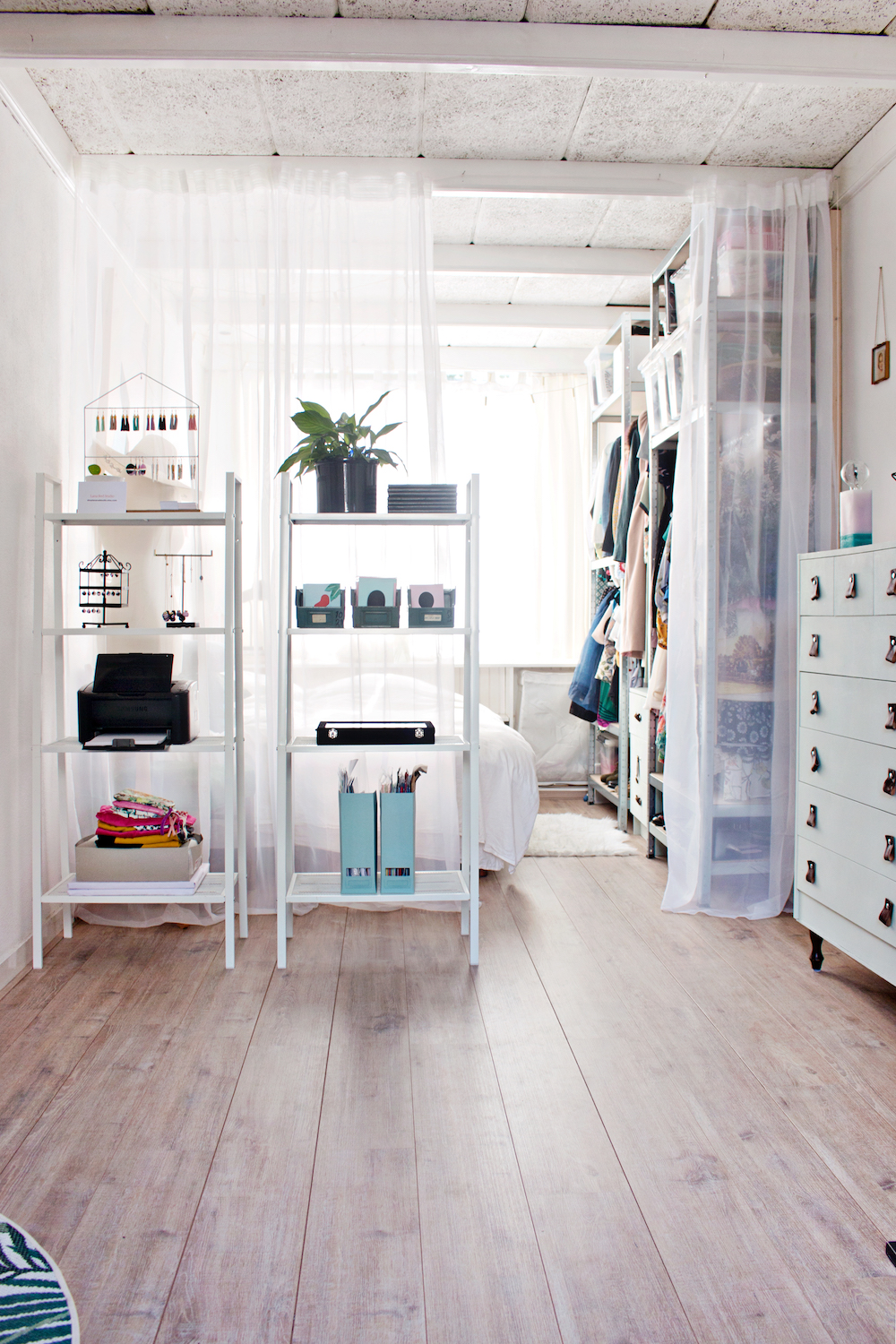
Source : lanaredstudio.com
Think Vertical, Not Just Horizontal
Living in a tiny space isn’t about ditching your belongings; it’s about being smarter with where you put them. The biggest mistake people make? Only looking at floor level. You’ve got walls! Go vertical. Think tall, narrow bookshelves that go all the way to the ceiling. Install shelves above doorways, windows, even your toilet. Wall-mounted storage is your best friend. Use the space above your bed for shelving or cabinets. Get creative with hanging organizers for doors – inside your closets, pantry, or even your bathroom. Every inch of wall space is prime real estate you should be using.
Furniture That Works Double Duty
This is non-negotiable in a small apartment. Your furniture needs to earn its keep. Think beds with built-in drawers or lift-up storage underneath. Coffee tables that double as dining tables or have hidden compartments. Ottomans that are perfect for stashing blankets or magazines. Even seating can be functional; benches with storage inside are a lifesaver. Look for pieces that are multi-functional. A sofa that converts into a guest bed? Brilliant. A wall-mounted desk that folds away when not in use? Yes, please. Multi-functional furniture is key to keeping clutter at bay.
Clever Kitchen and Closet Hacks for Small Spaces
Kitchens and closets are often the biggest clutter traps. For the kitchen, think about magnetic knife strips on the wall, pot racks that hang from the ceiling, and tiered shelves inside cabinets to maximize vertical space. Drawer dividers are essential. Use the inside of cabinet doors for spice racks or lid holders. In closets, use slim hangers to fit more clothes. Add extra shelves or hanging rods. Utilize clear, stackable bins so you can see what’s inside. Don’t forget about the space above your wardrobe – perfect for seasonal items. Little hacks like these make a massive difference in keeping your ultra-small apartment feeling spacious and organized. Smart storage solutions are your secret weapon.
Frequently Asked Questions
-
What states will pay you to build a tiny home?
Honestly, it’s not quite as simple as states ‘paying you’ to build a tiny home, but some places offer incentives for affordable housing. Places like Oregon and Colorado have had programs or zoning laws that are more welcoming to smaller dwellings, sometimes with tax breaks or specific development zones. You’ll need to dig into local initiatives in areas you’re interested in, as it’s rarely a blanket state-wide cash offer. Think more along the lines of ‘making it easier’ rather than ‘getting paid’.
-
What are the four available housing alternatives?
When we talk about housing alternatives beyond the traditional house or apartment, four big ones come to mind: tiny homes (obviously!), RVs/mobile homes (which can be permanent residences), container homes (using shipping containers), and ADUs (Accessory Dwelling Units) like backyard cottages or gray flats. Each has its own set of pros, cons, and importantly, zoning challenges.
-
Where can I live for $800 a month in the USA?
Finding a place for $800 a month in the USA is tough these days, no lie. Your best bet is looking at rural areas or smaller towns, especially in the Midwest or parts of the South. Think states like Arkansas, Mississippi, or even some smaller cities in Ohio or Missouri. You might also find options in shared housing situations or if you’re okay with a very basic RV park. Forget the major cities unless you have a roommate situation locked down.
-
Are micro-living spaces really cheaper in the long run?
Usually, yeah. A micro-living space generally means lower utility bills, less space to furnish, and often lower property taxes or rent. Plus, if you’re building a tiny home yourself, the upfront cost is way less than a traditional house. It’s not always a huge upfront saving, but the day-to-day costs tend to be significantly lower, making it cheaper over time.
-
What are the biggest challenges with alternative housing?
The main hurdle is almost always zoning laws and regulations. Many towns just aren’t set up for tiny homes or container houses. You also run into issues with financing and insurance – it’s harder to get a mortgage for a 200-square-foot home. Plus, there’s the whole social aspect; some people just aren’t used to or accepting of non-traditional homes.